Turning Your Home into a Profitable Backyard Rabbit Farm: A Step-by-Step Guide to Lasting Profit
Have you ever looked at the unused space behind your house and wondered if it could generate income?
If so, turning your home into a profitable rabbit farm might be the opportunity you have been searching for.
Many successful livestock farmers started with only a few rabbits in a small backyard.
Today, some of them supply breeding stock, meat rabbits, manure, and even pet rabbits to customers.
The good news is that turning your home into a profitable backyard rabbit farm does not require a large piece of land or a huge amount of money to get started.
Rabbits are quiet, easy to manage, reproduce quickly, and can provide a steady source of income when managed properly.
If you are ready to turn your backyard into a profitable backyard rabbit farm, this guide will walk you through the process step by step.
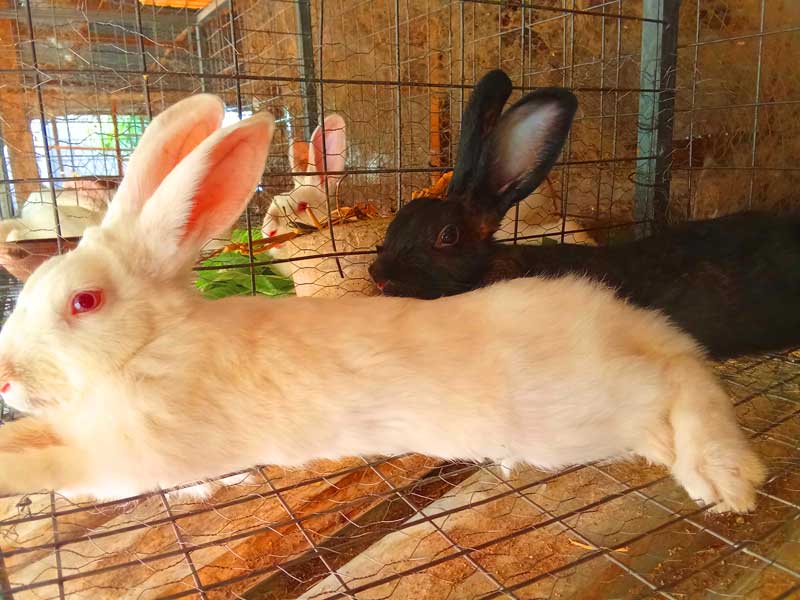
Why Turning Your Home into a Profitable Backyard Rabbit Farm Makes Sense
Before investing your time and money, it is important to understand why rabbits are becoming increasingly popular among small-scale farmers.
Rabbits offer several advantages:
- They require very little space.
- They reproduce rapidly.
- They have low feeding costs compared to many livestock species.
- Rabbit manure is an excellent organic fertiliser.
- Their meat is highly nutritious and lean.
- They are relatively easy to handle.
Imagine starting with just one male rabbit and three females. Within a year, you could have dozens of rabbits if proper breeding and management practices are followed.
Step 1: Turning Your Home into a Profitable Backyard Rabbit Farm, you need to define Your Farming Goal
Before buying your first rabbit, ask yourself an important question:
“What do I want from this business?”
Your goal may be:
- Producing meat rabbits.
- Selling breeding stock.
- Selling rabbit manure.
- Raising pet rabbits.
- Combining two or more income streams.
Knowing your objective will guide every decision you make, from breed selection to housing design.
Relevant articles:
5 Smart Ways Rabbit Farmers Turn Cheap Local Feed into Faster Growth and Bigger Profits
My Rabbits Are Not Producing Again! 5 Hidden Reasons Your Does Refuse to Get Pregnant
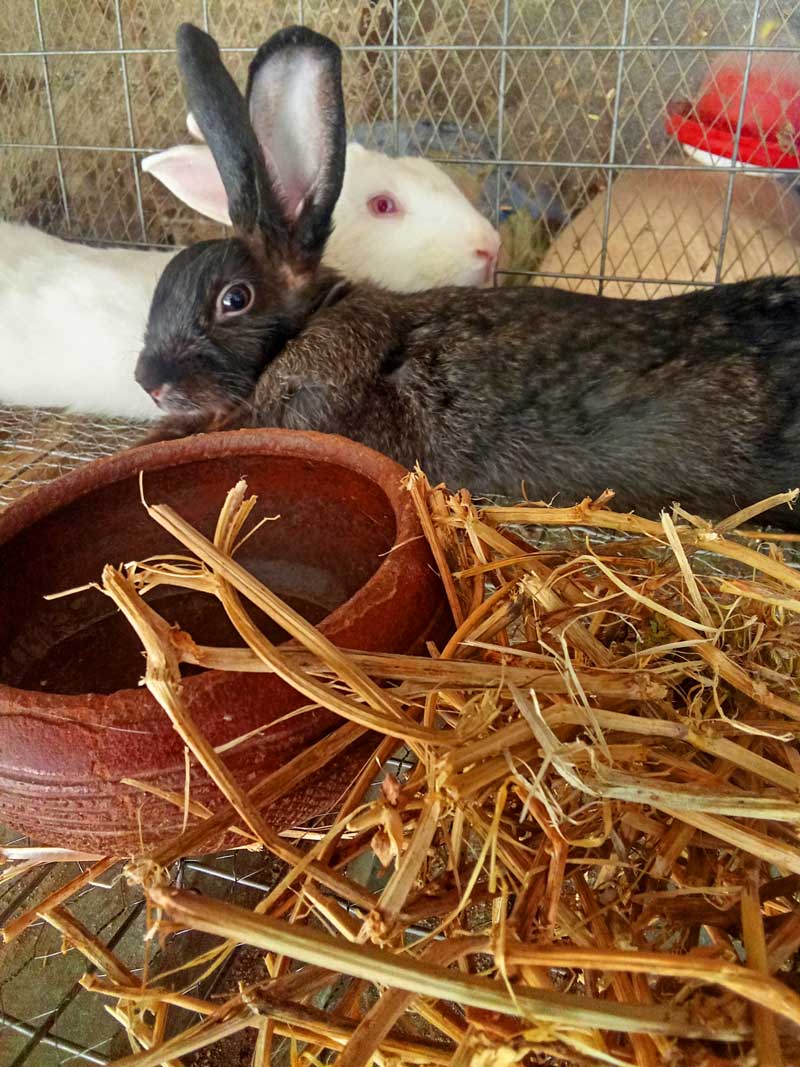
Step 2: You must understand that by choosing the Right Rabbit Breed, it’s going to help you Turn Your Home into a Profitable Backyard Rabbit Farm
Not all rabbits are the same. Some are better for meat production, while others are more suitable as pets.
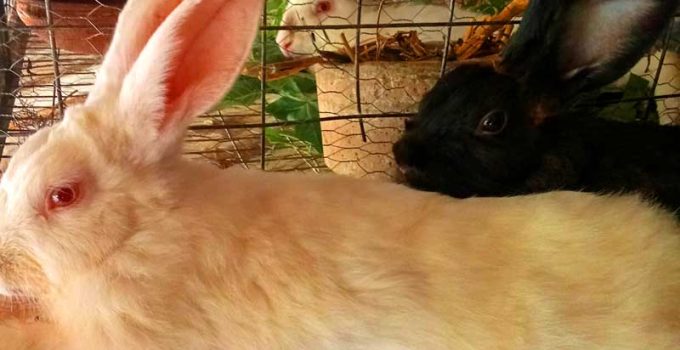
Popular meat rabbit breeds include:
- New Zealand White
- Californian
- Chinchilla
- Flemish Giant
- Hyla rabbits
Illustration
Think of rabbit breeds like crop varieties. Just as some maize varieties are selected for high yield, some rabbit breeds are selected for rapid growth and efficient meat production.
For beginners, New Zealand White rabbits are often a good choice because they grow fast, breed well, and adapt to different environments.
Step 3: Building comfortable housing for your rabbits will greatly help you turn your home into a profitable backyard rabbit farm
A rabbit’s home has a major impact on its health and productivity.
Your rabbit housing should provide:
- Good ventilation
- Protection from rain
- Protection from direct sunlight
- Easy cleaning
- Security from predators
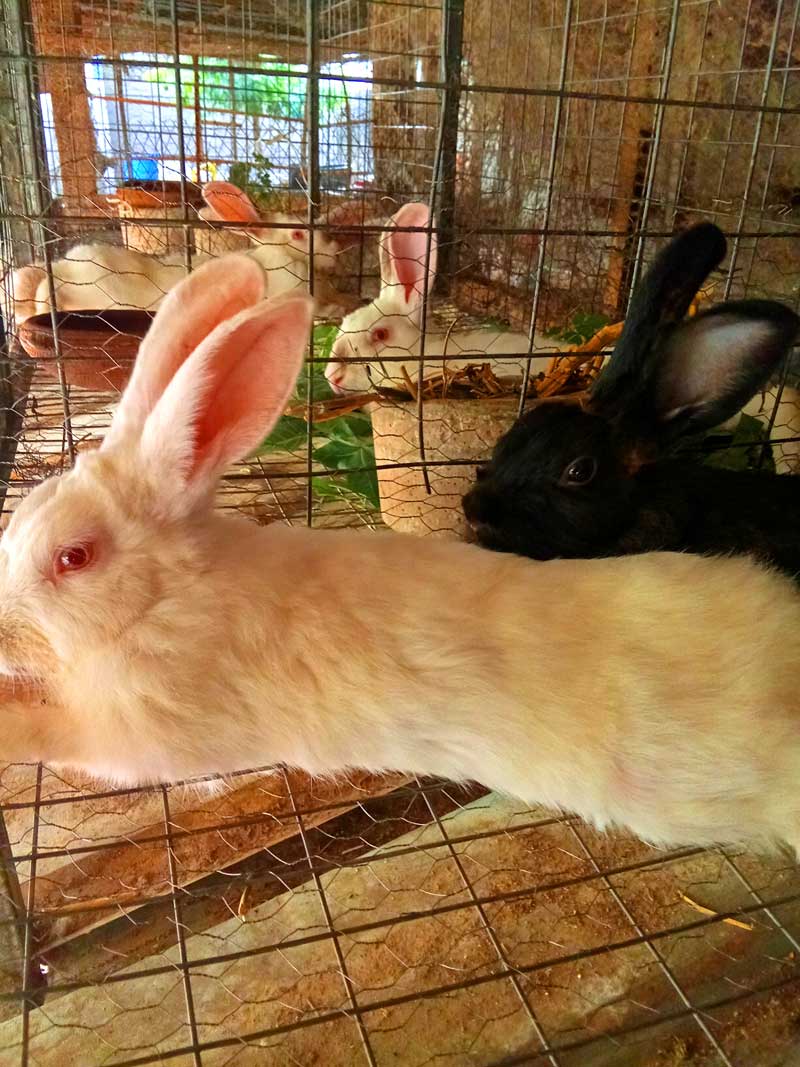
Many backyard farmers use wire-mesh hutches raised above the ground.
Illustration
Imagine living in a room with poor ventilation and a dirty floor. You would likely become uncomfortable and sick. Rabbits feel the same way.
Clean, dry housing helps prevent disease and encourages better growth.
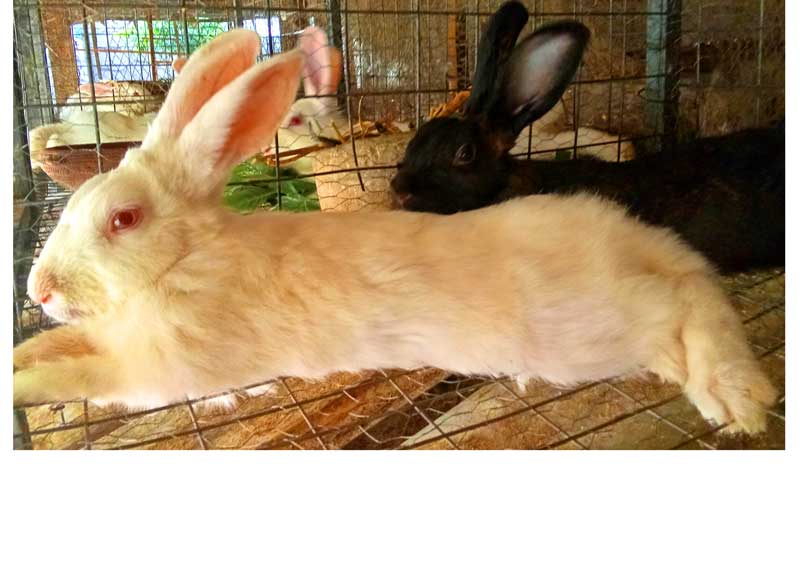
Step 4: Start small and grow gradually, gathering experiences along the growing curve
One of the biggest mistakes beginners make is buying too many rabbits at once.
Start with a manageable number.
For example:
- 1 buck (male rabbit)
- 3 does (female rabbits)
This allows you to gain experience without overwhelming yourself.
As your confidence grows and profits increase, you can expand gradually.
Remember, successful farming is often a marathon, not a sprint.
Related articles:
Step 5: For you to Turn Your Home into a Profitable Backyard Rabbit Farm, you need to Learn Proper Feeding
Feed accounts for a significant portion of production costs.
A healthy rabbit diet may include:
- Commercial rabbit pellets
- Fresh grasses
- Legumes
- Hay
- Vegetable leaves
- Clean water
Avoid feeding mouldy, rotten, or contaminated feed.
A rabbit that receives balanced nutrition is like a well-fueled vehicle. It performs better, grows faster, and remains productive.
Always introduce new feeds gradually to avoid digestive problems.
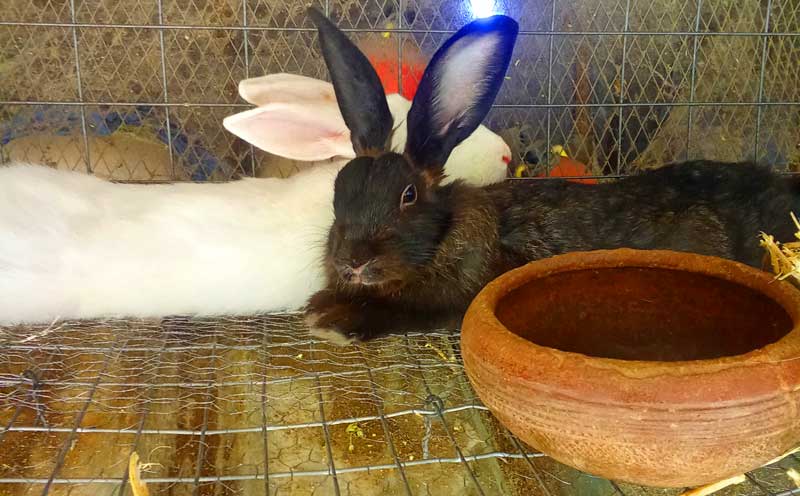
Step 6: Never Ignore Water. A Lot of rabbit farmers are guilty of this
Many new rabbit farmers focus heavily on feed but forget the importance of water.
Fresh, clean water should always be available.
Water helps with:
- Digestion
- Temperature regulation
- Milk production
- Growth
A nursing doe can consume surprisingly large amounts of water daily.
Lack of water can quickly affect rabbit health and productivity.
Step 7: Understand Rabbit Breeding is a necessary prerequisite for successfully Turning Your Home into a Profitable Backyard Rabbit Farm
Breeding is where rabbit farming becomes truly profitable.
A healthy doe can produce several litters each year.
Basic breeding tips include:
- Mate healthy rabbits only.
- Avoid inbreeding.
- Keep breeding records.
- Remove unhealthy animals from the breeding program.
A doe typically gives birth to multiple kits at a time, making rabbits one of the fastest-multiplying livestock species.
Imagine planting one seed and harvesting ten. That is the reproductive advantage rabbits offer when managed correctly.
Related articles:
Don’t Buy That Rabbit Yet! 5 Smart Checks before Bringing a New Rabbit Home
No Action in the Hutch? 5 Smart Steps to Take When Your Rabbits Won’t Mate
Rabbit Breeding Secrets: How Inbreeding in Rabbits Could Be Sabotaging Your Rabbit Farm

Step 8: Always Prepare for Kindling
Kindling is the term used when a rabbit gives birth.
Before kindling:
- Provide a nesting box.
- Ensure the environment is calm.
- Minimise unnecessary disturbances.
The doe will usually prepare her nest by pulling fur from her body.
After birth, check the nest carefully and remove any dead kits if present.
Step 9: Always Practice Good Hygiene: A dirty environment is a Recipe for Diseases
Cleanliness is one of the most effective disease prevention tools available to rabbit farmers.
Maintain:
- Clean hutches
- Clean feeders
- Clean drinkers
- Dry surroundings
Remove manure regularly.
Think of hygiene as insurance. It costs little compared to the losses caused by disease outbreaks.
A clean rabbitry often means fewer veterinary expenses and better productivity.
Step 10: Monitor Rabbit Health Daily
Healthy rabbits are active, alert, and eager to eat.
Watch for warning signs such as:
- Loss of appetite
- Runny nose
- Diarrhea
- Weight loss
- Swollen eyes
- Difficulty breathing
Early detection can save lives and reduce losses.
Spend a few minutes observing your rabbits each day.
Often, farmers notice problems before they become serious simply by paying attention.
Related article:
Getting Started with Goat Farming Business: A Beginner’s Guide for Smallholders
Working a 9–5 but Need Extra Income? 3 Strategic Cow Fattening Ideas That Build Wealth on the Side
A Practical Step-by-Step Guide to Profitable Cow Fattening Business in Just 3–6 Months
Step 11: If you want to turn your Home into a Profitable Backyard Rabbit Farm, learn to always Keep Accurate Records
Many farmers underestimate the power of record-keeping.
Track:
- Breeding dates
- Birth dates
- Feed costs
- Sales
- Mortality
- Medication records
Good records help you identify profitable animals and make informed business decisions.
Imagine driving to an unfamiliar destination without a map. That is what running a farm without records feels like.
Records show where your business is going and help you stay on course.
Step 12: Turn Rabbit Waste into additional Income
Many people overlook one of the hidden treasures of rabbit farming—rabbit manure.
Rabbit droppings are highly valued by:
- Vegetable farmers
- Fruit growers
- Home gardeners
Unlike some animal manures, rabbit manure can often be applied directly to crops without composting.
This creates an additional income stream from the same rabbits.
Step 13: Find Your Market Early
Do not wait until your rabbits are ready for sale before searching for buyers.
Potential customers include:
- Meat consumers
- Restaurants
- Other rabbit farmers
- Pet owners
- Crop farmers seeking manure
Build relationships before you need them.
A ready market helps ensure smooth sales and consistent cash flow.
Common Mistakes Beginners Should Avoid if They Really Want to turn your home into a Profitable Backyard Rabbit Farm
Many rabbit farming failures result from avoidable mistakes.
Avoid:
- Overcrowding rabbits
- Poor ventilation
- Feeding spoiled feed
- Neglecting record keeping
- Buying unhealthy breeding stock
- Expanding too quickly
Learning from the mistakes of others can save you significant time and money.
The Secret to Long-Term Profit
The most profitable rabbit farmers are not always the ones with the largest farms.
They are usually the farmers who:
- Manage costs carefully
- Maintain healthy animals
- Keep good records
- Build reliable markets
- Continue learning
Consistency beats shortcuts every time.
Conclusion
Rabbit farming is one of the most accessible livestock businesses available to small and medium-scale farmers. You do not need vast land, expensive equipment, or a large workforce to get started.
A few healthy rabbits, proper management, patience, and dedication can gradually transform an ordinary backyard into a productive and profitable enterprise.
Remember, every successful rabbit farmer once started with a single hutch and a few rabbits. The difference is that they took the first step and remained committed to learning and improving.
Your backyard may look ordinary today, but with the right approach, it could become the foundation of a thriving rabbit farming business and a lasting source of income for years to come.