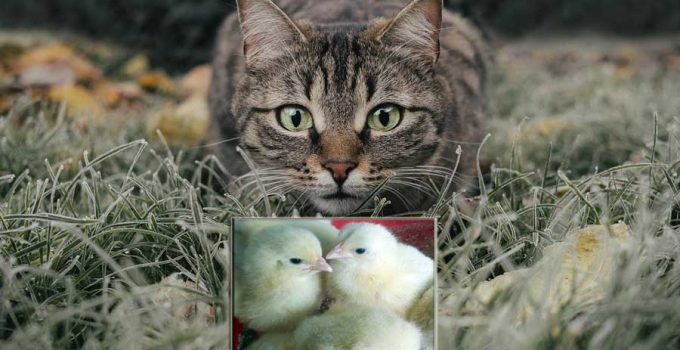
Wild Cats around Your Chicken Coop? 5 Easy Ways to Save Your Chicks
As a poultry farmer, you should be familiar with waking up in the morning only to discover that one or two chicks are missing.
Sometimes you may even find scattered feathers around the coop or hear strange noises at night without knowing exactly what happened.
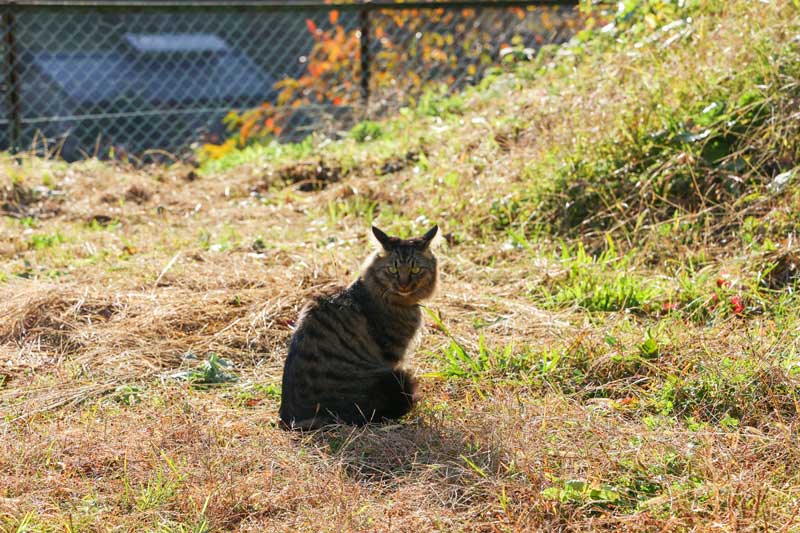
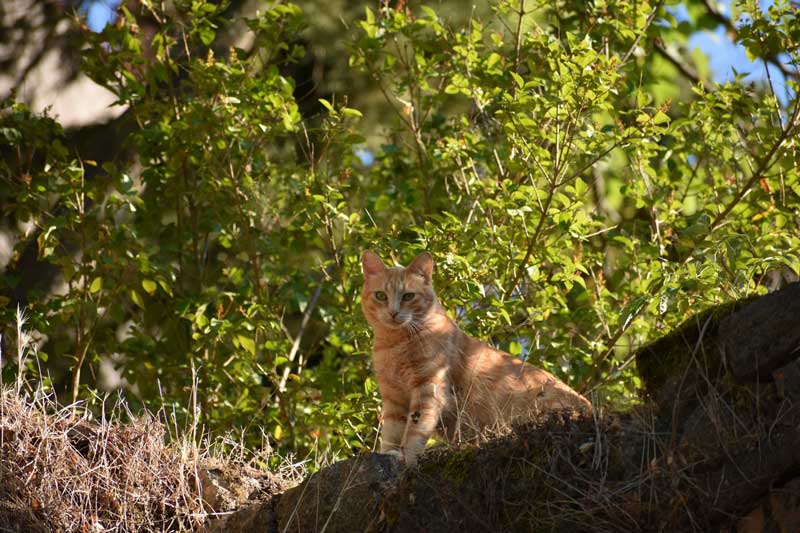
For many backyard and small-scale poultry farmers, one silent enemy causing these losses is the local wild cat roaming around the neighbourhood.
These cats may look harmless during the daytime, but once night falls, they become skilled hunters.
They can sneak into poorly protected chicken coops, attack weak chicks, and disappear before anybody notices.
In some cases, a farmer may lose several chicks within just a few nights.
This problem is very common in many communities, especially in semi-rural and urban areas where poultry farmers rear birds close to bushes, gutters, abandoned buildings, or refuse dumps where cats hide.
The painful part is that many farmers focus only on diseases and feeding, but forget that predators can also destroy a poultry business slowly.
The good news is that saving your chicks from wild cats does not always require expensive equipment or sophisticated poultry houses.
Sometimes, simple preventive measures can save you from repeated losses.
Let us look at 5 easy but effective ways you can protect and save your chicks from wild cats around your neighbourhood.
-
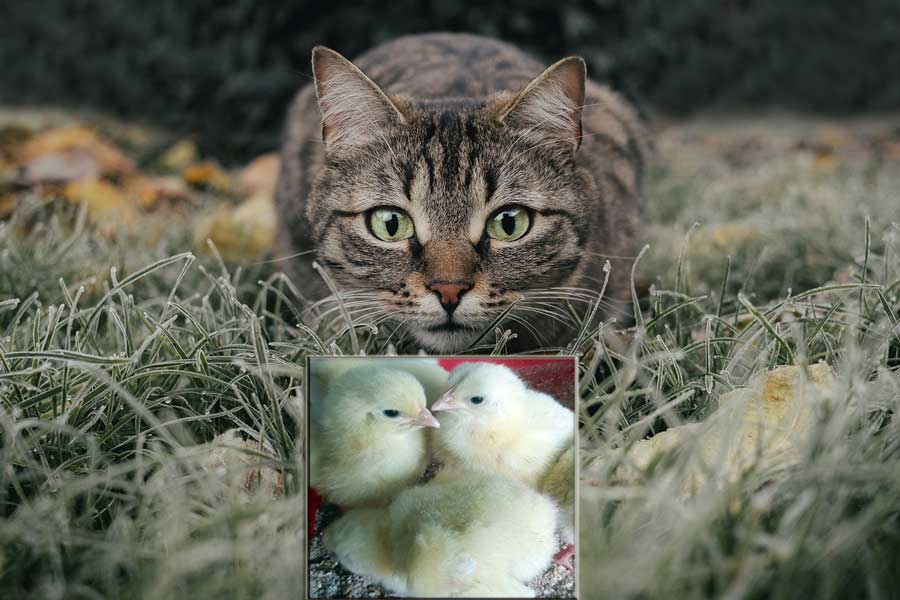
You Can Save Your Chicks by Building a Strong and Secure Chicken Coop
One of the biggest mistakes many poultry farmers make is keeping chicks in weak or open housing.
Wild cats are very smart and patient animals. If they notice an easy entry point into your poultry pen, they will keep coming back again and again.
Some cats can squeeze through surprisingly small openings. Others may climb weak wooden structures or push through damaged wire mesh.
That is why your first line of defence is a properly secured coop.
What You Should Do:
- Use strong wire mesh instead of weak netting.
- Close all holes and gaps around the pen.
- Repair broken doors immediately.
- Ensure windows are covered with wire mesh.
- Use strong locks or latches at night.
If possible, raise the brooder slightly above ground level, especially for day-old chicks. This makes it harder for predators to gain access.
Many farmers lose chicks simply because they assume “the cat cannot enter there.” Never underestimate a hungry cat.
Even local domestic cats can become dangerous hunters once they discover easy prey.
Related article:
-
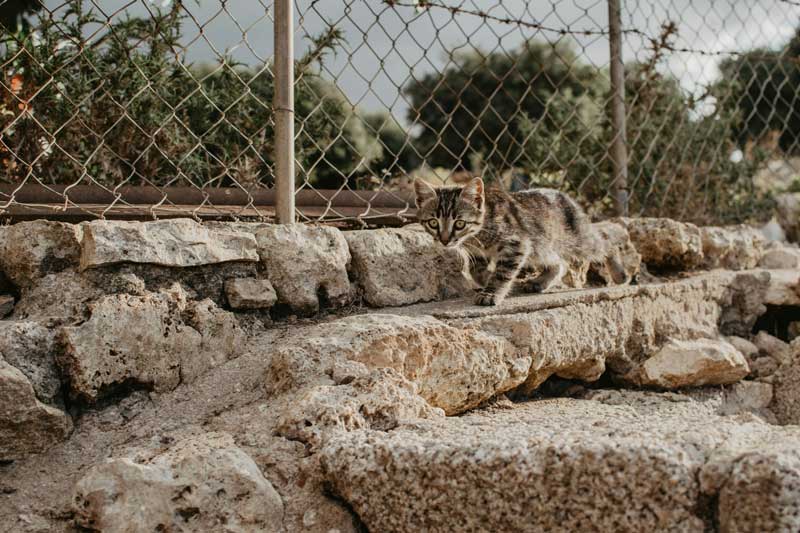
You Can Save Your Chicks Also by Avoiding Leaving them Outside Late In the Evening
Many backyard poultry farmers allow chicks to roam freely during the day, which is good for exercise and natural feeding. However, one dangerous habit is leaving them outside too late.
Wild cats are usually more active during the evening, night, and early morning hours. This is when they hunt quietly.
Once darkness starts approaching, your chicks become more vulnerable, especially young chicks that cannot fly or defend themselves.
A Simple Routine Can Save Your Chicks
Make it a daily habit to:
- Count your chicks every evening.
- Return them to the coop before sunset.
- Avoid allowing chicks to sleep outside.
- Check hidden corners where weak chicks may hide.
Some farmers only discover missing chicks the following morning because they did not properly secure them before nightfall.
If your birds free-range around the compound, train yourself and your workers to prioritise evening safety.
Remember, prevention is always cheaper than replacing dead chicks.
Related article:
Maize vs. Sorghum in Poultry Feed: Which One Truly Gives You Faster Growth and Bigger Profits?
Feed Is Money: 5 Proven Strategies Successful Poultry Farmers Use to Reduce Feed Waste Every Day
Commercial Feed vs. Homemade Feed: What I observed as a Small to medium-Scale Poultry Farmer
-
One Good Way You Can Save Your Chicks Is By Clearing Bushes and Dirty Surroundings around the Coop
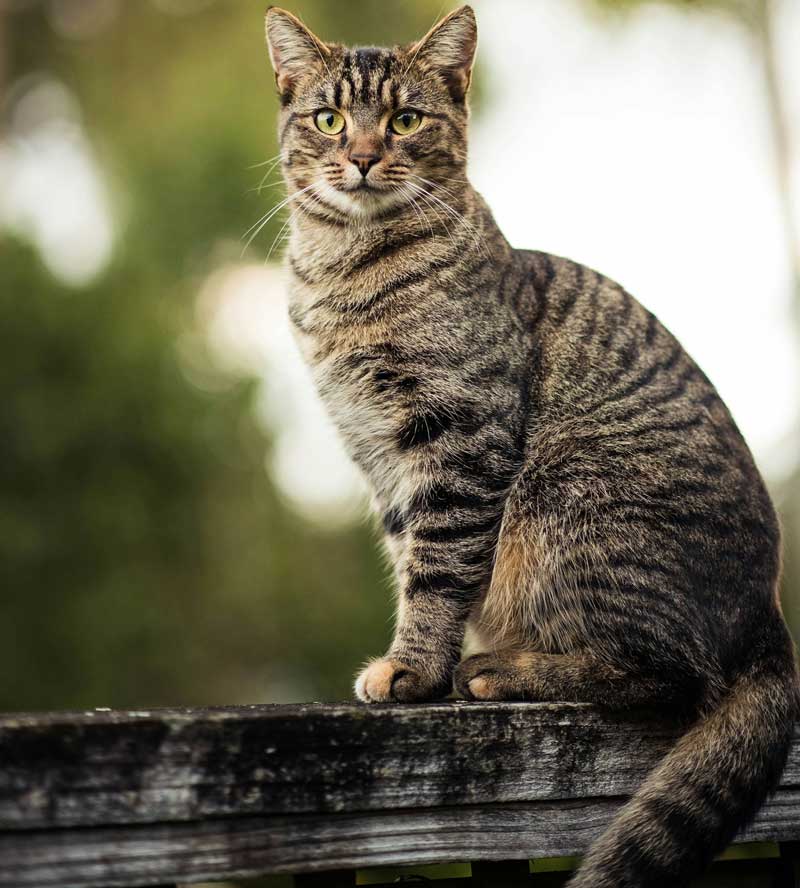
Wild cats love places where they can hide quietly before attacking.
Bushes, tall grasses, abandoned materials, piles of wood and dirty surroundings around the poultry house create perfect hiding places for predators.
Some cats stay hidden close to the coop for hours, watching the movement of chicks before launching an attack.
Unfortunately, many farmers pay attention only to the inside of the poultry house while ignoring the outside environment.
The best way to save your chicks is by keeping the Area Clean and Open
You can reduce cat attacks by:
- Cutting tall grass regularly.
- Removing unused cartons, wood, or metal scraps.
- Clearing bushes around the poultry house.
- Improving visibility around the coop.
- Avoiding food waste that attracts stray animals.
A clean environment not only helps against wild cats. It also helps reduce snakes, rats, scorpions, and disease-carrying pests.
In many farming communities, predators thrive where sanitation is poor.
A neat poultry environment naturally repels many unwanted visitors.
Related article:
5 Shocking Ways Your Poultry Birds Spread Farm-Wrecking Diseases
5 Marketing Strategies You Can Use to Sell Your Poultry Birds Fast and Easily
-
Using Light around The Poultry House At Night Is A Perfect Way To Save Your Chicks From Local Wild Cats
Darkness gives wild cats confidence.
Most predators prefer operating where nobody can easily see them. A completely dark poultry environment makes it easier for cats to move around unnoticed.
Simple lighting can discourage many attacks.
You do not need expensive industrial floodlights before protecting your birds.
Affordable Lighting Options
You can use:
- Rechargeable lamps
- Solar-powered bulbs
- Motion sensor lights
- Simple security bulbs around the coop
Even small lighting around entrances and corners can make a big difference.
Cats generally prefer silent and dark areas. Once the environment becomes exposed, many of them avoid coming too close.
Some farmers in rural areas even hang lanterns near the poultry house during the night, especially during brooding periods when chicks are still very vulnerable.
Apart from security, lighting also helps you monitor unusual movements at night.
If birds suddenly start making panic noises, you can quickly investigate before major damage occurs.
-
Keep Other Protective Animals around the House to Save Your Chicks
This may sound surprising, but some farmers successfully reduce cat attacks by keeping protective animals around the farm.
For example, local dogs can scare away wild cats if properly trained and controlled.
However, farmers must be careful because poorly trained dogs can also injure the poultry birds themselves.
The goal is not to create another problem while solving one.
Other Helpful Security Practices
Some farmers also:
- Install simple alarms or bells on coop doors.
- Use raised cages for chicks.
- Keep human activity around the poultry area.
- Monitor suspicious animal movements regularly.
In some villages, experienced poultry farmers already know certain seasons when predator attacks increase, especially during rainy periods when bushes grow quickly, and food becomes scarce for roaming animals.
Observation is very important in poultry farming.
The earlier you notice signs of predator activity, the easier it becomes to stop future attacks.
Related article:
5 Smart Ways Rabbit Farmers Turn Cheap Local Feed into Faster Growth and Bigger Profits
Signs That Wild Cats Are Attacking Your Chicks
Some farmers lose birds repeatedly without realizing cats are responsible.
Here are common signs you should watch for:
- Missing chicks without a trace
- Feathers scattered around
- Birds are making panic noises at night
- Footprints near the coop
- Damaged wire mesh
- Blood stains or injured chicks
- Cats are frequently moving around the poultry area
Never ignore these warning signs.
Predators rarely stop after one successful attack. Once they discover an easy source of food, they usually return repeatedly.
Why Small Chick Losses Should Never Be Ignored
Many poultry farmers make the mistake of saying:
“It is only one chick.”
But repeated small losses can become serious financial damage over time.
Imagine losing:
- 2 chicks every week
- 8 chicks every month
- dozens of birds within one production cycle
For commercial farmers, those losses affect profits directly.
For backyard farmers, it can discourage expansion and reduce household income.
Apart from financial loss, predator attacks also create stress among birds. Frightened chicks may:
- Stop eating properly
- become weak
- pile up from fear
- suffer injuries during panic
Sometimes, the indirect effects become even worse than the actual attack itself.
That is why poultry security is just as important as feeding and medication.
Extra Tips for Backyard Poultry Farmers
If you rear poultry around your home, here are additional practical tips:
- Avoid throwing leftover food carelessly around the compound.
- Do not leave dead birds exposed.
- Keep feed bags properly sealed.
- Supervise chicks during outdoor movement.
- Teach children not to leave coop doors open.
Many predator problems start from simple carelessness.
Good poultry management involves attention to detail.
Conclusion
Wild cats may look small compared to bigger farm predators, but they can cause serious losses if poultry farmers become careless.
The painful part is that many of these attacks are preventable.
A stronger coop, cleaner surroundings, proper lighting, and careful monitoring can save your chicks from unnecessary death from wild cats.
Whether you are raising 10 chicks in your backyard or managing hundreds of birds commercially, protecting your poultry from predators should always be part of your daily farm routine.
Remember this simple truth:
Healthy chicks that survive grow into profitable birds.
But birds lost to predators are profits gone forever.
So do not wait until repeated attacks reduce your flock. Start strengthening your poultry security today and give your chicks the safe environment they need to grow well.