
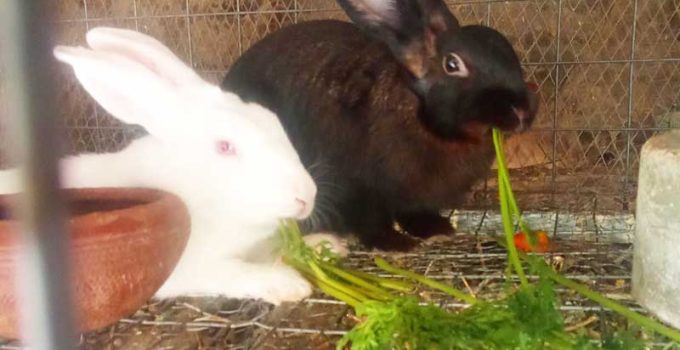
5 Smart Ways Rabbit Farmers Turn Cheap Local Feed into Faster Growth and Bigger Profits
As a rabbit farmer or livestock farmer in general, you already know one hard truth: feed is where most of your money goes. And if you don’t control it, it quietly eats up your profit, making farming less attractive.
But here’s the good news: some of the most successful rabbit farmers aren’t spending more… they’re spending smarter and less.
They’ve mastered how to turn cheap, locally available feed resources into fast-growing, healthy rabbits, without compromising standard and performance.
Let’s explain it in a very practical way
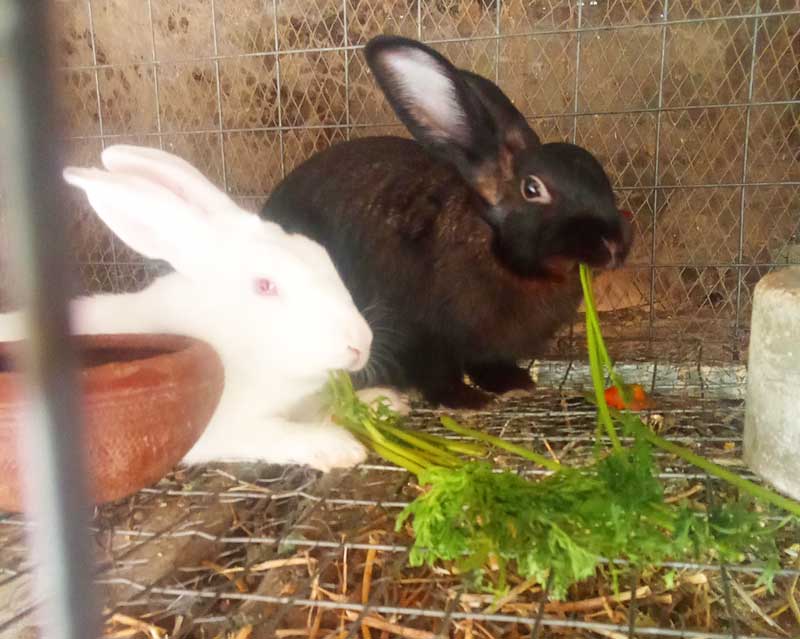
5 Smart Ways Rabbit Farmers Turn Cheap Local Feed into Faster Growth and Bigger Profits
-
Rabbit Farmers Can Turn Cheap Local Feed into Faster Growth and Bigger Profits by Mastering the Power of Fresh Forages (But Do It Right)
Experienced rabbit farmers don’t joke with fresh forage, but they also don’t just cut and throw.
They understand that not all greens are equal, and how you feed them matters just as much as what you feed.
Common local forages you can use:
- Elephant grass
- Guinea grass
- Centro (Centrosema)
- Stylo (Stylosanthes)
- Pawpaw leaves (moderation)
- Sweet potato vines
- Cassava leaves (in moderation)
- Tridax grass
- Bitter leave
- Moringa leaves
- Water leave
- Banana leaves
Never feed fresh-cut forage immediately.
Always wilt it for 4–6 hours to reduce excess moisture and prevent bloating or diarrhoea.
Real-life advantages of local forages:
A farmer feeding properly wilted forage can cut concentrate feed by up to 30–40%, while still maintaining good growth.
Related article:
Utilizing Small Space to Make Big Profit, the Hidden Economic Power of Backyard Rabbit Farming
7 Key Advantages and Importance of Constructing a Rabbit Hutch Using Wire Gauze and Rod
3 Secrets that will help you Become More Successful in Rabbit Farming
-
Rabbit Farmers Can Turn Cheap Local Feed into Faster Growth and Bigger Profits by Turning Market Waste into Rabbit Feed, which is Cheap and affordable
This is where smart farmers really win.
Instead of buying expensive feed daily, they build relationships with:
- Vegetable sellers
- Fruit vendors
- Local markets
- Get carrot leaves for carrot sellers, very cheap and palatable to rabbits
What to collect:
- Carrot tops
- And carrot leaves
- Cabbage outer leaves
- Lettuce leftovers
- Watermelon peels ( in moderation)
- Banana peels
But here’s the key:
Don’t just feed everything blindly.
A smart rabbit farmer will always:
- Wash to remove dirt and chemicals
- Avoid rotten or mouldy waste
- Mix with dry feed (hay or pellets) to balance moisture
Why this works:
These “wastes” are actually rich in vitamins and water, helping rabbits grow faster and stay hydrated, especially during dry seasons.
Related article:
My Rabbits Are Not Producing Again! 5 Hidden Reasons Your Does Refuse to Get Pregnant

-
Rabbit Farmers Can Turn Cheap Local Feed into Faster Growth and Bigger Profits by Always Combining Hay with Fresh Feed for Balanced Growth
Many farmers ignore hay, but experienced ones know it’s a secret weapon to rabbit farming success.
Hay (dried grass) helps:
- Improve digestion
- Prevent diarrhea
- Reduce feed waste
- Support steady weight gain
Good local hay options:
- Dried guinea grass
- Dried leguminous plant (cowpea and groundnut)
- Dried grasses
- Groundnut haulms
Practical feeding strategy:
- Morning: Hay + small concentrate
- Afternoon: Fresh forage
- Evening: Concentrate + little forage
Rabbits fed with a mix of hay + fresh forage + small concentrate grow more steadily and have fewer health issues.
Related article:
The 3 Best Daily Feeding Rabbits Habits to Boost Rabbit Growth, Immunity, and Reproduction
10 Signs and Behavioral Patterns That Show All Is Not Well with Your Rabbits
-
Rabbit Farmers Turn Cheap Local Feed into Faster Growth and Bigger Profits by Formulating Simple Homemade Feed Mix
Buying commercial rabbit pellets all the time can drain your pocket.
Smart rabbit farmers reduce costs by mixing their own feed using local ingredients.
Simple example of a low-cost mix:
- Maize bran
- Wheat offal
- Groundnut cake (or soybean meal)
- Bone meal
- Salt (small quantity)
Why this make sense:
- You control quality
- You reduce cost
- You can adjust based on availability
Important tips:
Don’t guess, always maintain basic balance:
- Energy (maize, bran)
- Protein (groundnut cake, soybean)
- Minerals (bone meal)
A farmer who switches to partial homemade feed can reduce feeding cost by 20–35%, especially when ingredients are sourced locally.
Related article:
5 Solid Ways You Can Feed Your Goats and Maintain Good Health throughout Their Rearing Period
5 Game-Changing Reasons Turkeys Are More Profitable and Easier to Manage Than Other Birds
- Don’t Joke with Clean Water (It Boosts Feed Efficiency!)
This one looks simple, but it’s often ignored.
Even if you give the best feed, a lack of clean water will slow growth.
What experienced rabbit farmers do:
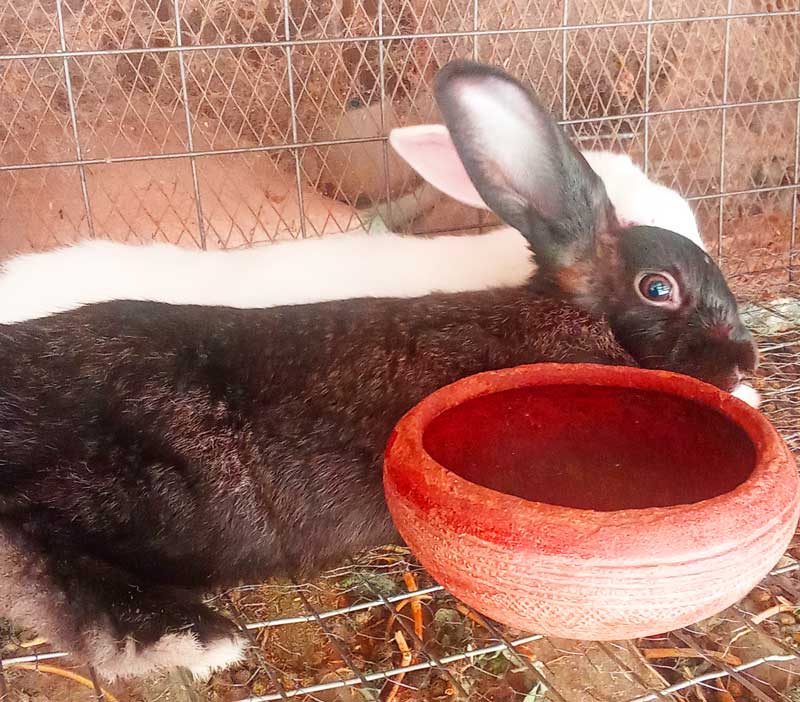
- Provide fresh, cool, clean water at all times
- Change water at least once or twice daily
- Keep drinkers clean to avoid disease
Why it matters:
- Rabbits eat more when water is available
- Better digestion = better weight gain
- Prevents heat stress and dehydration
Simple truth:
Feed without water is wasted feed.
Consistency is the Real Secret to successful rabbit farming
You can have the best feeding plan, but if you’re not consistent, results will disappoint you.
Smart rabbit farmers always:
- Feed at the same time daily
- Maintain routine
- Observe their rabbits closely
Because sometimes, small changes in appetite are early warning signs.
Conclusion
Rabbit farming is not about spending the most; it’s about using what you have wisely.
When you use:
- Use local forage
- Tap into market waste
- Balance with hay
- Mix your own feed
- Provide clean water
You create a system where:
– Cost goes down
– Growth goes up
– Profit increases
That’s the real game.
Start small, apply these strategies one by one, and watch how your rabbitry transforms into a more efficient and profitable farm operation.


