Did You Just Buy a Cow For Fattening? 4 Essential Cow Fattening Health Management Steps to Take Immediately
Buying a cow from the cattle market for fattening can feel like the beginning of making good money.
You look at the animal, picture the weight gain, calculate the possible profit, and start imagining the day you sell at a better price.
For many backyard cattle fatteners and small-scale farmers, this is how the journey begins.
But here is the truth: many people learn the hard way: the real work starts the moment that cow enters your farm.
A lot of farmers make one costly mistake; they buy a cow from the market and immediately mix it with other cattle or start feeding heavily without paying attention to its health condition. That mistake can cost money, time, and even the life of the animal.
The cattle market is a meeting point for animals from different places. Some come from long-distance transport, some are stressed, some are carrying infections, and some have hidden parasite burdens.
A cow may look healthy outside and still be carrying internal problems.
In practical cattle fattening, profit is not just about buying cheap and selling high. Profit starts with protecting the health of the animal from day one.
If you want to succeed in cow fattening as a business and a reliable source of livelihood, these four health steps are not optional. They are part of the foundation.
-
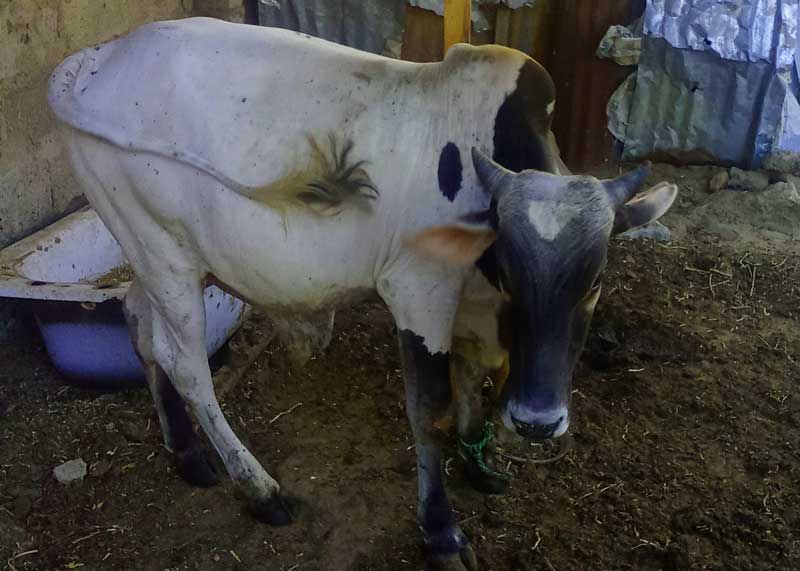
Cow Fattening Health Management steps is to quarantine the Cow, don’t rush to Mix It
This is the first and most overlooked step in Cow Fattening Health Management.
When you buy a cow from the market, avoid the temptation to put it together with your other animals immediately.
Keep it isolated.
Quarantine simply means keeping the newly purchased cow separately for observation for at least 7–14 days, and if possible, up to 21 days.
Why is this important?
Because many diseases do not show signs immediately.
A cow may be carrying problems like respiratory infections, skin infections, diarrhoea-causing organisms, or parasite infestations without obvious symptoms.
Imagine buying one cow and introducing disease into your entire herd.
That is how many farmers lose money.
I have seen cases where one newly purchased cow infected three others with severe cough and fever within one week. The treatment cost was higher than the expected profit.
During quarantine, watch for:
- Loss of appetite
- Coughing
- Nasal discharge
- Weakness
- Diarrhea
- Excessive scratching
- Swollen body parts
- Abnormal movement
This period also helps the cow recover from transport stress.
Transport stress is real.
Some cattle travel for hours or even days before reaching the market. Stress weakens immunity, and once immunity drops, disease can set in.
Practical farm tip:
Prepare a simple quarantine pen before going to buy cattle. It does not have to be expensive. A clean, dry, secure corner can do the job.
Think of quarantine as insurance.
A small delay can save you a big loss.
Related article:
A Practical Step-by-Step Guide to Profitable Cow Fattening Business in Just 3–6 Months
Working a 9–5 but Need Extra Income? 3 Strategic Cow Fattening Ideas That Build Wealth on the Side
5 Proven Dry-Season Cow Fattening Secrets Every Smart Farmer Uses to Get Quick, Excellent Results
-
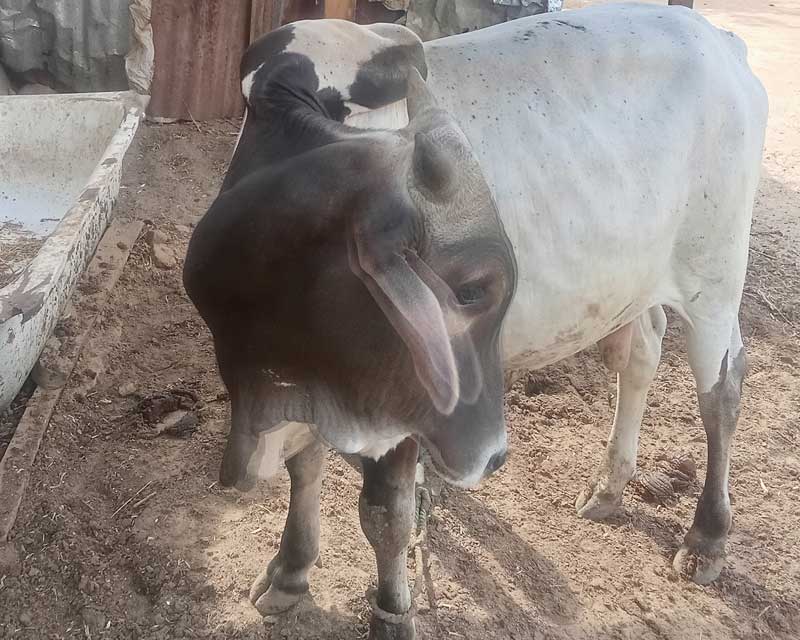
Cow Fattening Health Management step is to: Deworm Immediately, Internal Parasites Steal Your Profit
This step is too important to ignore.
Most cattle from open markets have parasite loads.
Internal parasites like worms are silent profit killers.
They compete with the animal for nutrients.
You may be feeding expensive feed, but the worms are eating first.
That means slower weight gain.
That means wasted feed.
That means reduced profit.
Related article:
5 Ways You Can Start a Small-Scale Cow Fattening Business Right from Your Backyard
How to Start Cow Fattening Business: Using What Your Farm Already Produces To Feed Your Cows
6 Vital Points to Be On the Lookout for When Buying a Cow for Fattening
Signs of worm infestation may include:
- Rough hair coat
- Weight loss
- Pot belly
- Weakness
- Pale eyes
- Poor feed conversion
Even if the cow looks fine, deworming after purchase is a smart management practice.
A good deworming program helps the animal use the feed better.
And in fattening, feed efficiency is everything.
If your cow eats and converts feed properly, weight gain improves faster.
Many experienced fattening farmers deworm immediately after purchase and repeat based on veterinary advice, usually after 6–8 weeks, depending on the management system.
Do not guess the drug.
Use quality dewormers and proper dosage according to weight.
Underdosing can reduce effectiveness.
Overdosing can create problems.
If you are not sure, ask a livestock extension officer or veterinarian.
One simple truth:
A dewormed cow gains weight faster and better than a worm-loaded cow.
Related article:
4 Unique Advantages of Cow Fattening You Need To Know
7 Ways You Can Use Good Nutrition and Health Care Practices in Taming Your Cow
How to Engage In Profitable Sheep Fattening For Maximum Profits
-
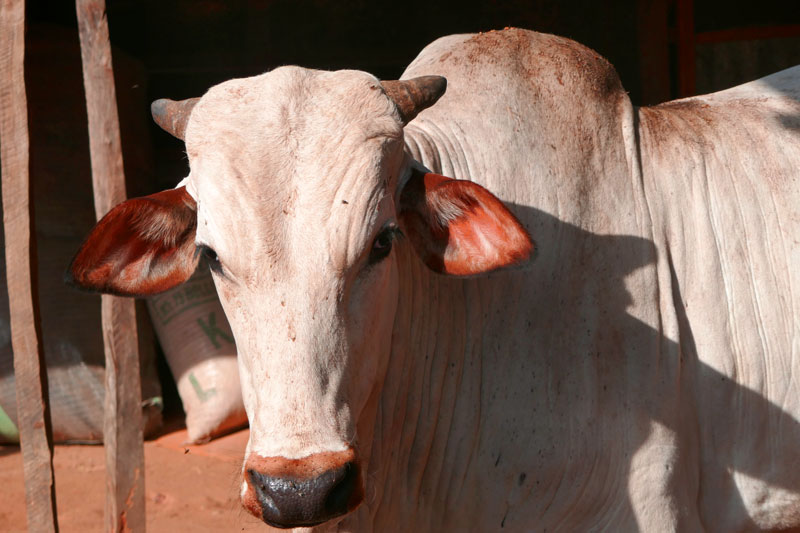
Cow Fattening Health Management step entails the Control of both external and Internal Parasites with Ivermectin
This is where many smart fattening farmers have an advantage.
Deworming handles many internal worms, but ivermectin helps fight both internal and external parasites.
That includes:
- Ticks
- Mange mites
- Lice
- Some internal worms
Why is this important?
Ticks are not just irritating.
They spread diseases.
They suck blood.
They reduce comfort.
They reduce feeding time.
A cow that is constantly uncomfortable will not feed well.
And poor feeding means poor weight gain.
Mange and lice can also cause skin damage and stress.
Stress affects productivity.
A stressed animal burns energy instead of building flesh.
That is bad for fattening.
Administering ivermectin after purchase helps clean up hidden parasite problems.
Many cattle market animals have mixed parasite challenges because of exposure to different environments.
Ivermectin can be a powerful cleanup tool.
But timing matters.
Some farmers administer it after the animal settles for a day or two and has access to water and feed.
That helps reduce stress.
Important advice:
Always follow veterinary guidance on dosage and withdrawal period.
Withdrawal period matters if you are planning to sell or slaughter within a certain period.
Never ignore that.
A healthy skin and parasite-free body usually support better performance.
And better performance means better market value.
Related article:
Is Your Farm a Target? 6 Powerful Farm Security Tips to Keep Thieves and Intruders Out
10 Profitable Farm Businesses Young People Are Ignoring
-
Cow Fattening Health Management Step 4: Boost Recovery with Multivitamins and Proper Observation
This step may look small, but it makes a difference.
After market stress, transport stress, exposure to heat, dehydration, and environmental change, the cow needs support.
This is where multivitamins help.
Multivitamins help in:
- Appetite improvement
- Recovery from stress
- Immunity support
- Better body response to feeding
- Energy restoration
This is especially useful during hot weather.
Heat stress affects cattle more than many farmers realise.
A stressed cow often reduces feed intake.
Less feed means slower fattening.
Sometimes the animal is healthy but weak from stress.
That is why supportive care matters.
But multivitamins alone are not enough.
Observation is equally important.
Spend time watching the animal.
A serious cattle fattener should observe:
- How it eats
How it drinks
How it stands
How it walks
How it breathes
How it passes dung
Simple observation can help you detect problems early.
Early detection saves money.
Late treatment costs more.
A farmer who pays attention usually loses less.
One backyard fattener once noticed that his newly purchased bull was chewing slowly and dropping feed.
On checking, there was a mouth injury affecting feeding. Early treatment prevented weight loss.
That is the power of observation.
Vaccination Assessment Matters in Cow Fattening Health Management
Even though this article focuses on four major immediate health steps, vaccination should also be discussed.
Find out the vaccination history if possible.
Some market animals have unknown health backgrounds.
Discuss with your vet whether vaccines for common local and endemic diseases are necessary.
Prevention is always cheaper than treatment.
Why These 4 Steps Matter in Cow Fattening Business
Cow fattening is a business.
Not gambling.
Every kilogram of weight matters.
Every bag of feed costs money.
Every day counts.
If your animal falls sick after purchase, you may lose:
- Feed investment
Treatment money
Time
Expected market opportunity
Good health management protects profit.
Think about it like this:
If you buy a cow for ₦400,000 and spend months feeding it, poor health management can reduce your expected profit by ₦50,000 to ₦150,000 or more.
That is serious money.
But simple preventive health actions can reduce risk greatly.
Successful fattening farmers know this.
They don’t wait for sickness.
They prepare for health.
Common Mistakes Farmers Should Avoid After Buying a Cow
- Feeding too much immediately
- A stressed cow may not handle sudden heavy feeding.
- Introduce feed gradually.
- Allow adjustment.
- Ignoring water intake
- Clean water is critical.
- Dehydration slows recovery.
Related article:
5 Smart Ways Rabbit Farmers Turn Cheap Local Feed into Faster Growth and Bigger Profits
No Action in the Hutch? 5 Smart Steps to Take When Your Rabbits Won’t Mate
Planning a Livestock Farm and How to Make It Profitable
- No health check
Ensure that you check:
- Temperature
- body condition
- skin
- dung
- And appetite.
- Buying based only on size
A big body does not always mean healthy.
Health first.
Weight gain follows.
Conclusion
Buying a cow from the market is exciting, especially when you see the profit potential. But the mistake many farmers make is focusing only on feeding and forgetting health.
The first few days after purchase can determine your success.
- Quarantine protects your herd.
- Deworming improves feed efficiency.
- Ivermectin reduces parasite burden.
- Multivitamins and observation strengthen recovery.
These are not complicated steps.
- They are practical.
- affordable
- effective
And they can make the difference between profit and loss.
If you are serious about turning cow fattening into a stable income source or family livelihood, build your system on preventive health management.
Because in cattle fattening, healthy cows grow faster, eat better, and sell better.
And that is where real profit lives.