
5 Reasons Why Some Goat Farmers Succeed and Make a Profit Fast, While Others Keep Struggling
As a newbie, goat farming looks simple from the outside. Many people see goats eating almost anything, roaming around freely, and reproducing quickly, so they assume profit will come easily. But the truth on the ground is very different.
Two farmers can start goat farming in the same month with almost the same amount of money, yet one farmer begins to expand within a year, while the other continues to battle sickness, poor growth, losses, and frustration.
So what really makes the difference?
Why do some goat farmers succeed and make a profit fast, while others keep struggling year after year?
The answer is not luck.
Most of the time, the difference comes from management, knowledge, feeding, housing, supervision, and the quality of the goats being raised.
Let us look at five major reasons behind the success or failure of many goat farms today.
-
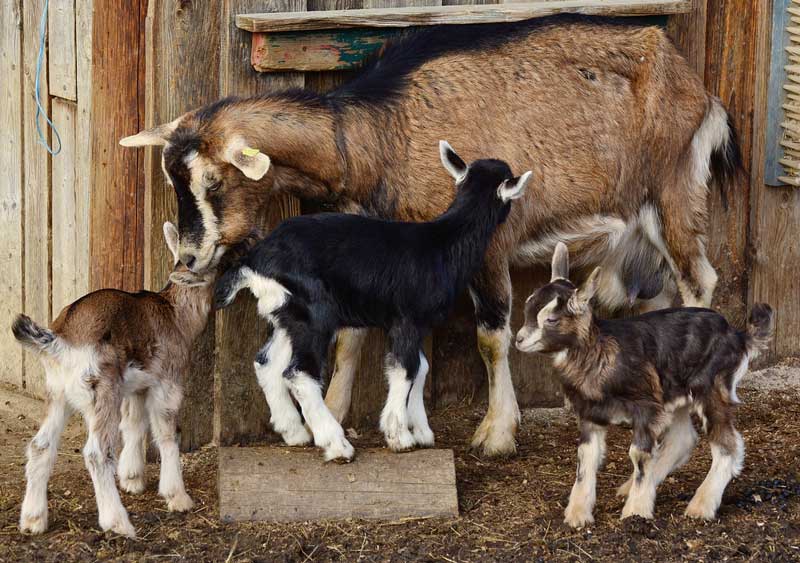
Why Goat Farmers Succeed is the fact that they Can Provide A Good Environment
One of the biggest mistakes struggling goat farmers make is ignoring the environment where their goats live.
Many people invest money in buying goats, but forget that the environment can either help the goats grow well or slowly destroy their health.
A dirty, wet, overcrowded, or poorly ventilated pen is a disaster waiting to happen.
Goats naturally hate dirty and damp environments. Unlike some animals that tolerate wet conditions, goats prefer dry and clean surroundings.
Once their pen is constantly wet, muddy, or filled with droppings, diseases begin to spread quickly.
You may notice:
- Persistent coughing
- Foot rot
- Parasite infestation
- Poor appetite
- Slow weight gain
- Frequent diarrhea
- Sudden death in kids
A farmer may keep treating goats every week without realizing the environment itself is the main problem.
Imagine keeping ten goats inside a cramped pen built for four goats. Heat builds up quickly. Ammonia from urine increases.
Air circulation becomes poor. Stress rises. Before long, sickness begins to move from one goat to another.
Successful farmers understand that a clean environment is not a luxury; it is part of production.
Many profitable goat farmers make it a routine to:
- Sweep pens daily
- Remove wet bedding immediately
- Disinfect regularly
- Ensure good drainage
- Allow proper ventilation
- Avoid overcrowding
Some even raise the goat house slightly above ground level to reduce moisture buildup.
A healthy environment reduces treatment costs, improves feeding efficiency, and allows goats to grow faster.
In commercial goat farming, poor housing alone can silently consume your profits.
Related article:
Why Smart Farmers Prefer Castrated Goats: 5 Surprising Benefits You Can’t Afford to Miss
How to Indulge in Goat Feeding Sustainably: In an Affordable, Nutritious, and Eco-Friendly Way.
-
Another Reason why goat farmers succeed is that they focus on Good Feeding Instead of “Anything goes” That is what makes them profitable goat farmers
One dangerous belief many people have is that goats can survive on anything.
Yes, goats are hardy animals, but survival is not the same thing as profitable production.
A goat that merely survives will not give you fast growth, good reproduction, quality meat, or strong kids.
Many struggling farmers feed goats carelessly:
- Dry cassava peels only
- Poor-quality hay
- Moldy feed
- Excess kitchen waste
- Spoiled grains
- Roadside grasses exposed to contamination
Then they wonder why their goats look thin, weak and dying.
Successful goat farmers understand one simple truth:
Good feed equals good money.
Healthy feeding improves:
- Weight gain
- Fertility
- Milk production
- Immunity
- Market value
- Kid survival rate
A well-fed goat reaches market size faster than a poorly fed one.
One farmer may spend eight months trying to fatten a goat while another farmer achieves better weight in five months simply because of proper nutrition.
Good goat feeding should include:
- Fresh grasses
- Legumes
- Browse plants
- Clean water
- Mineral supplements
- Concentrates when necessary
Farmers who succeed commercially also pay attention to feeding balance.
Too much carbohydrate without protein leads to poor muscle development.
Too little mineral supplementation may cause weak bones, poor fertility, and low immunity.
Good feeding is not always about expensive feed. Sometimes it is about proper planning and consistency.
A farmer who plants elephant grass, gliricidia, leucaena, or other forage crops around the farm may reduce feeding costs greatly while maintaining quality nutrition.
Meanwhile, careless feeding keeps many farmers trapped in slow production and repeated losses.
Related article:
Getting Started with Goat Farming Business: A Beginner’s Guide for Smallholders
How to Keep Your Goat Healthy Throughout the Rainy Season
5 Solid Ways You Can Feed Your Goats and Maintain Good Health throughout Their Rearing Period
- Some Farmers Ignore Mycotoxins and Hidden Feed Dangers
This is one problem many goat farmers overlook completely, and goat farmers who succeed take this issue very seriously.
A farmer may buy feed that looks normal on the outside, yet the feed is slowly poisoning the animals.
Mycotoxins are harmful substances produced by moulds and fungi that grow on poorly stored feed ingredients.
They are commonly found in:
- Moldy maize
- Wet groundnut cake
- Spoiled bran
- Damp feed bags
- Poorly stored concentrates
Many farmers do not even know these toxins exist.
They simply notice that:
- Goats stop growing properly
- Appetite reduces
- Fertility drops
- Pregnant goats abort
- Immunity becomes weak
- Death rate increases gradually
The painful part is that treatment may not solve the problem if contaminated feed continues.
Some farmers lose money quietly because the goats never perform to their full potential.
This is one reason two farms feeding “similar feed” may produce very different results.
The careful farmer checks feed quality closely.
Successful goat farmers avoid:
- Feed with foul smell
- Caked feed
- Wet or mouldy ingredients
- Long-stored concentrates exposed to moisture
They store feed in dry conditions and maintain proper ventilation in feed stores.
Some commercial farmers even use toxin binders in feed to reduce risks.
This may sound like a small issue, but hidden feed contamination destroys many goat farms silently.
A goat may eat contaminated feed today and show problems weeks later.
By then, the farmer may wrongly blame the weather, witchcraft, especially in Africa, or disease outbreaks.
Related article:
8 Solid Ways Goat Farming Can Lift You Out of Poverty
Why Some Farmers Get It Wrong In Goat Farming
-
One Important Reason Goat Farmers Succeed is their ability to do Proper Research Before and During Farming
One major reason many goat farmers succeed today while others struggle is the lack of proper research.
Some people enter goat farming because they heard:
- “Goat farming is profitable.”
- “Goats multiply fast.”
- “There is money in livestock.”
But they never study the business properly.
They buy goats first and begin asking questions later.
That approach is dangerous.
Goat farming is not just about keeping animals inside a fence.
A serious farmer must understand:
- Goat breeds
- Feeding systems
- Common diseases
- Vaccination schedules
- Housing requirements
- Market demand
- Breeding management
- Seasonal challenges
Many struggling farmers do not keep records.
They cannot calculate:
- Feeding cost
- Mortality rate
- Profit margin
- Growth performance
So they keep operating blindly.
Meanwhile, successful farmers constantly learn.
They attend trainings, ask experienced farmers questions, watch educational videos, read livestock materials, and improve their systems gradually.
A smart farmer understands that farming methods that worked 20 years ago may not work efficiently today.
For example, a farmer may discover through research that intensive management gives better weight gain than allowing goats to roam all day freely.
Another may learn that certain local plants are toxic to goats.
Knowledge helps farmers avoid expensive mistakes.
One painful truth in livestock farming is this:
Ignorance is costly.
Some farmers lose entire herds from mistakes that proper research could have prevented.
Related article:
Your Cow Is Fat, but Your Pocket Is Empty: 7 Smart Ways Cow Fatteners Can Beat Market Middlemen
6 Unique Ways You Can Keep Your Cow Healthy During the Fattening Period
-
A Powerful Key Reason Why Goat Farmers Succeed Is the Use of Good Breeds and the Supervision of Farm Operations Properly
This is another area where profitable farmers separate themselves from struggling ones.
Good Genetics Matter
Why some goat farmers succeed today is because they do not buy cheap goats they see in the market without considering:
- Breed quality
- Growth potential
- Fertility
- Disease resistance
- Body structure
Then they expect excellent results.
Genetics matter a lot in goat farming.
A goat with poor genetic makeup may consume feed for months without impressive growth.
Meanwhile, a well-bred goat may grow faster, reproduce better, and convert feed more efficiently.
Successful farmers carefully select healthy breeding stock.
They look for:
- Strong legs
- Bright eyes
- Good body frame
- Healthy coat
- Active movement
- Proper appetite
Commercial farmers also avoid excessive inbreeding because it weakens performance over time.
Good breeds may cost more initially, but they usually return more profit later.
Buying cheap, unhealthy goats often becomes expensive in the long run.
Lack of Supervision Ruins Many Farms
Another hidden problem is poor supervision of farm workers.
Some farm owners live far from the farm and assume everything is running smoothly.
Meanwhile:
- Feed is being stolen
- Goats are poorly fed
- Dirty water is left unchanged
- Sick animals are ignored
- Drugs are misused
- Pens are not cleaned properly
By the time the owner notices, losses have already accumulated.
Many farmers complain:
“My goats are not growing.”
“My feed disappears too fast.”
“Mortality is increasing.”
Yet the real problem may be a lack of proper supervision.
Successful goat farmers monitor operations closely.
Even when they employ workers, they:
- Visit regularly
- Check feed records
- Observe animal behaviour
- Monitor health conditions
- Ensure instructions are followed
Animals cannot speak when something is wrong.
A good farmer must learn to observe carefully.
Sometimes, one neglected sick goat can infect many others before anybody notices.
Good supervision protects investment.
Conclusion
Goat farming can truly be profitable, but profit does not happen automatically.
The Reason goat farmers succeed today is usually not because of magic. Most of them simply pay attention to important details that struggling farmers ignore.
They:
- Maintain clean environments
- Feed goats properly
- Avoid contaminated feed
- Learn continuously
- Use quality breeds
- Supervise farm operations carefully
Meanwhile, many struggling goat farmers keep repeating avoidable mistakes while expecting different results.
The good news is this:
Most goat farming problems can be corrected once the farmer identifies the weak areas.
You do not need to own thousands of goats before becoming successful.
Even a small or medium-scale goat farmer can grow steadily with proper management, patience, consistency, and willingness to learn.
In livestock farming, small daily improvements often produce big long-term profits.
And sometimes, the difference between a struggling goat farm and a thriving commercial operation is simply better decisions made consistently over time.


