
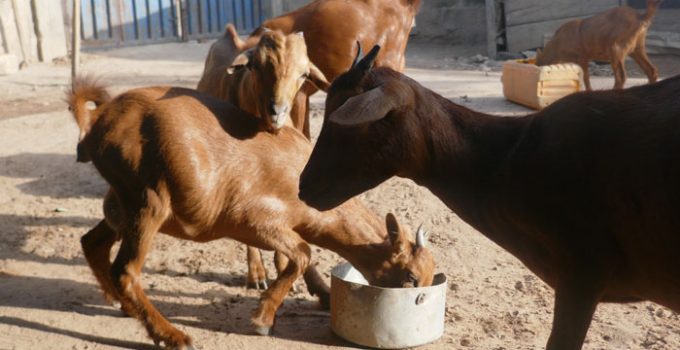
The Biggest Mistake New Goat Farmers Make and How to Avoid It
Goat farming mistakes to avoid
Starting a goat farm is exciting. Whether you are keeping a few goats in your backyard or planning a larger commercial herd, goats can become a reliable source of income, meat, milk, manure, and even breeding stock.
Many new farmers enter goat farming with high hopes. They buy a few goats, build a simple pen, and expect the animals to multiply quickly. Unfortunately, after a few months, some begin to face problems: goats become sick, kids die, growth is slow, and profits disappear.
So what is the biggest mistake new goat farmers make?
The biggest mistake is buying goats before preparing proper housing, feeding, health care, and management.
In simple words, many beginners focus on getting goats first, instead of preparing the farm first.
This article will explain why this mistake is so common, the problems it creates, and the practical steps you can take to avoid it. If you are planning to start goat farming, or you already have a few goats, this could save you a lot of money, stress, and disappointment.
Why New Goat Farmers Rush to Buy Goats
It is easy to understand why beginners rush.
- A friend tells them goat farming is profitable.
- They see healthy goats in the market.
- They want to start quickly before prices rise.
- They believe goats are easy animals that can survive anywhere.
- They assume the goats will “manage themselves.”
So they buy goats first, then begin thinking about housing, feed, water, vaccinations, and record keeping later.
That is where the trouble usually begins.
What Happens When You Buy Goats Before Preparing?
When the farm is not ready, goats may survive for a while, but they rarely perform well.
- Poor housing leads to disease
Goats hate wet, dirty, and poorly ventilated pens.
A new farmer may keep goats in a low muddy area, under a leaking roof, or in a crowded corner of the compound.
Common results:
- Coughing and pneumonia
- Foot rot
- Skin infections
- Internal parasites
- Weak growth
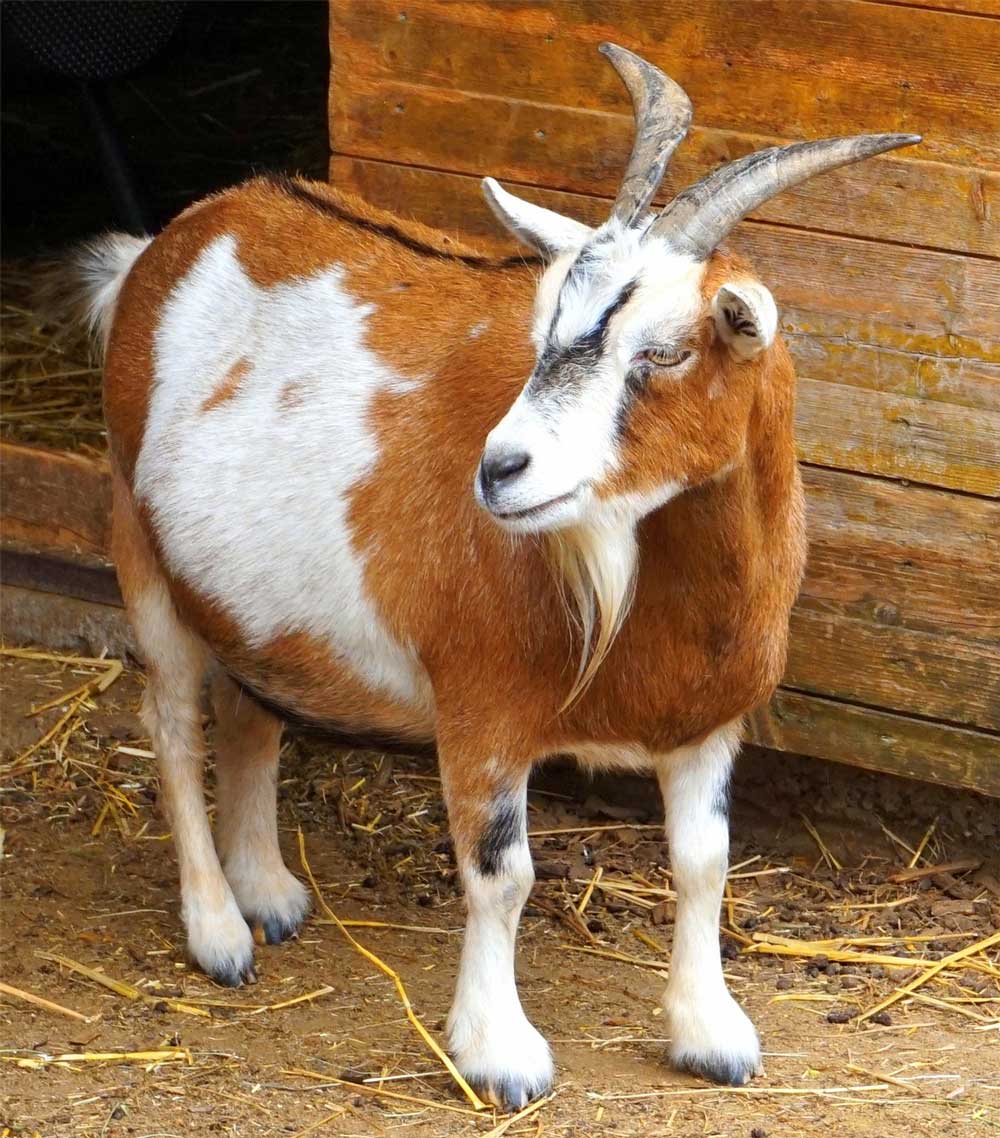
A healthy goat can quickly become a sick goat when the housing is poor.
Related article:
Why Smart Farmers Prefer Castrated Goats: 5 Surprising Benefits You Can’t Afford to Miss
How to Indulge in Goat Feeding Sustainably: In an Affordable, Nutritious, and Eco-Friendly Way.
- Inadequate feeding slows growth
Many beginners think goats can survive only on grass or leaves.
Yes, goats are hardy animals, but they still need:
- Enough forage
- Clean water
- Minerals
- Extra feed during pregnancy and lactation
- Good nutrition for growing kids
Without proper feeding, goats may remain small, thin, and unproductive.
- Parasites become a major problem
One of the biggest hidden enemies in goat farming is internal parasites, especially worms.
If goats are kept on dirty ground, overcrowded pens, or overgrazed pasture, parasites multiply quickly.
Signs include:
- Weight loss
- Pale eyes or gums
- Diarrhea
- Weakness
- Death of young kids
A new farmer may blame bad luck, but the real issue is poor preparation and management.
Related article:
5 Major Ways You Can Use To Maintain Healthy Goats
Caring For Goats during the Raining Season, Best Strategy to Employ.
Caring For Goats during the Raining Season, Best Strategy to Employ.
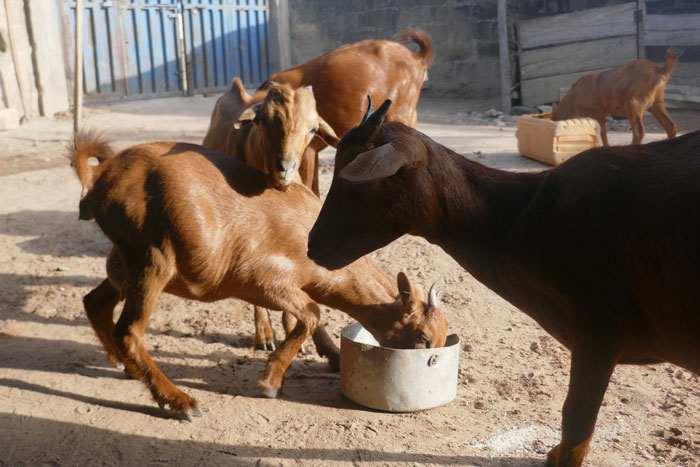
- Kids die unnecessarily
Kid mortality is one of the most painful losses for goat farmers.
Many kids die because:
- The kidding area is dirty.
- The kid becomes cold after birth.
- The mother is weak.
- The kid does not receive colostrum quickly.
- There is no close monitoring.
Losing kids means losing future income.
- Profits disappear
When goats are sick, growing slowly, or dying, the farmer spends money on treatment, replacement animals, and extra feed.
Instead of making a profit, the farm becomes a burden.
The Real Secret: Prepare Before You Buy
Successful goat farmers usually prepare the farm first, then bring in goats.
This simple change makes a huge difference.
How to avoid Goat farming mistakes
- Build proper housing first
Before buying even one goat, make sure the shelter is ready.
A good goat house should be:
- Dry – no standing water.
- Well ventilated – fresh air should circulate.
- Raised if possible – helps keep the floor dry.
- Easy to clean.
- Protected from rain and strong wind.
- Spacious enough for the number of goats.
For small-scale farmers, a simple wooden or concrete pen with a raised slatted floor can work very well.
- Plan the feeding system
Ask yourself:
- Where will the goats get forage?
- Will you cut the grass daily?
- Do you have browse plants?
- Can you store hay for the dry season?
- Will you provide mineral supplements?
Good feeding is cheaper than treating sick goats later.
- Ensure clean water is available
Goats need clean water every day.
Dirty water can spread disease and reduce feed intake.
Always provide fresh water in clean containers.
- Create a simple health plan
Before buying goats, talk to a local veterinarian or livestock extension officer.
Know the schedule for:
- Vaccination
- Deworming
- Tick control
- Disease prevention in your area
- Emergency treatment
Do not wait until goats are already sick.
Related article:
How to Engage In Profitable Sheep Fattening For Maximum Profits
5 Solid Ways You Can Source Goats for Your Farm
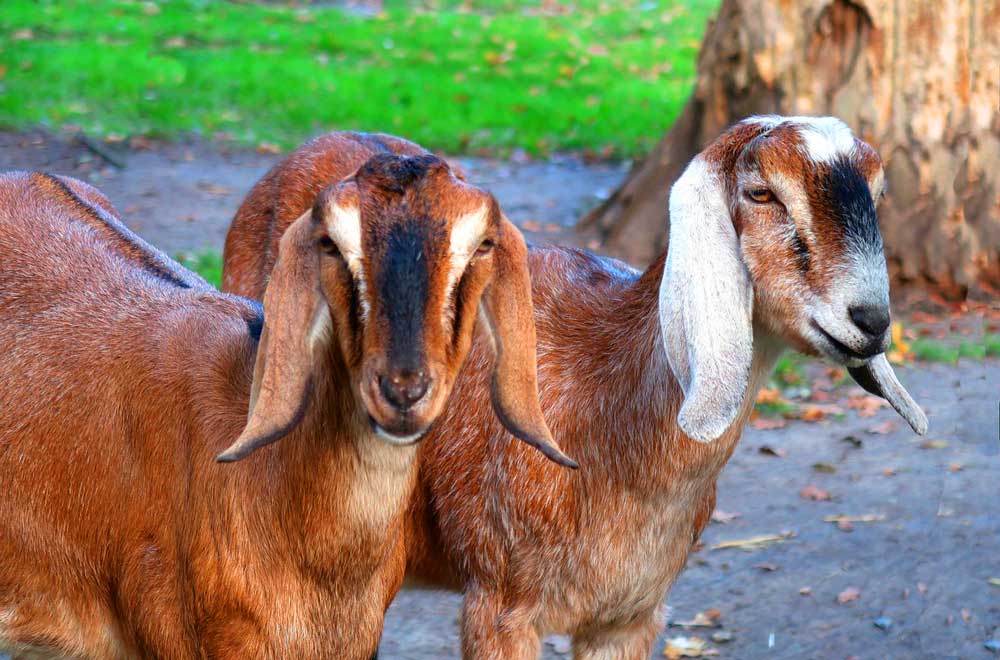
- Start with healthy breeding stock
When buying goats, choose healthy animals.
Look for:
- Bright eyes
- Good body condition
- Smooth coat
- No coughing
- No diarrhea
- Strong legs
- Active movement
Avoid buying the cheapest, weak goats just because they are affordable.
Cheap sick goats often become expensive later.
- Start small
This is one of the best pieces of advice for beginners.
Start with a manageable number of goats.
For example:
- 2–5 does and 1 buck
- Or 3–4 young goats for fattening
Learn management first before expanding.
Many farmers lose money because they start too big too soon.
A Real-Life Simple Experience
A farmer decides to start goat farming with 10 goats.
He buys the goats immediately because the market price looks good.
But:
- The pen is not finished.
- The floor becomes muddy during rain.
- Feed is not planned.
- Deworming is delayed.
- Two kids die.
- Several goats lose weight.
After six months, the farmer is discouraged.
Another farmer prepares first:
- Builds a dry shelter.
- Plants forage grass.
- Stores hay.
- Gets vaccination advice.
- Starts with 4 healthy does.
After one year, the goats are healthy, the kids survive, and the herd begins to grow.
The difference is not luck. The difference is preparation.
The Simple Checklist Before Buying Goats
Use this checklist before bringing goats home:
- Housing is ready.
- Pen is dry and ventilated.
- The feed source is available.
- Clean water is available daily.
- A mineral supplement is planned.
- The vaccination schedule is known.
- The deworming plan is ready.
- Veterinary contact is available.
- Budget for feed and health care is available.
- You are starting with a manageable number.
If most of these are not ready, delay buying goats.
That delay can save you from major losses.
CONCLUSION
Goat farming can be rewarding, but goats are not “set and forget” animals.
The biggest mistake new goat farmers make is buying goats before preparing proper housing, feeding, health care, and management.
The good news is that this mistake is easy to avoid.
Prepare first. Buy later.
Build the shelter, plan the feed, arrange water, learn the health schedule, and start small.
When you do this, your goats are more likely to stay healthy, grow faster, reproduce better, and bring profit instead of frustration.
In goat farming, success usually begins before the goats arrive.
If you are planning to start goat farming, remember this simple rule:
“Do not prepare because you bought goats. Prepare first, then buy goats.”
That single decision can save you money, reduce losses, and help you build a healthy, profitable goat farm.


