Complete Guide to Broiler Farming During Rainy Season: 9 Proven Ways to Prevent Coccidiosis, Fowl Pox, Disease, Dampness, and Deadly Losses
Broiler farming during rainy season can be both a blessing and a curse for broiler farmers. While the weather is cooler and water is readily available, it also creates conditions that can quickly turn a healthy flock into a sick and unprofitable one.
Many farmers experience slow growth, increased mortality, disease outbreaks, poor feed conversion, and rising medication costs when they engage in Broiler farming during rainy season.
In some cases, weeks of hard work and investment can be wiped out by a preventable disease outbreak.
The good news is that successful broiler farming during the rainy season is possible.
With proper management and attention to detail, you can keep your birds healthy, comfortable, and growing rapidly despite the challenges that come with wet weather.
Let’s explore why broilers struggle during the rains and the practical steps you can take to prevent disease, dampness, and costly losses.
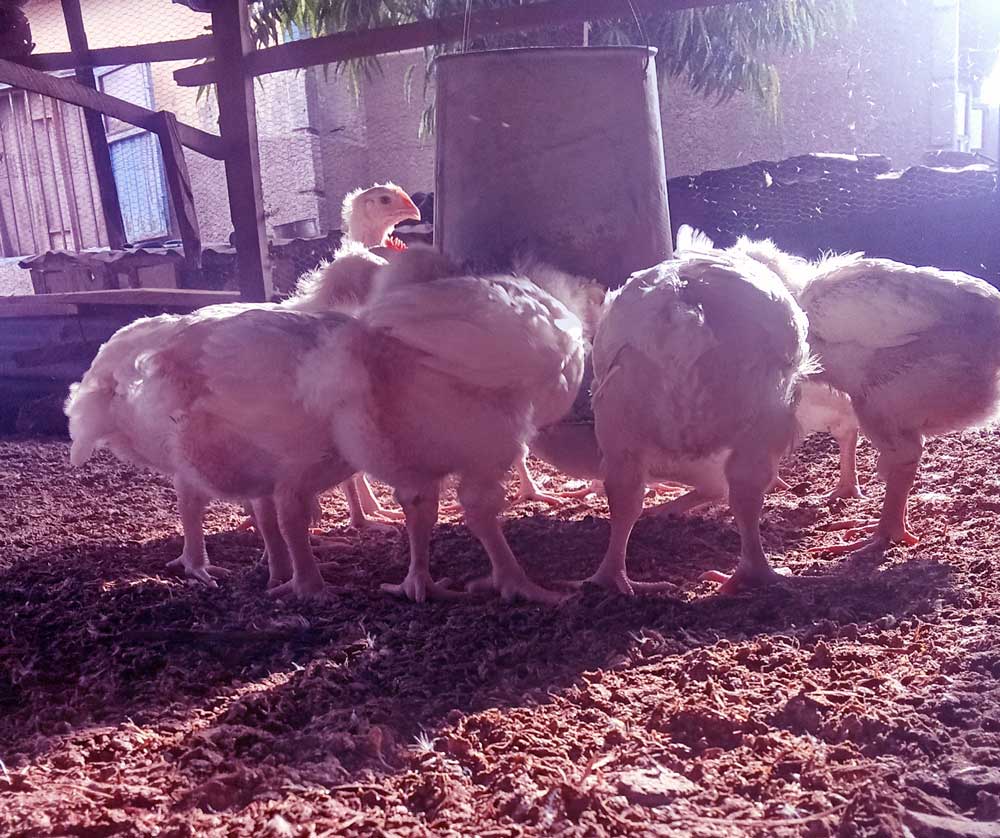
Why Broiler farming during rainy season Is Challenging for Broiler Farmers
Rain brings increased humidity, damp litter, poor ventilation, and a higher population of disease-causing organisms.
Bacteria, viruses, fungi, parasites, and disease-carrying insects thrive in moist conditions.
When broilers are constantly exposed to wet litter and poor air quality, their immune systems become stressed, making them more vulnerable to disease.
Common rainy season challenges include:
- Wet and damp litter
- Coccidiosis outbreaks
- Respiratory infections
- Bacterial diseases
- Fowl pox transmission
- Increased ammonia buildup
- Feed spoilage
- Slower growth rates
- Higher mortality
Fortunately, these problems can be greatly reduced through good management.
-
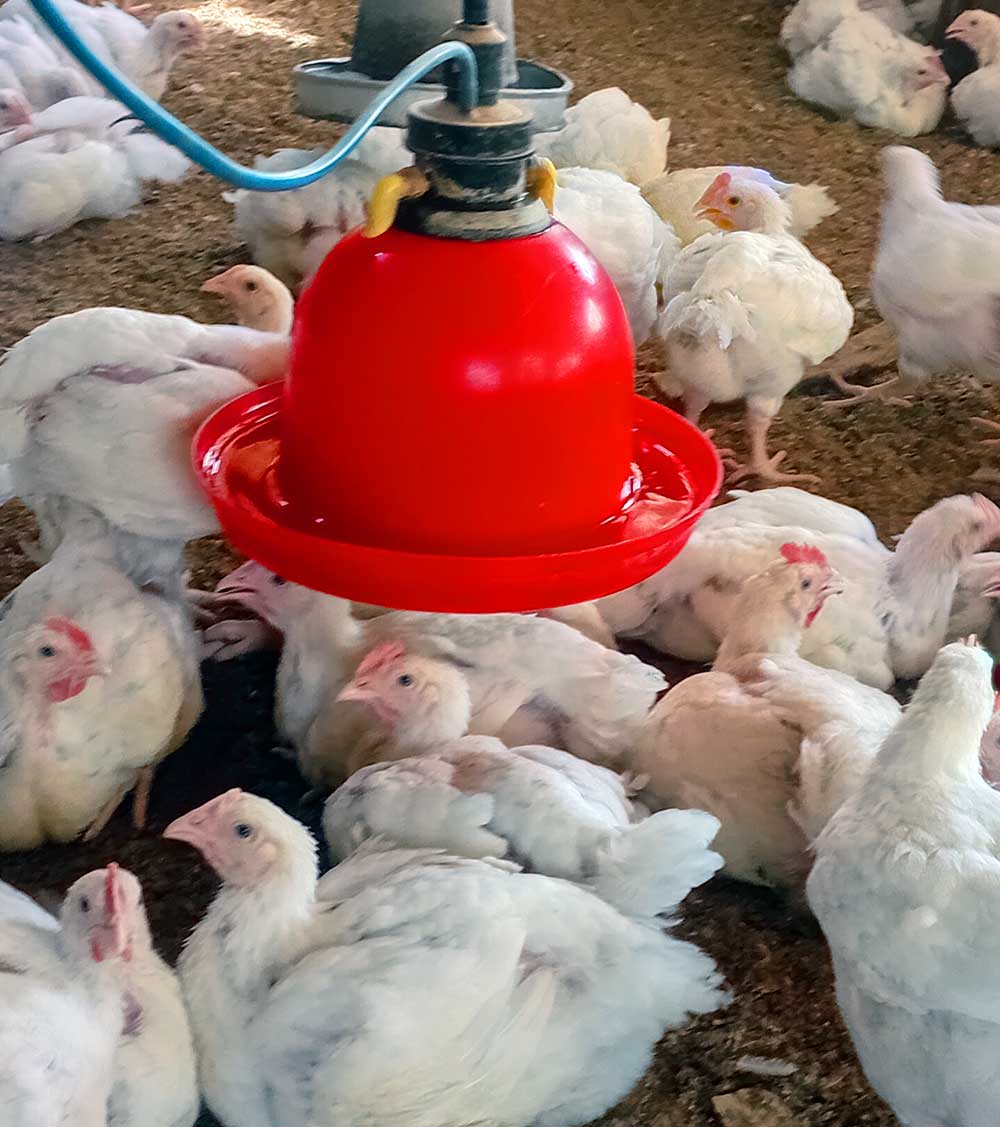
To be successful in Broiler farming during rainy season, ensure that the Litter is kept Dry at All Times
One of the biggest mistakes farmers make when they engage in broiler farming during rainy season is allowing litter to become damp.
Wet litter creates the perfect breeding ground for harmful bacteria, fungi, and coccidia parasites. It also produces ammonia gas that irritates the birds’ eyes and respiratory system.
A healthy litter should feel loose, dry, and comfortable under your feet.
To keep litter dry:
- Use quality wood shavings or other absorbent bedding materials.
- Replace wet patches immediately.
- Remove litter around leaking drinkers.
- Stir the litter regularly.
- Add fresh bedding when necessary.
Remember, dry litter is one of the cheapest disease prevention tools available to poultry farmers.
Related article:
8 Things Successful Broiler Farmers Never Skip
5 Brutal Reasons Broiler Farmers Struggle to Make Profit (And How you can Fix Them)
Broilers Heat, And Heavy Losses: 5 Painful Lessons That Changed How I Raise Broilers Forever
-
Fix Leaking Roofs Before the Rain Begins is a key disease prevention measure in Broiler farming during rainy season
Many disease problems start with a simple roof leak.
When rainwater drips into the poultry house, sections of litter become wet. These wet spots quickly become breeding centers for bacteria and parasites.
Birds often crowd around dry areas, leading to stress, overheating, and increased disease transmission.
Inspect your poultry house before the rainy season starts.
Check for:
- Broken roofing sheets
- Loose nails
- Cracks in the roof
- Damaged gutters
- Open spaces allowing rainwater entry
Repairing these issues early can save you significant losses later.
- Another Effective Measure Poultry Farmers Can Take Is Improving Ventilation without Creating Drafts
Many farmers close up their poultry houses completely during the rainy season to prevent cold winds.
While this may seem like a good idea, poor ventilation creates another problem.
Moisture accumulates inside the poultry house, increasing humidity and ammonia levels. This creates conditions that favor respiratory diseases.
Good ventilation helps remove:
- Excess moisture
- Harmful gases
- Dust particles
- Disease-causing organisms
Ensure fresh air enters the poultry house while preventing direct cold drafts from blowing onto the birds.
Proper airflow keeps birds healthier and more comfortable.
Related article:
-
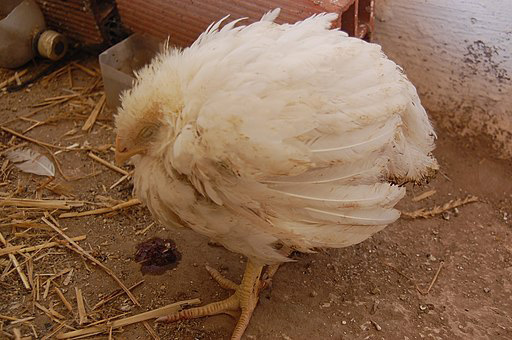
One of the important key measures in Broiler farming during rainy season is the Prevention of Coccidiosis Before It Starts
Coccidiosis is one of the most common and destructive diseases during the rainy season.
It is caused by microscopic parasites that thrive in warm, wet environments.
Signs include:
- Bloody droppings
- Diarrhea
- Weakness
- Poor growth
- Reduced feed intake
- Sudden deaths
The parasite spreads rapidly through contaminated litter.
Prevention is much easier and cheaper than treatment.
To reduce the risk:
- Keep litter dry.
- Avoid overcrowding.
- Maintain strict hygiene.
- Follow your vaccination program where applicable.
- Use approved anticoccidial programs as advised by poultry professionals.
Many farmers only react after seeing symptoms, but by then considerable damage may already have occurred.
-
To be successful in Broiler farming during rainy season, always watch out for Bacterial Infections
The rainy season encourages the growth of harmful bacteria that can affect broilers.
Common bacterial diseases may spread through:
- Dirty drinking water
- Contaminated litter
- Wet environments
- Rodents and wild birds
- Poor sanitation
Affected birds may show:
- Loss of appetite
- Weakness
- Diarrhea
- Difficulty breathing
- Reduced growth
Regular cleaning and disinfection can significantly reduce bacterial pressure on the farm.
Always provide clean drinking water and wash drinkers frequently.
Related article:
Reducing Antibiotic Use in broilers: Natural Ways to Keep Your Birds Healthy.
Paralysis, Lameness in Broiler Chickens, Causes, Prevention and Treatment
Noiler chicken farming guide for success
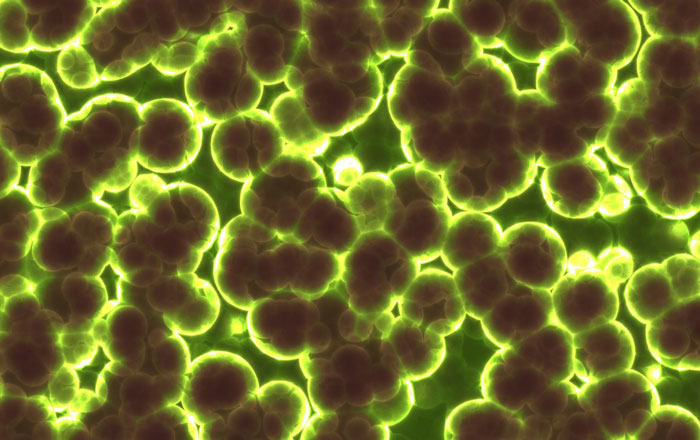
- Control Mosquitoes and Other Insects
Many farmers overlook the role insects play in disease transmission.
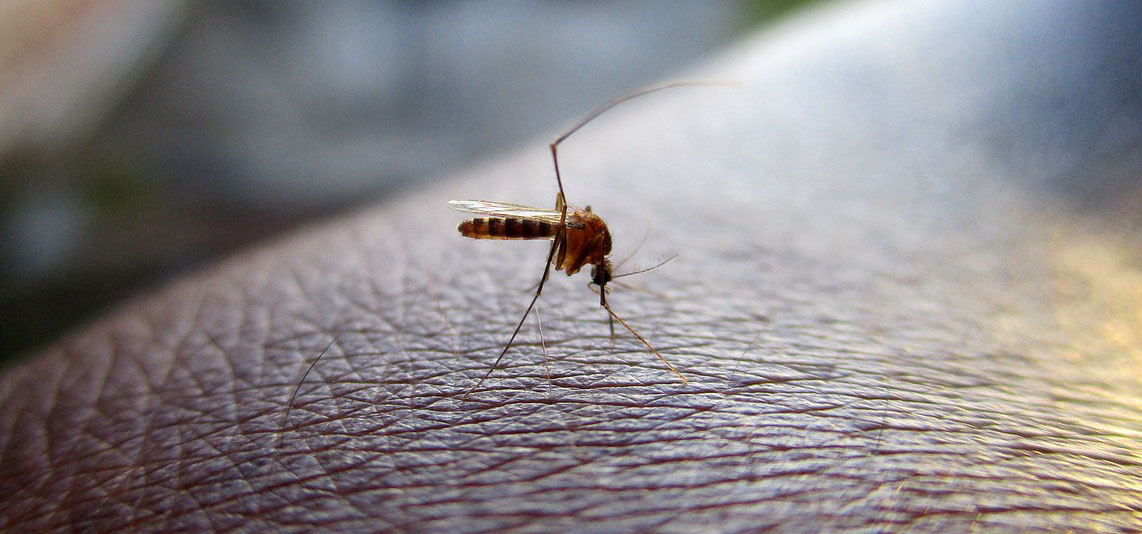
Mosquitoes become more abundant during the rainy season and can spread diseases such as fowl pox.
Fowl pox often appears as wart-like lesions on:
- The comb
- Wattles
- Eyelids
- Unfeathered skin
Affected birds may eat less and grow poorly.
To reduce insect populations:
- Eliminate stagnant water.
- Clear blocked drainage channels.
- Remove containers that collect rainwater.
- Use insect control measures where appropriate.
- Install screens where practical.
Reducing mosquito populations lowers disease risk considerably.
-
When you engage in Broiler farming during rainy season you need to protect your Feed from Moisture and Mold
Rainy season humidity can damage poultry feed quickly.
When feed absorbs moisture, it may develop mold growth.
Moldy feed can produce harmful toxins that affect:
- Growth rate
- Feed efficiency
- Immune function
- Overall bird health
Store feed properly by:
- Keeping bags off the floor.
- Using pallets.
- Ensuring good ventilation.
- Protecting feed stores from leaks.
- Purchasing only quantities that can be used within a reasonable time.
Never feed visibly moldy feed to broilers.
The cost of replacing spoiled feed is far less than the losses caused by sick birds.
-
A very important measure you must take in Broiler farming during rainy season is strengthening your Farm Hygiene and Biosecurity
Disease prevention starts at the farm gate.
Many rainy season disease outbreaks occur because disease organisms are introduced from outside sources.
Good biosecurity practices include:
- Restricting unnecessary visitors.
- Using footbaths.
- Cleaning equipment regularly.
- Isolating sick birds.
- Removing dead birds promptly.
- Disinfecting poultry houses between batches.
Simple biosecurity measures can prevent major outbreaks and save thousands in treatment costs.
Related article:
Feed Is Money: 5 Proven Strategies Successful Poultry Farmers Use to Reduce Feed Waste Every Day
Livestock Goldmine: 6 Smart Agribusiness Ideas Turning Animal Farming into a Job Creation Machine
- Monitor Your Birds Daily
Successful farmers spend time observing their birds every day.
Birds usually show warning signs before a serious disease outbreak occurs.
Watch for:
- Reduced feed intake
- Increased water consumption
- Wet droppings
- Coughing or sneezing
- Huddling
- Poor growth
- Unusual mortality
Early detection allows for quicker intervention and reduces losses.
Walk through the poultry house several times daily and pay attention to any changes in bird behavior.
Simple Daily Habits That Keep Your Poultry House Clean and Dry
Sometimes success comes down to consistency rather than expensive equipment.
Develop these daily habits:
- Remove wet litter immediately.
- Check drinkers for leaks.
- Sweep around entrances.
- Inspect roofing after heavy rainfall.
- Clean feeders and drinkers regularly.
- Remove dead birds promptly.
- Maintain proper stocking density.
- Keep drainage channels open.
These simple actions can dramatically improve flock health during the rainy season.
Conclusion
In fact, broiler farming during rainy season does not have to be a season of losses. In fact, many successful poultry farmers raise excellent broilers throughout the wet months by focusing on management, hygiene, and disease prevention.
The secret is simple: keep your poultry house dry, maintain good ventilation, prevent disease before it starts, and monitor your flock closely.
Remember, wet litter, poor sanitation, leaking roofs, mosquitoes, and contaminated feed are some of the biggest enemies of profitable broiler production during the rains.
By applying these nine proven strategies, you can reduce disease outbreaks, improve growth rates, lower mortality, and increase profitability.
Your broilers may not be able to control the weather, but with proper management, you can control how well they perform during the rainy season.