20 Hacks for Successful Goat Farming: Practical Tips Every Farmer Should Know
Goat farming can be a profitable agricultural business, but keeping goats alive and healthy is only one part of the job.
The real challenge is raising animals that grow well, reproduce successfully and bring money into your pocket without consuming all your savings.
I have seen how small management mistakes can affect a livestock business. A farmer may buy healthy goats, only to lose money because feed is expensive, the animals are poorly housed or diseases spread through the herd.
Another farmer with fewer goats may achieve better results simply by managing them more carefully.
The encouraging thing is that you do not need an expensive farm or sophisticated equipment to get started. Many improvements come from daily habits, good observation and proper planning.
Whether you keep West African Dwarf goats in southern Nigeria, Red Sokoto goats in northern Nigeria or other suitable breeds elsewhere, these 20 hacks can help you make better decisions on your farm.
-
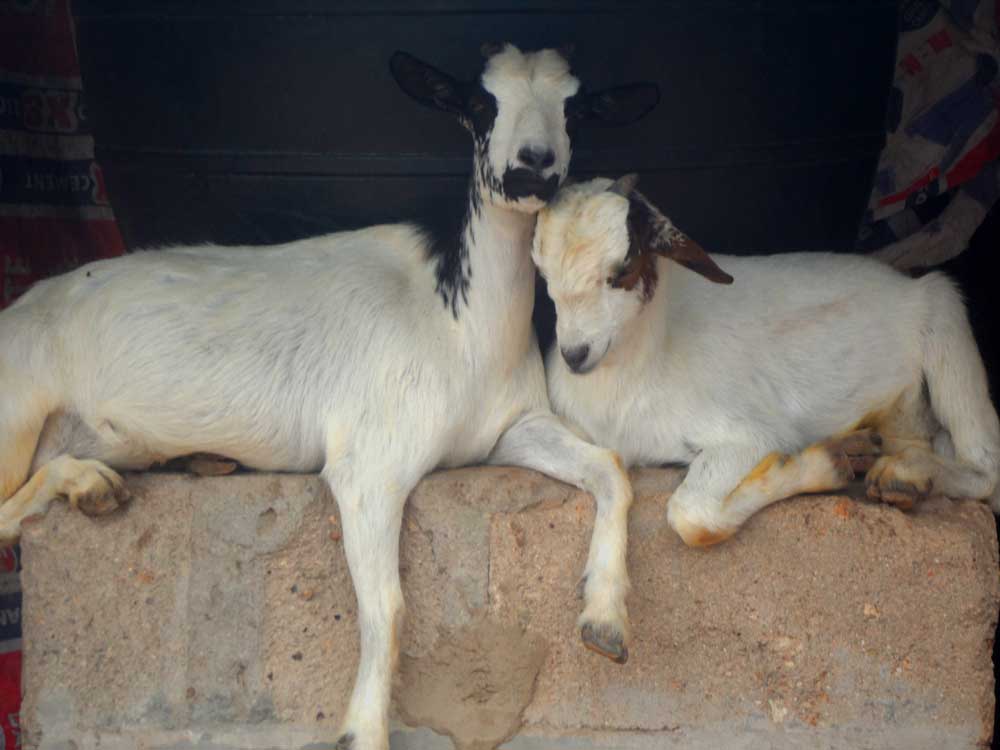
For successful goat farming, always buy healthy goats, not merely cheap goats
When buying goats, do not focus on price alone. A cheap goat with an underlying disease may eventually cost more in treatment and lost production than a healthy animal bought at a fair price.
Look for bright eyes, normal walking, steady breathing, a reasonably smooth coat and good body condition. Check for diarrhoea, coughing, nasal discharge, swollen joints and wounds.
Ask the seller about the goat’s age, feeding history and previous illnesses. Where possible, buy from a reliable farmer who keeps basic health records.
Practical Tips: Take an experienced goat farmer or livestock professional along when buying your first animals. A little guidance at the market can save you considerable money later.
Related articles:
#Affordable Goat Feeds: 7 Secrets to Help Goats Gain Weight and Improve Farm Profit
Why Smart Farmers Prefer Castrated Goats: 5 Surprising Benefits You Can’t Afford to Miss
5 Solid Ways You Can Feed Your Goats and Maintain Good Health throughout Their Rearing Period
-
To have a Successful Goat Farming experience, quarantine new goats before introducing them to the rest of the flock
Imagine bringing home four new goats from a livestock market and immediately mixing them with your existing herd.
A few days later, the older animals begin coughing or developing diarrhoea.
New animals can introduce diseases and parasites into a healthy herd.
Keep newly purchased goats in a separate area for about 21–30 days where practical. Provide separate feeding and watering equipment, observe their health and consult a veterinarian about suitable testing and parasite control.
Do not share contaminated equipment between the new animals and the main herd without proper cleaning.
- Always keep the goat house dry and well ventilated
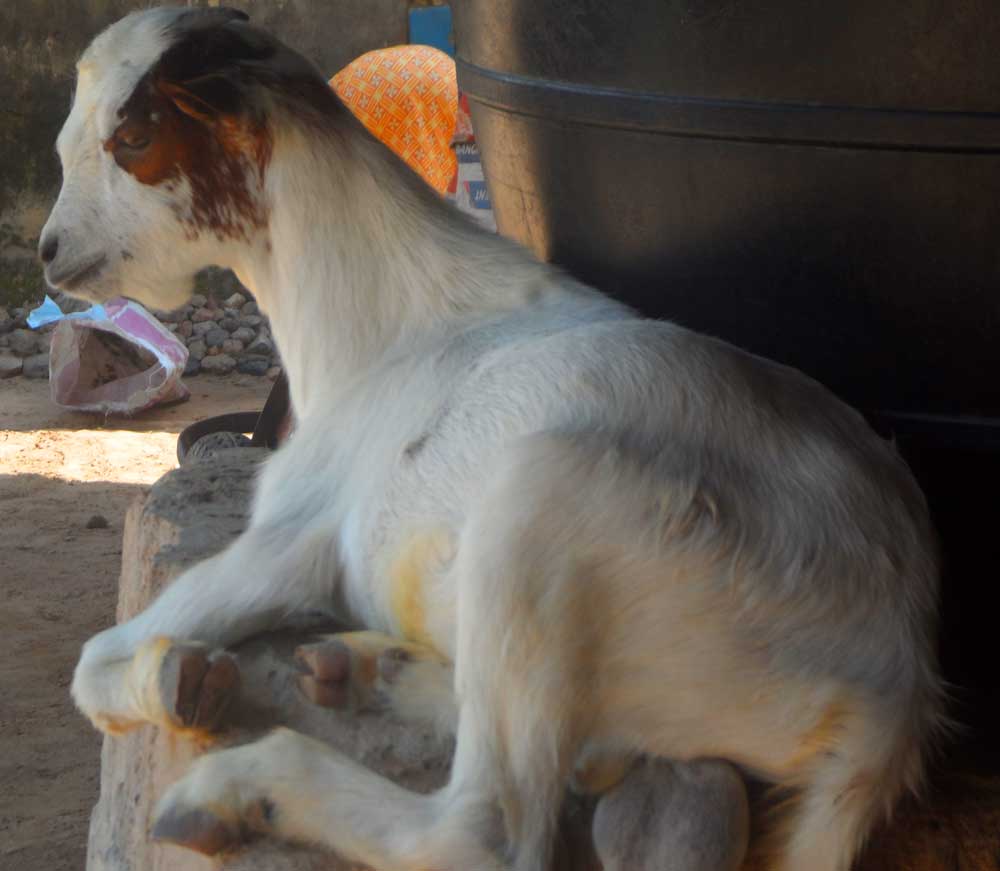
Goats need shelter from heavy rain, strong winds and excessive heat. However, a house that traps moisture and smells of accumulated manure can create health problems.
In parts of Niger State and other areas with heavy seasonal rainfall, poor drainage can turn a goat pen into a muddy environment. Wet bedding and dirty floors can increase disease risks and hoof problems.
Provide a sound roof, good airflow, adequate drainage and enough room for the animals to rest comfortably.
You do not necessarily need an expensive building. A simple, sturdy shelter made with locally available materials can work if it is safe, dry and properly maintained.
Related articles:
7 Vital Points that will help you keep Goats in the City Successfully
5 Major Ways You Can Use To Maintain Healthy Goats
- Avoid overcrowding
Overcrowding encourages competition for feed and water. Weaker goats may lose access to the trough, while fighting, injuries and disease transmission become more likely.
The space required depends on the size and age of the goats, housing design and whether they spend part of the day outside.
Separate kids from animals that may injure them, and provide enough feeding points for the whole group.
If you notice some goats consistently pushing others away from food, consider adding another trough or adjusting the feeding arrangement before increasing the herd size.
-
For a Successful Goat Farming experience, always make forage the foundation of feeding
Goats naturally browse leaves, shrubs and other vegetation. Suitable forage can form the foundation of an affordable feeding programme.
Depending on local conditions, farmers may use Guinea grass, elephant grass, suitable legumes and safe tree leaves such as moringa. The best combination depends on availability, nutritional value and the animals’ production needs.
Do not assume that every green plant is safe for goats. Some plants are poisonous, while others can cause problems if fed in excessive quantities.
Avoid mouldy forage and vegetation collected from areas recently treated with pesticides.
Practical hack: Plant suitable fodder grasses and browse plants around your farm. Once established, they can reduce dependence on purchased feed, although they still require land, labour and maintenance.
- Remember to always change feeds gradually
Goats have a rumen that contains microorganisms responsible for digesting much of their feed. Sudden dietary changes can upset this system.
For example, if you want to introduce maize, wheat offal or commercial concentrate, increase the amount gradually rather than suddenly giving large quantities.
Too much grain can cause ruminal acidosis, a serious digestive condition that may be fatal.
Keep suitable roughage available, use a balanced ration and seek professional guidance when formulating diets for pregnant does, growing kids or goats being fattened for sale.
-
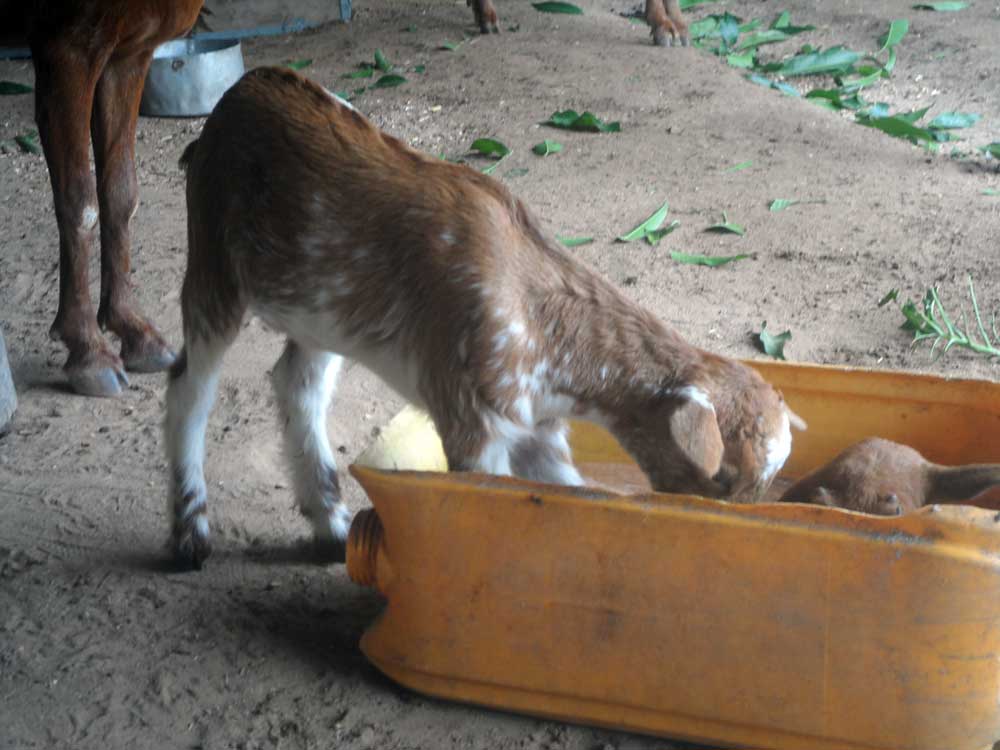
To have a successful goat farming experience, provide clean drinking water every single day
Water is just as important as feed. Goats need reliable access to clean drinking water, especially during hot weather and periods of pregnancy or milk production.
Do not assume that fresh grass always supplies enough water. Requirements vary with temperature, body size, diet and production stage.
Use containers that are easy to clean and difficult to overturn. Wash them regularly and keep manure, feed waste and stagnant water away from drinking areas.
A goat that suddenly stops drinking or eats much less than normal may be unwell and should be checked.
Rel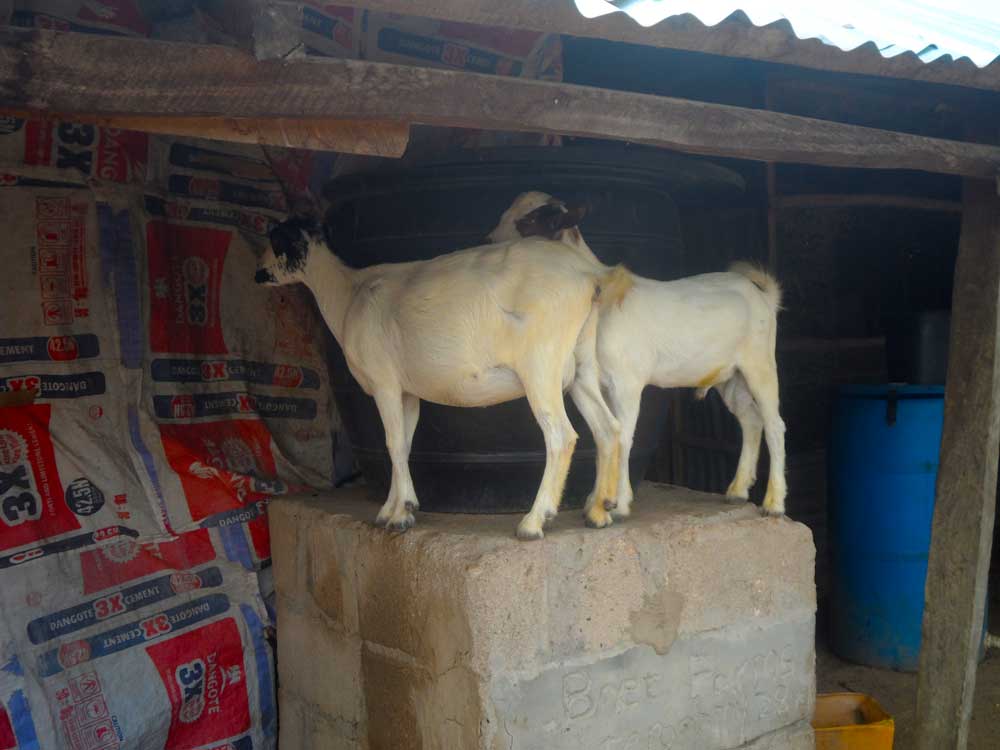 ated articles:
Feed Your Rabbits Right: 3 Basic Feeds for Better Growth, Breeding and Profit
How Farmers Can Protect Their Kidneys During Hot Weather: A Practical Guide for Every Farmer
How to Engage In Profitable Sheep Fattening For Maximum Profits
- Supply appropriate minerals
Minerals support bone development, growth, reproduction and general health. However, requirements vary with the diet, local conditions and the age of the animal.
Use a mineral supplement formulated for goats and follow the product instructions or professional advice.
Do not automatically use cattle mineral mixtures for goats. Copper requirements deserve particular attention: excessive copper can poison goats, while sheep are especially sensitive to copper toxicity. If both species share a feeding area, choose supplements carefully.
Poor growth may result from mineral deficiencies, but worms, inadequate protein and chronic disease can produce similar signs. Investigate the underlying cause instead of buying supplements blindly.
- Control worms and other parasites sensibly
Internal parasites can cause poor growth, anaemia, diarrhoea and, in severe cases, death. The risk depends on the climate, grazing conditions, stocking density and parasite species.
Watch for weight loss, pale lower eyelids, weakness and persistent diarrhoea. These symptoms are not exclusive to worms, so diagnosis may require veterinary assessment or faecal testing.
Avoid repeatedly giving the same dewormer without checking whether it works. Parasites can develop resistance to commonly used medicines.
Keep pens clean, avoid excessive grazing pressure and seek veterinary advice on targeted treatment. Simply changing paddocks does not always eliminate parasite exposure.
- Follow a local vaccination programme
Vaccination can protect goats against important diseases, but the correct programme depends on the diseases present in your area and the vaccines available.
In Nigeria, ask a veterinarian or livestock extension officer about peste des petits ruminants (PPR) and other locally important diseases.
Follow vaccine storage instructions and recommended schedules. Keep records of vaccinations and treatments for each animal.
Remember that vaccination is preventive care, not a substitute for treating a goat that is already seriously ill.
Related articles:
A Beginner’s Guide to Cowpea Farming: From Seed to Harvest in Tropical Regions
How to Start Cow Fattening Business: Using What Your Farm Already Produces To Feed Your Cows
A Beginner’s Guide to Cowpea Farming: From Seed to Harvest in Tropical Regions
- Observe your goats every day to be successful in goat farming
One of the cheapest ways to protect a herd is to spend a few minutes observing the animals daily.
During feeding, check which goats are eating normally, which are standing apart and which have difficulty walking. Look for unusual breathing, abnormal droppings, wounds or changes in behaviour.
Goats sometimes hide illness until the condition becomes serious. Early attention can therefore make a difference.
Seek prompt veterinary help for severe bloating, difficulty breathing, inability to stand, neurological signs or persistent bloody diarrhoea. Do not rely on unproven home remedies for serious illness.
-
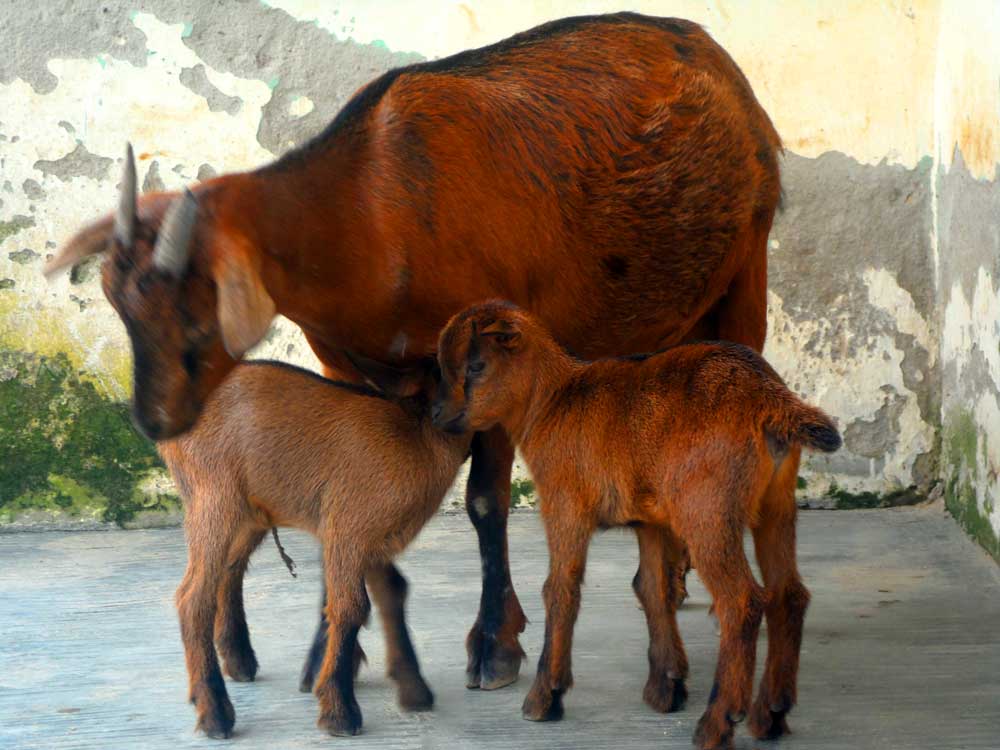
Successful Goat Farming Involves Preparing a clean kidding area for comfort and good care
A pregnant doe needs appropriate nutrition, clean water and a suitable place to give birth.
Prepare a dry, sheltered kidding area before the expected delivery date. Keep it clean and allow the doe to give birth without unnecessary disturbance.
After delivery, ensure that the kid breathes normally and receives colostrum, the first milk, as soon as possible—ideally within the first two hours. Colostrum provides antibodies and energy essential for the newborn.
If the kid cannot suckle or the doe has prolonged, difficult labour, contact a veterinarian promptly.
- Protect young kids from cold and poor nutrition
Young kids are more vulnerable to chilling, infections and inadequate milk intake than healthy adults.
Keep them dry and sheltered from cold rain and strong draughts. Check that they are nursing properly and gaining weight.
If a kid develops diarrhoea, do not automatically assume worms are responsible. Infection, feeding problems and other conditions may be involved.
A weak or dehydrated kid needs prompt attention. Avoid force-feeding liquids to an animal that cannot swallow properly, because fluid can enter the lungs.
- Select breeding animals for performance
A large buck may look impressive, but appearance alone does not guarantee good breeding results.
Choose healthy animals with sound legs, suitable body condition and a history of acceptable growth and reproduction. Avoid breeding animals with known hereditary defects or repeated reproductive problems.
Local breeds, including West African Dwarf and Red Sokoto goats, may be suitable for different production systems because their adaptation and performance differ. Crossbreeding can also be useful, but results depend on feed, climate, disease pressure and management.
Keep records of mating dates, kidding dates, litter size and kid survival. Over time, these records help you identify the animals worth retaining.
Related articles:
Grass-Fed vs. Grain-Fed: Uncover the Best for Your Cows!
Best ways you can Utilize By-Products and Alternative Feeds in Fattening Cow
6 Vital Points to Be On the Lookout When Buying a Cow for Fattening
- Do not breed does before they are ready
A young doe may show signs of heat before her body is sufficiently developed for breeding.
Breeding too early can interfere with her continued growth and increase the challenges associated with pregnancy and kidding.
Assess readiness using body weight, body condition, breed and overall development rather than age alone. A veterinarian or experienced breeding adviser can help when you are unsure.
If a doe is thin because of poor feeding or illness, improve her condition before breeding whenever possible.
- Keep simple farm records
You do not need expensive software to manage a small goat farm. A notebook can do the job.
Record each goat’s identification, purchase price, age, breeding history, kidding dates, treatments, feed costs and sale price.
Suppose one doe consistently raises healthy twins while another repeatedly loses her kids. Without records, you may not recognise the pattern. With records, you can make better breeding and culling decisions.
These details also help you calculate whether the farm is actually making money.
- Prevent inbreeding at all costs for successful goat farming
Keeping the same buck with his daughters and granddaughters for several generations increases the risk of inbreeding.
Inbreeding can increase the expression of harmful inherited traits and may reduce reproductive performance or general fitness.
Record parentage and arrange to use an unrelated, healthy buck when necessary. Exchanging breeding bucks with a trusted farmer may be an option, but quarantine and disease prevention must come first.
Do not keep a buck simply because he was expensive to buy. His breeding performance and the quality of his offspring matter more.
- Turn goat manure into a useful resource
Goat manure contains nutrients and organic matter that can benefit crop production.
Collect it regularly and compost it with suitable dry plant material. Keep manure and compost away from wells, streams and other water sources to reduce contamination risks.
Apply mature compost according to crop requirements and soil conditions. Manure can improve soil quality, but it does not supply every nutrient in the correct quantity for every crop.
For farmers growing maize, vegetables or fruit alongside livestock, manure offers an opportunity to recycle nutrients within the farm.
- Calculate costs before buying goats for fattening
Goat fattening can generate income, but profit depends on the purchase price, weight gain, feed expenses, animal health, labour and selling price.
Before buying, estimate the cost of the animal, feed for the intended fattening period, veterinary care and transportation. Compare the total with realistic market prices.
For example, a goat bought cheaply may not be profitable if it grows slowly and consumes expensive feed for months.
Identify potential buyers early, including traders, meat sellers, restaurants and household customers where appropriate. Prices may rise during festive periods, but this is not guaranteed. Local supply and demand still matter.
Recalculate your budget when feed prices or market conditions change.
- Start small and expand with evidence
It is tempting to start with 30 or 50 goats because another farmer appears to be making good money. But that farmer may have better forage supplies, more experience, established buyers or cheaper housing.
Begin with a manageable number of healthy animals. Learn how to feed, house, breed and protect them before expanding.
At the end of each production cycle, review your expenses, animal losses, growth rates and sales. Identify what worked and what needs improvement.
The aim is not simply to own a large herd. It is to operate a healthy, productive and financially sustainable goat farm.
Conclusion
Successful goat farming is built on consistent habits, not expensive equipment alone. Good feeding, clean water, suitable housing, disease prevention, careful breeding and accurate records can make a real difference.
Adjust your approach to your local climate, available forage, breed and budget. Learn from experienced farmers, seek veterinary support when needed and use your records to guide decisions.
What has been your biggest challenge in goat farming: feeding costs, diseases, breeding, kid mortality or finding buyers?
Share your experience in the comments. Your lesson may help another farmer avoid the same mistake.