Don’t Buy a Goat Just Because It Looks Big! 5 Important Things to Check at the Rural Market Before Spending Your Money
Have you ever gone to a rural livestock market to buy a goat and returned home feeling that you had made a fantastic bargain, only to discover a few days later that the animal was not as healthy or productive as you thought?
This is one of the mistakes many new goat farmers make. They enter the market, see a big-bodied goat with attractive skin and long legs, negotiate the price and pay immediately. Sometimes, they do not even take enough time to examine the animal properly.
But here is something every goat farmer should understand: a big goat is not necessarily a healthy goat, and an expensive goat is not always the best goat for your farm.
Whether you are buying goats for breeding, meat production, fattening or starting a small livestock business, selecting the right animal is one of the most important decisions you will make.
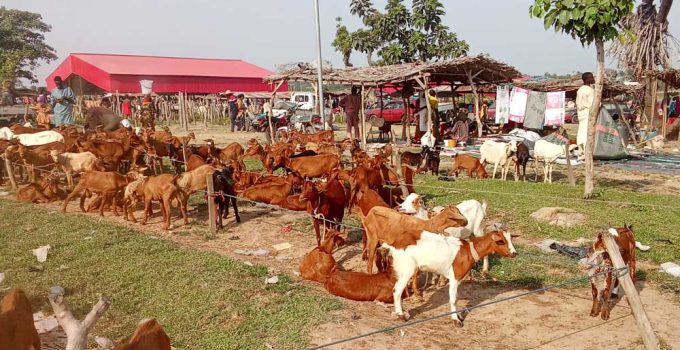
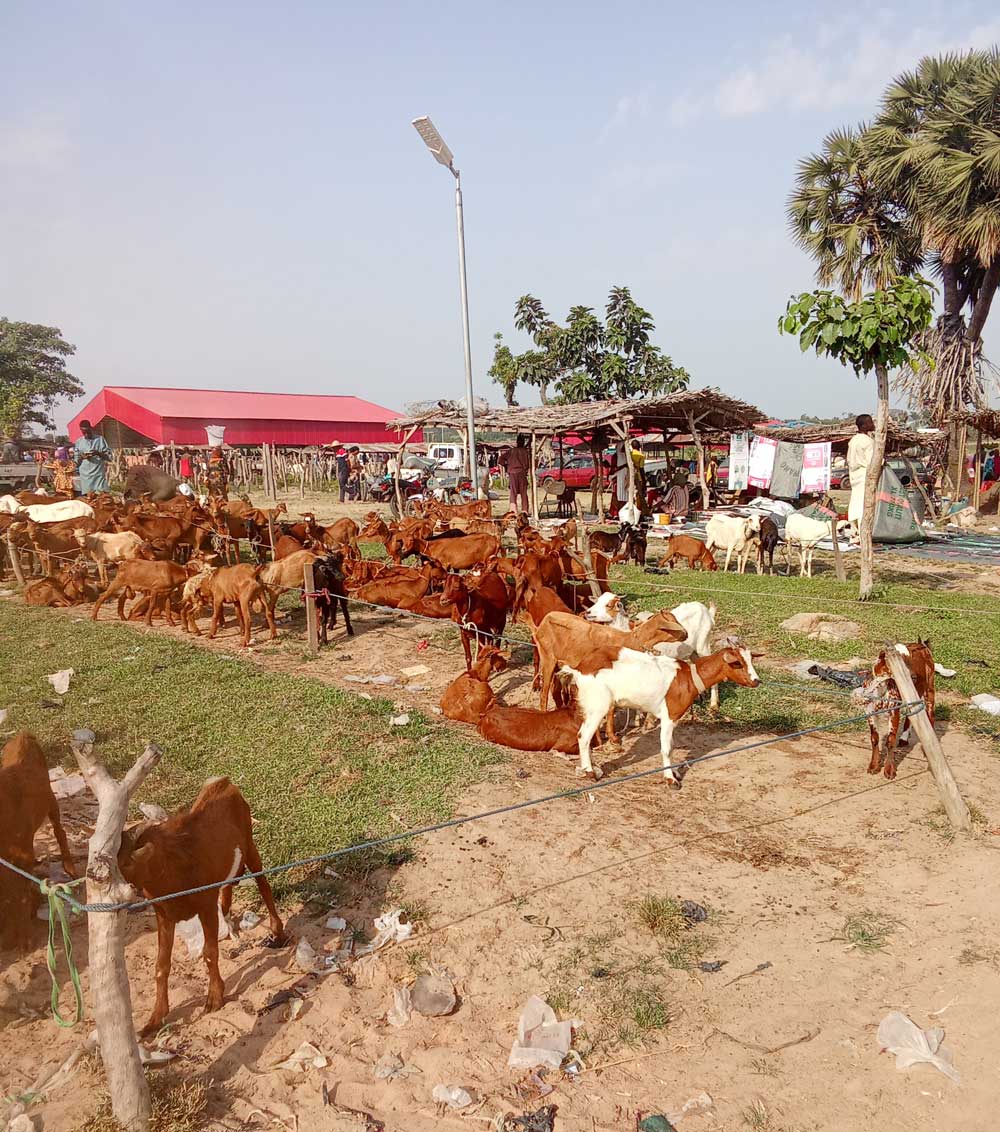
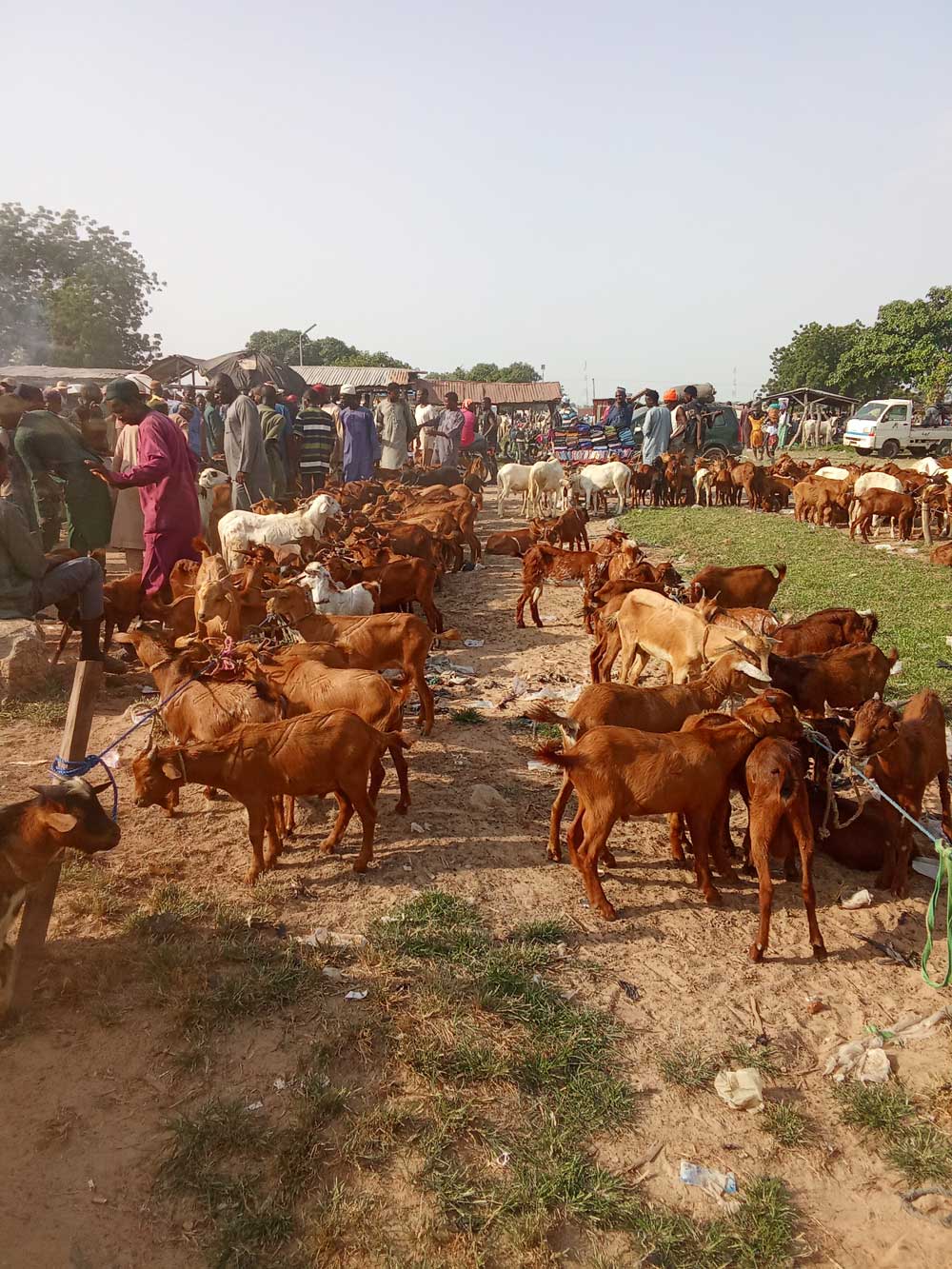
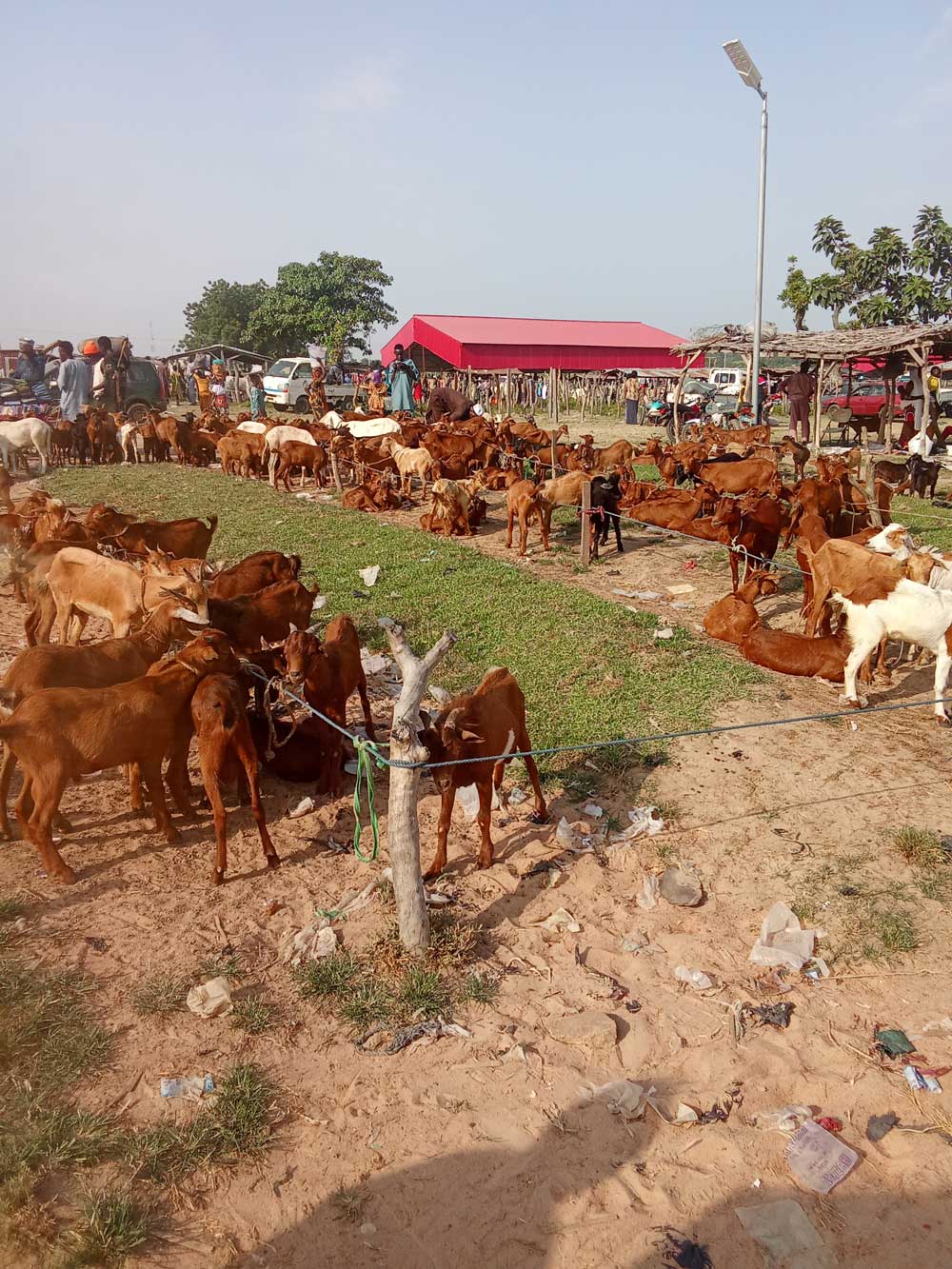
In many rural markets across Nigeria, particularly in northern and central Nigeria, farmers encounter different breeds and types of goats. You may find Red Sokoto goats, Sahelian goats, West African Dwarf goats and their crosses. Some are well-fed, others have travelled long distances, while some may be carrying hidden health problems.
So, before you bring out your money at the market, here are five important things to check.
-
Check the goat’s general body condition, not just its size
This is where many buyers make their first mistake.
A goat may look big because it has a large belly, long hair or a naturally large body frame. However, these features do not automatically mean that the animal is healthy or has good meat-producing potential.
What you should look for is a goat with a good body condition.
A healthy goat should generally have:
- A reasonably well-filled body without excessive thinness.
- A straight or reasonably strong back.
- Well-developed muscles around the hindquarters and shoulders.
- A healthy-looking coat without excessive hair loss.
- No obvious swelling around the abdomen or other parts of the body.
How do you check body condition?
Run your hands gently over the goat’s backbone, ribs and loin area.
You should be able to feel the bones, but they should not be excessively prominent. A goat whose backbone, hips and ribs are sharply visible may be undernourished or suffering from an underlying health problem.
On the other hand, a very fat-looking goat is not necessarily the best choice either.
Remember that a goat with a large belly may simply have a heavy rumen (the first stomach compartment), be pregnant or suffer from abdominal problems.
Practical tip: If you are buying goats for fattening, look for an animal with a good frame, healthy muscles and room for further growth rather than simply choosing the biggest goat in the market.
Related articles:
#Affordable Goat Feeds: 7 Secrets to Help Goats Gain Weight and Improve Farm Profit
20 Hacks for Successful Goat Farming: Practical Tips Every Farmer Should Know
5 Solid Ways You Can Feed Your Goats and Maintain Good Health throughout Their Rearing Period
-
Examine the eyes, nose, mouth and coat for signs of good health
A goat cannot tell you that it is sick, but its body often gives you warning signs.
Before paying, take time to examine its head and coat.
The eyes
Healthy goats generally have clear, bright and alert eyes.
Watch out for:
- Dull or sunken eyes.
- Excessive tearing.
- Thick discharge around the eyes.
- Swelling or unusual redness.
Sunken eyes may indicate dehydration, while eye discharge can be associated with infections or irritation.
The nose
Check whether the nostrils are reasonably clean and free from unusual discharge.
Persistent thick nasal discharge, especially when accompanied by coughing or difficult breathing, should make you cautious.
The mouth and teeth
This is particularly important when buying goats for breeding or fattening.
Open the mouth carefully and examine the teeth, if you can do so safely.
Goats have lower front incisors that meet a hard upper dental pad. Their teeth can help you estimate their age, although this is not an exact method because tooth wear varies with feeding conditions.
For example:
- Young kids have temporary milk teeth.
- Permanent central incisors commonly begin appearing around one year of age.
- Additional pairs replace milk teeth as the goat grows older.
- A full permanent set of eight lower incisors is generally present by around four years.
Why does age matter?
If you are buying a young goat for breeding, you want an animal with several productive years ahead. Buying an older goat without knowing its reproductive history can affect your long-term investment.
The coat
A healthy goat generally has a reasonably clean, smooth coat appropriate to its breed.
Be cautious if you notice:
- Severe hair loss.
- Numerous skin wounds.
- Scabs and crusty patches.
- Excessive scratching.
- Heavy tick or lice infestation.
Some skin problems are contagious and may spread to other animals on your farm.
Never ignore a goat simply because it looks attractive from a distance. Get close, examine it and ask questions.
Related articles:
Caring For Goats during the Raining Season, Best Strategy to Employ.
-
Check the legs, hooves and ability to walk properly
A goat may have a beautiful body, but if its legs and feet are weak, you may end up spending additional money treating it.
This is particularly important for farmers buying goats for breeding and commercial production.
A good goat should be able to stand firmly and walk comfortably.
What should you check?
The legs: Look for reasonably straight legs without obvious swelling, injuries or deformities.
The hooves: Examine the feet for excessive growth, cracks, foul smell, swelling or signs of infection.
The movement: Ask the seller to release the goat or walk it a short distance.
Observe whether it:
- Walks normally.
- Bears weight on all four legs.
- Shows signs of pain.
- Drags any leg.
- Stands comfortably.
A goat that limps may have an injury, hoof infection or joint problem.
Why is this important?
Goats are active animals. They need strong legs to move around in search of feed, compete for food and maintain normal breeding behaviour.
For a breeding buck, weak legs can also affect its ability to mount females successfully.
Imagine spending ₦100,000 on a beautiful breeding buck only to discover that it cannot walk properly. That is an investment that can quickly become a financial headache.
Do not allow the seller to rush you. Watch the animal walk before negotiating the final price.
-
Examine the abdomen, dung and reproductive organs
This is one of the most overlooked aspects of goat selection.
Many buyers concentrate on the head and body size but forget to examine the rear part of the animal and its reproductive condition.
Check the dung
Observe the dung around the goat or ask the seller to allow you to inspect some fresh droppings.
Healthy adult goats commonly produce firm, separate pellets.
Be cautious if you notice:
- Watery diarrhoea.
- Blood or excessive mucus in the dung.
- Unusually foul-smelling faeces.
- Persistent soiling around the tail.
Diarrhoea may result from dietary changes, intestinal parasites, infections or other digestive problems.
A goat with diarrhoea may become dehydrated and lose weight quickly, especially during hot weather.
However, remember that dung alone cannot confirm whether a goat is healthy or free from parasites.
Check the abdomen
A goat’s abdomen may naturally appear fuller after feeding. However, an unusually swollen or distended abdomen, particularly when accompanied by discomfort or difficulty breathing, requires caution.
Sudden severe bloating is an emergency in goats.
If you are buying a female goat
Examine the udder gently and check for:
- Unusual swelling.
- Hardness.
- Pain.
- Wounds.
- Unequal or abnormal teats.
These may indicate udder problems, including mastitis.
If the seller claims that a female goat is pregnant, do not simply accept the claim. Ask about the mating date and previous kidding history. Where the purchase price depends on pregnancy, arrange confirmation by a qualified veterinarian or trained animal health professional.
If you are buying a male goat
Check that both testicles are present and reasonably symmetrical in the scrotum. Look for swelling, wounds or obvious abnormalities.
A buck intended for breeding should also have a good body structure, sound legs and a healthy reproductive condition.
If you are not experienced in examining reproductive organs, take an experienced goat farmer or animal health professional along.
Related articles:
20 Hacks for Successful Goat Farming: Practical Tips Every Farmer Should Know
Why Some Farmers Get It Wrong In Goat Farming
8 Solid Ways Goat Farming Can Lift You Out of Poverty
-
Ask questions about the goat’s history, age, feeding and previous management
Never buy a goat without asking questions.
Sometimes, the most valuable information about an animal comes directly from the person selling it.
Do not be shy about asking questions. You are spending your hard-earned money, and you deserve to understand what you are buying.
Ask the seller:
- How old is the goat?
- Where was it raised?
- What has it been eating?
- Has it recently been treated for worms?
- Has it experienced any illness recently?
- Has it been vaccinated where relevant?
- For females, has it kidded before?
- Why is the owner selling it?
Not every seller will provide accurate answers, so verify what you can.
For example, if a seller tells you that a goat is six months old, examine its teeth and body development. The combination of these observations is more useful than relying on the seller’s word alone.
Why feeding history matters
Suppose you purchase a goat that has been feeding mainly on natural pasture, browse and crop residues.
You take it home and immediately introduce large quantities of maize bran, wheat offal or other concentrated feeds.
This sudden change can upset the digestive system and affect the goat’s appetite.
Goats are ruminants, and their rumen contains microorganisms that help digest fibrous feeds. These microorganisms need time to adjust when the diet changes.
Therefore, ask what the goat has been eating and gradually introduce your preferred feeding programme over several days to a couple of weeks, depending on the size of the change.
Good feed options include:
- Fresh, clean grasses.
- Groundnut haulms.
- Cowpea haulms.
- Soybean haulms.
- Suitable browse plants.
- Clean crop residues.
- Properly formulated supplementary feeds.
Always provide clean drinking water and suitable mineral supplementation.
A goat that is already familiar with some of the feeds available on your farm may settle more easily than one introduced to a completely different feeding system.
Related articles:
How to Start Cow Fattening Business: Using What Your Farm Already Produces To Feed Your Cows
Best ways you can Utilize By-Products and Alternative Feeds in Fattening Cow
Grass-Fed vs. Grain-Fed: Uncover the Best for Your Cows!
Five mistakes to avoid when buying goats at a rural market
Even when you know what to look for, excitement can make you forget important things.
Here are five common mistakes to avoid.
- Buying because of body size alone
A large goat may be old, pregnant, bloated or simply naturally big. Examine its actual body condition.
- Buying because the seller offers a cheap price
A cheap goat with serious health problems can become more expensive after purchase. Consider the animal’s health and suitability, not just the price.
- Ignoring the distance travelled
Some goats are transported from distant villages and markets. Long journeys, overcrowding and lack of water can cause stress, dehydration and reduced appetite.
- Buying without examining the animal physically
Do not make your decision from a distance. Check the eyes, mouth, coat, legs, hooves, dung and reproductive organs.
- Mixing newly purchased goats immediately with your existing flock
This is a very serious mistake.
New goats may introduce parasites, skin infections and contagious diseases to your farm.
Keep newly purchased goats in a separate quarantine area, ideally for about 21–30 days, depending on veterinary advice and disease risks. Observe their appetite, dung, body condition and general behaviour.
Arrange an examination by an animal health professional and discuss appropriate parasite control and vaccination based on local disease risks.
Do not administer every available injection or medication simply because the goat has arrived from the market.
What should you do immediately after bringing your goats home?
Your responsibility does not end when you pay the seller.
The first few days after purchase are important because the animals are adjusting to a new environment.
Here are some practical steps:
- Provide a clean, dry and well-ventilated shelter.
- Give access to clean drinking water.
- Offer familiar, good-quality forage.
- Introduce new feeds gradually.
- Avoid unnecessary handling and transportation.
- Observe their appetite and dung daily.
- Keep them separate from your existing flock.
- Seek veterinary assistance if you notice fever, persistent diarrhoea, coughing, nasal discharge, severe weakness or loss of appetite.
Remember that a goat can look healthy in the market and still develop signs of illness after transportation.
This is why proper observation and quarantine are important parts of goat farming.
Conclusion
A good goat purchase begins with a good examination
Goat farming can be a profitable venture for small- and medium-scale farmers, especially when animals are carefully selected and managed properly.
However, profitability begins before the goat enters your farm.
It begins in the market, when you make the decision about which animal deserves your money.
Whether you are buying one goat for your household, five goats for a small breeding project or twenty goats for commercial production, do not allow excitement, attractive body size or pressure from the seller to influence your judgement.
Take your time. Examine the animal. Ask questions. Negotiate wisely. And when possible, go to the market with an experienced goat farmer or veterinarian.
Remember: It is better to spend an extra ten minutes examining a goat at the market than to spend several weeks and additional money treating an animal you should never have purchased.
Let’s hear from other goat farmers!
Have you ever bought a goat at a rural livestock market and later discovered something you did not notice before paying?
What is the first thing you check when selecting goats for your farm: body condition, teeth, legs, eyes or reproductive organs?
Share your experience in the comment section. Your experience might save another farmer from making an expensive mistake.
If you found this article useful, share it with someone planning to start goat farming. Let’s help more farmers make better livestock investment decisions.