10 BIG LIES People Tell About Noiler Chickens That Are NOT TRUE! The Truth Every Poultry Farmer Needs to Know
Noiler chicken myths
Noiler chickens have become an interesting option for many poultry farmers, especially those who want birds that can provide both meat and eggs.
In Nigeria, you will find farmers raising them in backyards, small poultry houses and commercial production systems.
However, not everything people say about Noilers is correct. Some farmers believe these birds can grow well on almost any feed, resist every disease or produce excellent profits without much attention. Others expect them to grow as quickly as commercial broilers.
These beliefs can lead to costly mistakes.
Noilers have useful qualities, but they are not magic chickens. Their performance depends on the quality of the chicks, feeding, housing, health management and the conditions under which they are raised.
Let us examine 10 common Noiler chicken myths and the practical lessons every farmer should understand.
-
Noiler chicken myths: Noiler chickens do not need quality feed
This is one of the most misleading claims about Noiler farming.
Some people believe that because Noilers are hardy birds, they can grow properly on kitchen leftovers, maize bran, scraps and whatever food is available around the compound.
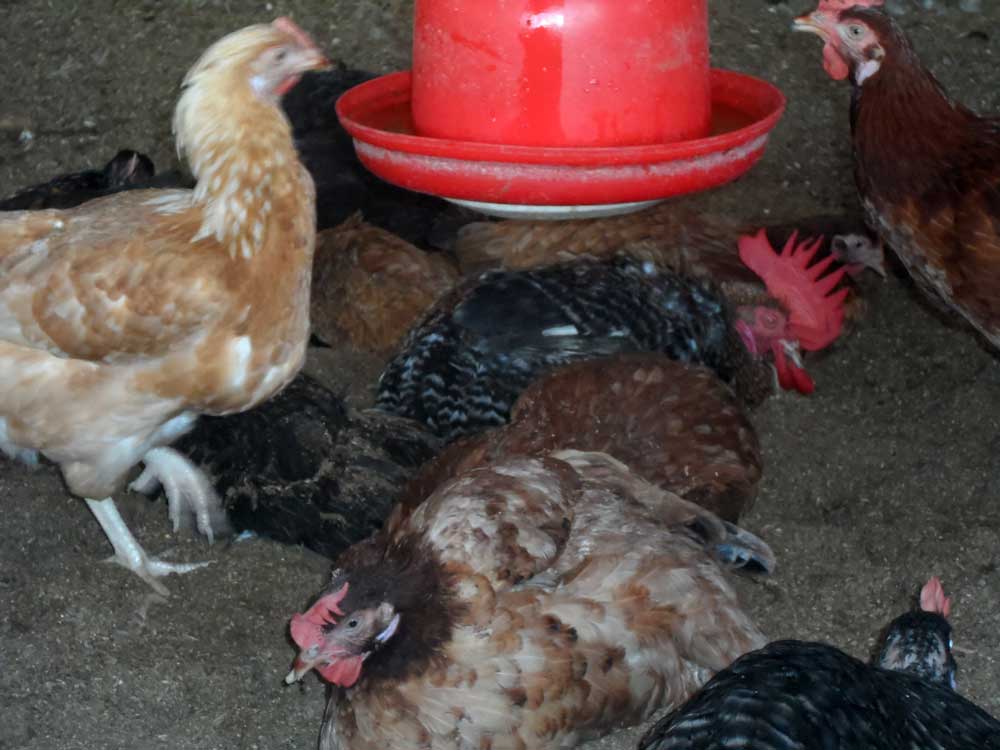
The truth is that Noilers still need a balanced diet containing adequate energy, protein, vitamins and minerals. Their nutritional requirements change as they grow.
A young chick needs a suitable starter feed to support early growth. As the birds become older, they need an appropriate grower or finisher ration, depending on their purpose and the manufacturer’s feeding programme.
For example, a farmer raising 50 Noiler chicks in Niger State may decide to save money by feeding them mostly maize bran. The birds may survive, but growth can become slow, body development may suffer, and the flock may become uneven.
What should you do?
Use good-quality commercial poultry feed or a properly formulated ration. You can reduce feeding costs by using suitable local ingredients, but only when the complete ration meets the birds’ nutritional requirements.
Maize bran alone is not a balanced poultry diet. Cheap feed that produces poor growth can become more expensive in the long run.
Related articles:
Why Your Noilers Are Eating More but Growing Slowly: 7 Feeding Mistakes Farmers Make
How Free-Range Noiler Farmers Can Cut Feed Costs Without Sacrificing Growth
5 Reasons Why Free-Range Noilers Thrive: A Complete Farmer’s Guide
-
Noiler chicken myths: Noiler chickens grow as fast as broilers
Have you ever heard someone compare a Noiler chicken directly with a commercial broiler and expect both birds to reach the same weight at the same age?
That comparison can create unrealistic expectations.
Commercial broilers are selected primarily for rapid meat production. Noilers are dual-purpose birds developed for both meat and egg production, with an emphasis on usefulness in different production settings.
Consequently, they generally do not follow the same growth pattern as fast-growing commercial broilers.
A farmer who buys Noiler chicks expecting them to reach broiler market weight within the same short period may become disappointed, even when the birds are healthy.
What you can do?
Before buying chicks, decide what you want to produce. If your main objective is rapid meat production, compare suitable broiler strains. If you want birds for meat and potential egg production, Noilers may fit your plan.
Ask your hatchery for the expected growth performance, recommended feeding programme and production information for the particular stock you intend to buy.
Do not judge a bird’s performance by age alone. Weigh a sample of birds regularly and compare the results with reliable guidance for your flock.
Related articles:
7 Best-Known Noiler Secrets That Will Make You a Profitable Poultry Farmer
10 Simple Ways That Make Noiler Farming Easier and Profitable These Days
How to Feed Your Noiler Chickens For Maximum Profits
-
Noiler chicken myths: Noiler chickens are completely resistant to diseases
Noilers are often appreciated for their adaptability and hardiness. However, being hardy does not mean being immune to disease.
They can still suffer from Newcastle disease, coccidiosis, fowl pox and other poultry health problems. The actual risks depend on factors such as the birds’ age, vaccination history, hygiene, exposure and local disease conditions.
Imagine a farmer who buys 100 Noiler chicks and decides not to vaccinate them because somebody said Noilers rarely get sick. If a serious disease enters the flock, the farmer may experience heavy losses.
The problem is not necessarily the bird’s genetic quality. The problem is assuming that hardiness replaces disease prevention.
What should you do?
Obtain a vaccination programme suitable for your location and production system from a poultry veterinarian or qualified animal-health professional.
Keep litter dry, provide clean drinking water, control rodents and wild birds, and restrict unnecessary visitors to the poultry house.
If birds suddenly become weak, stop eating, develop breathing difficulties or begin dying unexpectedly, seek professional help promptly. Do not assume that every illness can be treated with antibiotics.
Related articles:
6 Important Lessons I Learned About Raising Noiler Chickens
Mental Health in Farming: How to Cope with Stress, Crop Failure, and Financial Pressure
-
Noiler chicken myths: Noiler chickens do not need vaccination
This claim is closely related to the previous one, but it deserves special attention because some farmers use it to justify skipping vaccination altogether.
Vaccination is an important part of poultry health management. The right programme depends on the diseases present in the area, the birds’ age, their previous vaccinations, and local veterinary recommendations.
A chick may receive certain vaccines at the hatchery, but that does not automatically mean it meets all vaccination requirements.
For instance, a farmer who buys chicks from a supplier should ask which vaccines have already been administered, on what dates and whether any follow-up vaccinations are required.
Keep vaccination records for every flock. Record the vaccine name, administration date, number of birds treated and any relevant observations.
Buy vaccines from reliable suppliers and follow their storage and administration instructions. Poor storage or incorrect application can reduce vaccine effectiveness.
Remember: vaccination does not replace hygiene, good nutrition or proper housing. These measures work together to protect your birds.
-
Noiler chicken myths: Noiler chickens can survive comfortably in any housing condition
Because Noilers are adaptable, some farmers assume they can be kept anywhere, including overcrowded rooms, poorly ventilated sheds or permanently wet poultry houses.
That is a mistake.
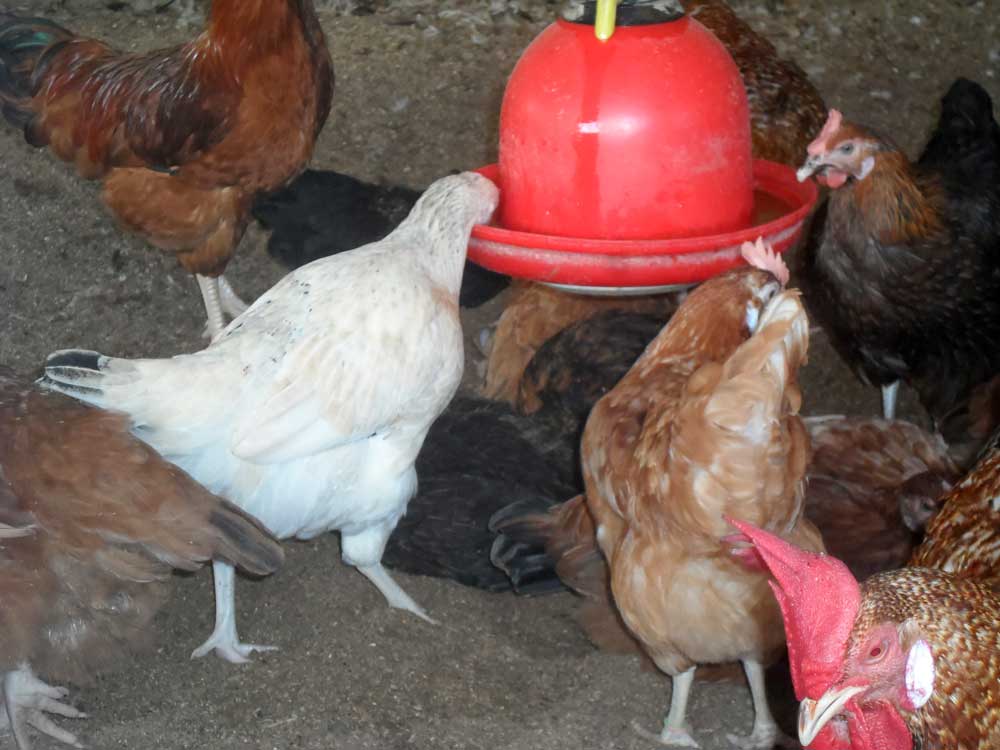
Noilers can be raised under different systems, including suitable deep-litter housing and well-managed semi-intensive or free-range arrangements. However, every system must provide adequate shelter, ventilation, space, clean water and protection from predators.
During the rainy season in parts of Nigeria, a poorly drained poultry house can become damp and dirty. Wet litter encourages the conditions in which certain diseases thrive. During hot weather, a crowded, poorly ventilated house can expose birds to heat stress.
What should you do?
Build a house that suits your flock size, local climate and management system.
Ensure that rainwater drains away from the building. Provide enough floor space for the birds to move, rest and reach feeders and drinkers without excessive competition. Keep the house ventilated without exposing young chicks to chilling draughts.
Check the birds regularly. Persistent panting, crowding around water points, dirty feathers and excessive wetness around drinkers may indicate that something needs attention.
A simple, well-maintained poultry house is often more useful than an expensive structure that is poorly managed.
Related articles:
Why Some Farmers Get It Wrong In Goat Farming
5 Major Ways You Can Use To Maintain Healthy Goats
8 Wonderful Benefit of Goat Farming to Mankind
-
Noiler chicken myths: Noiler chickens can grow well on kitchen scraps alone
Kitchen scraps, vegetable leaves and suitable farm by-products may appear attractive to farmers trying to cut costs. Some of these materials can be useful additions to poultry feeding, but they should not replace a balanced ration.
The nutritional content of household waste varies widely. Some leftovers contain too much water, salt or fat, while others provide insufficient protein and essential minerals.
Spoiled food can also introduce harmful microorganisms or toxins.
For example, feeding a flock mostly leftover rice and bread may fill the birds’ stomachs without supplying all the nutrients required for healthy growth and reproduction.
What should you do?
Use suitable leftovers only as supplementary feed where appropriate, and make sure the birds’ complete diet remains nutritionally balanced.
Avoid mouldy feed, rotten food, excessively salty leftovers and any material that may be contaminated with chemicals.
If you are interested in reducing feed costs with locally available ingredients, speak to a poultry nutritionist about formulating a balanced ration. This is particularly important when feeding birds intended for breeding or egg production.
The goal is not simply to make the birds eat more cheaply. It is to produce healthy birds efficiently.
-
Noiler chicken myths: Every Noiler chicken will grow at the same rate
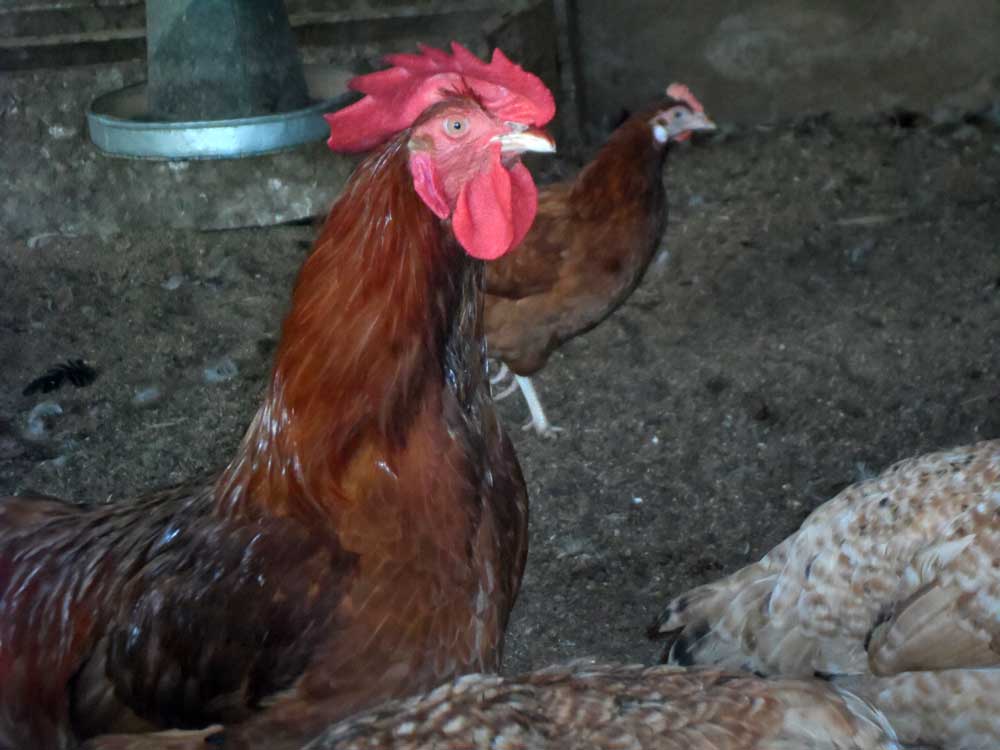
Even when birds come from the same batch, you should not expect every one of them to have exactly the same body weight.
Differences can arise from genetics, chick quality, early nutrition, competition at feeders, disease exposure and management.
A flock of 100 birds may contain some that grow quickly, others that develop at an average rate and a few that remain noticeably smaller.
However, significant differences in growth can also signal a problem. Poor feed quality, insufficient feeder space, parasites or disease may affect some birds more severely than others.
Observe the flock regularly and weigh a representative sample of birds at consistent intervals.
Make sure smaller birds can reach feed and water. Check whether feeders are distributed properly and whether dominant birds are preventing others from eating.
If many birds are growing slowly, investigate the whole management system rather than blaming the breed immediately.
Keep records of chick purchases, feed consumption, mortality and body weight. These records help you identify problems early and make better decisions with future batches.
Related articles:
11 Causes of Cannibalism in Poultry Birds, and How to Prevent It
Noiler Farming In Nigeria, the New Game Changer
Commercial Feed vs. Homemade Feed: What I observed as a Small to medium-Scale Poultry Farmer
-
Noiler chicken myths: Noiler hens will lay plenty of eggs without proper feeding and care
One of the attractions of Noilers is their dual-purpose nature. However, this does not mean every Noiler hen will become a highly productive layer under any conditions.
Egg production depends on several factors, including age, genetics, nutrition, health, lighting, stress and management.
A hen that receives inadequate protein, energy, calcium or other essential nutrients may lay fewer eggs or produce eggs with poor shell quality.
For example, a farmer who feeds growing Noilers a ration unsuitable for laying birds may struggle to achieve good production once the hens reach maturity.
What should you do?
Use an appropriate layer ration when the birds begin laying, following guidance suited to their age and production stage. Provide a reliable supply of clean water, suitable nesting areas and a calm environment.
Avoid assuming that extra calcium or other supplements will automatically improve egg production. Excessive or poorly balanced supplementation can cause problems too.
Also, distinguish between birds raised mainly for meat and those retained for egg production. Your feeding and management decisions should reflect your actual objective.
If egg production suddenly falls, investigate feed changes, heat stress, water supply, disease and other possible causes.
-
Noiler chicken myths: Noiler farming is always profitable
This may be the most expensive myth of all.
Noiler farming can offer an income opportunity, but no poultry enterprise guarantees profit. A farmer can raise healthy birds and still make little money if feed costs are high, mortality increases or the selling price is poor.
Consider a small farmer who buys 100 chicks without calculating the cost of feed, vaccines, litter, transport and other expenses. When it is time to sell, the farmer may discover that the revenue is barely enough to cover the investment.
The mistake was starting production without a realistic budget and market plan.
What should you do?
Before buying chicks, estimate your likely costs and identify your potential customers.
Include the following in your budget:
- Cost of chicks and transportation.
- Feed from brooding through the planned selling period.
- Vaccination, veterinary care and routine health management.
- Housing, litter, water and equipment costs.
- Labour, marketing and other operating expenses.
- Allowance for mortality and unexpected expenses.
Then estimate how much you can realistically earn from selling the birds, eggs or both, depending on your business model.
For example, if you intend to sell mature birds for meat, find out what customers in your area are willing to pay and what size they prefer. Do not base your projections on the highest price you have ever heard.
Start with a manageable flock, keep records and expand when the numbers justify it.
-
Noiler chicken myths: Noiler chickens do not need much attention because they are hardy
Some farmers choose Noilers because they want a practical bird for a small farm. That can be reasonable, but it should not be confused with raising birds without regular care.
Even hardy birds need daily observation, clean water, suitable feed, proper housing and timely attention when problems arise.
A farmer who checks the birds only when bringing feed may miss early signs of illness, leaking drinkers, wet litter or feed shortages.
Small problems can become expensive when they are allowed to continue.
What should you do?
Develop a simple daily routine. In the morning, check the birds’ activity, appetite, water supply, litter and general condition. Repeat important checks later in the day, especially during hot weather.
Look for changes in droppings, breathing, movement and feeding behaviour. Remove dead birds promptly and dispose of them safely according to local veterinary guidance.
Keep a record of unusual symptoms and seek professional advice when necessary.
You do not need sophisticated equipment to manage a small Noiler flock well. Careful observation, good hygiene and consistent routines can make a significant difference.
CONCLUSION
Know the bird before investing your money
Noiler chickens can be a useful option for farmers who want a dual-purpose bird and are prepared to manage it properly. But they are not disease-proof, they do not grow like every commercial broiler, and they cannot produce good results on an unsuitable diet.
The most important lesson from these Noiler chicken myths is that good poultry management begins with facts, realistic expectations and careful observation.
Buy healthy chicks from a reliable supplier, feed them appropriately, follow a suitable vaccination programme, provide proper housing and keep records of your costs and results.
Start at a scale you can manage comfortably. Learn from each batch before expanding your investment.
Above all, do not make a farming decision simply because someone claims that a particular chicken can do everything without effort.
Over to you: Have you raised Noiler chickens before? Which claim about Noilers turned out to be true or false on your farm? Share your experience in the comments. Your lesson may help another poultry farmer avoid a costly mistake.