Why Your Noilers Are Eating More but Growing Slowly: 7 Feeding Mistakes Farmers Make
Your Noilers are eating plenty. The feed bill keeps rising. Yet when you look at the birds, you begin to wonder, “Where is all this feed going?”
This is one of the frustrating experiences in poultry farming. A farmer can increase the quantity of feed, expecting the birds to grow faster, only to discover that the birds are still not performing as expected.
The truth is, more feed does not always mean more growth.
Good Noiler production is about giving the birds the right nutrients, in the right proportion, at the right stage of growth. Water, health, housing, temperature and genetics also matter.
Over the years, one thing becomes clear: when birds are eating well but growing slowly, the first thing to investigate is not simply the quantity of feed. Look at what they are eating, how they are eating it and whether their bodies can properly use it.
Let us look at seven common feeding mistakes.
- Giving Too Much Energy but Not Enough Protein
This is a common problem, especially when farmers formulate feed mainly around maize, wheat offal or other readily available ingredients.
Maize provides useful energy, but Noilers also need enough quality protein and essential amino acids to build muscle, feathers and body tissues.
Imagine feeding a growing Noiler plenty of maize but giving it inadequate protein. The bird may eat well, but its growth will not match the amount of feed consumed.
This is why simply increasing maize when birds look small may not solve the problem.
A practical solution
Use a properly balanced commercial feed or a carefully formulated ration containing appropriate protein sources. Depending on your location and feed formulation, ingredients such as soybean meal, groundnut cake, fish meal or other suitable protein sources may be used.
Don’t just ask, “How much feed are my birds eating?”
Ask, “Is the feed providing what they need to grow?”
Related articles:
How Free-Range Noiler Farmers Can Cut Feed Costs Without Sacrificing Growth
5 Reasons Why Free-Range Noilers Thrive: A Complete Farmer’s Guide
10 Simple Ways That Make Noiler Farming Easier and Profitable These Days
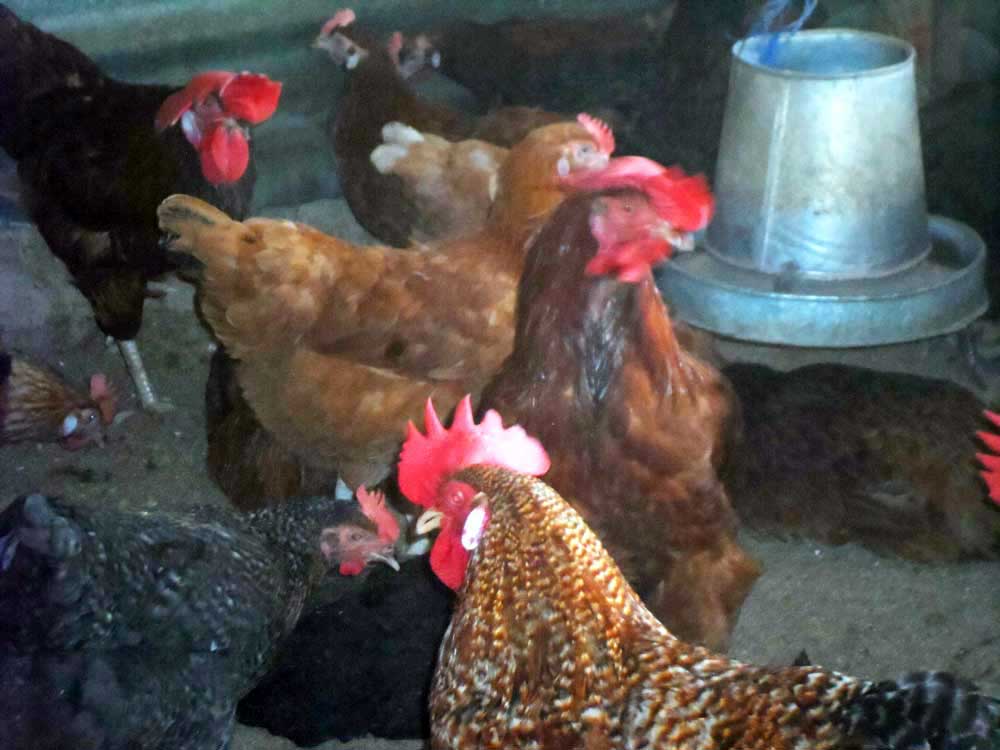
- Using the Same Feed for Every Age
A young Noiler has different nutritional needs from a bird that is already approaching market size.
One mistake I see farmers make is buying one type of feed and continuing with it for too long because it appears cheaper and convenient.
But feeding is not one-size-fits-all.
Chicks require a nutrient-dense starter diet. As they grow, their requirements change and the feeding programme should change with them.
A good solution
Follow a sensible feeding programme based on your birds’ age and purpose. If you are using commercial feed, follow the manufacturer’s feeding recommendations.
If you formulate your own feed, work with a competent feed formulator rather than guessing the proportions.
Saving a few naira with unsuitable feed can cost much more in slow growth and extra days on the farm.
Related articles:
How to Feed Your Noiler Chickens For Maximum Profits
Noiler Farming In Nigeria, the New Game Changer
Noiler chicken farming guide for success
- Poor-Quality or Poorly Stored Feed
Sometimes the problem is not your feeding quantity at all. The feed itself may be the problem.
Feed can lose quality through poor storage, moisture, mould, insects and prolonged exposure to heat.
I’ve seen farmers keep feed directly on the floor of a poultry house. That is an invitation to moisture, rodents and contamination.
Birds may still eat such feed because they are hungry, but that does not mean it is good feed.
solution
Store feed in a dry, cool and well-ventilated place. Keep bags on pallets or wooden platforms rather than directly on the floor.
Avoid buying more feed than you can reasonably store.
Also inspect feed before giving it to the birds. If it smells mouldy, looks spoiled or has obvious contamination, don’t take chances.
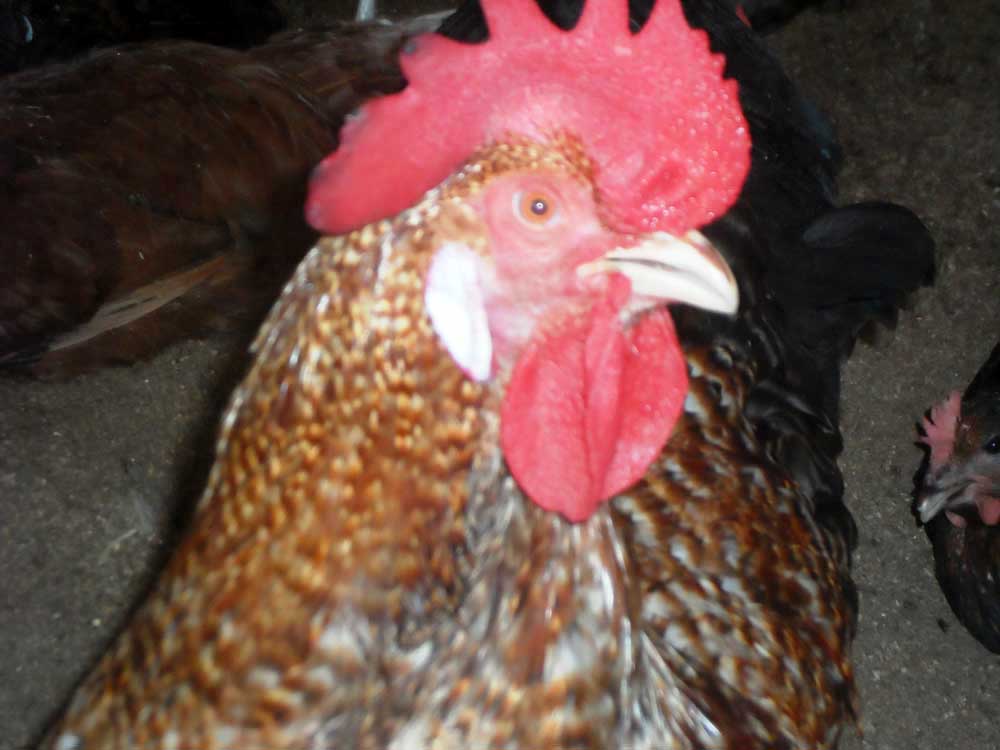
- Allowing Too Much Feed Wastage
This one is easy to overlook.
You may think your Noilers are eating a lot because the feeder is always empty. But sometimes the birds are simply throwing feed around.
Poorly designed or badly positioned feeders can cause considerable wastage. Birds scratch, jump into feeders and scatter feed onto litter.
If you have 100 birds wasting only a small quantity every day, that small quantity can become a serious expense over several weeks.
A viable solution
Use feeders that are appropriate for the size of your birds. Don’t fill them excessively.
Position feeders at a suitable height so the birds can eat comfortably without easily standing inside them.
Observe your birds while feeding. Don’t rely only on how quickly the feeder becomes empty.
An empty feeder does not always mean efficient feeding.
Related articles:
6 Important Lessons I Learned About Raising Noiler Chickens
8 Proven Ways You Can Change Your Fortune through Noiler Chicken Farming
Noiler chicken farming guide for success
- Feeding Irregularly
Noilers do better with a consistent feeding routine.
For example, feeding heavily one morning, running short of feed the next day and then trying to compensate later can create unnecessary competition and uneven growth.
The stronger birds may get more access to feed while smaller or weaker birds struggle.
This is particularly important when keeping a larger number of birds together.
A viable solution
Develop a feeding routine that you can maintain consistently.
If you have 150 or 200 birds, observe whether all birds are getting reasonable access to feeders. If some birds are consistently pushed away, you may need more feeder space.
Consistency is one of those simple management practices that costs little but can make a noticeable difference.
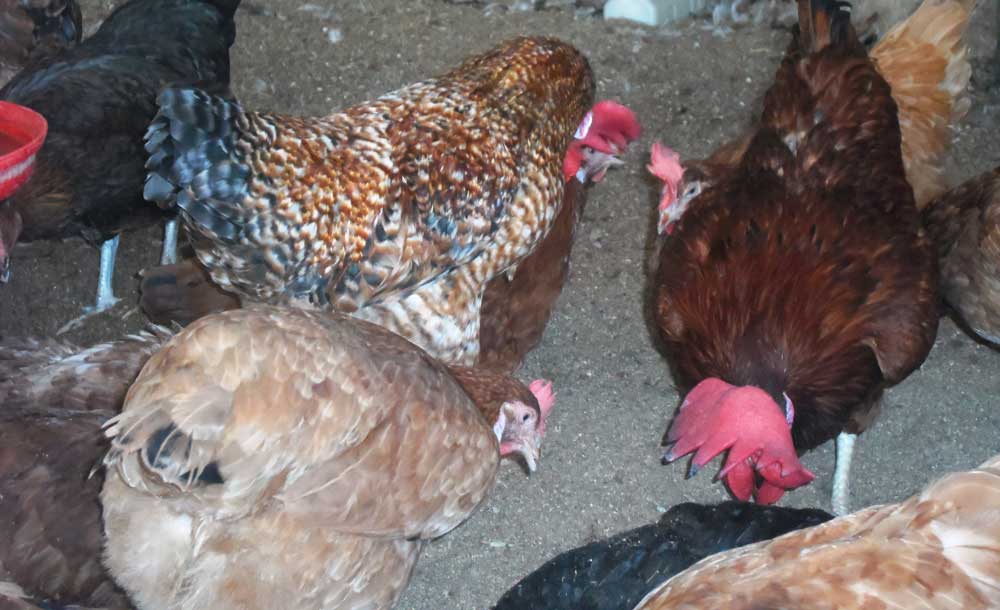
- Forgetting That Water Is Part of Feeding
This may sound strange, but water is part of your feeding programme.
A bird can have good-quality feed in front of it and still perform poorly when clean drinking water is not consistently available.
This becomes even more important during hot weather.
When birds are stressed by heat, they may change their feeding behaviour while their water requirement increases.
Dirty drinkers can also discourage birds from drinking and create an unhealthy environment.
A practical solution
Provide clean, fresh drinking water every day.
Wash drinkers regularly and position them where litter, droppings and dust are less likely to contaminate them.
During very hot periods, check water more frequently. Don’t wait until the drinker is completely dry.
Related articles:
5 Hidden Errors Blocking Your Broilers from Fast Growth
5 ways you can use to stop your broiler chickens from dying at 4 weeks
- Treating Free-Range Greens and Kitchen Leftovers as Complete Feed
Free-range Noilers can benefit from access to vegetation, insects and other natural materials. Some farmers also provide kitchen leftovers or farm by-products.
There is nothing inherently wrong with using suitable supplementary materials.
The problem comes when these materials replace a balanced diet.
For example, giving birds plenty of leafy materials may make them look busy and satisfied, but greens alone cannot provide everything a growing Noiler needs.
The same applies to maize, cassava products or household leftovers.
A practical solution
Think of such materials as supplements, not automatic replacements for a balanced poultry ration.
If you use locally available ingredients, understand their nutritional value and formulate them properly.
This is where good Noiler feed management becomes important. The goal is not simply to feed cheaply. The goal is to produce a healthy bird at the lowest sensible cost.
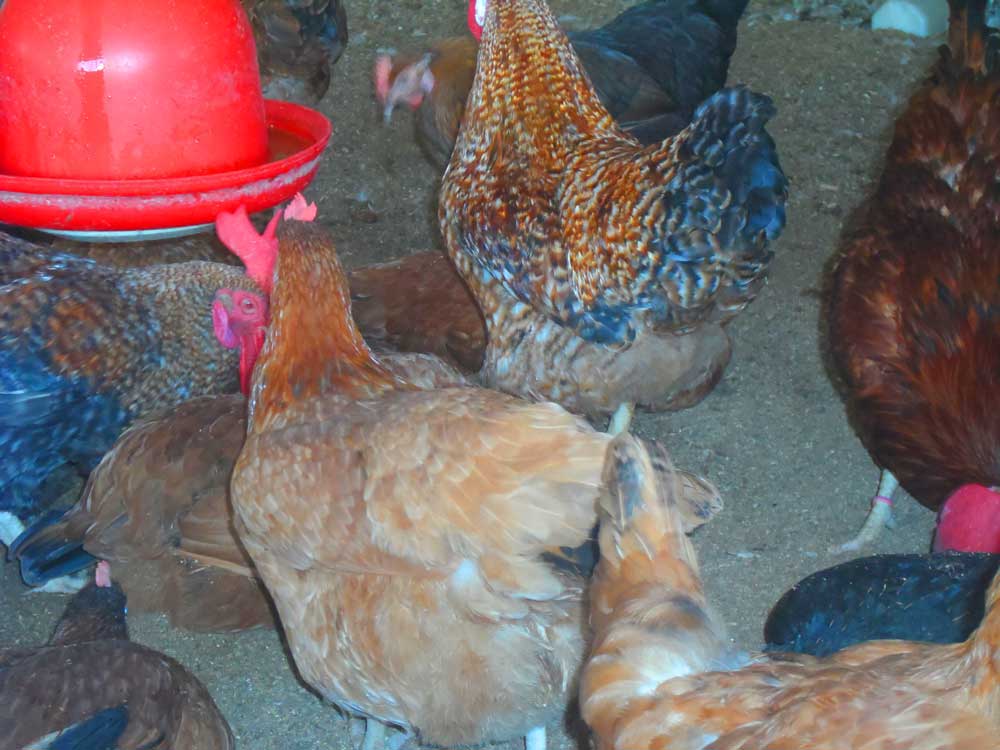
Don’t Blame Feed Alone
Before concluding that your feed is responsible for slow growth, look at the whole farm.
Are the birds sick?
Are you dealing with worms or coccidiosis?
Is the poultry house overcrowded?
Are temperatures extremely high?
Are the birds drinking enough water?
Are some birds being bullied away from feeders?
Are you keeping birds with very different ages or sizes together?
Genetics also matter. Not every Noiler will grow at exactly the same rate.
A bird cannot convert feed efficiently when it is sick, severely heat-stressed or poorly managed.
Conclusion
If your Noilers are eating more but growing slowly, don’t simply increase the feed. Investigate the feeding system.
Check the quality and balance of the ration, match feed to age, reduce wastage, maintain a consistent routine and make clean water available at all times. Then look at health, housing, heat and general management.
Remember, profit in Noiler farming is not about how much feed you can give your birds. It is about how efficiently you can turn good feed into healthy body weight.
What feeding mistake has cost you the most money in your Noiler farm? Share your experience in the comments—another farmer may learn from it.