
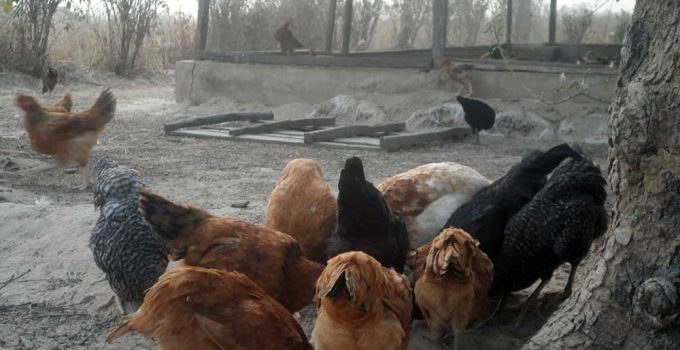
5 Reasons Why Free-Range Noilers Thrive: A Complete Farmer’s Guide
Why More Farmers Are Turning to Free-Range Noilers
If there is one thing every poultry farmer is worried about today, it is the ever-rising cost of feed.
Feed alone can account for 65-75% of the total cost of raising chickens.
For many small and medium-scale farmers, buying bags of feed every week can quickly eat into profits.
At the same time, many consumers are becoming more health-conscious. They are looking for chicken meat that is natural, tasty, and free from excessive fat and chemicals.
This growing demand has made free-range noiler poultry farming more attractive than ever.
This is where Noiler chickens shine.
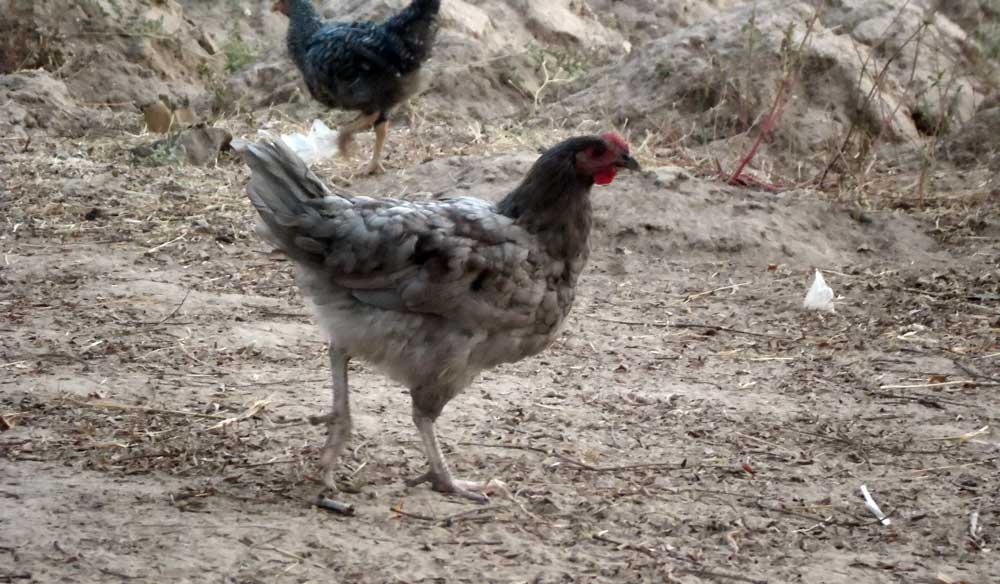
Noilers are hardy dual-purpose birds developed to combine the meat qualities of broilers with the toughness and adaptability of local chickens.
They grow faster than indigenous birds, lay a good number of eggs, and can survive under semi-intensive and free-range systems.
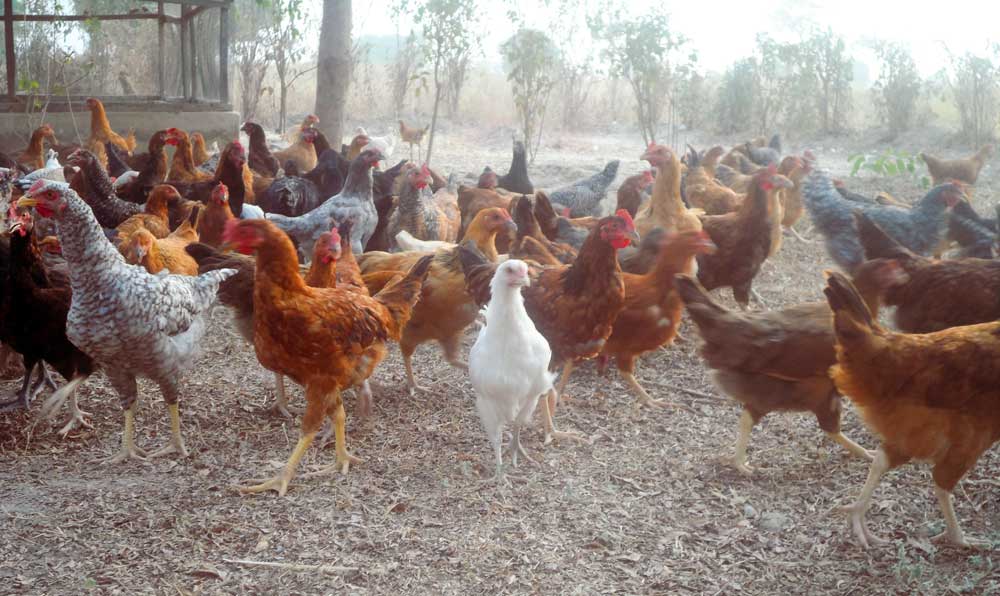
Unlike commercial broilers that depend heavily on formulated feed, Noilers are excellent foragers.
They love searching for grasses, seeds, insects, and worms. This natural ability makes them one of the best chickens for free-range noiler production.
If you have been thinking of reducing feed costs while producing healthier and tastier chicken meat, then free-range Noiler farming might be exactly what you need.
Let’s look at five reasons why Noilers thrive on free range.
-
Free-Range Noilers Are Excellent Foragers
One of the biggest strengths of Noiler chickens is their natural ability to forage.
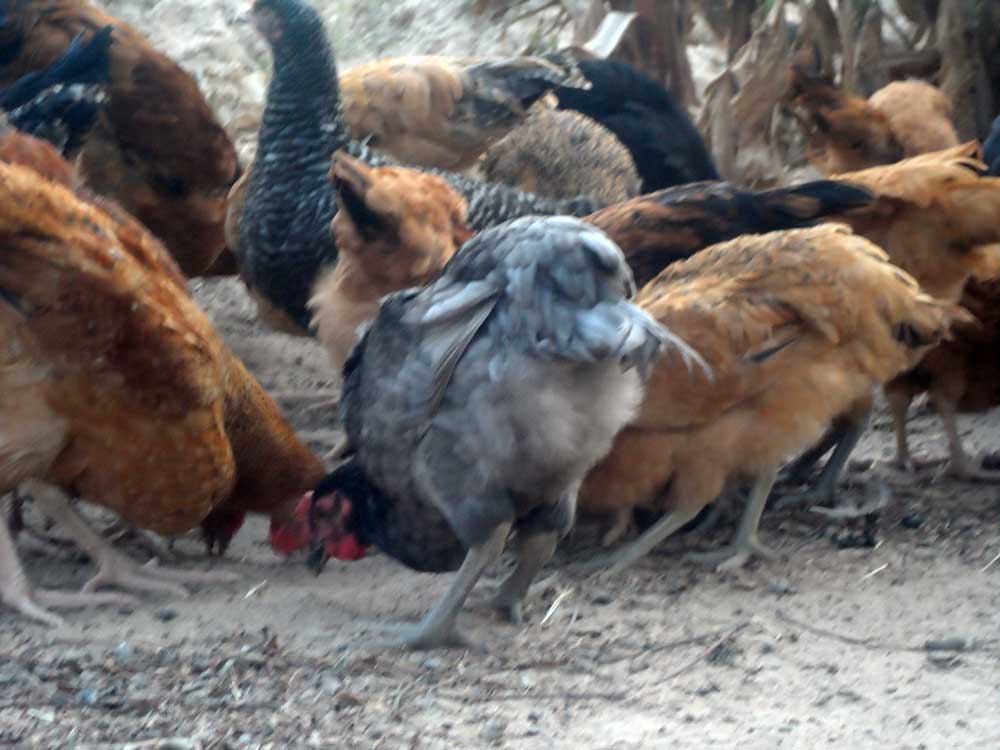
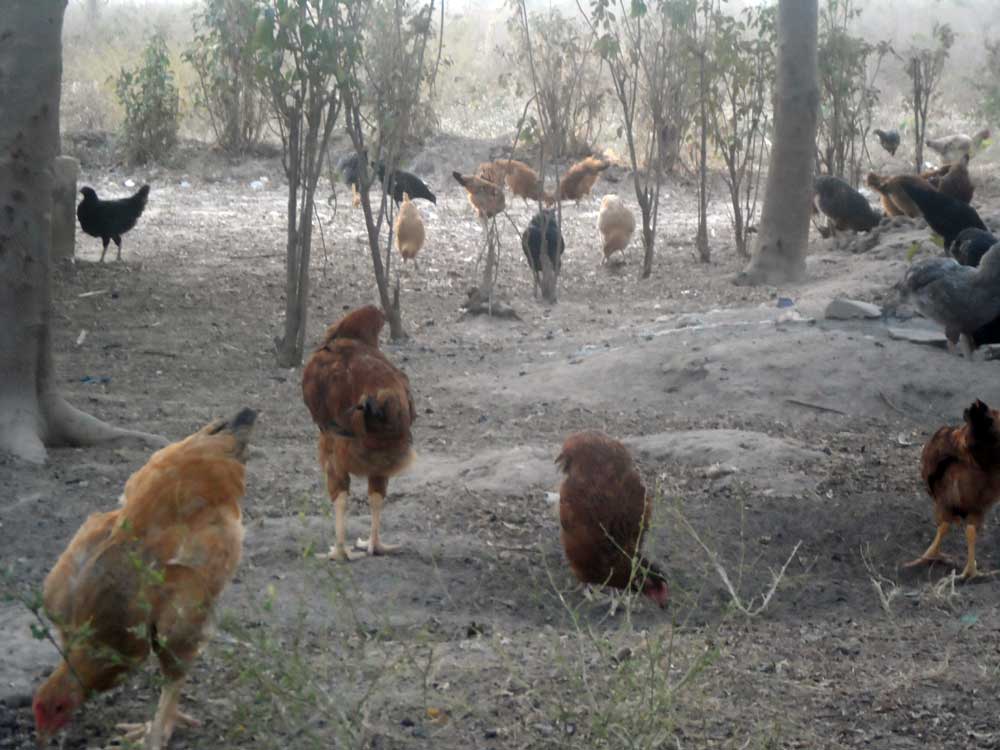
The moment you release them into an open area, they begin scratching the soil and searching for food. They enjoy eating:
- Green grasses
- Tender leaves
- Seeds and grains
- Earthworms
- Termites
- Beetles and insects
- Fallen fruits
This natural feeding behavior can significantly reduce your feed expenses.
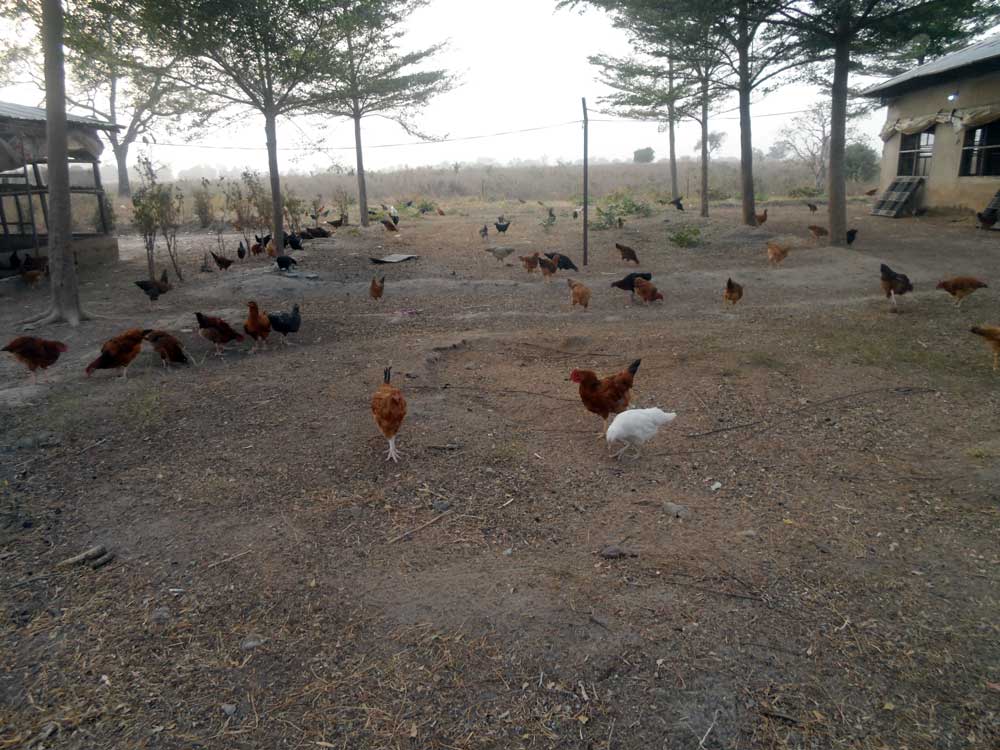
I know several farmers who allow their Noilers to roam during the day and provide only a small amount of feed in the evening.
They still achieve good growth while spending much less on commercial feed.
Of course, free-range noiler birds should not be left entirely to fend for themselves. Supplementary feeding is still important, especially during the dry season when natural feed resources are scarce.
However, allowing Noilers to forage can reduce feed consumption considerably and make your poultry business more profitable.
Practical Tip:
Plant forage crops around your poultry area, such as:
- Pumpkin leaves
- Sweet potato vines
- Amaranthus
- Moringa
- Pawpaw trees
These plants provide additional nutrition and encourage natural feeding behavior.
Related article:
7 Best-Known Noiler Secrets That Will Make You a Profitable Poultry Farmer
10 Simple Ways That Make Noiler Farming Easier and Profitable These Days
How to Feed Your Noiler Chickens For Maximum Profits
-
Free Range Noilers Produce Healthier and Stronger Birds
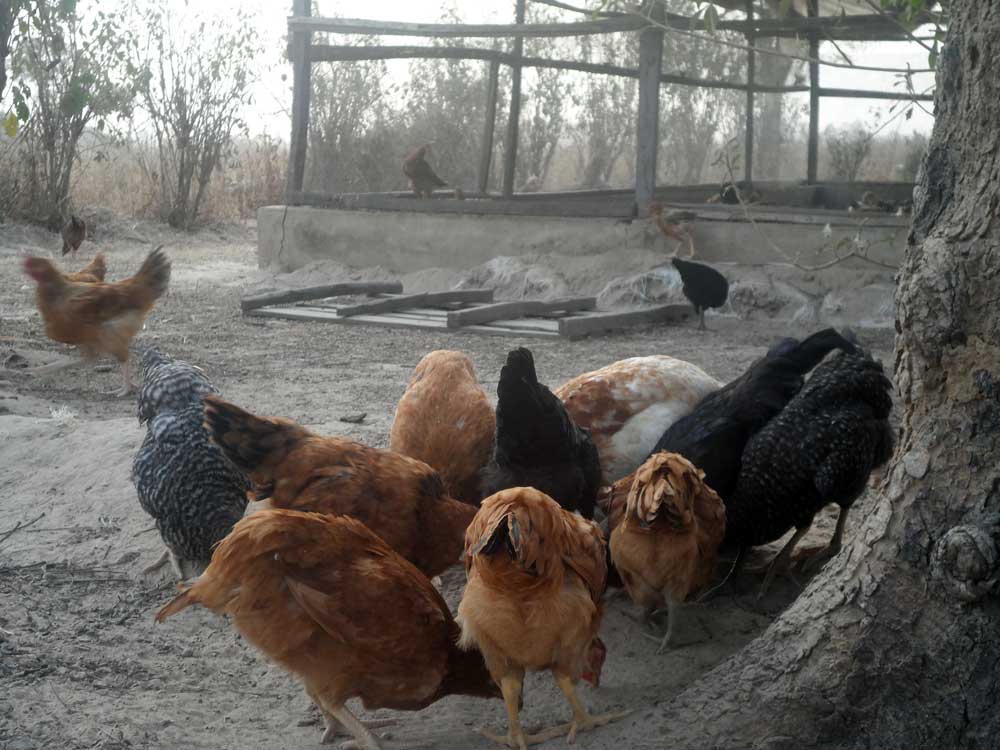
Noilers love movement.
Unlike birds kept in confinement all day, free-range Noilers spend much of their time walking, scratching, and exploring.
This constant activity provides many health benefits:
- Stronger legs
- Better muscle development
- Improved blood circulation
- Reduced stress
- Lower chances of obesity
Exercise also strengthens their immune system.
Many farmers notice that free-range Noilers tend to be more active, alert, and resilient than birds kept permanently indoors.
Because they are constantly exposed to sunlight, they also receive natural Vitamin D, which supports strong bones and better overall health.
A healthy bird spends less time being sick and requires fewer medications. This can help reduce veterinary expenses and improve profitability.
Helpful Tips:
Always provide:
- Clean drinking water
- Proper vaccination
- Adequate shelter at night
Free range does not mean neglect. Good management is still essential.
Related article:
Noiler Farming In Nigeria: The New Game Changer
Noiler chicken farming guide for success
6 Important Lessons I Learned About Raising Noiler Chickens
-
Free-Range Noilers Produce Tastier and Healthier Meat
One of the biggest reasons consumers prefer free-range noiler chicken is the taste.
Many people believe that free-range noiler chicken tastes more natural and flavorful than commercially raised birds.
The reason is simple.
Noilers on free range:
- Exercise regularly.
- Eat a more diverse diet.
- Develop firmer muscles.
- Accumulate less body fat.
The meat often has:
- Better texture
- Richer flavor
- Lower fat content
- More appealing appearance
Many families willingly pay extra for free-range chicken because they believe it is healthier and more nutritious.
Restaurants and local food vendors are also increasingly looking for naturally raised birds.
As a farmer, this creates an opportunity to target a premium market.
Instead of competing with large commercial poultry producers, you can position your birds as:
“Naturally raised, healthy free-range noiler chicken.”
Many customers are willing to pay more for such products.
Helpful Tip:
Promote your birds on social media. Show your followers:
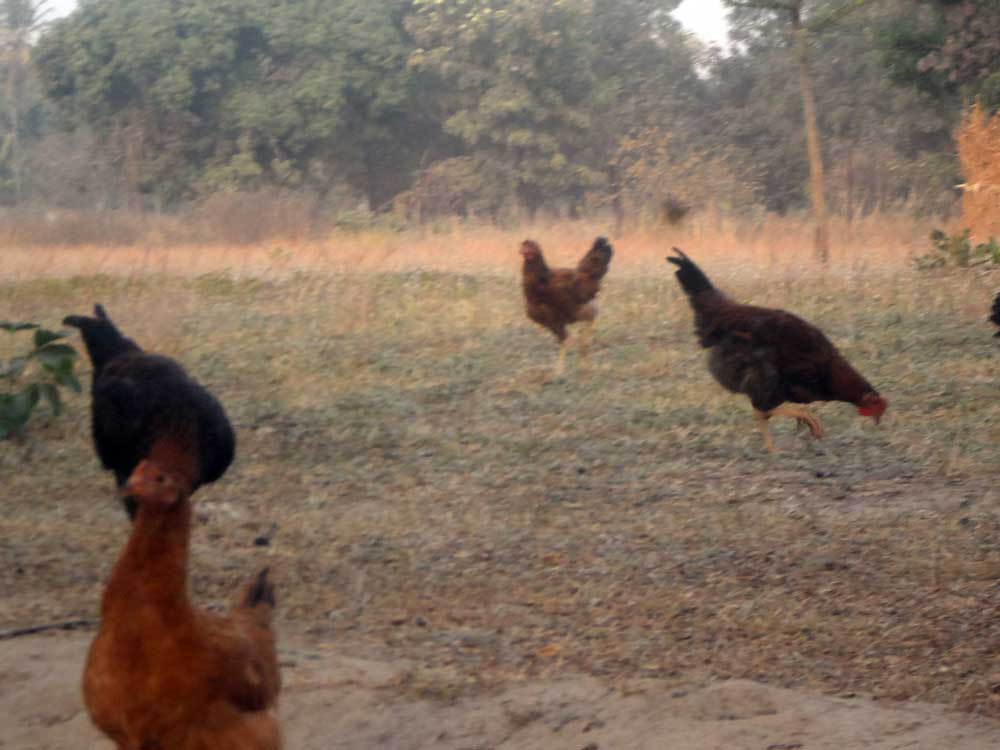
- Birds grazing on grass
- Birds searching for insects
- Birds enjoying natural surroundings
People love seeing where their food comes from.
Related article:
8 Proven Ways You Can Change Your Fortune through Noiler Chicken Farming
How to Successfully Brood Noiler Chicks
How to Incubate and Hatch Your Noiler Chicks At Home.
-
Free-Range Noilers Are Hardy and Adapt Well to Local Conditions
One challenge with commercial broilers is that they can be quite sensitive.
A slight management mistake can lead to serious losses.
Noilers are different.
They are naturally hardy and adapt well to:
- Hot weather
- Humid conditions
- Semi-intensive systems
- Village production systems
- Smallholder farms
This adaptability makes them ideal for free-range noiler production.
Many farmers in rural communities successfully raise Free-Range Noilers with minimal infrastructure.
Their strong survival instincts also make them better suited to outdoor environments than many commercial breeds.
However, this does not mean they are immune to diseases.
Predators, parasites, and infections can still affect free-range birds.
Good management practices remain essential.
Practical Tip:
Provide:
- Secure housing at night
- Routine deworming
- Vaccination programs
- Proper fencing where possible
Simple management practices can greatly improve survival rates.
Related article:
Maize vs. Sorghum in Poultry Feed: Which One Truly Gives You Faster Growth and Bigger Profits?
6 Costly Poultry Feeding Mistakes I Made as a Beginner Farmer (And How They Nearly Ruined My Flock)
Feed Is Money: 5 Proven Strategies Successful Poultry Farmers Use to Reduce Feed Waste Every Day
-
Free-Range Noiler Farming Can Increase Profitability
At the end of the day, every farmer wants a profitable business.
Free-range Noiler farming offers several ways to improve profitability.
Lower Feed Costs
Since birds obtain part of their diet from the environment, feed expenses can be reduced.
Premium Selling Price
Consumers often pay more for:
- Free-range chicken
- Natural meat
- Chemical-free products
Dual-Purpose Advantage
Noilers provide:
- Meat production
- Egg production
You can sell mature birds, table eggs, fertile eggs, or day-old chicks.
Lower Management Costs
Compared to intensive systems, free-range production may require:
- Less housing investment
- Lower electricity costs
- Reduced litter management expenses
All these factors can improve your profit margin.
Many successful small-scale farmers are now combining crop farming with free-range Noiler production.
The chickens feed on weeds, insects, and crop residues while providing manure for the farm.
This creates a beautiful cycle where nothing goes to waste.
Important Challenges of Free-Range Noiler Farming
While free-range production has many benefits, it also comes with challenges.
Predators
Hawks, snakes, dogs, and theft can cause losses.
Solution: Provide secure housing and proper fencing.
Disease Exposure
Outdoor birds can come into contact with wild birds and contaminated materials.
Solution: Maintain a good vaccination and biosecurity program.
Seasonal Feed Shortage
Natural feed resources become scarce during the dry season.
Solution: Continue supplementary feeding.
Parasites
External and internal parasites are common in free-range systems.
Solution: Practice routine deworming and keep housing clean.
Related article:
Dust Bath Why Your Chickens Need This All-Important Ritual
6 Amazing Facts you should know About Chicken Comb
Practical Tips for Successful Free-Range Noiler Farming
If you want your Noilers to perform well on free range:
Start with Healthy Chicks
Purchase chicks from reliable hatcheries.
Provide Good Brooding
A poor start can affect the birds for life.
Allow Gradual Access to Free Range
Young chicks should not be released too early.
Plant Forage Crops
Provide natural feed sources around the farm.
Give Supplementary Feed
Free range should complement feeding, not replace it entirely.
Ensure Clean Water Is Always Available
Water is just as important as feed.
Vaccinate and Deworm Regularly
Prevention is always cheaper than treatment.
Keep Proper Records
Monitor feed costs, mortality, and sales.
Conclusion
Free-range Noiler farming is more than just a traditional way of keeping chickens.
It is a practical and profitable production system that allows farmers to reduce feeding costs while producing healthier and tastier meat.
Noilers thrive on free range because they are:
- Excellent foragers.
- Healthier and stronger outdoors.
- Producers of natural and tasty meat.
- Hardy and adaptable birds.
- Highly profitable under good management.
For small and medium-scale poultry farmers, free-range Noiler production offers an opportunity to meet the growing demand for natural, healthy, and flavorful chicken while keeping production costs under control.
If managed properly, your Noilers will not only feed your family but also become a reliable source of income.
Sometimes, the secret to profitable poultry farming is simply allowing your birds to do what nature designed them to do, scratch, forage, roam, and thrive.


