Mental Health in Farming: How to Cope with Stress, Crop Failure, and Financial Pressure
Farming is often described as one of the oldest and most rewarding professions in the world.
Farmers produce the food that feeds families, supports communities, and drives national economies.
Yet behind every successful harvest is a person who works long hours, faces uncertain weather, manages rising production costs, and lives with risks that are often beyond their control.
Many people think farming is only physically demanding, but the emotional and mental challenges can be just as difficult.
Every planting season brings hope, while every failed harvest or unexpected loss can bring disappointment, fear, and anxiety.
Whether you are a smallholder farmer cultivating one hectare of land, a livestock keeper raising a few animals, or a commercial farmer managing hundreds of hectares, protecting your mental health is just as important as protecting your crops and livestock.
What Is Mental Health?
Mental health refers to your emotional, psychological, and social well-being. It affects how you think, feel, make decisions, and handle everyday challenges.
Good mental health does not mean you never experience stress or sadness. It means you can cope with life’s difficulties, recover from setbacks, and continue moving forward with hope.
Just as crops need fertile soil to grow, farmers need a healthy mind to make good decisions and remain productive.
Why Farming Can Be Stressful
Unlike many other professions, farming depends on factors that farmers cannot fully control.
Some of the biggest causes of stress include:
- Unpredictable rainfall and climate change
- Pest and disease outbreaks
- Crop failure
- Livestock diseases and sudden deaths
- Rising prices of fertilizers, feed, fuel, and chemicals
- Poor market prices
- Loan repayments and debts
- Theft and insecurity
- Family responsibilities
- Physical exhaustion from long working hours
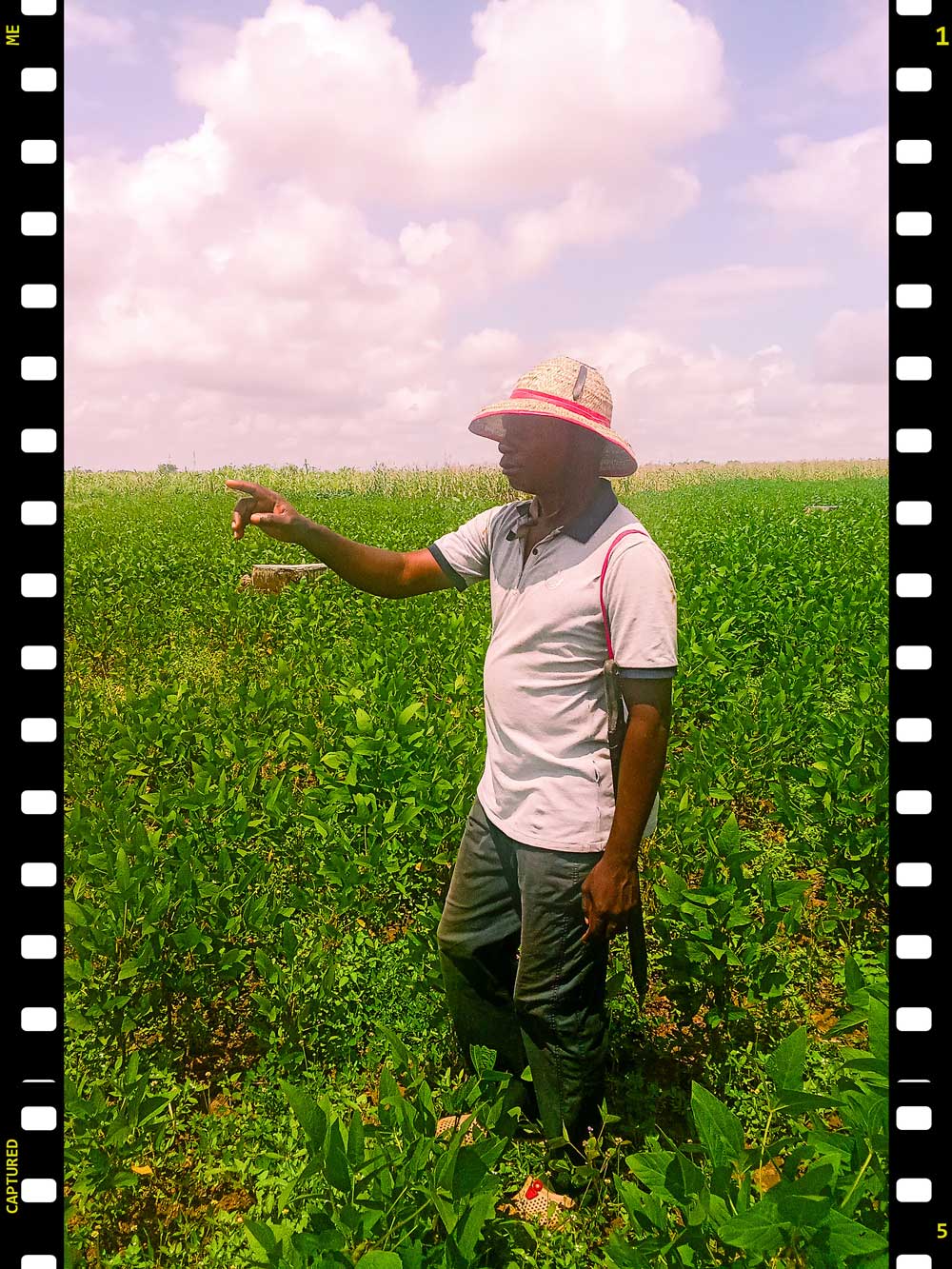
One bad farming season can wipe out months of hard work and investment.
Related articles:
Chemical Safety for Farmers: Practical Health Measures to Prevent Chemical-Related Illnesses
The Farm Wealth Formula: How Smart Farmers Turn Animal Waste into Bigger Harvests and Bigger Profits
How Stress Can Affect Mental Health in Farming
When stress continues for weeks or months without relief, it can begin to affect both physical and mental health.
Common signs include:
- Constant worrying
- Difficulty sleeping
- Loss of motivation
- Feeling hopeless
- Poor concentration
- Anger or irritability
- Headaches
- High blood pressure
- Loss of appetite or overeating
- Reduced productivity
Many farmers ignore these warning signs because they believe they simply need to “work harder.”
However, untreated stress can eventually affect decision-making, relationships, and overall health.
Coping with Crop Failure
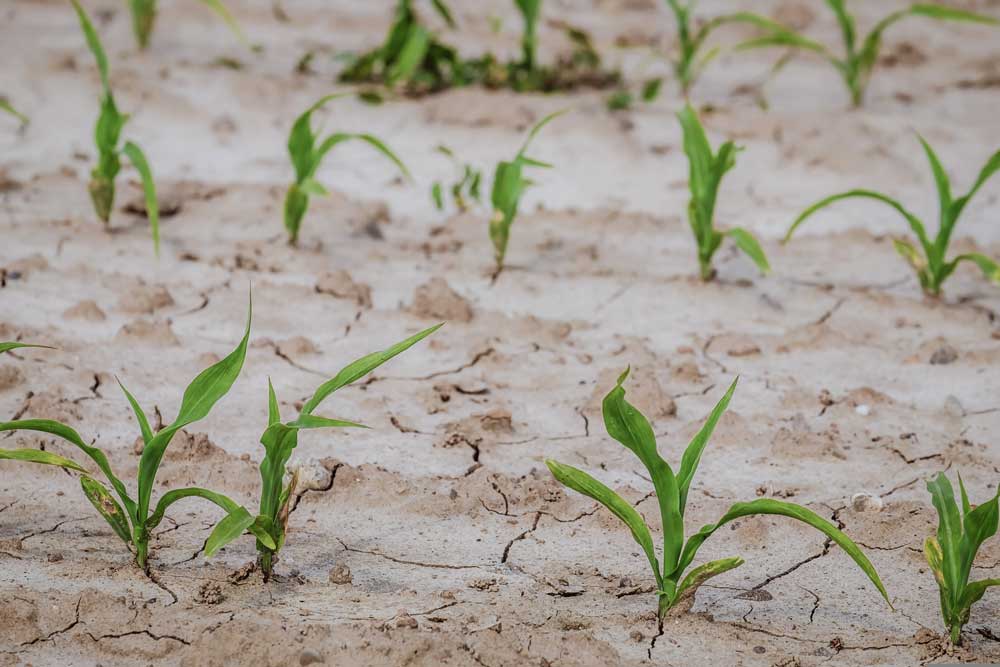
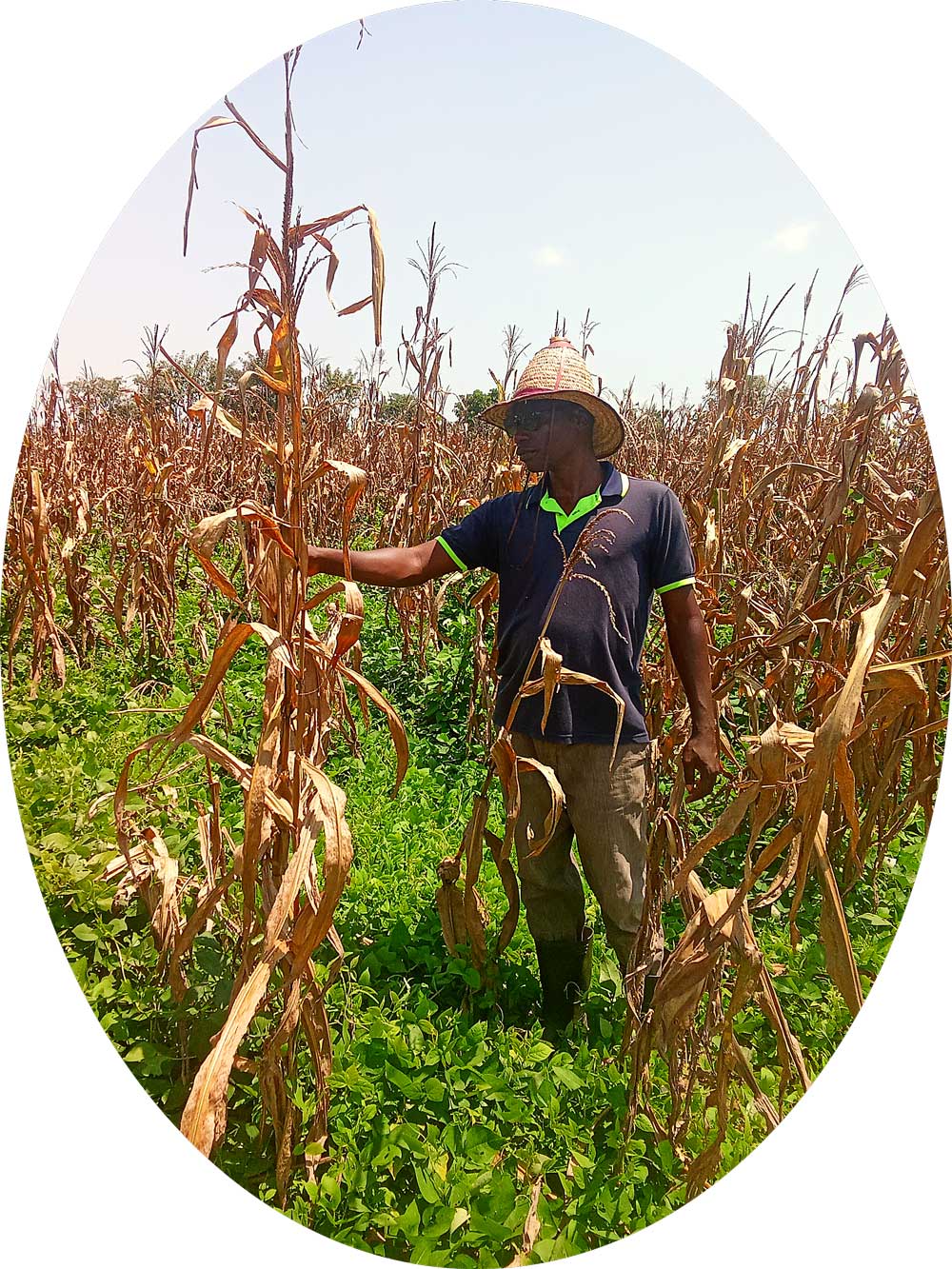
Every farmer fears crop failure. Whether caused by drought, flooding, pests, diseases, or poor seed quality, losing a harvest can be heartbreaking.
Instead of blaming yourself endlessly, consider these practical steps.
Accept What You Cannot Control
Weather patterns and natural disasters are beyond human control. Learning from the experience is more productive than dwelling on guilt.
Review What Happened
Ask yourself:
- Was the seed variety suitable?
- Was planting done at the right time?
- Was fertilizer applied correctly?
- Could pests have been detected earlier?
Every failure contains valuable lessons for the next season.
Related articles:
Avoid Making Emotional Decisions
Some farmers sell productive assets out of frustration or abandon farming completely after one poor season.
Take time to assess your options carefully before making major financial decisions.
Managing Financial Pressure
Financial stress is one of the biggest challenges farmers face.
Loans, delayed payments, expensive farm inputs, and unstable market prices can create enormous pressure.
Here are practical ways to reduce financial stress.
Keep Farm Records
Knowing exactly how much you spend and earn helps you make better decisions.
Simple records can reveal where money is being wasted and where profits can be improved.
Diversify Your Income
Avoid depending on only one source of income.
For example:
- Grow different crops.
- Combine crop farming with poultry or rabbit farming.
- Sell seedlings or processed farm products.
- Offer farm services during the off-season.
Multiple income streams reduce financial risk.
Related articles:
5 Reasons Why Free-Range Noilers Thrive: A Complete Farmer’s Guide
How to Effectively Manage Heat stress in Broiler Chicken

To Maintain Your Mental Health in Farming, Avoid Unnecessary Debt
Borrow only when there is a realistic repayment plan.
Avoid taking loans simply because they are available.
Build an Emergency Fund
Even small savings made during profitable seasons can help cover unexpected expenses during difficult periods.
Take Care of Your Physical Health
The body and mind work together.
Simple healthy habits can improve both physical and mental well-being.
These include:
- Drinking enough clean water
- Eating balanced meals
- Getting enough sleep
- Taking regular breaks during hot weather
- Exercising and stretching before heavy work
- Avoiding excessive alcohol and tobacco
A healthy body helps build a stronger mind.
Don’t Carry Every Burden Alone
Many farmers suffer in silence because they believe asking for help is a sign of weakness.
In reality, talking to trusted people can reduce emotional stress.
Consider speaking with:
- Your spouse
- Family members
- Close friends
- Fellow farmers
- Cooperative members
- Religious leaders
- Healthcare professionals
Sometimes a simple conversation can provide encouragement and fresh ideas.
Build Strong Relationships with Other Farmers to Maintain Good Mental Health in Farming
Joining farmer groups or cooperatives offers more than financial benefits.
It provides opportunities to:
- Share experiences
- Learn new farming methods
- Receive emotional support
- Find better markets
- Access training and extension services
Knowing that others face similar challenges can reduce feelings of isolation.
Focus on What You Can Control
Instead of worrying about every possible problem, focus on actions you can take today.
For example:
- Improve soil fertility.
- Maintain farm equipment.
- Monitor crops regularly.
- Vaccinate livestock on schedule.
- Learn new farming techniques.
- Plan next season early.
Small daily improvements often lead to better long-term results.
Learn to Rest without Feeling Guilty for Good Mental Health in Farming
Many farmers work from sunrise until late evening, especially during planting and harvesting seasons.
While hard work is important, constant exhaustion can reduce productivity and increase mistakes.
Taking regular breaks allows your body and mind to recover.
Remember, resting is part of productive farming—not a sign of laziness.
For Balanced Mental Health in Farming
Always Celebrate Small Successes
Not every season will produce record-breaking profits.
Celebrate every achievement, no matter how small.
Perhaps:
- Your crops germinated well.
- Your livestock remained healthy.
- You reduced production costs.
- You gained new customers.
- You learned a better farming technique.
Recognising progress builds confidence and motivation.
Related articles:
5 Solid Ways You Can Feed Your Goats and Maintain Good Health throughout Their Rearing Period
7 Practical Ways Farmers Can Reduce Stress without Leaving the Farm
Know When to Seek Professional Help
If you experience any of the following for more than two weeks, it may be time to seek medical or psychological support:
- Persistent sadness
- Constant anxiety
- Difficulty sleeping
- Loss of interest in farming or daily life
- Feeling hopeless
- Thoughts of harming yourself
Seeking professional help is a sign of wisdom and strength, not weakness.
Early support often leads to better recovery.
Remember Why You Started Farming
Most farmers began farming to feed their families, build a better future, create employment, or continue a family tradition.
When challenges arise, remind yourself of your long-term purpose.
Every successful farmer has experienced difficult seasons. What often separates those who succeed from those who quit is not the absence of failure but the determination to learn, adapt, and keep moving forward.
Conclusion
Farming is a profession built on hope. Every seed planted is an act of faith that tomorrow can be better than today. While droughts, pests, market fluctuations, and financial pressure are realities of agriculture, they do not define your worth as a farmer.
Protecting your Mental Health in Farming is just as important as applying fertiliser, vaccinating livestock, or controlling weeds.
A healthy mind helps you make better decisions, solve problems more effectively, and continue farming with resilience and confidence.
Remember, no harvest is more valuable than your health. By caring for your emotional well-being, seeking support when needed, planning wisely, and learning from every season, you can face farming’s challenges with renewed strength and hope.
At Bnethub, we believe that healthy farmers build healthy farms, healthy families, and stronger communities. Take care of your mind, because the future of your farm begins with you.
Have you ever experienced stress, crop failure, or financial pressure on your farm? How did you overcome it? Share your experience in the comments below. Your story could encourage another farmer who needs hope today.
If you found this article helpful, share it with another farmer. Together, let’s promote not only successful farming but also healthier and happier farmers.