Don’t Ignore These 5 Red Flag Signs of Sick Chickens: The Silent Warnings Your Flock Is in Serious Danger!
As a poultry farmer, whether you’re running a 10,000-bird commercial operation or managing a small backyard flock, there’s one thing you never want to hear:
“If only you had seen the signs earlier.”
Chickens are masters at hiding sickness. By the time they collapse, the problem is already advanced. That’s why successful farmers don’t just feed their birds, they read their birds.
Today, you’ll discover five powerful red flags your chickens may show when something is wrong.
These signs of sick chickens are subtle but dangerous, and ignoring them can lead to poor growth, sudden deaths, disease outbreaks, and huge financial losses.
-
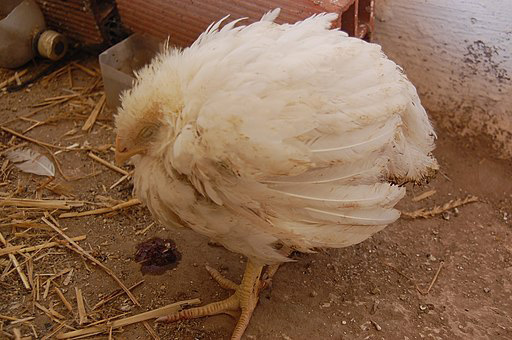
Sudden Drop in Feed and Water Intake: The First Silent Signs of Sick Chickens.
If you want to know what’s happening inside a chicken, watch the feeder and drinker. Birds don’t stop eating or drinking for no reason.
Here’s what you’ll notice:
- They stand near the feeder but barely peck.
- Water consumption drops even when the weather is hot.
- They eat slowly or show zero interest in the feed.
A drop in feed or water intake often signals:
- Early infection (like coccidiosis or bacterial diseases)
- Heat stress
- Poor-quality feed
- Digestive discomfort
- Water contamination
When intake goes down, body weight, immunity, and productivity crash. If you catch this early, you can stop bigger disasters from happening.
Immediate action you can take as a poultry farmer:
Check water lines, feed quality, and heat levels, and consider isolating weak birds. Record changes daily; numbers don’t lie.
Related article:
5 ways you can use to stop your broiler chickens from dying at 4 weeks
Dust Bath Why Your Chickens Need This All-Important Ritual
-
Signs of Sick Chickens Start from Unusual Droppings: Your Birds Are Speaking Through Their Poop
Chicken droppings tell powerful stories. If you pay attention, you’ll detect problems long before they escalate.
Watch out for:
- Bloody droppings: Possible coccidiosis
- Green watery droppings: Fever or bacterial infection
- Foamy yellow droppings: Gut irritation or feed changes
- White pasty droppings: Stress, dehydration, or kidney issues
Normal droppings should be brownish with a white cap. When the shape, colour, or smell changes drastically, consider it a warning message from the flock.
Immediate action to take:
Clean and disinfect the pen, check feed ingredients, improve water quality, and seek veterinary guidance if the abnormal droppings persist.
Related article:
6 Ways Your Environment Can Affect Your Broilers’ Behaviour and Performance
Reducing Antibiotic Use in broilers: Natural Ways to Keep Your Birds Healthy.
-
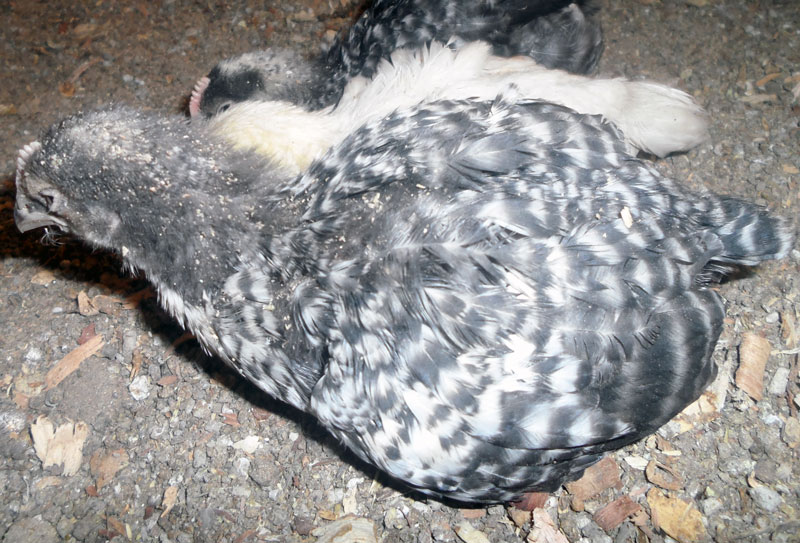
Reduced Movement and Dullness are among the Common Signs of Sick Chickens: When Your Birds Stop Acting Like Birds
Healthy chickens are:
- Curious
- Energetic
- Pecking around
- Alert to sounds
But when something is wrong, their behaviour flips:
- They isolate themselves
- They sit in corners with ruffled feathers
- They avoid movement
- They sleep more than usual
- They show no interest in feed
This is usually a sign of:
- Fever
- Infection
- Weakness
- Pain
- Environmental stress
Action you should take immediately as a poultry farmer:
Increase ventilation, reduce crowding, check for heat stress, and observe for other symptoms. Early behavioural change is one of the strongest indicators of sickness.
Related article:
Paralysis, Lameness in Broiler Chickens, Causes, Prevention and Treatment
6 Incredible Benefits of Feeding Garlic, Turmeric, and Moringa to Your Poultry Birds
-
Changes in Comb, Wattles, and Eyes are among the major Signs of Sick Chickens. The Face Never Lies
A chicken’s comb and wattles are like a dashboard light in a car. When things go wrong inside the bird, the face will show it.
Red flags include:
- Pale comb: anaemia or parasitic problems
- Purple comb: respiratory issues or poor oxygen supply
- Shrunken comb: weakness or dehydration
- Swollen eyes: respiratory disease
- Tearful or watery eyes: irritation or infection
If one bird shows it, others may soon follow. This is a crucial moment for farmers to act fast.
Improve ventilation, check ammonia levels, isolate affected birds, and clean water lines to prevent respiratory irritation.
Related article:
5 Marketing Strategies You Can Use to Sell Your Poultry Birds Fast and Easily
Understanding the Cause of Poultry Diseases and What to Do If Your Chickens Are Sick
7 Unique Benefits of Guinea Fowl Farming

-
A Critical sign of Sick Chickens Is Laboured Breathing and Strange Sounds. The Chest Will Always Tell the Truth
Breathing is one thing a chicken cannot hide.
Watch out for:
These are often early signs of:
- Respiratory diseases (CRD, ND, IB)
- High ammonia levels
- Dusty feed
- Heat stress
- Overcrowding
Breathing difficulties spread fast in poultry houses, especially in poor ventilation.
Immediate action:
Lower the temperature, reduce dust, boost ventilation, and separate affected birds. Respiratory diseases can wipe out flocks quickly if not managed early.
Conclusion
The Best Poultry Farmers Don’t Wait for Emergencies, They Prevent Them
Every bird commercial or backyard will communicate discomfort long before a crisis hits.
If you master the art of reading early warning signs, you will:
- Prevent high mortality
- Improve growth rate
- Reduce treatment costs
- Boost farm profitability
- Protect your investment
The smartest farmers are not just reactive, they are proactive.
So next time you step into your poultry house, don’t just look at the birds…
Listen to what their behaviour, droppings, movement, and breathing are telling you.
Your flock’s survival depends on it.