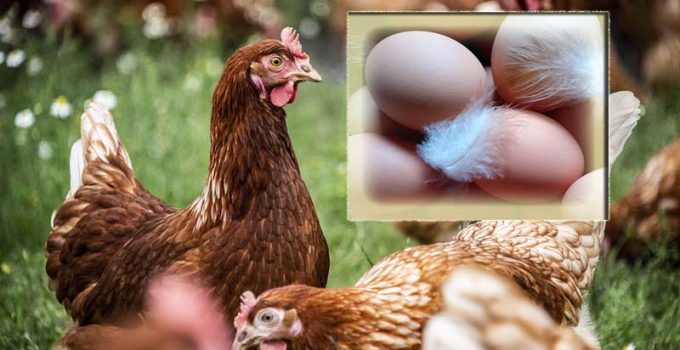
No Eggs Yet? Discover 5 Shocking Reasons Your Layers Refuse to Lay Eggs (And How to Fix Them Fast!)
Let’s be honest, as a poultry farmer, nothing frustrates a layer farmer more than opening the nest box and finding… nothing there.
You’ve fed them. You’ve housed them. You’ve waited patiently.
Yet, no eggs.
Before you start blaming your birds, village people or thinking you’ve failed, relax.
This problem is very common, and in most cases, it’s completely fixable.
From real farm experience, I can tell you this: when layers refuse to lay eggs, they are trying to “tell you” something is definitely wrong.
Let’s break it down in a simple, practical way:
First, Understand This: When Your Layers Refuse To Lay Eggs (Very Important!)
Egg production is controlled by light, nutrition, stress, and the bird’s body condition. If any of these is off, laying will stop.
So instead of guessing, let’s go straight to the 5 biggest mistakes farmers make when their layers refuse to lay eggs.
-
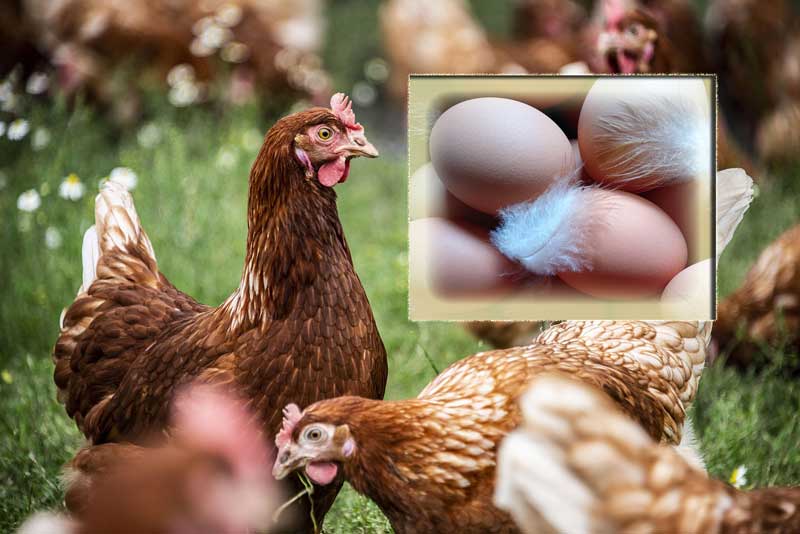
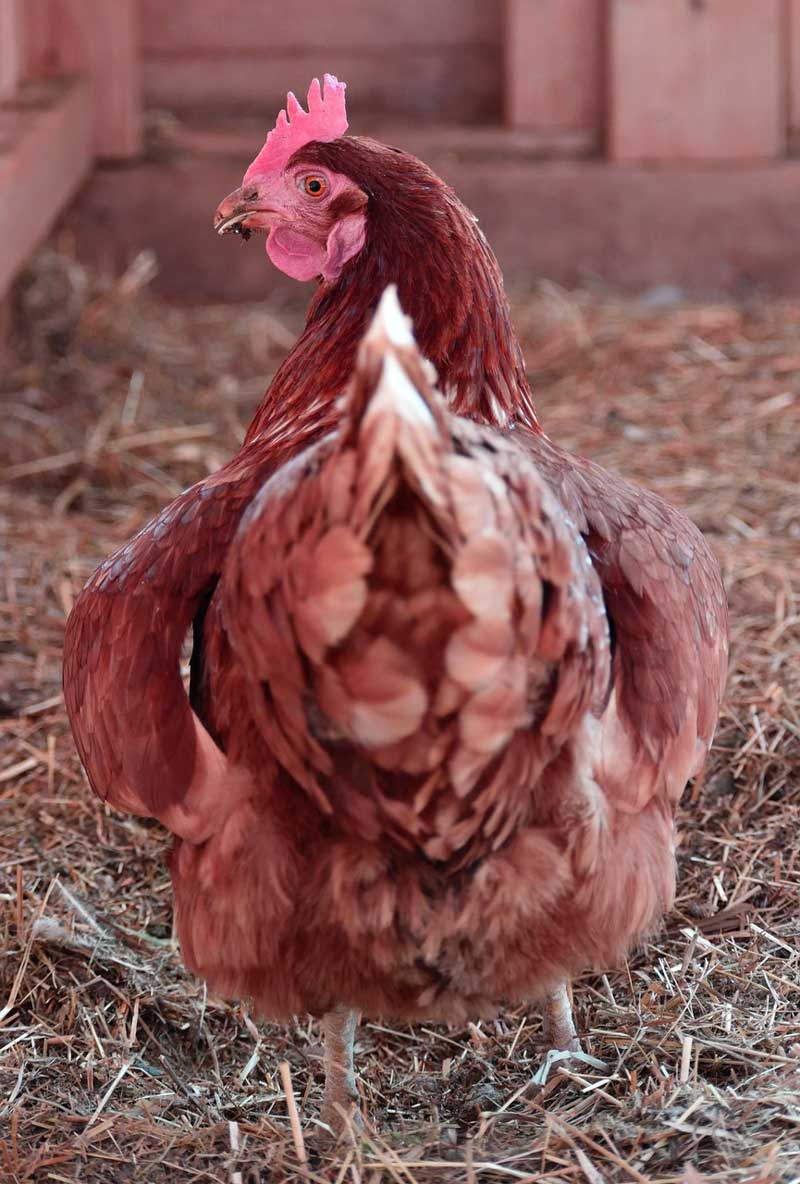
When your layers refuse to lay eggs, probably you’re feeding them Like Broilers (Wrong Diet!)
The major Issue
Many local farmers feed layers:
- Maize only
- Kitchen scraps
- Low-protein feeds
This is a big mistake.
Egg production requires:
- 16–18% protein
- High calcium for shell formation
Without these, your hens may look healthy, but they won’t lay eggs.
Simple Feeding Diagram
Basic Balanced Layer Diet:
[ Maize ] + [ Protein (Soybean/GNC) ] + [ Calcium (Oyster shell) ] + [ Vitamins ]
↓
Strong Egg Production
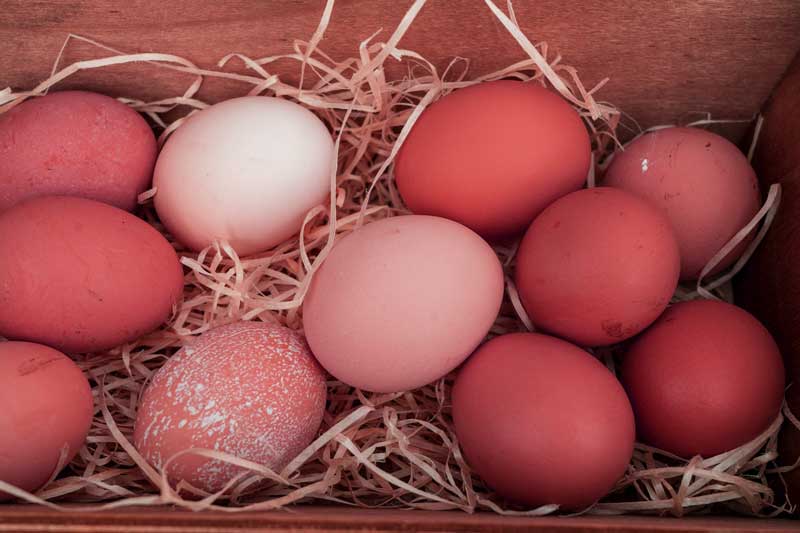
Practical ways you can fix it
From real farm experience:
- Use layer mash or pellets
- Add crushed oyster shell or bone meal
- Avoid too many treats (they dilute nutrients)
If your birds rush for food but still don’t lay, poor nutrition is likely the problem.
Related article:
Layer Farming: How to Do It the Right Way
10 Profitable Farm Businesses Young People Are Ignoring
-
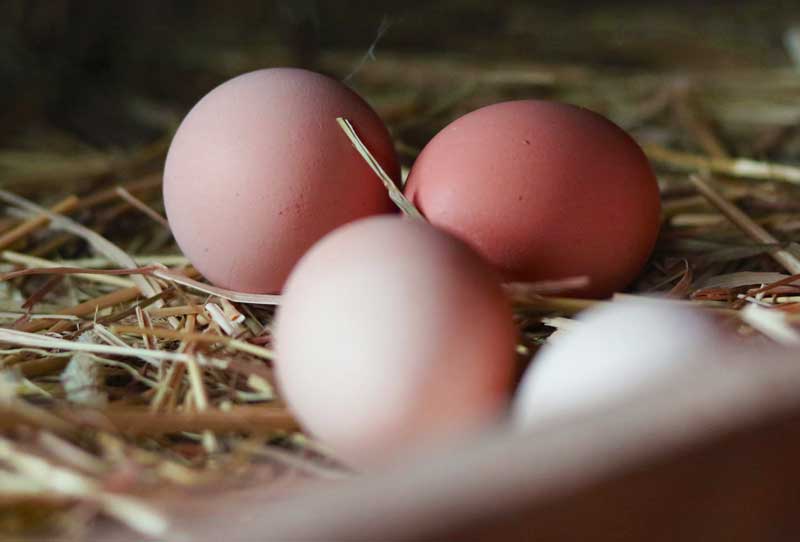
Another Major Reason Why Layers Refuse To Lay Eggs, It May Be That They Are Not Yet Ready (Age Mistake)
The Problem
Some farmers panic too early.
Most layers start laying at:
- 5–6 months (18–24 weeks), which is normal
If your birds are younger, you’re just wasting energy worrying.
Growth Timeline
0–8 weeks → Chicks
8–16 weeks → Growers
18–24 weeks → Start laying
Practical ways you can fix it
- Be patient
- Focus on proper feeding and management
- Avoid stress during this stage
Real-life example:
Many farmers rush to sell birds at 5 months, thinking they are “late”, but they just haven’t matured.
Related article:
7 Daily Habits Every Small to Medium-Scale Farmer Must Master to Turn Loss into Profit
4 Unique Ways You Can Achieve Uniform Body Weight and Growth in Chicken
-
Your Birds Might Be Stressed, That May Be the Reason Why Your Layers Refuse To Lay Eggs (Silent Egg Killer)
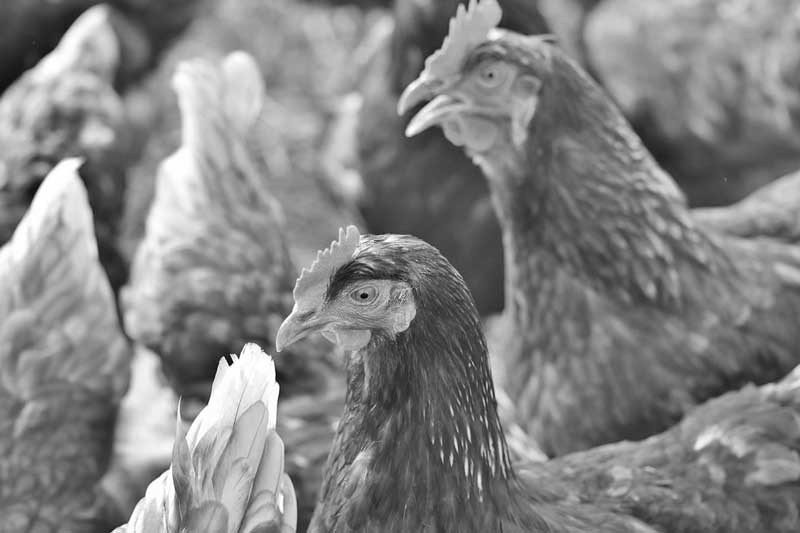
Stress is one of the fastest ways to stop egg production.
Common causes:
- Overcrowding
- Noise (generators, dogs)
- Frequent movement
- Predator threats
- Extreme weather conditions
- Hunger stress
When stressed, chickens prioritise survival over laying.
Stress Effect Diagram
Stress high↑ → Feed Intake low↓ → Egg Production low ↓
Practical ways you can fix the problem
- Reduce noise around the pen
- Avoid constant chasing or handling
- Maintain proper stocking density
- Protect from predators
- Provide feed at the appropriate time
Even changing feeders suddenly can stop your layers from laying eggs for days.
Related article:
From Backyard Plant to Poultry Medicine: 5 Amazing Benefits of Aloe Vera to Poultry Chickens
Feed Is Money: 5 Proven Strategies Successful Poultry Farmers Use to Reduce Feed Waste Every Day
-
Why Your Layers May Refuse to Lay Eggs: Your Lightning System in Their Pen Is Poor (Very Common in small-holding farms)
The Problem
Egg production depends heavily on light.
Hens need:
- 14–16 hours of light daily to lay well
In low light conditions, production drops sharply.
Light Requirement Illustration
Less Light (8–10 hrs) → Few or No Eggs
Adequate Light (14–16 hrs) → Good Egg Production
- Provide artificial light in the morning or evening
- Use simple bulbs in your poultry house
Practical example:
- Turn on the light from 5 am to 7 am
- This alone can boost laying significantly
Related article:
5 Shocking Ways Your Poultry Birds Spread Farm-Wrecking Diseases
4 Unique Ways You Can Achieve Uniform Body Weight and Growth in Chicken
-
Your Birds Are Going Through Natural Changes (And You Don’t Know)
The Problem may be due to:
Sometimes, it’s not your fault at all.
Your birds may stop laying due to:
- Moulting (feather shedding)
- Extreme heat
- Illness or parasites
During moulting, hens stop laying because nutrients go into feather growth instead.)
Molting Process
Old Feathers Fall = New Feathers Grow = Egg Laying Stops Temporarily
How you can solve this problem
- Increase protein during moulting
- Ensure clean and fresh water (eggs are ~75% water))
- Deworm regularly
- Watch for signs of disease
Real farm tip:
Many farmers think birds are “spoilt” during moulting, meanwhile, it’s completely natural.
Related article:
How to Start Cow Fattening Business: Using What Your Farm Already Produces To Feed Your Cows
Grass-Fed vs. Grain-Fed: Uncover the Best for Your Cows!
Caring For Goats during the Raining Season, Best Strategy to Employ.
You Might Be Collecting Eggs Wrongly!
Sometimes… your birds are actually laying
But:
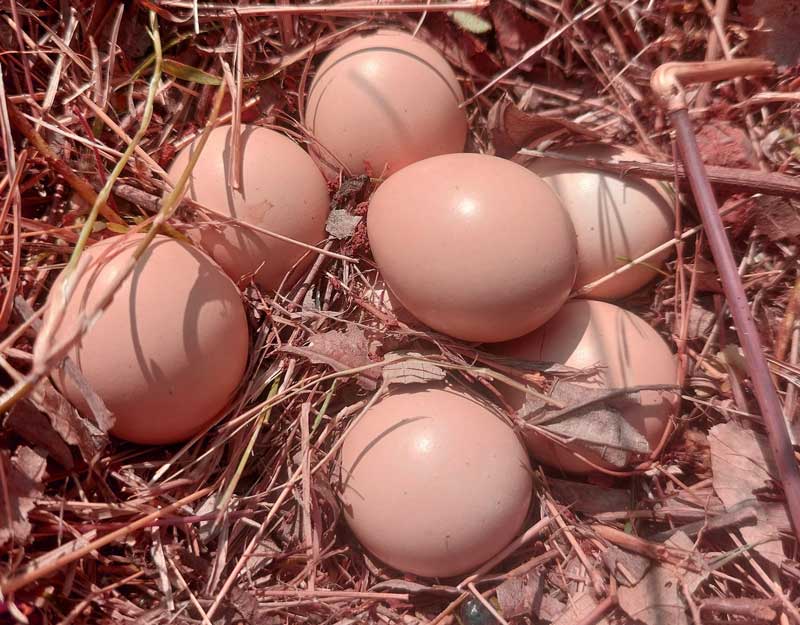
- They hide eggs
- They lay in bushes
- Other birds eat the eggs
This is very common in free-range systems.
How you can resolve this issue
- Provide clean, dark nesting boxes
- Check hidden corners
- Collect eggs 2–3 times daily
Summary
Here’s a quick summary you can remember:
| Problem | What Happens | Quick Fix |
| Poor feeding | No nutrients for eggs | Use balanced layer feed |
| Wrong age | Too early or too old | Be patient or replace the flock |
| Stress | Birds shut down laying | Reduce disturbances |
| Poor lighting | Hormones not triggered | Add artificial light |
| Moulting/health | Body shifts focus | Improve care & nutrition |
Conclusion
If your layers refuse to lay eggs, don’t panic.
In most cases:
It’s not witchcraft or village people
It’s not bad luck
It might be a management issue
Small adjustments can quickly turn things around.
Simple Action Plan You Can Start Today
- Check feed quality
- Add calcium source
- Reduce stress
- Improve lighting
- Observe your birds closely
Do this consistently, and within 1–3 weeks, you should start seeing results.