Home Cow Fattening: How to Prevent Bacterial Infections, Dampness, and Keep Stall-Fed Cattle Healthy
Home cow fattening is becoming one of the most profitable livestock businesses in many tropical countries, especially in Nigeria.
With increasing demand for quality beef, many farmers are choosing to fatten cattle at home instead of allowing them to roam long distances in search of pasture.
Home-based, Home cow fattening gives farmers greater control over feeding, health management, and security.
It also allows farmers to use locally available crop residues and agricultural by-products to reduce feeding costs. However, keeping cattle in one place also comes with challenges.
The biggest threats to successful stall-fed cattle are damp housing, poor sanitation, and bacterial infections.
A wet environment encourages disease-causing bacteria to multiply rapidly. Once one animal becomes sick, the infection can spread quickly throughout the herd if proper management practices are not followed.
The good news is that these problems can be prevented with good management. You do not need expensive equipment or sophisticated technology.
Simple daily routines can make a huge difference in keeping your cattle healthy and growing steadily.
In this article, you will learn practical ways to prevent bacterial infections, manage dampness, and keep your stall-fed cattle healthy and productive.
Why Home Cow Fattening Is Growing in Tropical Areas
Many farmers now prefer stall-feeding because grazing land is becoming scarce. Urban expansion, crop farming, and land disputes have reduced the amount of natural pasture available.
Home Cow fattening also offers several advantages:
- Better control of feeding
- Faster weight gain
- Reduced energy loss from walking long distances
- Easier health monitoring
- Protection against cattle theft
- Better manure collection for crop production
However, these benefits can only be achieved if the animals live in a clean, dry, and comfortable environment.
Related article:
A Practical Step-by-Step Guide to Profitable Cow Fattening Business in Just 3–6 Months
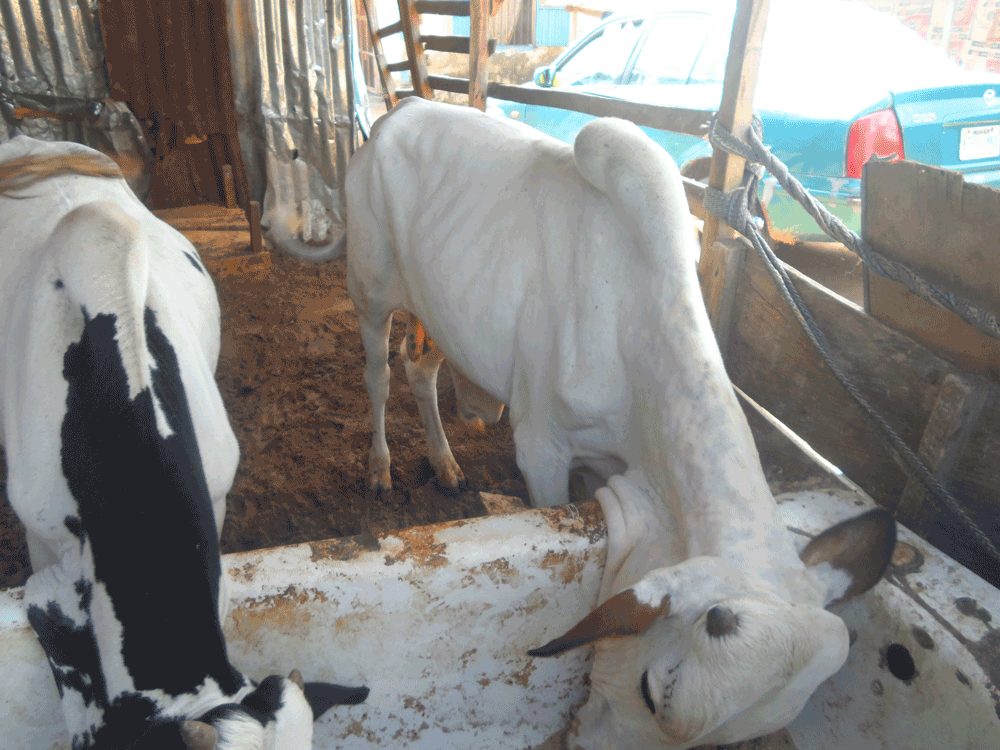
Home cow fattening Starts with Good Housing
Housing is one of the most overlooked aspects of cattle fattening.
Many farmers spend heavily on buying quality cattle but ignore the importance of the pen where the animals stay every day.
A poorly constructed cattle house can become a breeding ground for bacteria.
The ideal cattle pen should have:
- Good drainage
- Adequate ventilation
- Strong roofing
- Dry flooring
- Enough space for every animal
- Easy access to feeding and drinking points
A clean environment reduces stress, improves appetite, and allows cattle to convert feed into meat more efficiently.
Why Dampness Is Dangerous in Cow Fattening
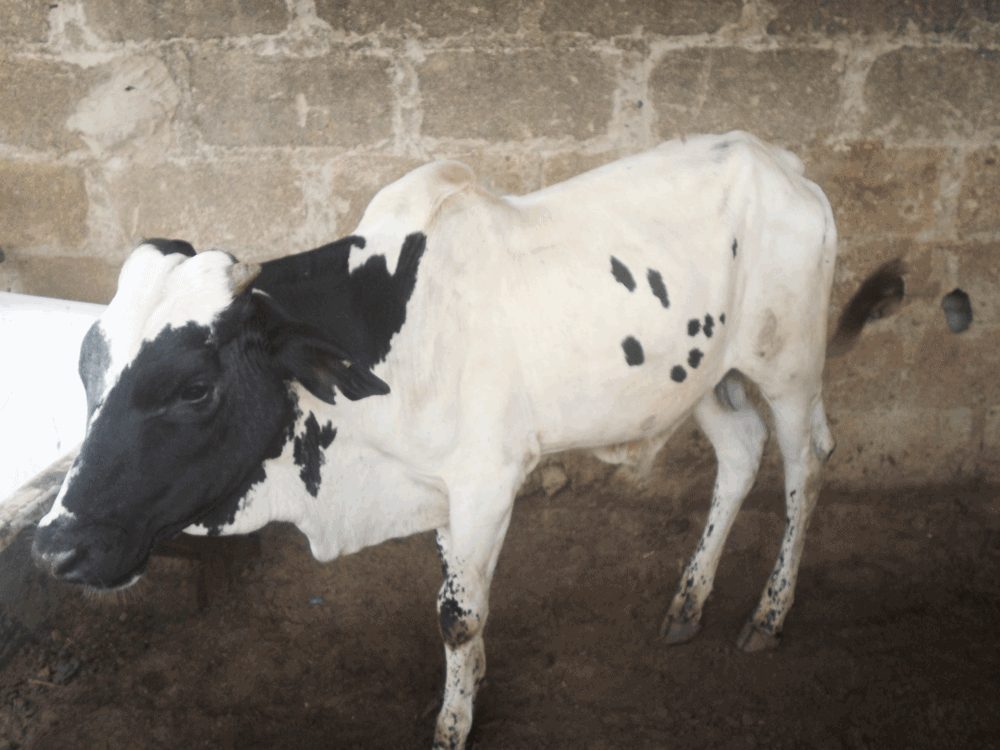
Moisture is one of the biggest enemies of cattle health.
When urine, spilt water, and rainwater accumulate inside the pen, bacteria multiply rapidly.
Wet floors encourage the growth of harmful microorganisms that may cause:
- Foot rot
- Skin infections
- Mastitis in cows
- Pneumonia
- Diarrhoea
- Wound infections
Apart from diseases, damp floors also produce foul smells and increase flies and mosquitoes.
A healthy cow should stand on dry ground most of the time.
Related articles:
5 Ways You Can Start a Small-Scale Cow Fattening Business Right from Your Backyard
How to Start Cow Fattening Business: Using What Your Farm Already Produces To Feed Your Cows
Best Ways You Can Utilise By-Products and Alternative Feeds in Fattening Cow
Simple Ways to Control Dampness During Cow Fattening
Fortunately, controlling moisture is not difficult.
You can:
- Build the floor slightly above ground level.
- Construct proper drainage channels.
- Repair leaking roofs immediately.
- Remove manure every day.
- Replace wet bedding materials.
- Avoid overflowing water troughs.
- Sweep standing water after washing the pen.
Even simple improvements can greatly reduce disease outbreaks.
Keep the Home cow fattening Pen Clean Every Day
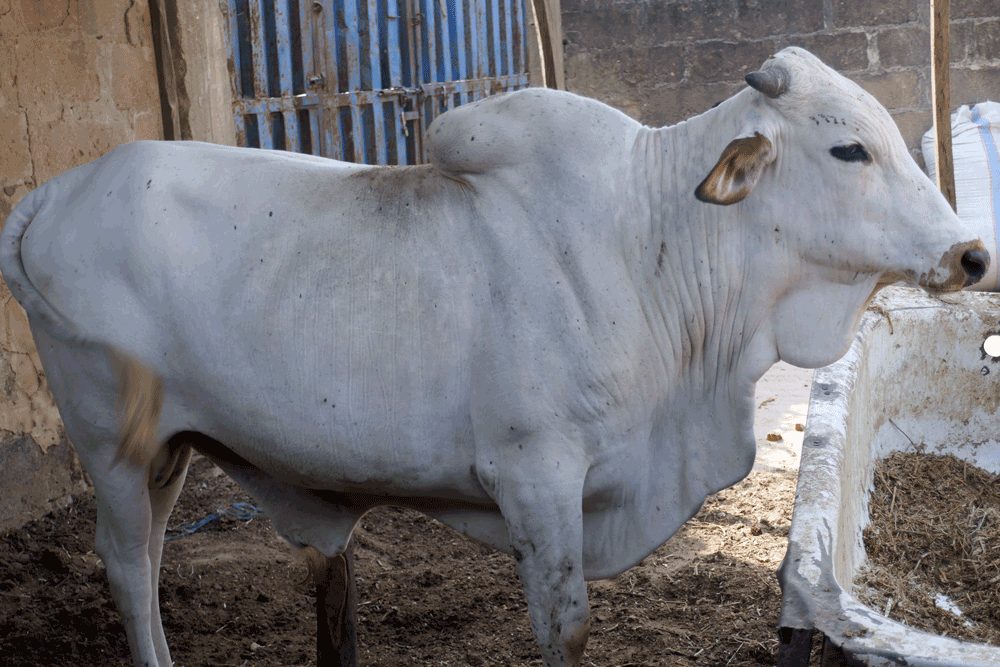
Cleanliness is one of the cheapest medicines on the farm.
Dirty pens attract flies, rodents, and harmful bacteria.
Develop a simple daily cleaning routine.
Every morning:
- Remove manure.
- Sweep leftover feed.
- Wash dirty feeding troughs.
- Clean water containers.
- Remove wet bedding.
Every week:
- Wash the floor thoroughly.
- Disinfect feeding equipment.
- Clean drainage channels.
- Trim surrounding grasses to discourage pests.
Clean farms almost always have healthier animals.
Related articles:
4 Important Lessons I Learnt Over the Years While Fattening Cows
6 Unique Ways You Can Keep Your Cow Healthy During the Fattening Period
How to Engage In Profitable Sheep Fattening For Maximum Profits
Feed Quality Matters in Cow Fattening
Many home-based farmers rely on dry feeds because their cattle do not graze.
These feeds may include:
- Maize stover
- Sorghum stover
- Rice straw
- Groundnut haulms
- Cowpea haulms
- Dry grasses
- Hay
- Crop residues
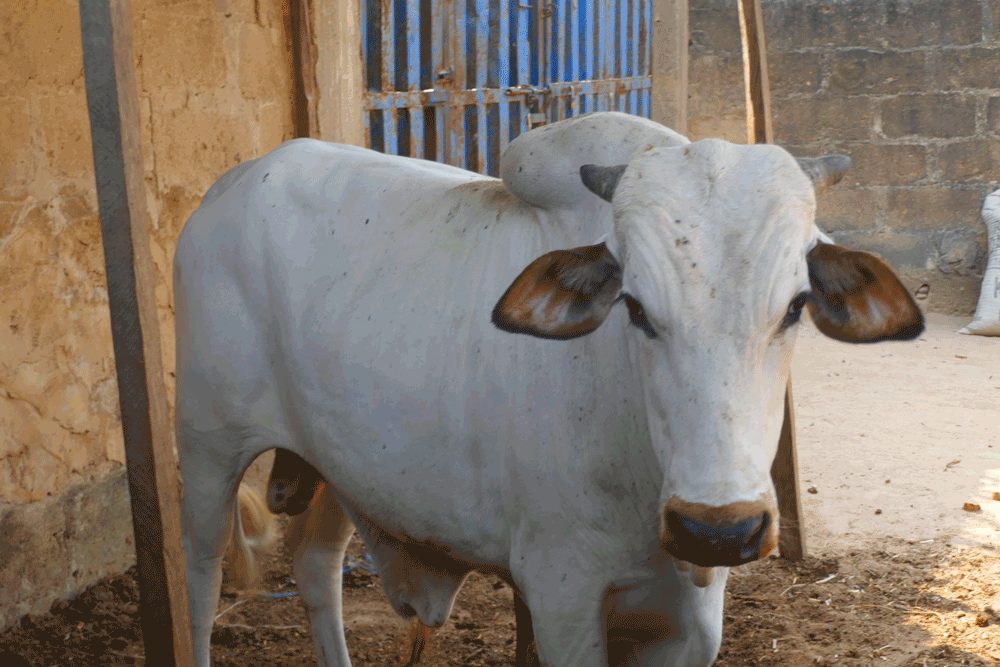
These feeds are useful, but they must be properly stored.
Never feed mouldy or rotten feed.
Mould produces toxins that weaken the immune system and reduce weight gain.
Always store dry feed in a cool, well-ventilated place protected from rain.
Supplement Dry Feeds During Home Cow Fattening
Dry forage alone may not provide all the nutrients needed for rapid weight gain.
You can improve performance by adding:
- Wheat offal
- Maize bran
- Brewer’s grains
- Cottonseed cake
- Groundnut cake
- Palm kernel cake
- Molasses (where available)
- Mineral salt licks
- Clean drinking water
A balanced diet strengthens the immune system and helps cattle resist infections naturally.
Related articles:
Thinking of Cattle Fattening at Home? Avoid These 4 Expensive Mistakes First!
Your Cow Is Fat, but Your Pocket Is Empty: 7 Smart Ways Cow Fatteners Can Beat Market Middlemen
Grass-Fed vs. Grain-Fed: Uncover the Best for Your Cows!
Water Hygiene Is Essential in Home Cow Fattening
Many farmers pay attention to feed but ignore water quality.
Dirty water spreads bacteria very easily.
Water troughs should be cleaned daily.
Fresh water should always be available.
Never allow:
- Green algae
- Mud
- Rotting feed
- Bird droppings
- Animal waste
to remain inside drinking containers.
Healthy cattle drink a lot of water.
The cleaner the water, the healthier the animals.
Prevent Bacterial Infections Before They Start
Preventing disease is much cheaper than treating it.
Once bacteria spread inside a cattle pen, treatment becomes expensive.
Good prevention includes:
- Daily observation
- Proper sanitation
- Good nutrition
- Vaccination
- Parasite control
- Isolation of sick animals
Do not wait until several animals become sick before taking action.
Early intervention saves money.
Signs of Infection During Home Cow Fattening
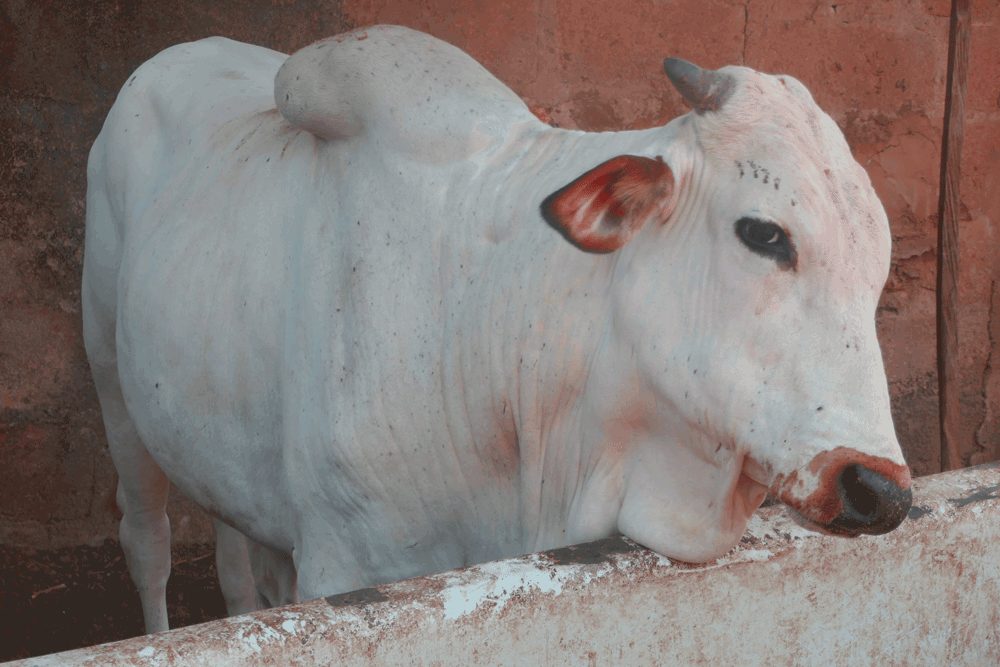
Every farmer should know the early warning signs.
Watch for:
- Loss of appetite
- Fever
- Nasal discharge
- Persistent cough
- Swollen joints
- Diarrhoea
- Excessive drooling
- Difficulty standing
- Bad-smelling wounds
- Sudden weight loss
Any unusual behaviour should be investigated quickly.
Early treatment usually gives better results.
Related articles
10 Profitable Farm Businesses Young People Are Ignoring
Transform Your Farming: Harvest 30 Bags of Maize Per Acre
5 Reasons Your Cattle Are Not Reaching Market Weight on Time
Reduce Stress in Home Cow Fattening Practice
Stress weakens the immune system.
Stressed cattle are more likely to become sick.
Common causes include:
- Overcrowding
- Excessive heat
- Poor ventilation
- Rough handling
- Lack of water
- Sudden feed changes
- Long transportation
Handle cattle calmly.
Provide shade during extremely hot afternoons.
Avoid unnecessary shouting or beating.
Comfortable animals eat better and gain weight faster.
Control Flies and Other Disease-Carrying Pests
Flies do more than irritate cattle.
They spread bacteria from manure to wounds and feed.
To reduce flies:
- Remove manure daily.
- Keep feed covered.
- Eliminate standing water.
- Maintain proper drainage.
- Dispose of waste properly.
- Use approved insect control methods when necessary.
A cleaner environment naturally reduces pest populations.
Work Closely with a Veterinarian
Even experienced farmers cannot diagnose every disease correctly.
Build a relationship with your local veterinarian or livestock extension officer.
Regular health checks can help identify problems before they become serious.
Vaccination schedules should never be ignored.
If one animal becomes sick, isolate it immediately until proper diagnosis is made.
Quick action protects the rest of the herd.
Good Records Improve Home Cow Fattening Success
Successful farmers keep records.
Simple records should include:
- Purchase dates
- Weight gains
- Feed consumed
- Health treatments
- Vaccinations
- Deworming
- Mortality
- Expenses
- Sales
These records help you identify what works and where improvements are needed.
Good record keeping also helps when applying for loans or livestock support programmes.
Conclusion
Successful Home cow fattening is not only about feeding large quantities of feed. Healthy cattle grow faster, convert feed more efficiently, and produce better profits than animals constantly battling disease.
In tropical climates, where heat, humidity, and heavy rains create favourable conditions for bacteria, farmers must pay close attention to housing, hygiene, drainage, feeding, and water quality.
A dry, clean, and well-ventilated cattle pen is one of the best investments you can make.
Remember, preventing bacterial infections is always cheaper than treating them. Simple habits such as removing manure daily, providing clean water, storing feed properly, and observing your animals closely can save you high veterinary costs while improving weight gain.
Whether you are fattening two cattle in your backyard or managing a large commercial operation, consistent management is the secret to success.
Healthy cattle are productive cattle, and productive cattle put more money in the farmer’s pocket.
Start making small improvements today, and you will see the difference in the health, growth, and profitability of your cattle tomorrow. Happy Cattle farming!