You Don’t Need to Be Rich to Start Goat Farming: 5 Lies Keeping Aspiring Goat Farmers From Starting
A few years ago, a neighbour visited my farm, stood by the wooden fence, and watched a few healthy does graze with their kids. He sighed, shook his head, and said, “I’d love to do this, but I just don’t have the cash to build a proper setup.”
I had to laugh, because when I started out, my “setup” was little more than scrap lumber, an old corrugated iron roof that leaked whenever it rained heavily, and two local does I bought off a trader down the road.
If you talk to ten people about getting into agriculture, nine of them will tell you that livestock requires deep pockets.
They’ll show you photos of fancy steel sheds, imported breeds that cost a fortune, and automated feeding systems.
It looks impressive, sure, but it also scares off some of the best potential farmers before they even buy their first animal.
Goat farming is one of the most forgiving, adaptable, and profitable livestock ventures a small- or medium-scale farmer can undertake. But to get started, you have to separate real farm requirements from pure noise. Let’s talk about five big lies that might be holding you back—and what the reality actually looks like on the ground.
Lie 1: “You Need a Huge Piece of Land Before You Can Buy Your First Goat”
This is probably the single biggest reason people put their dreams on hold. They think unless they own ten acres of lush pasture, starting is impossible.
The reality? Goats are not cattle. A single cow needs a substantial amount of space and grass, but goats are browsers, not grazers. They prefer leaves, shrubs, weeds, and vines over flat pasture grass. Because of their size and feeding habits, you can raise a small herd on a modest plot of land using the right management system.
If space is tight, look into a zero-grazing (cut-and-carry) or semi-intensive system. With zero-grazing, you house your goats in an elevated pen and bring the feed—grass, tree foliage, crop residues—directly to them. A well-designed pen measuring just 4 by 6 meters can comfortably house a small starter group of four to six goats, depending on their size and breed.
I’ve seen urban and peri-urban farmers successfully keep a small herd on less than a quarter-acre plot by sourcing fodder from nearby roadside vegetation, market waste (like vegetable scraps), and leased communal land. Don’t let a small plot stop you. Start with two or three animals, learn how they feed, and scale up only as your fodder supply grows.
Related article:
Why Smart Farmers Prefer Castrated Goats: 5 Surprising Benefits You Can’t Afford to Miss
5 Solid Ways You Can Feed Your Goats and Maintain Good Health throughout Their Rearing Period
7 Vital Points that will help you keep Goats in the City Successfully
Lie 2: “You Must Buy Expensive, Purebred Exotic Goats to Make a Profit”
It’s easy to get distracted by flashy breeds on social media—massive Boer bucks or high-yielding Swiss dairy goats that cost more than a decent motorcycle. Beginners often assume that if they don’t buy top-tier genetics from day one, they are wasting their time.
Here is the danger with exotic breeds: they are fragile if you aren’t equipped for them. Purebreds are often bred under high-management conditions. Bring them into a low-budget farm with local climate stress, unfamiliar ticks, and basic feed, and they often struggle or fall sick quickly. Losing an expensive animal in your first three months will ruin your morale—and your bank account.
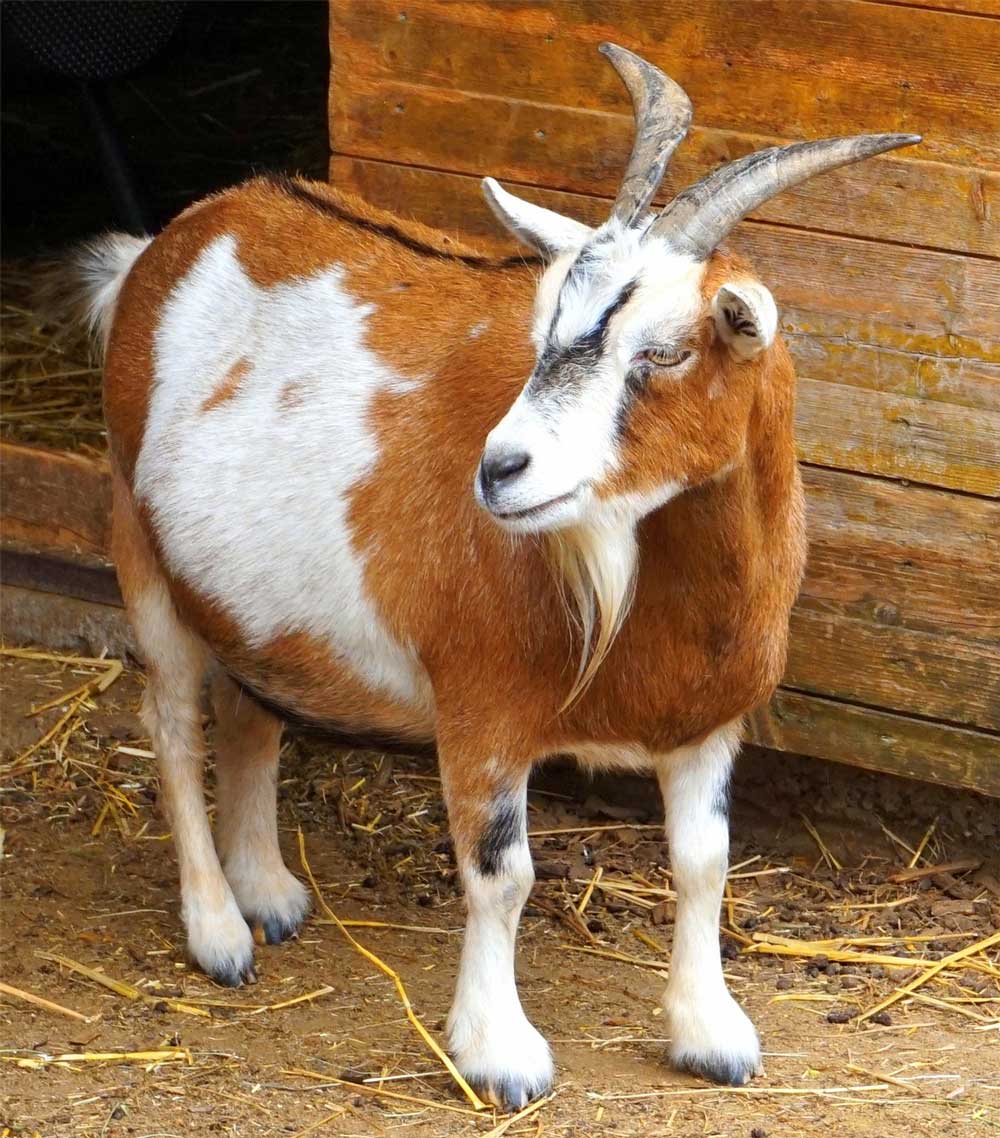
Instead, start with resilient local breeds or crossbreeds native to your region. Local goats may grow a bit slower or produce less milk than high-end exotics, but they possess something far more valuable for a beginner: strong immunity and local adaptability. They know how to handle the heat, survive on local forage, and resist endemic diseases.
Once your management skills improve and your farm generates steady cash flow, you can buy one quality purebred buck to cross with your hardy local does. That single decision upgrades your herd’s genetics over time without breaking the bank.

Lie 3: “Housing Must Be Built with Concrete and Heavy Steel”
When beginners ask for barn designs, they are often shown blueprints that look like modern industrial warehouses. Heavy concrete floors, galvanized steel gates, and brick walls look nice, but your goats really don’t care how much money you spent on the walls.
Goats need three main things from a shelter:
- Protection from rain and cold winds
- A dry, clean place to sleep
- Proper airflow to prevent respiratory issues
That’s it. Mud, moisture, and poor ventilation kill goats—not cheap building materials.
You can build a perfectly functional, elevated goat shed using locally sourced timber, bamboo, or even sturdy tree poles. Raising the floor 3 to 4 feet off the ground using wooden slats allows manure and urine to drop through. This keeps your goats dry, reduces parasite build-up, and makes collecting manure for your crops effortless.
Cover the roof with secondhand iron sheets, thatch, or whatever affordable material keeps the rain off. As long as the structure is secure against predators and sheltered from harsh winds, your goats will thrive. Save your capital for good feed and medication, not expensive concrete.
Related articles:
5 Major Ways You Can Use To Maintain Healthy Goats
5 Solid Ways You Can Source Goats for Your Farm

Lie 4: “Commercial Feed is mandatory if You Want Good Results”
Walk into an agrovets store, and the shelves are packed with commercial goat pellets, concentrates, and expensive supplements. It’s easy to think that without buying bags of commercial feed every week, your goats will starve or stay thin.
While commercial feeds have their place—especially for high-yielding dairy goats or intensive fattening operations—relying on them completely will eat your profit margins alive on a small farm.
Goats are naturally equipped to digest high-fiber, diverse plant materials that other farm animals ignore. The key to cheap, high-quality feeding is fodder diversification:
- Leguminous trees and shrubs: Calliandra, Leucaena, Gliricidia, and Pigeon pea leaves are packed with natural protein. Plant a living fence of these around your compound.
- Crop residues: Maize stovers, groundnut vines, cassava tops, and sweet potato vines are excellent feed sources that often go to waste after harvest.
- Grasses: Napier grass, Guinea grass, and Brachiaria can be grown on small edges of your land.

The only things you should never compromise on are clean water and a good mineral salt lick. A simple block of mineral salt kept in the shed gives your goats the micro-nutrients they need to digest their food properly, stay healthy, and reproduce consistently.
Lie 5: “You Need Years of Formal Training or an Agricultural Degree”
I often meet people who say, “I want to keep goats, but I don’t know enough about animal health. What if they all get sick?”
You don’t need a degree in veterinary medicine to run a successful herd. What you do need is practical observation, consistency, and a connection with local experts.
The biggest mistakes new farmers make usually come down to ignoring simple daily routines. Goats communicate their health clearly if you pay attention. A healthy goat is curious, alert, wags its tail, and has a clean, dry nose. A goat that stands alone in a corner with a drooping head, dull eyes, or a hunchback is telling you something is wrong.
Instead of trying to learn everything from a textbook, take these practical steps:
Related articles:
How to Engage In Profitable Sheep Fattening For Maximum Profits
5 Reasons Your Cattle Are Not Reaching Market Weight on Time
How to Become Rich through Cow Fattening
- Find a reliable local vet or livestock officer before you buy your first goat. Get their phone number and ask them about common diseases in your specific area.
- Set up a basic vaccination and deworming schedule. Internal parasites (worms) are the silent killer of goats. Deworming regularly based on your vet’s advice will solve 70% of your health issues.
- Connect with an experienced neighbor. Visit a nearby farmer who has been keeping goats for years. Watch how they handle their animals. Real-world farm experience beats theoretical knowledge every single time.
Making It Work on Your Farm
At the end of the day, successful small scale goat farming isn’t about how much money you drop on day one. It’s about starting small, keeping your overhead costs low, and letting the animals pay for their own expansion.
Start with two or three healthy local does. Build a simple wooden shelter using materials you already have or can get cheaply. Plant some protein-rich fodder along your fence lines. Learn their habits, master their health care, and reinvest the money from your first crop of kids back into the farm.
That is how real, sustainable farms are built, step by step, row by row, animal by animal.
Takeaway: You don’t need a fortune to build a successful farm; you just need a dry shelter, good basic management, and the willingness to start small right where you are.
Over to you: What is the biggest challenge holding you back from starting your farm, or what cheap farming hack has worked best on your own homestead? Share your thoughts in the comments below!