Before You Spray: Why Regular Maize Pest Scouting Is One of the Best Investments on Your Farm
There is a common habit among maize farmers that deserves a second look: seeing a few damaged leaves and immediately reaching for the knapsack sprayer.
I understand why.
You have invested money in seed, land preparation, fertiliser, labour and other inputs. When you see holes appearing on your maize leaves, the first thought is often, “I need to spray before this thing spreads.”
But here is something I have learned from farming: before you spray, first find out what is happening.
That simple habit is called maize pest scouting, and it can save you money, time and sometimes, a significant part of your harvest.
What exactly is maize pest scouting?
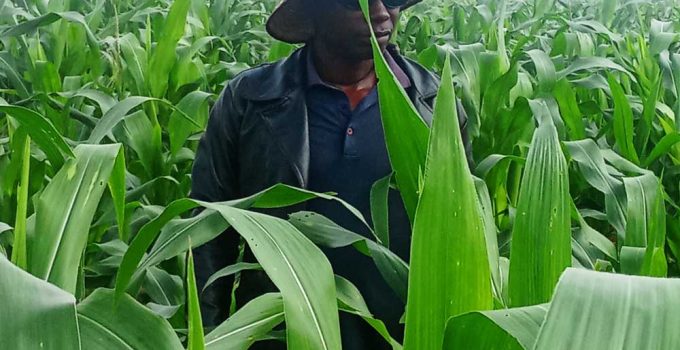
Pest scouting simply means regularly walking through your maize field and carefully checking the plants for signs of insects, diseases and other problems.
You don’t need expensive equipment to start.
A pair of good eyes, a notebook or your phone, and a little patience can take you a long way.
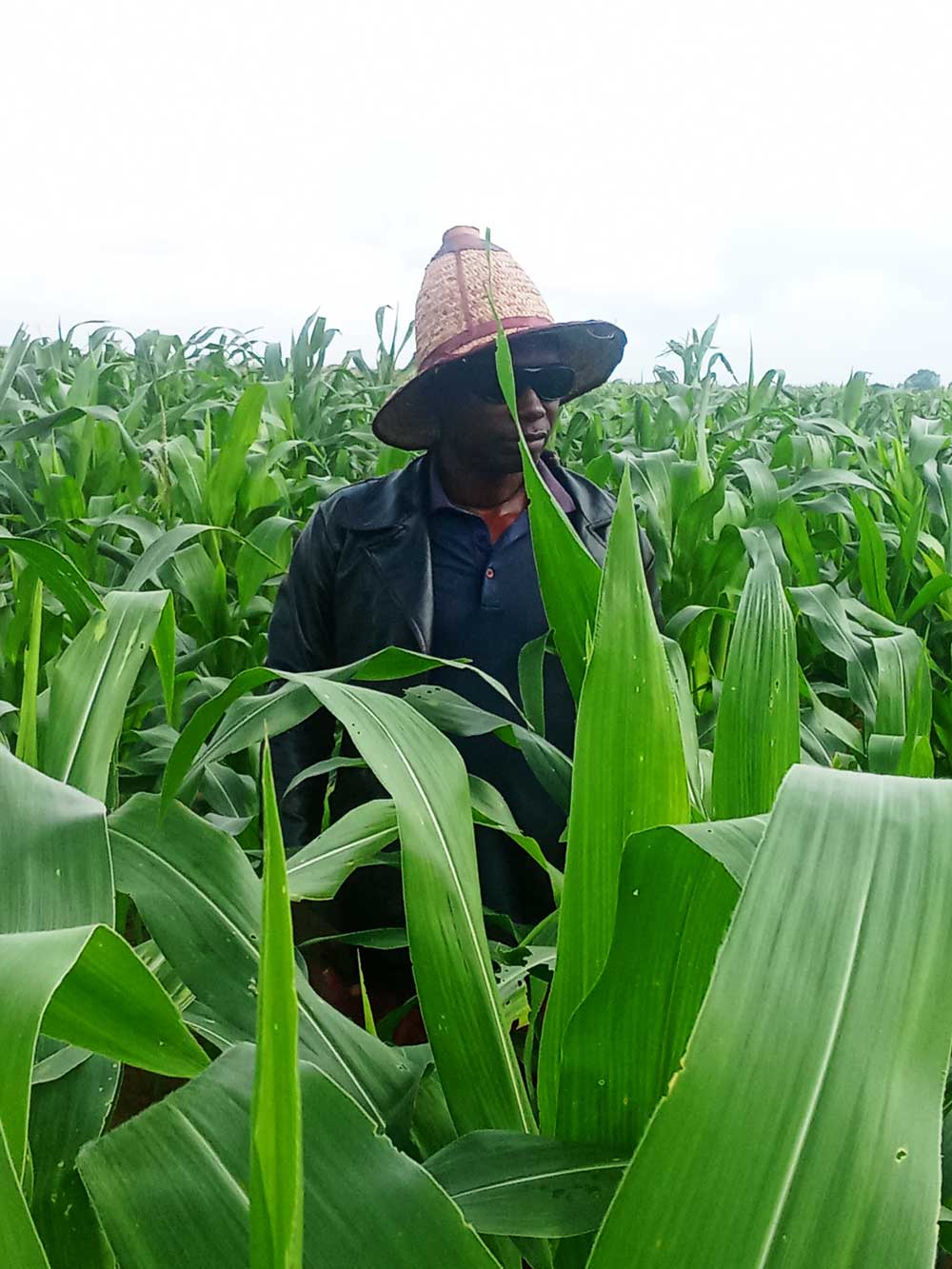
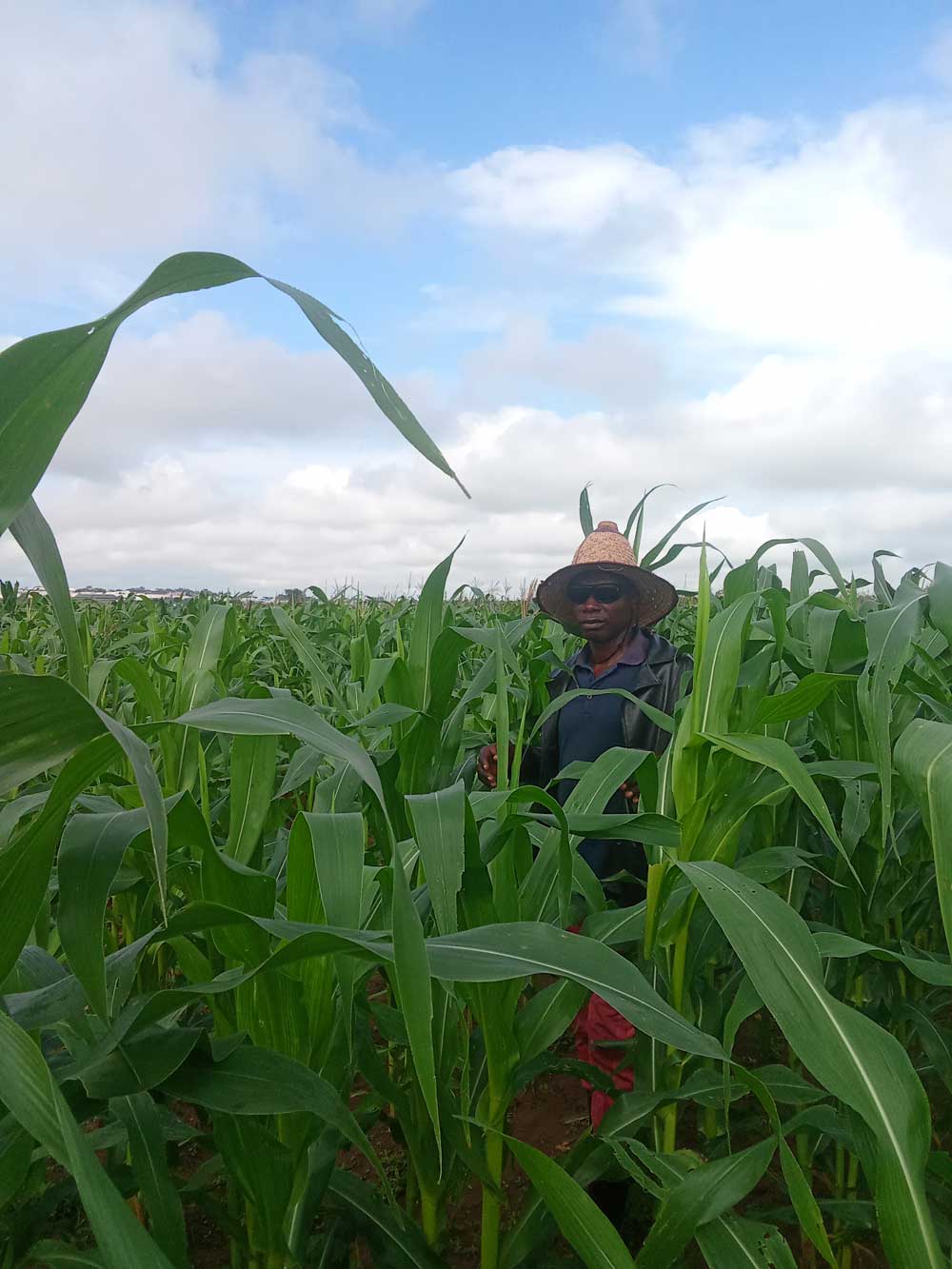
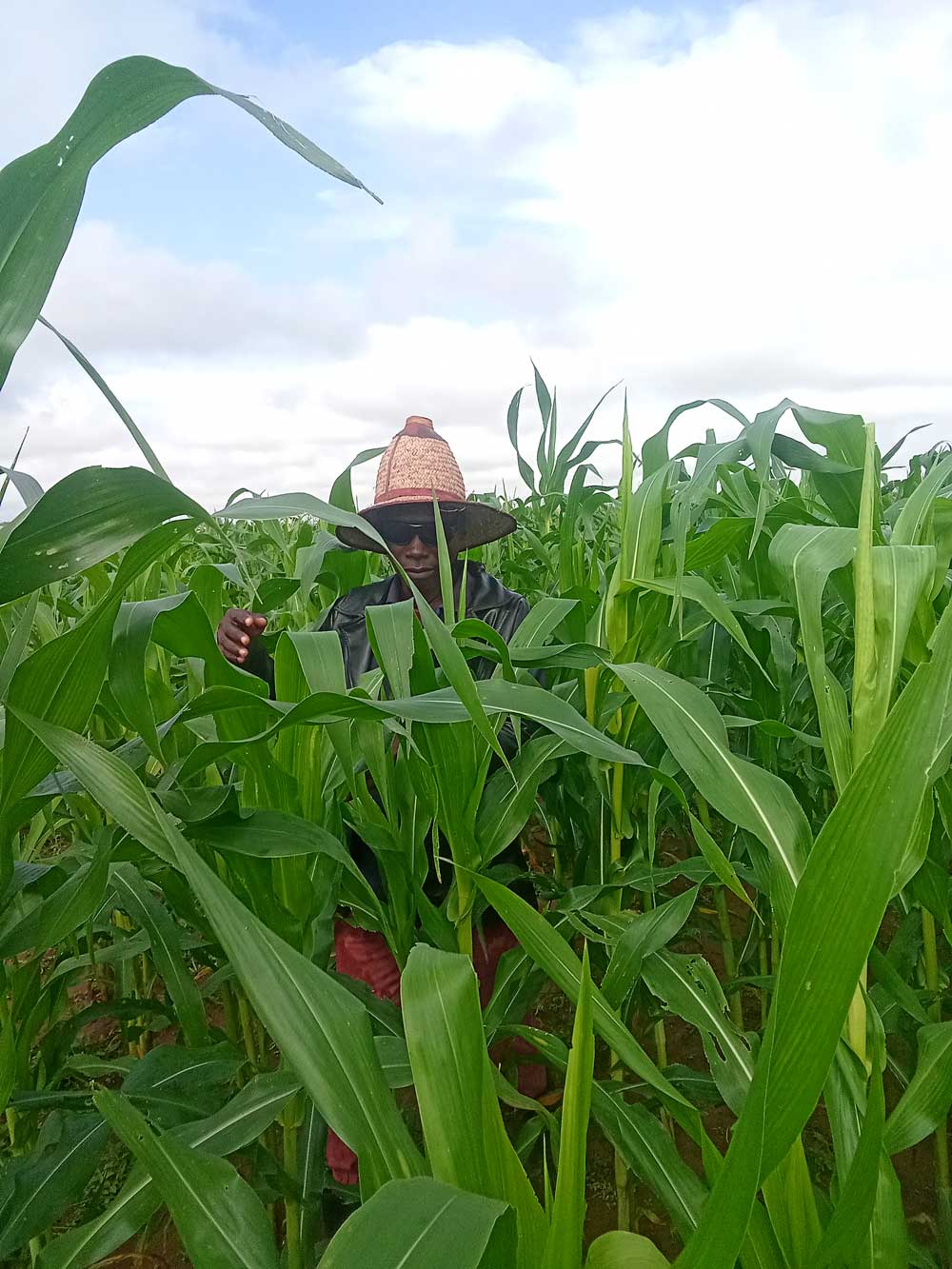
Don’t just stand at the edge of the field and look across the maize. Walk into different sections. Check plants closely. Look at the leaves, stems, whorls and, later in the season, the ears or cobs.
Look for feeding damage, insects, eggs, larvae, droppings or frass, wilting plants, and unusual changes in plant growth.
The important thing is not simply seeing damage. You want to understand what is causing it.
A few damaged leaves do not always mean you should spray
This is where many farmers make mistakes.
Imagine you enter your maize field and find several leaves with small holes. You immediately assume there is a serious insect infestation and spray the entire farm.
But what if the insect is no longer present?
What if the damage is old?
What if only a small section of the field is affected?
Or what if the problem is not even the pest you thought it was?
Some leaf damage can occur without developing into a serious yield-threatening infestation. Other problems, including nutrient deficiencies, disease, herbicide injury or environmental stress, can also produce symptoms that farmers may mistake for pest damage.
This is why scouting should come before spraying whenever practical.
Related articles:
Maize vs. Sorghum in Poultry Feed: Which One Truly Gives You Faster Growth and Bigger Profits?
Maize and Soybeans Master plan: How to Outsmart Pests, Weather, and Market Fluctuations This Season
Transform Your Farming: Harvest 30 Bags of Maize Per Acre
The maize whorl deserves special attention
If you grow maize, learn to inspect the whorl properly.
The whorl is the central part of the young maize plant where new leaves emerge. It can shelter certain insect pests, making them hard to see from a distance.
Fall armyworm, for example, can cause characteristic feeding damage to maize leaves, and larvae may be found around or inside the whorl. Fresh frass may also be visible.
Instead of simply looking at the top of the plant, gently open the leaves and inspect the centre.
You may discover that what looked like a widespread problem from a distance is actually concentrated in particular areas.
That information matters when deciding what to do next.
Don’t scout only when you see a problem
One of the biggest advantages of maize pest scouting is early detection.
If you wait until the maize field is full of badly damaged plants, you may already be dealing with a much more difficult situation.
A farmer who regularly checks the field has a better chance of noticing changes while they are still manageable.
You don’t necessarily need to inspect every plant.
For a small or medium-sized farm, you can walk through different parts of the field using a simple pattern. Check plants from the edges and interior, because pest pressure may not be evenly distributed.
If your field is divided into different sections because of planting dates, soil conditions or management practices, inspect each section rather than assuming the whole farm has the same problem.
Related articles:
7 Reasons Why its Important Farming Your Maize to Feed Your Poultry Birds
3 Vital Stages in Maize Production That Could Lead To Colossal Loss If Left Unsupervised
Look beyond the insects
Good maize pest scouting is not just about finding insects.
Pay attention to the overall condition of the crop.
Are the leaves unusually pale?
Are young plants wilting?
Are some plants being cut near ground level?
Are leaves shredded or showing irregular feeding marks?
Are stems damaged?
Are there dead growing points?
Are cobs developing normally?
Sometimes you may find that the real issue is not an insect at all.
For example, poor growth in one section of a field could be related to waterlogging, drought, soil fertility or another management problem. Treating such a field with an insecticide will not solve the underlying cause.
This is why a farmer should resist the temptation to treat every abnormal-looking plant as a pesticide problem.
Related articles:
Why You Should Utilize the Value Added Products of Maize for Maximum Profit
You Don’t Need to Be Rich to Start Goat Farming: 5 Lies Keeping Aspiring Goat Farmers From Starting
5 Ways You Can Protect Your Eyes While Farming
Maize Pest Scouting can save money
For a small farmer, this is perhaps one of the biggest benefits.
Pesticides cost money. Labour costs money. Fuel costs money. Equipment costs money.
If you spray unnecessarily, you are spending money without necessarily improving the crop.
Maize pest scouting allows you to ask a more useful question:
“Do I actually need to spray, and if so, what exactly am I trying to control?”
Sometimes the answer will be yes. Sometimes it may be no.
And when spraying is necessary, proper scouting can help you choose a control strategy that matches the actual problem instead of simply buying whatever pesticide someone recommends at the agrochemical shop.
Don’t fall into the “stronger chemical is better” trap
Another common mistake is believing that a heavier dose or stronger-looking chemical automatically gives better control.
It doesn’t work that way.
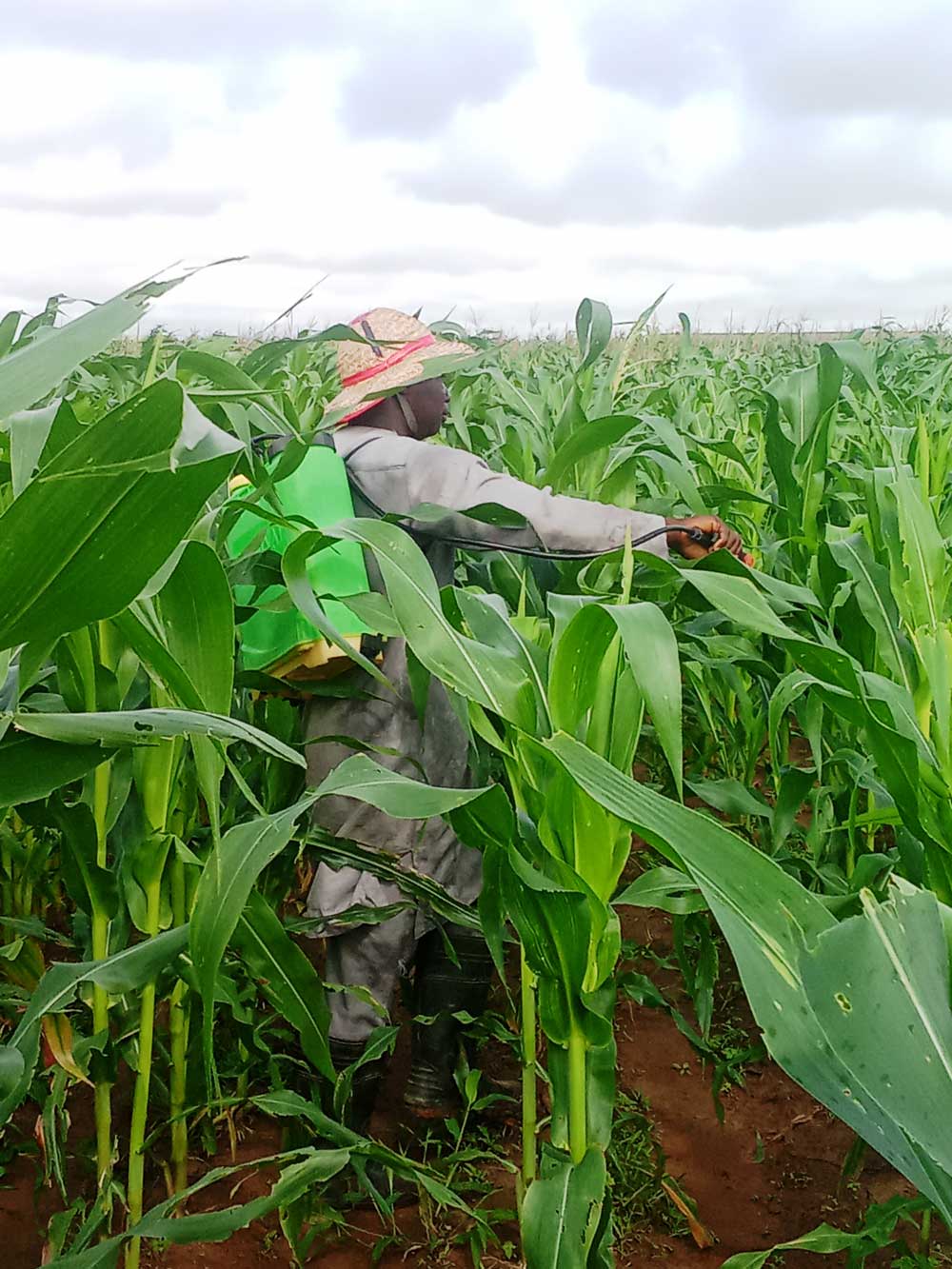
Always follow the product label and use only products legally registered for the crop and target pest in your country. The correct rate, timing, protective equipment, pre-harvest interval and application method matter.
Repeatedly using the same type of pesticide can also contribute to resistance problems in pest populations.
And please don’t mix several pesticides simply because another farmer told you, “I always combine these three, and they work.”
Some combinations may be incompatible, unnecessary or unsafe.
If you are uncertain, ask a qualified agricultural extension professional or other competent local adviser.
Related articles:
6 Ways Lack of Sleep Affects Farm Productivity
Farmer Health Check: Why Regular Medical Check-ups Are as Important as Fertilising Your Crops
Home Cow Fattening: How to Prevent Bacterial Infections, Dampness, and Keep Stall-Fed Cattle Healthy
Weather matters too
Even when you correctly identify the pest and choose an appropriate product, timing matters.
Heavy rain shortly after application can reduce the effectiveness of some treatments. Strong wind can cause spray drift, exposing people, nearby crops, livestock, water sources or other areas unnecessarily.
Very hot conditions can also create problems depending on the product and crop condition.
This is one reason experienced farmers don’t simply say, “Today is spraying day.”
They look at the crop, pest pressure, product instructions and weather conditions before making the decision.
A simple Maize pest scouting routine for farmers
You can make scouting part of your normal farm routine.
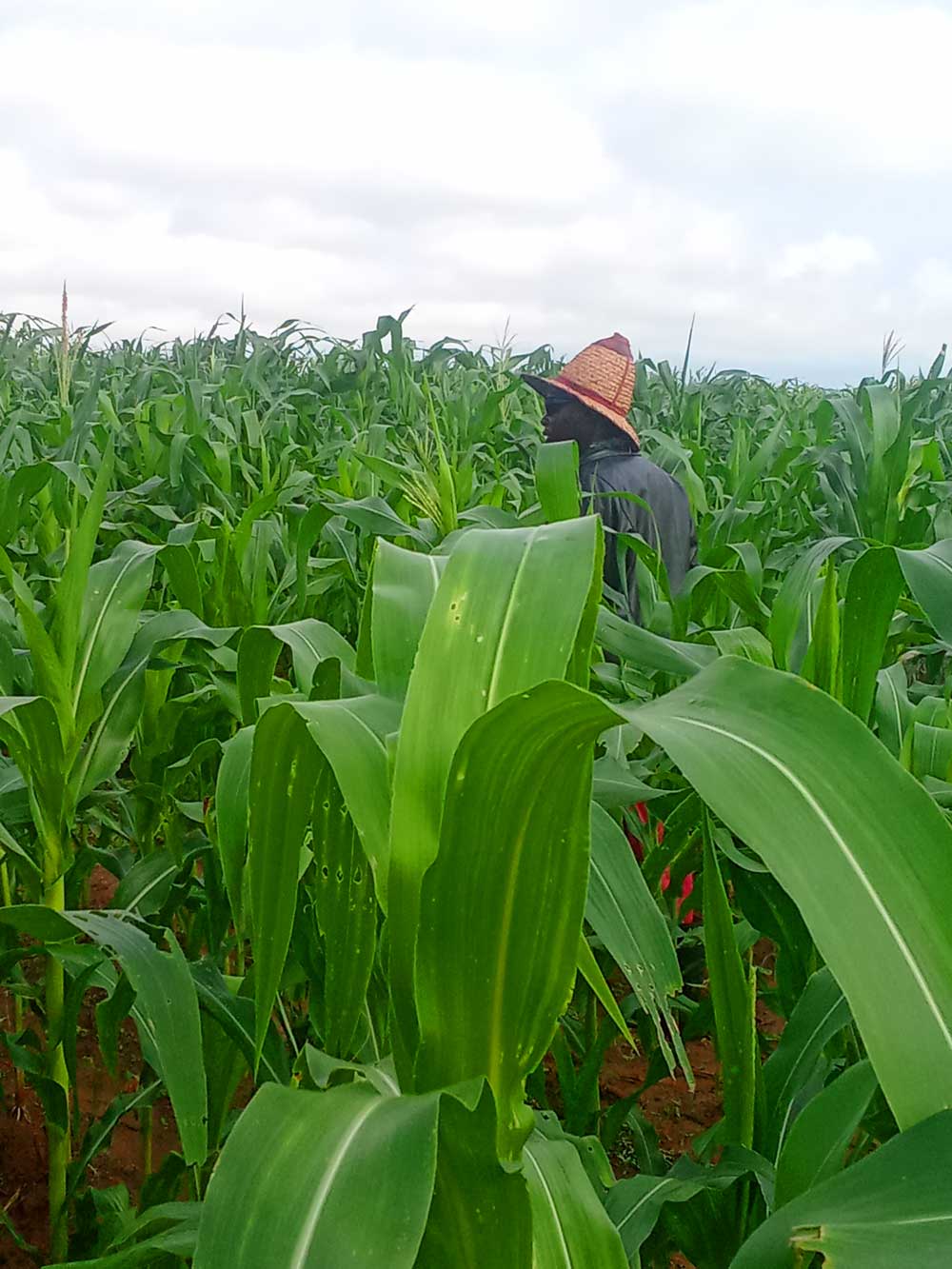
For example, once or twice a week during periods of active pest risk, walk through representative parts of the field.
Don’t always use the same route.
Stop at different points and inspect several plants closely. Record what you see on your phone or in a small notebook.
If you find a suspicious pest, take a clear photograph. If possible, photograph the whole plant, the damaged area and the insect itself.
That record can be very useful when seeking advice.
Over time, you will also begin to recognise what is normal on your farm and what is not.
Related articles:
Maize and Soybeans Master plan: How to Outsmart Pests, Weather, and Market Fluctuations This Season
The Secret Weapon for Higher Soybean Yields: 3 Important Reasons for Pre-Harvest Soybean Scouting
What if the infestation is already serious?
Maize pest scouting is not a magic solution.
Sometimes you will enter a field and discover that the pest problem is already significant. In that situation, don’t waste valuable time pretending the problem isn’t there.
Identify the pest as accurately as possible and seek appropriate control advice.
Depending on the pest, crop stage, infestation level and local recommendations, management may involve cultural, biological, mechanical or chemical methods—or a combination of them.
The important thing is to make the decision based on what is actually happening in the field.
The farmer’s eyes are still one of the most useful tools
We often talk about improved seed, fertilizer, herbicides, pesticides and farm machinery—and rightly so.
But sometimes one of the cheapest tools available to a farmer is simply walking through the field regularly.
A farmer who knows his or her field can notice changes early.
You may see a few damaged plants today that could become a much bigger problem later. You may also discover that the damage is minor and doesn’t justify an unnecessary spray.
That knowledge gives you something valuable: better timing and better decisions.
And remember, pest pressure can vary greatly according to location, season, weather, planting date, maize variety, surrounding vegetation and farm management. What happens on one farm is not automatically what will happen on another.
Conclusion
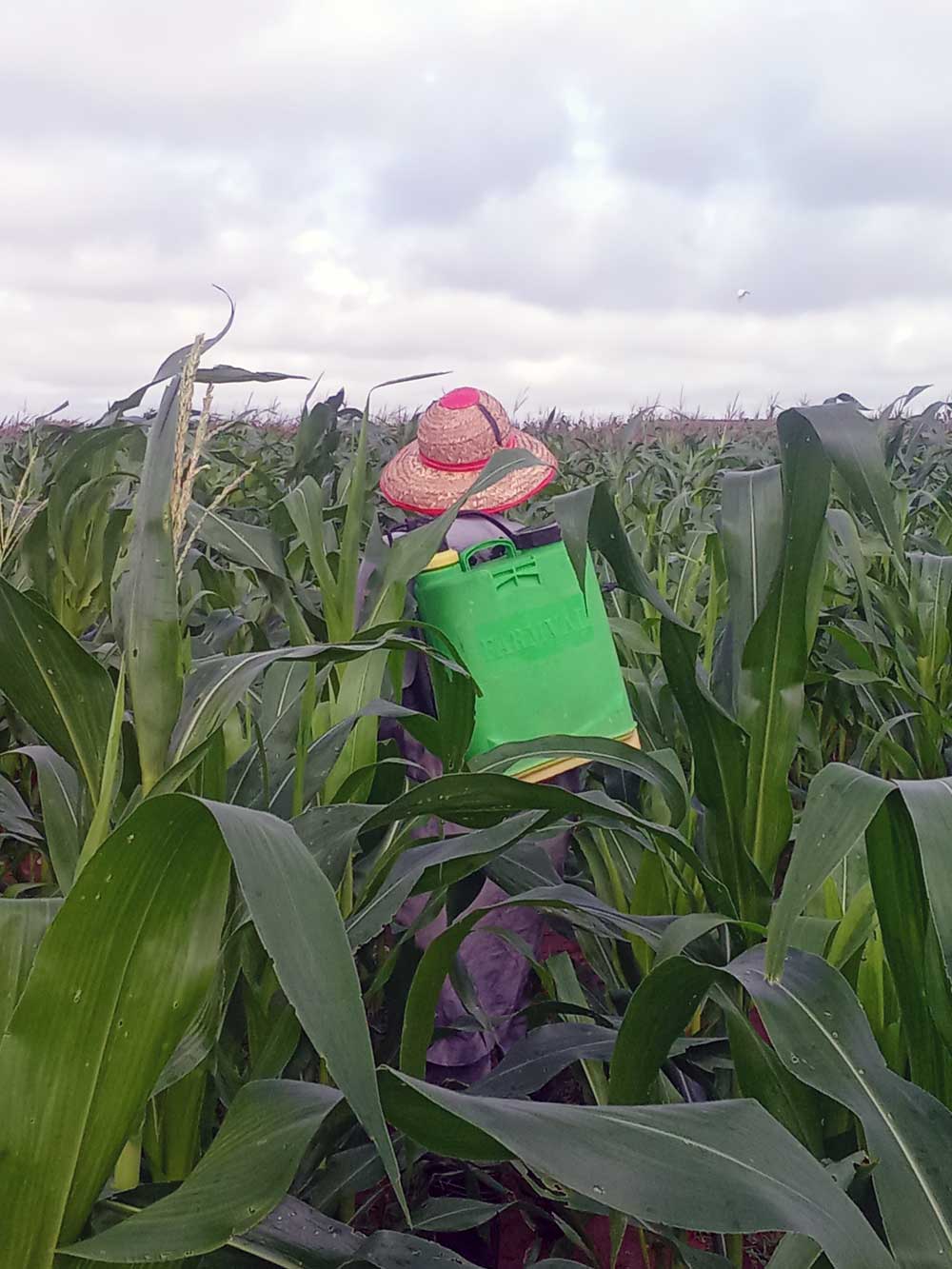
Before you put pesticide into the knapsack, take a walk through your maize field.
Look closely. Identify the problem. Check how widespread it is. Consider the crop stage and weather. Then decide whether control is actually necessary and what method is appropriate.
A good farmer doesn’t spray simply because there is a sprayer available. A good farmer observes first, understands the problem, and then takes action.
How often do you scout your maize farm before spraying, and what is the most serious pest problem you have encountered in your maize field?
Share your experience with other farmers.