How to Farm Smart, Not Hard: To Avoid Burnout in Farming with 7 Simple Daily Habits That Protect Your Energy and Strength
Many farmers believe exhaustion is just part of the job. With long hours, heavy lifting, harsh sun, and endless responsibilities, it feels normal to go home completely drained.
But here is the truth: many successful medium-sized to large commercial farmers quietly understand:
“Burnout in farming is not a badge of honour, it is a productivity killer if not checked”.
When your body breaks down, your brain slows down. Injuries increase. Mistakes happen. Decision-making gets poor.
Medical bills rise. And in serious cases, farmers are forced to step away from operations during peak season.
The good news? You don’t need expensive machinery or a large workforce to protect your energy.
Small daily habits can dramatically reduce strain, prevent burnout, improve stamina, and keep you strong season after season.
Let’s walk through 7 simple yet powerful habits that experienced, seasoned farmers use to work smarter without damaging their health.
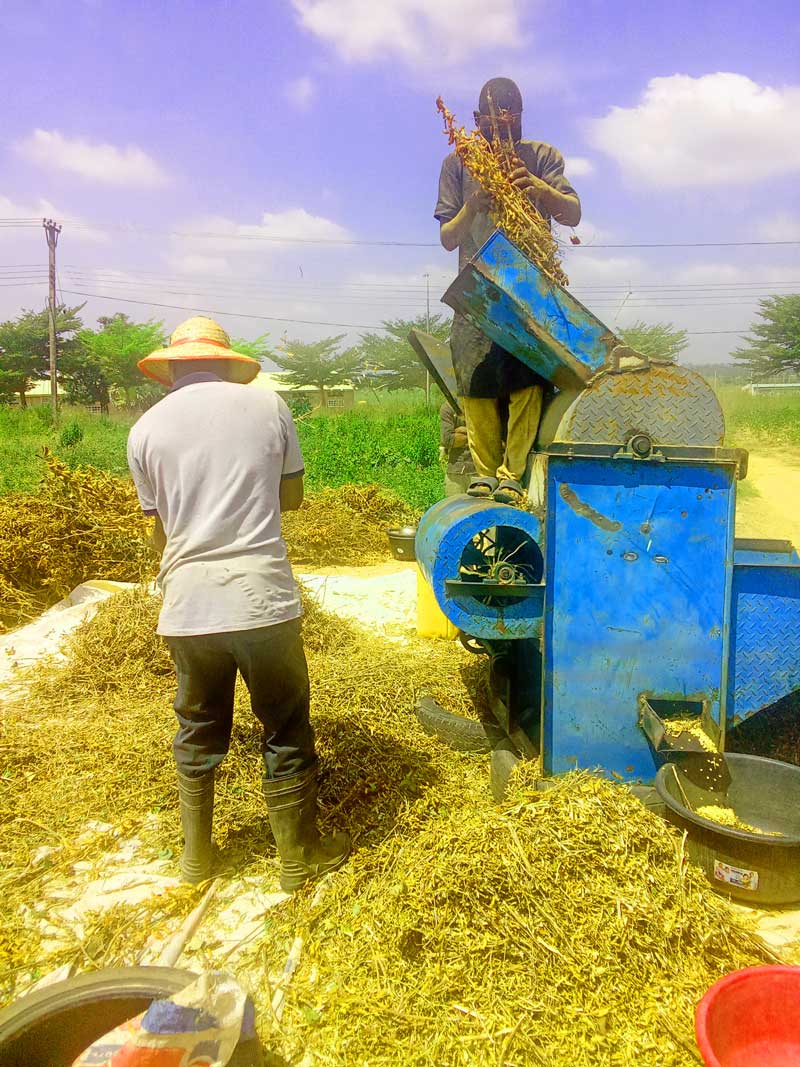
Threshing soybeans in the field
-
on How to Avoid Burnout in Farming: Always Start Your Day with A 5-Minute Body Wake-Up Routine
Many farmers jump straight from bed into heavy work lifting feed bags, pushing wheelbarrows, bending, and digging.
That’s risky.
Cold muscles tear easily. Stiff joints strain faster. Back injuries often happen in the first hour of work.
A short morning body warm-up improves blood flow, flexibility, and strength.
Simple routine before farm work:
- Shoulder rolls: 20 seconds
- Gentle waist twists: 30 seconds
- Hamstring stretch: 30 seconds each leg
- Arm swings: 30 seconds
- Slow squats: 10 reps
Total time: about 5 minutes.
Farmers who do this consistently report:
- Less back pain
- Better balance
- Higher energy throughout the day
Think of it this way: You warm up your tractor engine before heavy work, your body deserves the same respect.
Related article:
Farming with Little Rain? Discover 5 Proven Ways to Grow Crops in Drought-Prone Areas
Getting Started with Goat Farming Business: A Beginner’s Guide for Smallholders
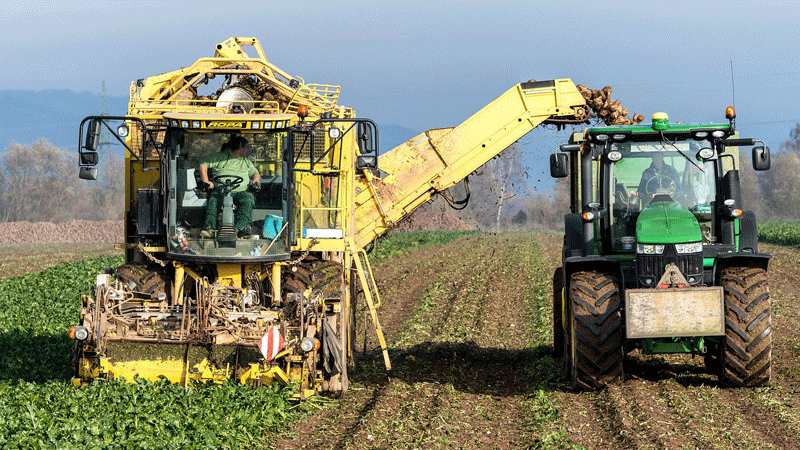
commercial farming
-
One of the ways you can avoid burnout in farming is to plan heavy tasks for your strongest hours
Energy is not constant throughout the day. Most people are strongest:
- Early morning (after breakfast)
- Late afternoon (after rest)
But many farmers do heavy labour randomly whenever work appears.
That leads to unnecessary fatigue.
Instead, group physically demanding jobs into your peak strength periods:
Examples of heavy tasks:
- Lifting feed sacks
- Land clearing
- Carrying water
- Harvest loading
- Repair work requiring force
Schedule lighter tasks when energy drops:
- Record keeping
- Sorting produce
- Equipment checks
- Feeding small livestock
- Planning
This simple adjustment alone can reduce physical exhaustion by 20–30%.
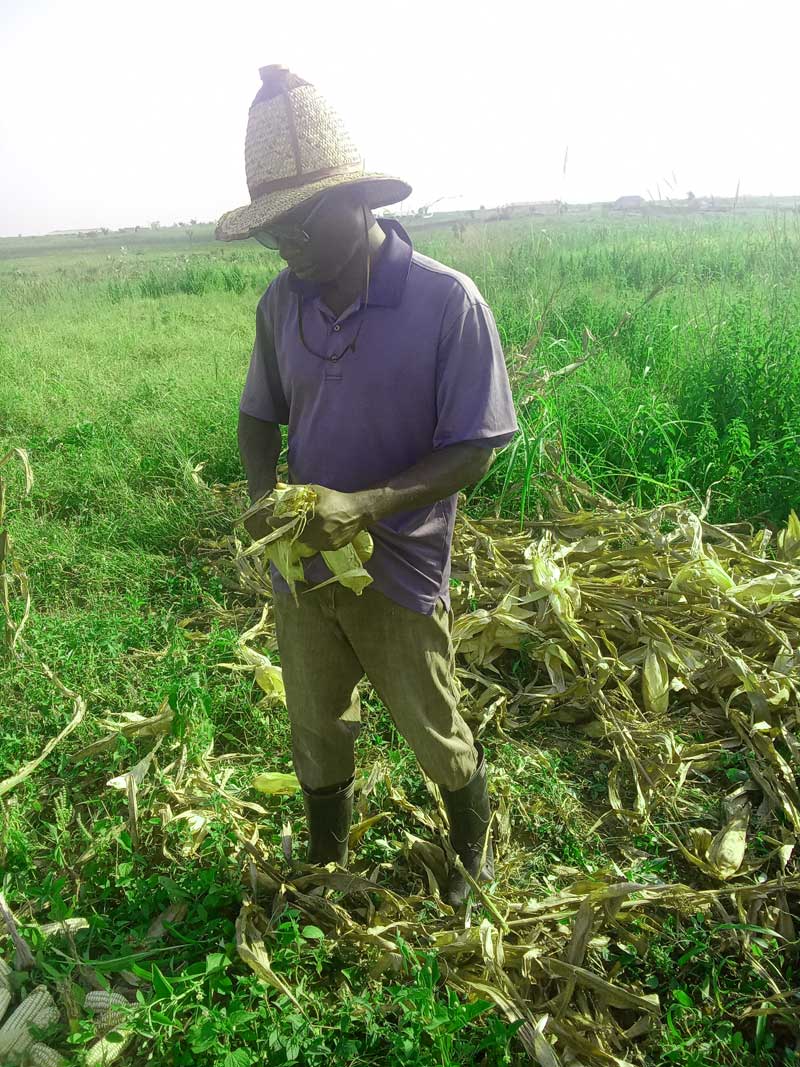
Inspecting maize in the farm during harvest
Related article:
7 Key Advantages and Importance of Constructing a Rabbit Hutch Using Wire Gauze and Rod
7 Reasons Why its Important Farming Your Maize to Feed Your Poultry Birds
-
To Avoid Burnout in Farming, Use the “Lift Close” Rule for Every Heavy Load
Back injuries are one of the biggest long-term problems among farmers.
Most happen because of the distance from the load to the body.
When lifting something far from your body, your spine carries much more pressure.
Always follow this rule:
Keep the load as close to your body as possible before lifting.
Correct lifting steps:
- Stand close to the load
- Bend your knees, not your waist
- Holdthe load tightly against the body
- Lift using legs
- Avoid twisting while carrying
If you must turn, move your feet, not your waist.
Farmers who adopt this habit protect their spines for decades.
- Break Big Jobs Into Work Cycles (Not Marathons) If You Want To Avoid Burnout In Farming
Working continuously for hours feels productive, but it drains your muscles and reduces efficiency.
Your body performs best in cycles.
Use this simple farm work rhythm:
- 50 minutesof work
- 10 minutes recovery
During recovery:
- Sit in the shade
- Drink water
- Stretch lightly
- Relax shoulders
This prevents fatigue buildup.
Surprisingly, farmers who take short recovery breaks often complete more work in a day because they maintain steady strength instead of crashing mid-day.
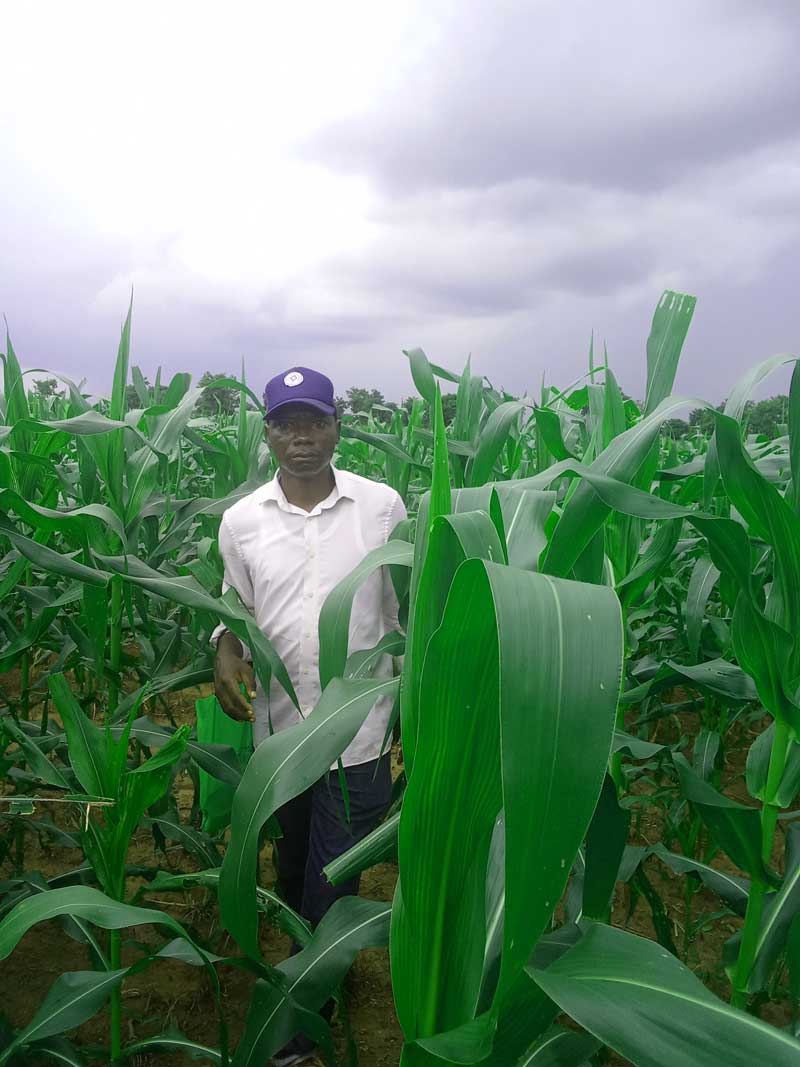
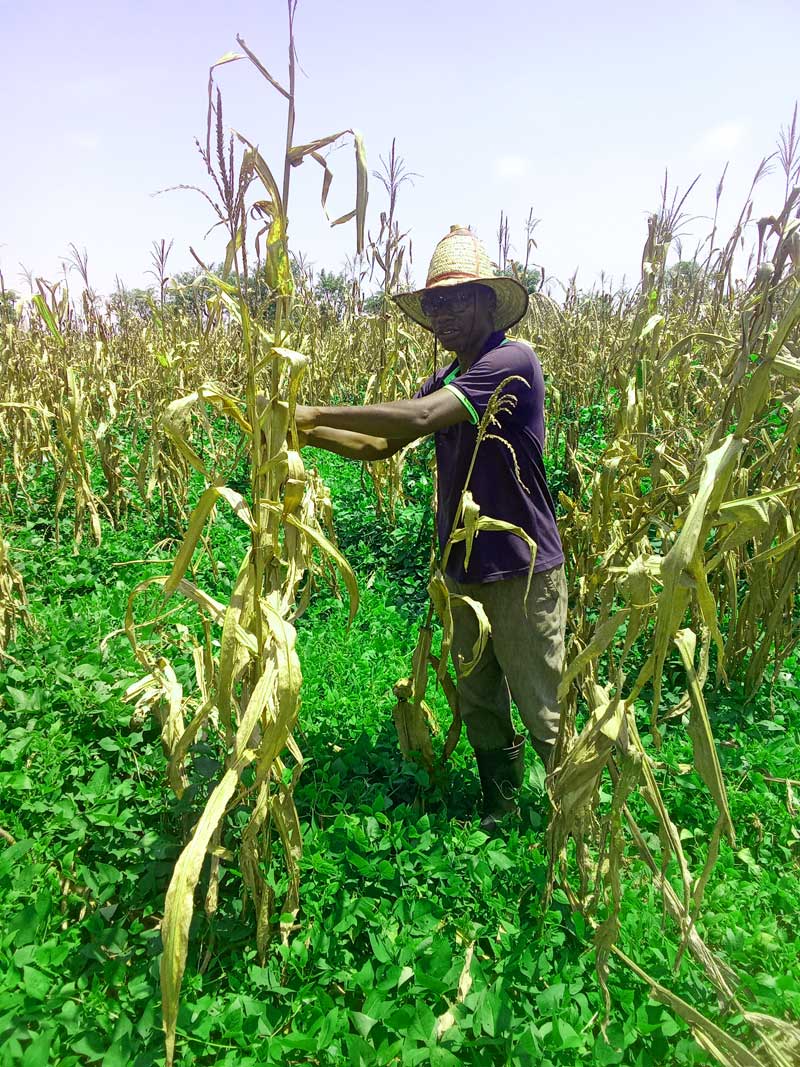
Scouting the maize field
Related article:
A Practical Step-by-Step Guide to Profitable Cow Fattening Business in Just 3–6 Months
Transform Your Farming: Harvest 30 Bags of Maize Per Acre
Stop Selling Raw Crops! 5 Value-Added Agriculture Ideas That Will Skyrocket Your Farm Income
-
Always Hydrate Before You Feel Thirsty To Avoid Burnout in Farming
Thirst is a late warning sign.
By the time you feel thirsty, your strength and focus have already dropped.
In hot farm environments, dehydration leads to:
- Muscle cramps
- Dizziness
- Slow reaction time
- Poor judgment
- Heat exhaustion
Smart farmers hydrate on schedule, not on feeling.
Simple hydration rule:
- Drink water every 45 minutes during active work
- Increase intake under the hot sun
- Add a pinch of salt or oral rehydration mix when sweating heavily
Clear or light-yellow urine = good hydration.
Dark urine = body under stress.
Related article:
Getting Started with Goat Farming Business: A Beginner’s Guide for Smallholders
7 Strategic Planning in Farming: Secrets Smart Farmers Use to Achieve Bumper Harvests Every Season
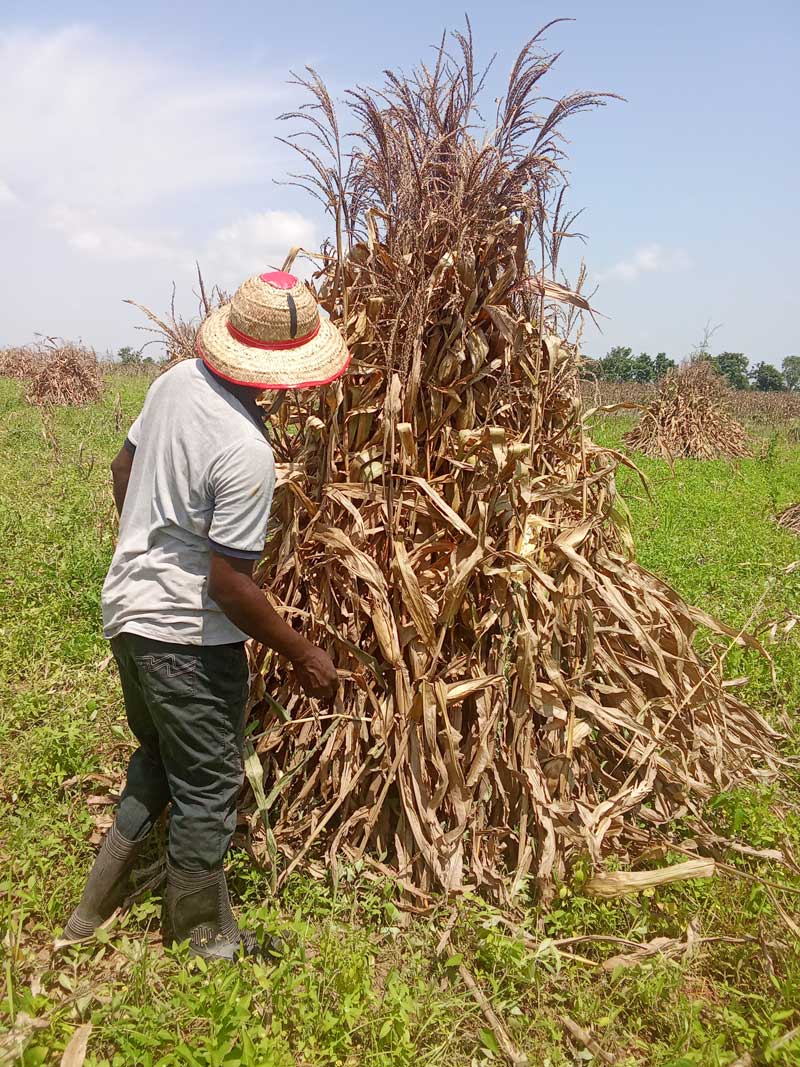
Stacking the maize before harvest
- Alternate Muscle Groups During Work
Using the same muscles continuously causes early fatigue and injury.
Example of poor work pattern:
Morning: digging
Afternoon: lifting sacks
Evening: pushing wheelbarrow
All stress the same muscle groups.
Better pattern:
Morning: lifting work
Midday: inspection or planning
Afternoon: walking tasks
Evening: light handling
This rotation allows muscles to recover while other parts of the body work.
Large commercial farms already use task rotation for workers; farmers themselves should do the same.
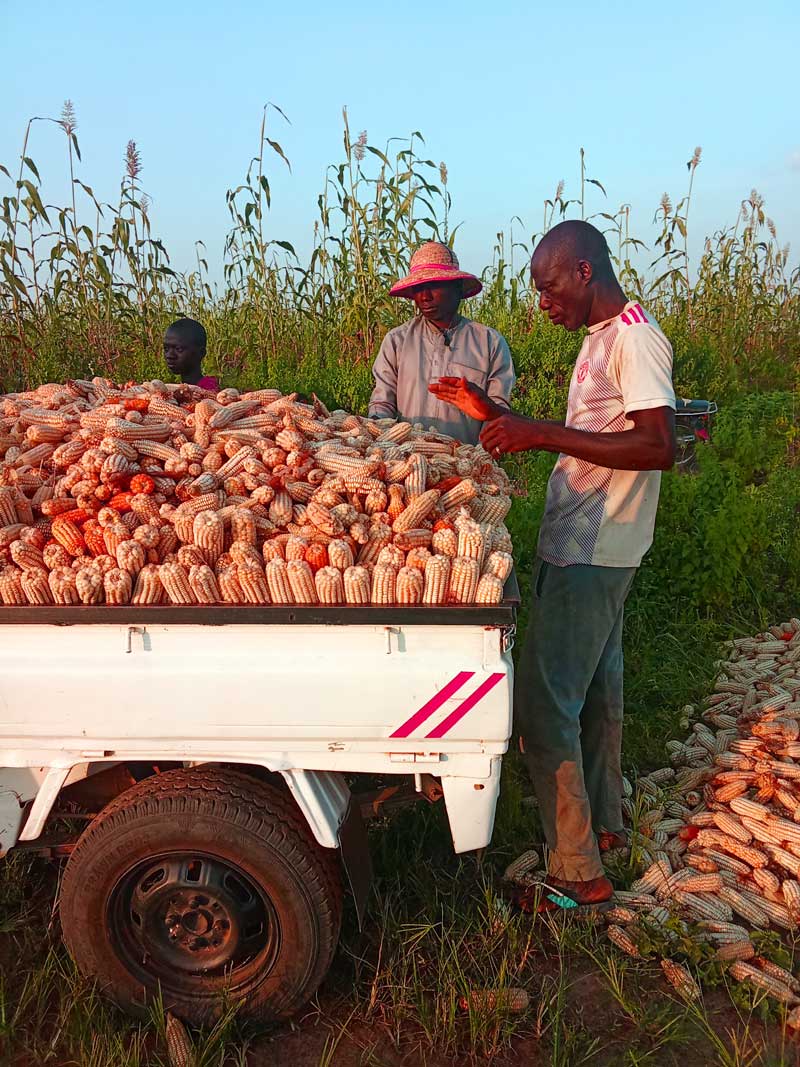
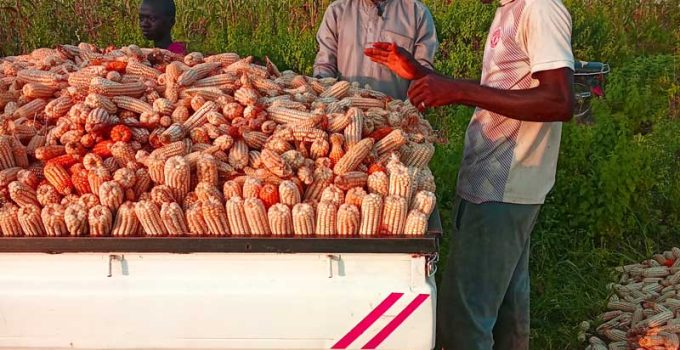
Uploading the maize harvest in a mini truck to transport it home
Related article:
6 Incredible Benefits of Feeding Garlic, Turmeric, and Moringa to Your Poultry Birds
5 Awesome Reasons Why You Should Engage in Farming and Its Activities
5 Proven Dry-Season Cow Fattening Secrets Every Smart Farmer Uses to Get Quick, Excellent Results
-
To Avoid Burnout in Farming, Ensure That You End Every Workday with a Recovery Habit
Recovery determines tomorrow’s strength.
Without recovery, fatigue accumulates daily until burnout appears.
Simple recovery habits:
- Wash off dust and sweat immediately after work
- Stretch lower back and legs for 5 minutes
- Eat a balanced meal with protein and carbohydrates
- Elevate feet for 10 minutes if standing for long hours
- Sleep at a consistent time
Sleep is the most powerful recovery tool farmers ignore.
Adults doing heavy labour need 7–8 hours minimum for full muscle repair.
Helpful Diagram: Smart Energy Farming Work Cycle
Below is a simple structure showing how to organise physical effort across a typical workday.
DAILY ENERGY MANAGEMENT FLOW
START DAY
│
▼
5-Minute Body Warm-Up
│
▼
Peak Energy Period (Heavy Tasks)
– Lifting
– Loading
– Land Work
│
▼
10-Minute Recovery
– Hydrate
– Stretch
– Shade Rest
│
▼
Moderate Energy Period
– Inspection
– Feeding
– Equipment Checks
│
▼
Midday Rest
– Eat
– Hydrate
– Relax Muscles
│
▼
Second Energy Peak (Heavy Tasks)
│
▼
Light Evening Work
│
▼
Recovery Routine
– Stretch
– Clean Body
– Proper Meal
– Sleep
Farmers who follow this pattern maintain strength throughout the season without collapse.
Practical Example From Medium-scale to Commercial Farming Practice
A large poultry and crop farmer managing over 25 workers once struggled with constant back pain and exhaustion. He believed reducing workload meant losing productivity.
Instead, he made three small changes:
- Introduced morning stretching for all workers
- Enforced scheduled water breaks
- Rearranged heavy work to early morning
Within one season:
- Worker injuries dropped
- Feed handling became faster
- Output increased
- His own back pain reduced significantly
Nothing expensive changed, only habits.
Why Protecting Your Body Protects Your Farm
Your farm depends on:
- Physical strength
- Mental focus
- Consistency
- Decision-making
Fatigue destroys all four.
Healthy farmers:
- Manage labour better
- Think clearly
- Avoid costly mistakes
- Stay productive longer in life
Many farmers invest heavily in land, machinery, and livestock, but neglect the most valuable farm asset:
“Their own body”.
In Summary
Farming will always require effort. It is not an easy profession.
But suffering is not a requirement for success.
The strongest and most profitable farmers are not those who work until they collapse, but those who manage their energy wisely every single day, and always strive to avoid burnout in farming.
Start small if you want to avoid burnout in farming:
- Start by stretching tomorrow morning
- Lift load properly
- Drink water on schedule, not when you are extremely thirsty
- Take a recovery break,s don’t wait until you are completely burned out
Within weeks, you will feel and see the difference.
Within years, your body will thank you.
And your farm will run stronger because of it.