
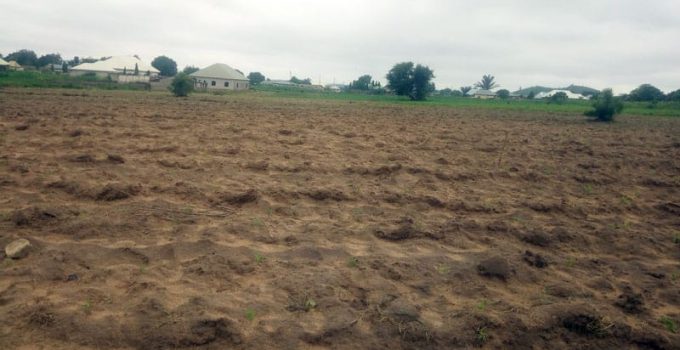
Don’t Plant that Crop Yet! The Best Time to Apply Organic Manure and 6 Land Preparation Mistakes Ruining Farmers’ Yields
Every farming season comes with excitement. The first few drops of rain begin to fall, and the grasses start turning green again.
And suddenly, farmers everywhere become eager to rush into planting, without putting into consideration the best time to apply organic manure for a bumper harvest.
You see people clearing land overnight, buying seeds in a hurry, and planting immediately after the first rainfall.
But here is the painful and real truth many farmers discover too late:
Not every farm that is planted early produces a good yield.
In fact, some farmers unknowingly destroy their harvest potential before the first seed even enters the soil. And one of the biggest mistakes happens during land preparation.
For sustainable and organic farmers, land preparation is more than just clearing bushes and making ridges.
It is the foundation of soil life, nutrient availability, moisture retention, and healthy crop growth.
If the soil is poorly prepared, even the best seeds may struggle. In view of this, it is paramount to have full knowledge of the best time to apply organic manure
One common mistake many organic farmers make is applying organic manure at the wrong time, without knowing the best time to apply organic manure.
They dump poultry droppings or cow dung on the farm a few days before planting and expect magic.
Unfortunately, organic manure needs time to decompose properly before crops can fully benefit from it.
Healthy soil is alive. It breathes, breaks down materials, stores nutrients, and supports millions of beneficial organisms.
When you understand how to prepare your soil properly, farming becomes easier, cheaper, and more productive.
So before you rush to plant this season, let’s look at the best time to apply organic manure and the six dangerous land preparation mistakes quietly ruining farmers’ yields.
Related article:
7 Seasonal Land Preparation Strategies That Will Boost Crop Yields For Semi-Rural Farmers
Preparing the Land For the Farming Season
Why Organic Farmers Must Take Land Preparation Seriously and the Best Time to Apply Organic Manure
Organic farming is different from conventional farming.
A conventional farmer may rely heavily on chemical fertilisers for quick nutrients, but an organic farmer depends more on the natural health of the soil.
That means:
- soil structure matters,
- microbial activity matters,
- decomposition matters,
- moisture conservation matters,
- And organic matter matters.
Think of your soil like a kitchen.
If the kitchen is dirty, disorganised, and unhealthy, even good ingredients may not produce good food.
In the same way, poor soil preparation weakens crop performance no matter how expensive the seeds are.
Good land preparation helps:
- improve water retention,
- encourage earthworm activity,
- reduce soil erosion,
- suppress weeds naturally,
- improve nutrient release,
- and boost long-term soil fertility.
This is why experienced organic farmers often say:
“Feed the soil first, and the soil will feed the plant.”
The Best Time to Apply Organic Manure
This is where many farmers get it wrong.
Organic manure is not like chemical fertilizer that releases nutrients almost immediately.
Organic manure needs time to break down before nutrients become fully available to crops.
The ideal and best time to apply organic manure is usually:
2 to 6 weeks before planting
This allows enough time for decomposition to begin properly.
The exact timing depends on:
- the type of manure,
- weather conditions,
- moisture level,
- and the crop you want to plant.
For example:
- Poultry manure
Poultry droppings decompose relatively fast because they are rich in nitrogen. Applying them about 2–3 weeks before planting is often suitable.
- Cow dung
Cow dung decomposes more slowly and may need about 4–6 weeks before planting.
- Compost
Well-prepared compost is already partially decomposed, so it can sometimes be applied closer to planting time.
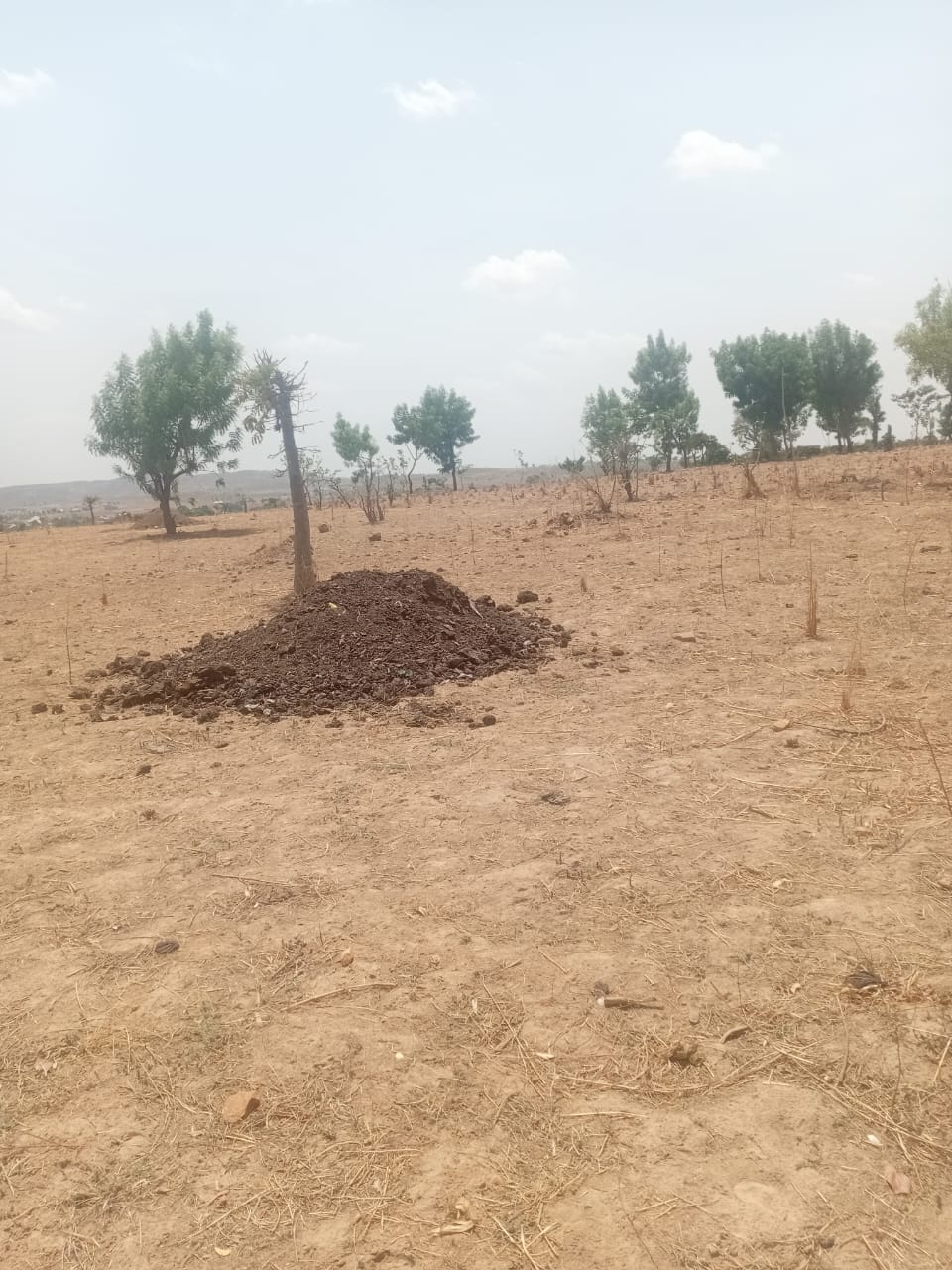
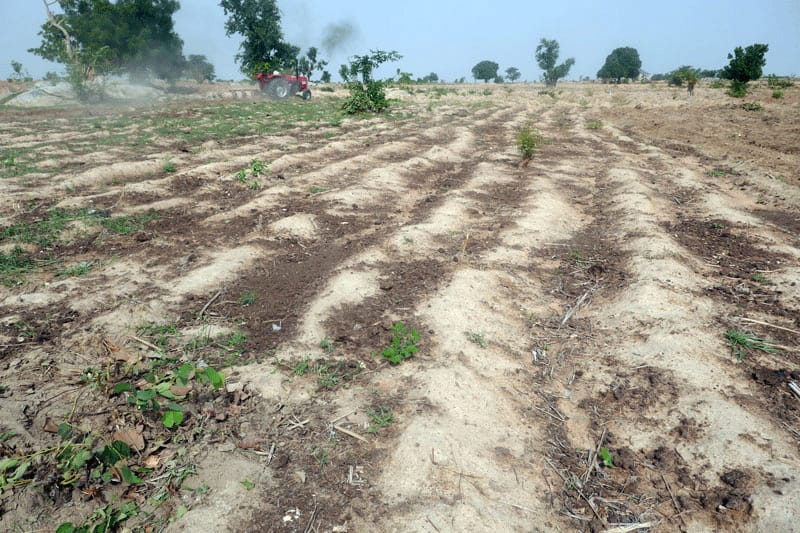
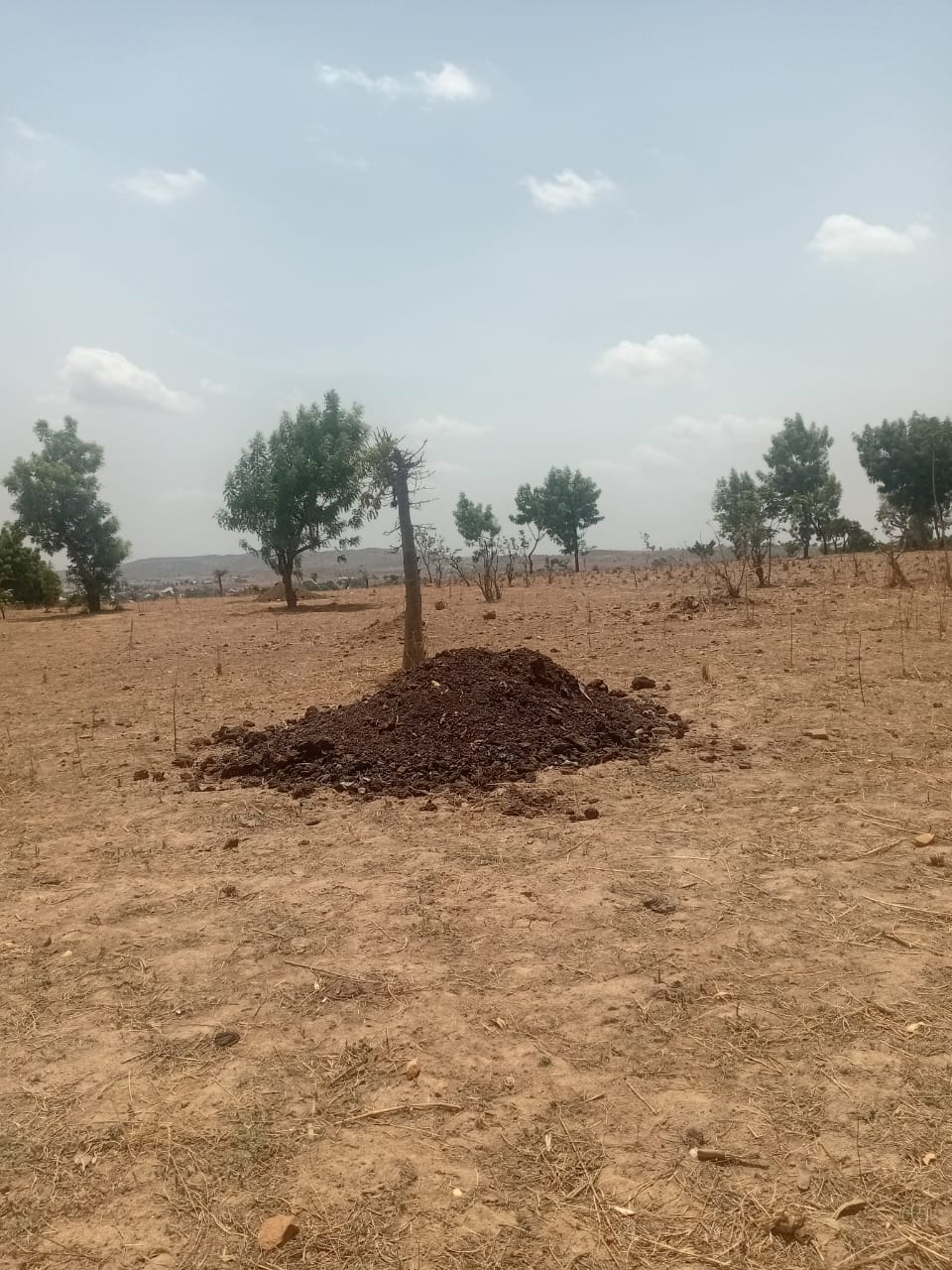
The best time to apply organic manure is before land tillage
Related article:
Bumper Harvest Begins Here: 5 Hybrid Seed Qualities That Give You an Edge over Ordinary Farmers
Enhancing Soil Fertility and Structure with Composted Manure
Why Timing Matters So Much
When organic manure is applied too late, several problems can occur.
- Nutrient Lock-Up
Fresh manure may still be actively decomposing. During this process, soil microorganisms temporarily compete with crops for nutrients, especially nitrogen.
Your crops may appear yellow, weak, or stunted even though manure was applied.
- Heat Damage may occur
Fresh manure can generate heat during decomposition. Young seedlings are delicate and may become stressed or damaged.
- It Can Result to Weed Problems
Undecomposed manure may contain weed seeds that later germinate aggressively on the farm.
- Bad Odour and Fly Infestation
Applying fresh manure too close to planting can attract flies and create unpleasant farm conditions.
A Simple Practical Example
Imagine two farmers growing maize.
Farmer A applies poultry manure one day before planting because the rain has already started.
Farmer B applies the same manure three weeks earlier and lightly incorporates it into the soil before the rains become heavy.
After one month:
- Farmer A’s maize appears pale and uneven.
- Farmer B’s maize looks greener, stronger, and more vigorous.
Why?
Because Farmer B allowed enough time for decomposition and nutrient release.
This small timing difference can create a major difference in yield.
Related article:
8 Economic Importance of Compost Manure to Local Farmers
Livestock Goldmine: 6 Smart Agribusiness Ideas Turning Animal Farming into a Job Creation Machine
9 Smart Survival Strategies Farmers Are Using to Stay Profitable
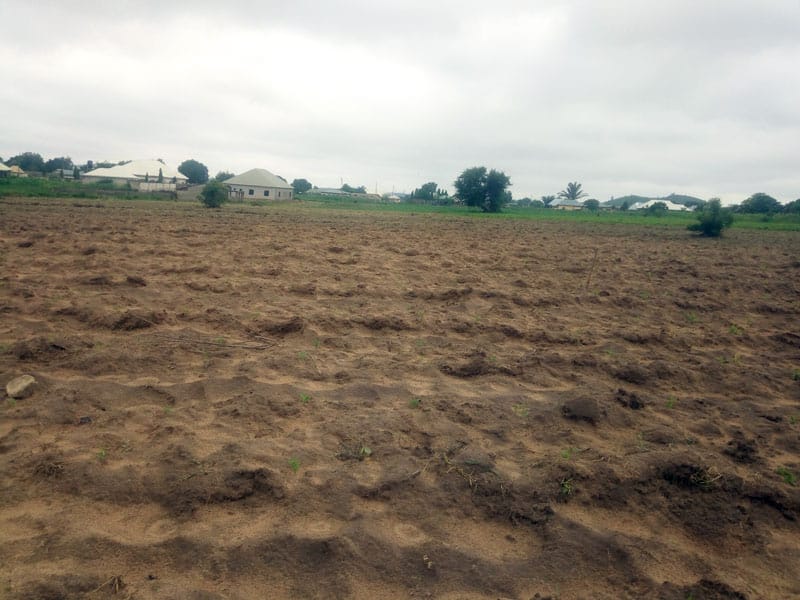
Land Preparation Mistake 1: Burning Vegetation During Land Clearing
This is one of the most common mistakes in many farming communities.
Farmers often burn grasses and crop residues because it seems easier and faster.
But repeated bush burning quietly destroys soil life.
When you burn vegetation:
- beneficial microorganisms die,
- organic matter reduces,
- earthworms disappear,
- moisture retention drops,
- and soil becomes weaker over time.
Yes, burning may temporarily reduce weeds, but the long-term damage is costly.
Instead of burning:
- compost plant residues,
- use them as mulch,
- or incorporate them into the soil.
Those dry grasses and leaves are not waste. They are future soil nutrients.
Land Preparation Mistake 2: Applying Fresh Organic Manure Directly to Crops
Many farmers carry fresh poultry droppings straight from the pen to the field and immediately plant crops.
This can harm crops instead of helping them.
Fresh manure may:
- burn seedlings,
- introduce pathogens,
- attract pests,
- and create a nutrient imbalance.
Organic farming works best when manure is:
- composted,
- partially decomposed,
- or applied early enough before planting.
A good farmer does not only think about adding manure.
A good farmer thinks about timing.
Related article:
Discover the Secrets to Sustainable Broiler Farming Success!
Land Preparation Mistake 3: Ignoring Soil Moisture Before Land Preparation
Some farmers prepare land when the soil is too dry or too waterlogged.
Both situations can create problems.
Very dry soil becomes hard and difficult to work with. Organic matter may also decompose slowly because microorganisms need moisture.
Waterlogged soil, on the other hand, can become compacted easily and lose oxygen.
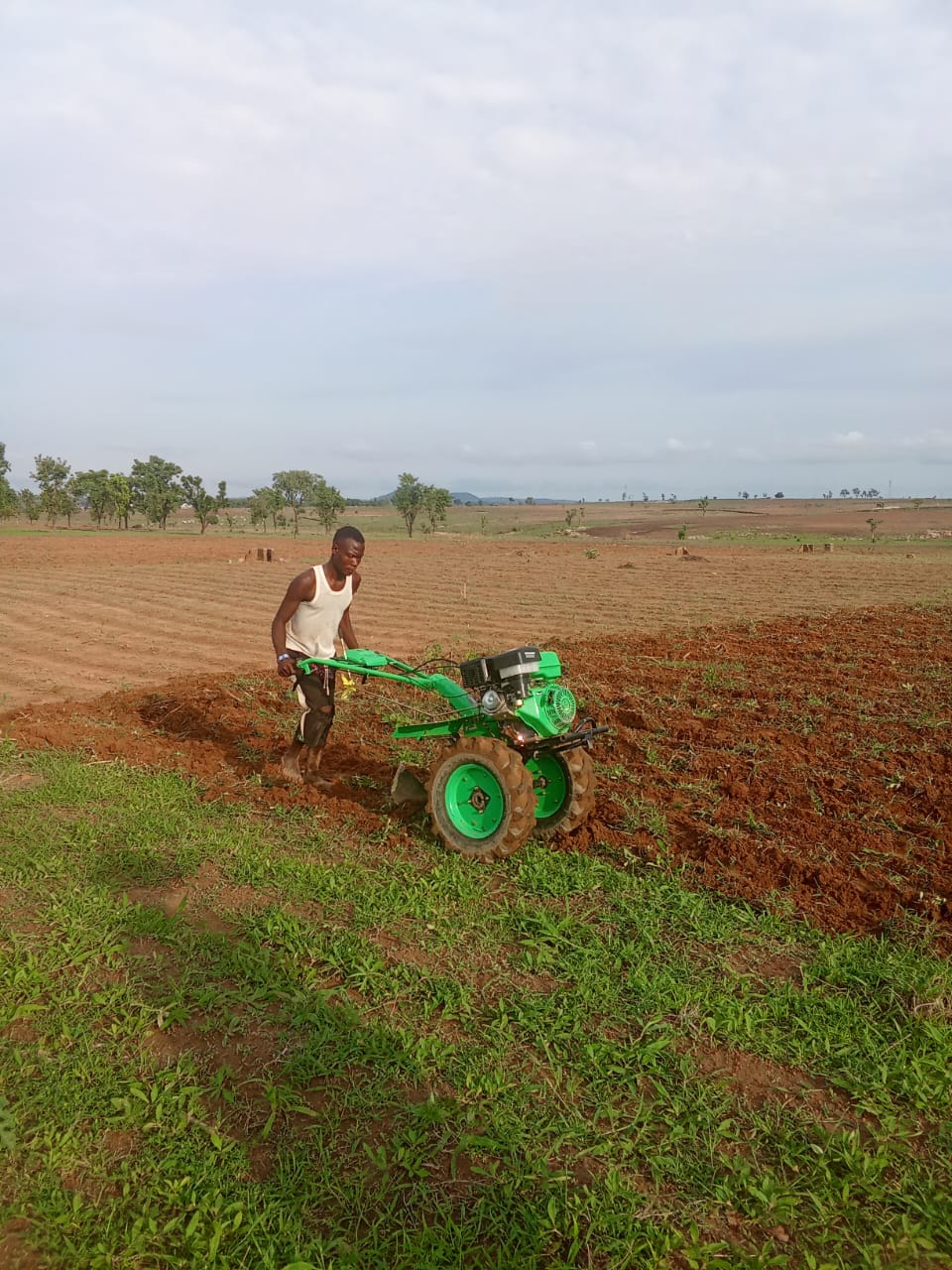
The best condition for land preparation is slightly moist soil.
Not muddy.
Not dusty.
Just enough moisture to support microbial activity and easy tillage.
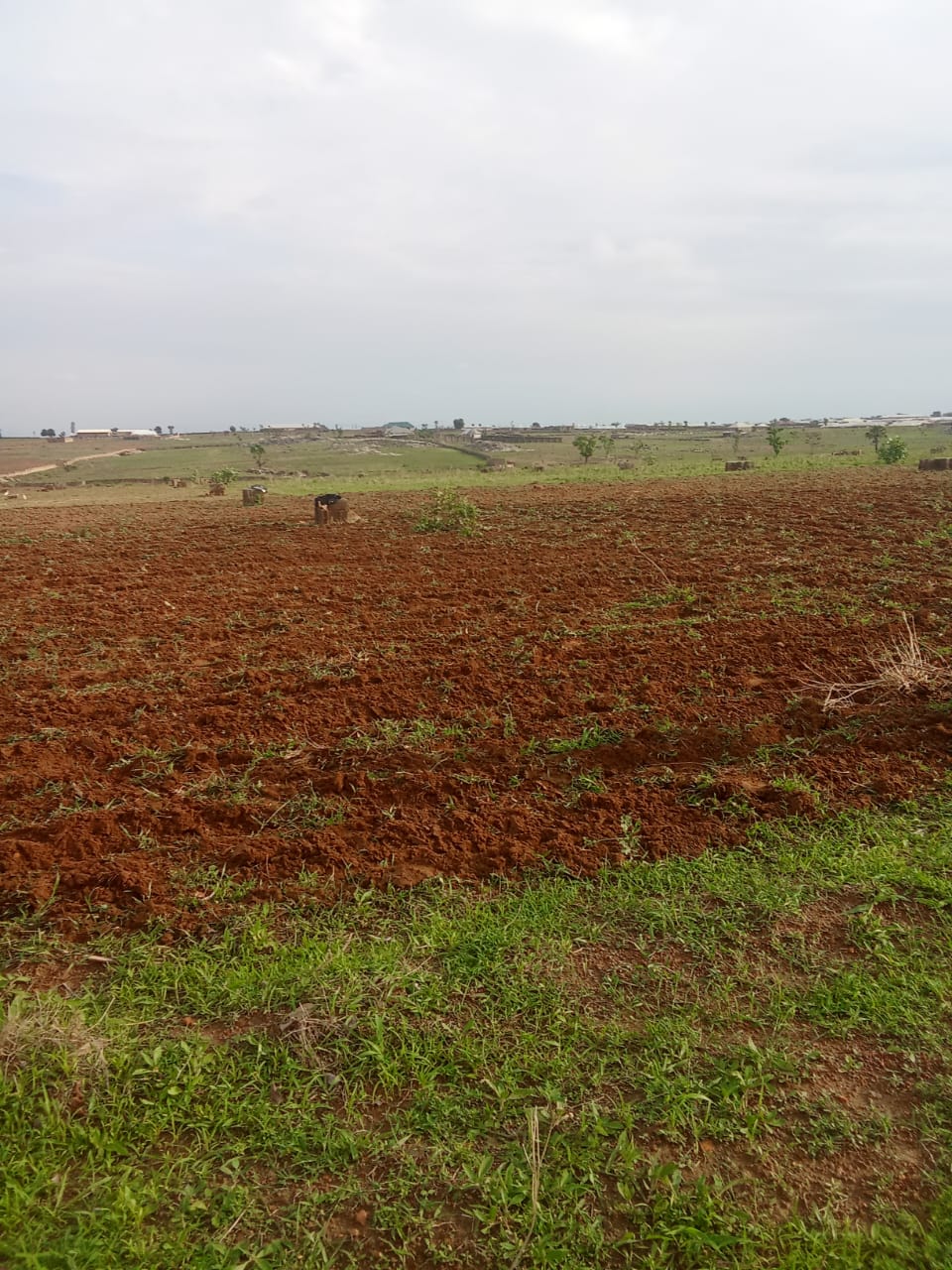
Land Preparation Mistake 4: Removing Every Plant Residue from the Farm
Many farmers love “clean farms.”
They remove every leaf, stalk, and residue until the soil is completely bare.
While a clean farm may look beautiful, exposed soil suffers greatly under hot sun and heavy rainfall.
Bare soil loses:
- moisture quickly,
- organic matter,
- beneficial microbes,
- and nutrients through erosion.
Organic farmers understand the importance of mulching.
Leaving some crop residue on the soil surface helps:
- reduce evaporation,
- protect soil organisms,
- suppress weeds,
- and improve decomposition.
Nature itself rarely leaves soil naked.
Related article:
Farming Is Not Fast Money: But Here Is the Truth about Making Money through Farming
Borrowing to Grow or Borrowing to Sink? 6 Common Farm Loan Mistakes That Quietly Destroy Profits
Stop Farming Blindly: 5 Proven Reasons Testing Your Soil is the Smartest Farming Move
Land Preparation Mistake 5: Poor Weed Management Before Planting
Some farmers wait until weeds become fully mature before clearing the land.
At that stage:
- Weeds have already competed for nutrients,
- Some may have produced seeds,
- and clearing becomes more difficult.
Early weed control makes land preparation easier and improves nutrient availability for crops.
For organic farmers, cover cropping and mulching can also help reduce weed pressure naturally.
One practical trick many experienced farmers use is this:
After clearing the land, allow small weeds to germinate with early rains, then clear them again before planting. This reduces weed pressure later in the season.
Mistake 6: Ignoring Soil Testing and Soil Observation
Some farmers apply manure blindly every season without understanding the actual condition of their soil.
But not all soils need the same treatment.
Some soils may already contain enough nitrogen but lack phosphorus or potassium. Others may suffer from poor drainage or acidity problems.
Even if formal laboratory testing is unavailable, farmers should still observe their soil carefully.
Healthy soil usually:
- smells earthy,
- contains earthworms,
- drains moderately,
- and supports vigorous plant growth.
Poor soil may:
- become hard easily,
- crack excessively,
- retain too much water,
- or support weak crops repeatedly.
Observation is one of the oldest skills in farming.
Many experienced local farmers can identify soil health simply by looking closely at crop performance and soil texture.
Related article:
A Practical Step-by-Step Guide to Profitable Cow Fattening Business in Just 3–6 Months
Working a 9–5 but Need Extra Income? 3 Strategic Cow Fattening Ideas That Build Wealth on the Side
Signs Your Organic Manure Is Properly Decomposing
How do you know decomposition is progressing well?
Here are some signs:
- The manure becomes darker,
- heat reduces gradually,
- Bad smell decreases,
- texture becomes crumbly,
- And insects like earthworms may appear nearby.
Proper decomposition means nutrients are becoming more available to plants.
The Secret Many Successful Organic Farmers Understand
Successful organic farming is not about rushing.
It is about patience and timing.
Healthy soil takes time to build.
Compost takes time to mature.
Microorganisms take time to work.
Many farmers focus only on planting dates, but experienced organic farmers focus first on soil readiness.
That small shift in mindset changes everything.
Simple Organic Land Preparation Tips for Better Yield
Before planting this season, try these practical steps:
The best time to apply organic manure is simply “early”
Give enough time for decomposition before planting.
Incorporate organic matter into the soil
Do not leave manure exposed excessively under harsh sun.
Avoid bush burning
Turn plant residues into future soil nutrients.
Use mulch
Protect your soil from heat and erosion.
Observe rainfall patterns
Do not rush to plant after the very first rainfall.
Encourage soil life
Healthy soil organisms are free farm workers helping your crops daily.
In Conclusion
The excitement of a new farming season can make farmers rush into planting too early. But smart organic farming is not about speed alone.
Knows the right thing to do at the right time, i.e., knowing the best time to apply organic manure, the onus of land preparation.
It is about preparing the soil properly before the seed enters the ground.
A farm with healthy soil often produces healthier crops, stronger roots, better moisture retention, and more sustainable yields over time.
So before you plant this season, pause for a moment and ask yourself:
- Has the manure decomposed properly?
- Is the soil truly ready?
- Am I feeding the soil or just feeding the crop?
Because sometimes, the difference between a poor harvest and an abundant yield starts long before planting day.
And for organic farmers, good harvests are usually grown first in the soil before they ever appear in the field.


