8 Things Successful Broiler Farmers Never Skip
Broiler farming is one of those businesses where small mistakes can quietly eat away at your profits, while small good habits can make a huge difference in your results.
Whether you are raising 100 birds, 1,000 birds, or tens of thousands of birds, success often comes down to what you do consistently every single day.
Many farmers focus on buying quality chicks and good feed, which are important, but the truth is that successful broiler farming is built on daily discipline.
The most profitable farmers are not necessarily the smartest or the richest. They are often the ones who never overlook the little things that keep their birds healthy, growing and converting feed efficiently.
If you have ever wondered why some successful broiler farmers consistently produce heavier birds with lower mortality while others struggle despite spending the same amount on feed and chicks, the answer is often found in their daily routine.
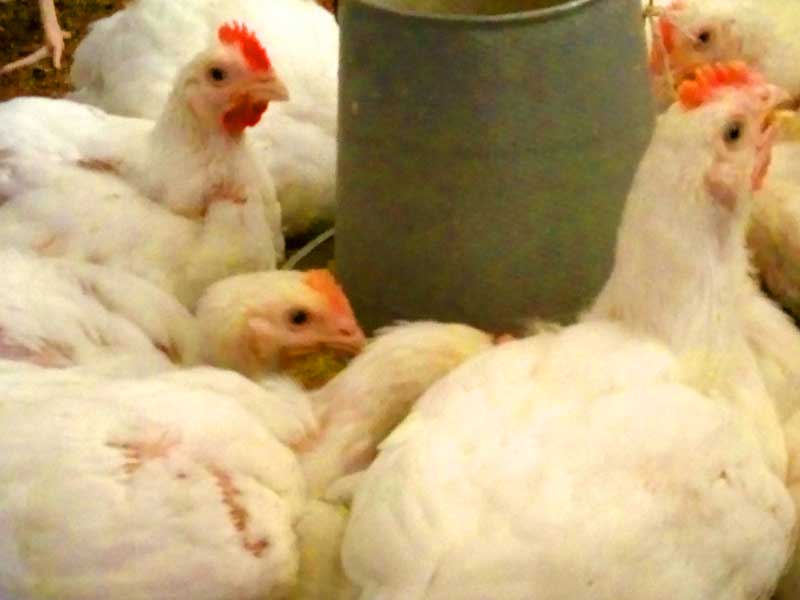
Here are eight things successful broiler farmers never skip.
-
Successful Broiler Farmers Never Skip Early Morning Inspection
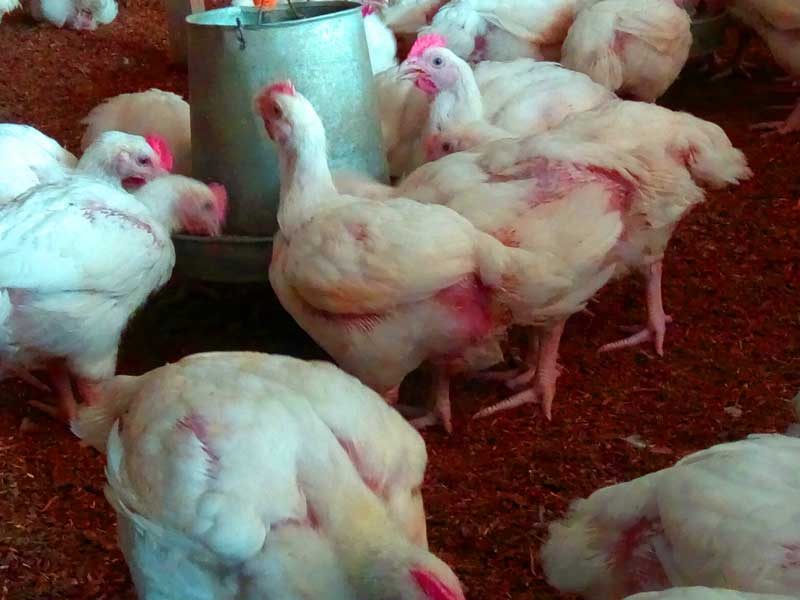
Before the first feed is served, successful broiler farmers take time to observe their birds.
This is not just a casual walk through the pen. It is a deliberate inspection.
They look at:
- Bird activity
- Feed consumption
- Water consumption
- Litter condition
- Ventilation
- Any signs of sickness
Experienced successful broiler farmers know that birds often tell you something is wrong long before mortality begins.
For example, if birds are gathering in one corner, they may be cold. If they are panting heavily, heat stress may be developing.
If feed intake suddenly drops, disease could be approaching.
A farmer who notices these signs early can take corrective action before the problem becomes expensive.
Many disease outbreaks start with subtle warning signs that broiler farmers can easily miss if they rush into feeding without observing their flock.
Related Article:
5 Brutal Reasons Broiler Farmers Struggle to Make Profit (And How you can Fix Them)
Broilers Heat, And Heavy Losses: 5 Painful Lessons That Changed How I Raise Broilers Forever
-
Successful Broiler Farmers Never Skip Checking Water Availability Every Day
Water is often called the forgotten nutrient.
Many broiler farmers focus heavily on feed while paying less attention to water. Yet a bird can survive longer without food than without water.
Successful broiler farmers check their water systems daily.
They ensure:
- Drinkers are clean.
- Water is available at all times.
- Water is cool and fresh.
- There are no leaks or blockages.
Imagine spending a fortune on feed only for birds to reduce feed intake because they cannot access sufficient water.
That is money wasted.
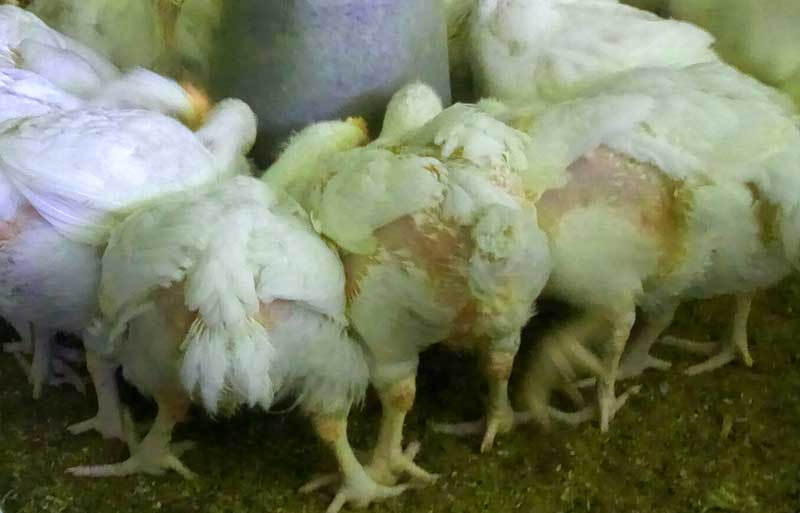
A simple blockage in a nipple drinker line can affect hundreds of birds before anyone notices.
The best farmers understand that water drives feed intake, growth, digestion, and overall health.
When water consumption drops, productivity usually follows.
Related article:
5 Hidden Errors Blocking Your Broilers from Fast Growth
Rainy Season Nightmare: How Damp or Wet Litter is Secretly Killing Your Broiler Profits
-
Another Important Point is that Successful Broiler Farmers Never Skip Observing Bird Behavior
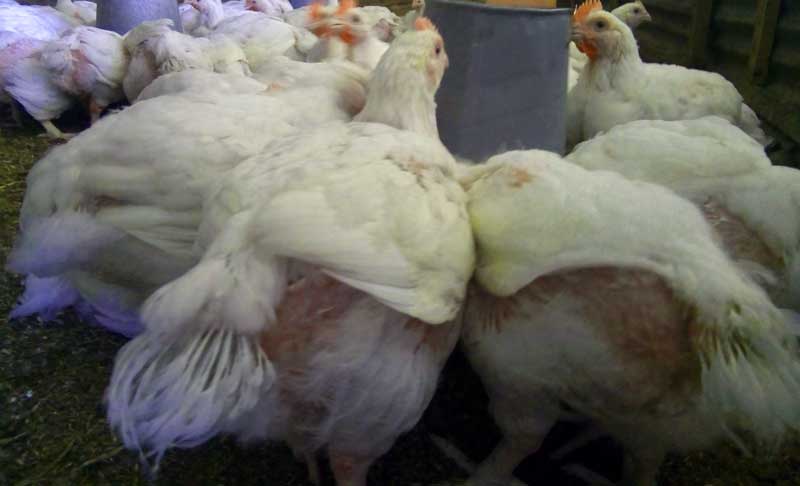
One of the most valuable skills a broiler farmer can develop is learning how to “read” birds.
Birds cannot speak, but they communicate constantly through their behaviour.
Successful broiler farmers pay attention to things like:
- Unusual quietness
- Excessive noise
- Crowding
- Panting
- Drooping wings
- Lameness
- Reduced movement
Healthy broilers are generally active, alert, and interested in feed.
When birds suddenly become dull or inactive, something is often wrong.
An experienced broiler farmer can walk into a poultry house and immediately sense whether things are normal.
This skill is developed through daily observation.
The more time you spend watching your birds, the earlier you can detect problems.
-
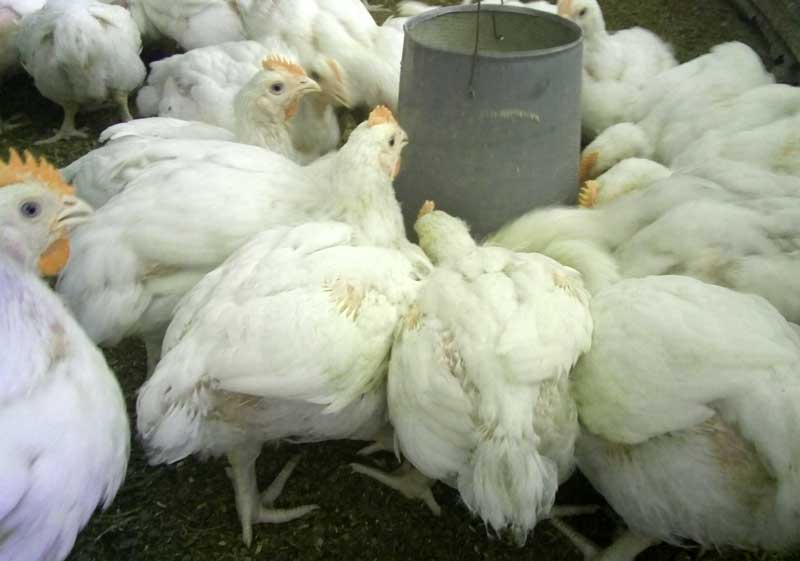
Successful Broiler Farmers Never Skip Feed Management
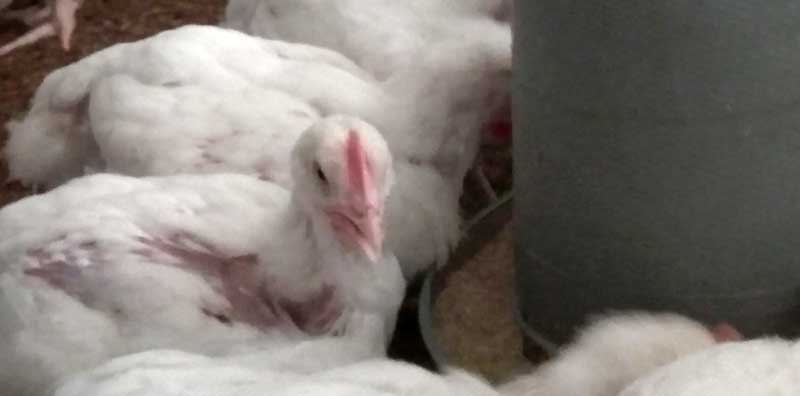
Feed represents the highest cost in broiler production.
Because of this, successful broiler farmers treat feed like gold.
They do not simply pour feed into feeders and walk away.
They monitor:
- Daily feed intake
- Feed wastage
- Feeder space
- Feed quality
- Uniform distribution
A common mistake is allowing excessive feed wastage.
Sometimes birds scratch feed onto the floor, where it becomes contaminated and wasted.
Other times, feeders are overfilled unnecessarily.
Every kilogram of feed wasted directly reduces profit.
Successful farmers know exactly how much feed their birds consume daily.
They compare feed intake against expected growth rates and quickly investigate any unusual changes.
Good feed management is one of the fastest ways to improve profitability.
Related article:
5 ways you can use to stop your broiler chickens from dying at 4 weeks
8 Ways You Can Easily Sale Your Broilers during the Christmas Festive Period
5 Ways You Can Create Your Own Minimum Wage (Means of Livelihood) Through Broiler Farming
-
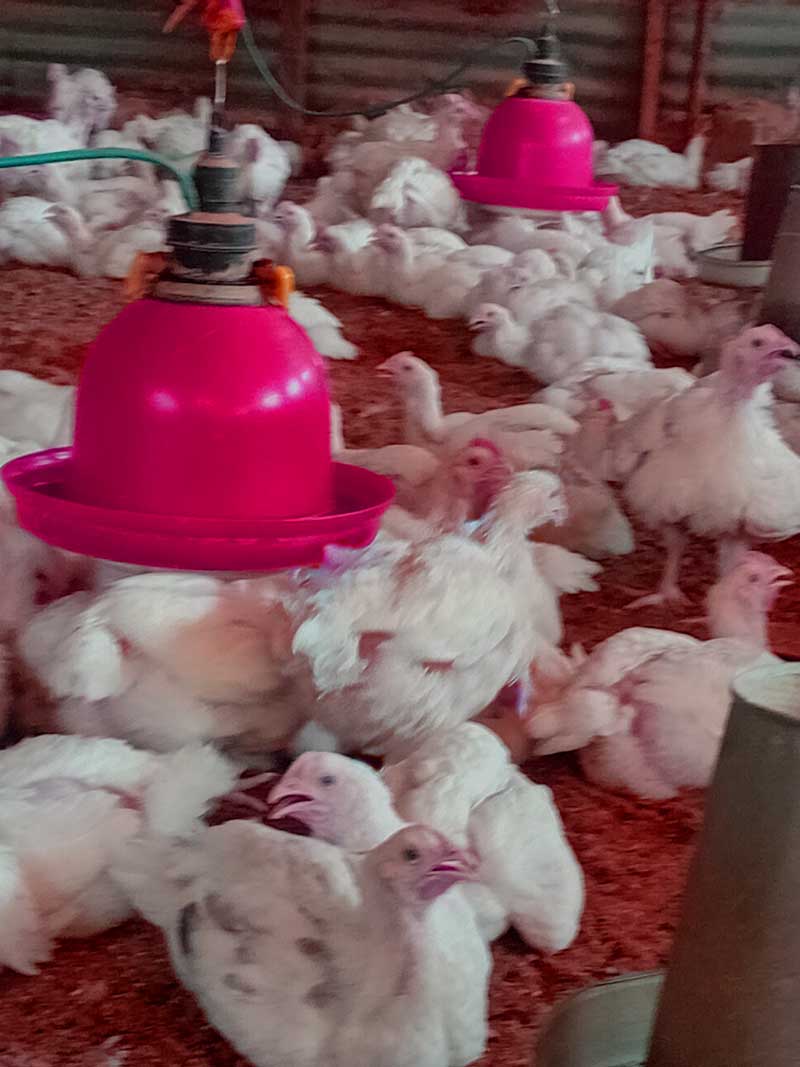
Successful Broiler Farmers Will Never Skip Litter Maintenance
The condition of the litter tells a lot about the overall health of a poultry house.
Good litter should remain relatively dry, loose, and comfortable.
Successful farmers inspect litter every day.
They look for:
- Wet spots
- Water leaks
- Excess moisture
- Ammonia smell
- Caking
Wet litter creates numerous problems.
It encourages disease organisms, increases ammonia production, damages bird feet, and affects bird comfort.
Imagine entering a poultry house and immediately noticing a strong ammonia smell.
Your birds are breathing that air all day and all night.
That is not a recipe for good performance.
Many successful broiler farmers regularly rake litter, remove wet patches, and address water leaks immediately before they become major problems.
Related article:
7 Strategic Planning in Farming: Secrets Smart Farmers Use to Achieve Bumper Harvests Every Season
Farming Is Not Fast Money: But Here Is the Truth about Making Money through Farming
-
They Never Skip Bio-Security Practices
One of the biggest mistakes farmers make is becoming relaxed about biosecurity after several successful production cycles.
Successful broiler farmers never let their guard down.
They understand that disease prevention is always cheaper than disease treatment.
Every day, they ensure that:
- Visitors are restricted.
- Footbaths are functional.
- Equipment is clean.
- Rodents are controlled.
- Wild birds are kept away.
It only takes one disease outbreak to wipe out months of hard work and investment.
Many farmers have learned this lesson the hard way.
Good biosecurity may seem boring because you often do not see immediate results.
However, when disease outbreaks strike neighbouring farms while your birds remain healthy, you begin to appreciate its value.
Biosecurity is like insurance. You hope you never need it, but you are glad it is there.
-
Very Important: Successful Broiler Farmers Never Skip Record Keeping
Some broiler farmers rely entirely on memory.
Successful broiler farmers rely on records.
They know exactly:
- How much feed was used?
- Daily mortality figures.
- Average bird weights.
- Medication schedules.
- Vaccination dates.
- Production costs.
Without records, it becomes difficult to identify what is working and what needs improvement.
For example, if feed conversion worsens, records can help pinpoint when the problem started.
If mortality increases, records can reveal patterns that may otherwise go unnoticed.
Good records transform farming from guesswork into informed decision-making.
The difference between an average farmer and an outstanding farmer often lies in the quality of information available to them.
And that information comes from records.
Related article:
6 Vital Points to Be On the Lookout When Buying a Cow for Fattening
5 Solid Ways You Can Source Goats for Your Farm.Rabbit Breeding Secrets: How Inbreeding in Rabbits Could Be Sabotaging Your Rabbit Farm
Rabbit Breeding Secrets: How Inbreeding in Rabbits Could Be Sabotaging Your Rabbit Farm
-
Real Successful Broiler Farmers Never Skip Daily Learning and Improvement
The poultry industry changes constantly.
New diseases emerge.
Feed ingredients change.
Management techniques improve.
Market conditions fluctuate.
Successful broiler farmers remain students of the business regardless of how many years they have been farming.
They learn from:
- Other successful farmers
- Veterinary professionals
- Industry publications
- Seminars and workshops
- Personal experience
One interesting thing about poultry farming is that the moment you think you know everything, the birds usually teach you a humbling lesson.
The best farmers remain curious.
- They ask questions.
- They seek better ways of doing things.
- They analyse both their successes and failures.
This continuous learning helps them stay competitive and profitable.
Conclusion
When people see successful broiler farmers, they often assume success came from luck, money, or access to better resources.
In reality, success is usually built on consistent daily habits.
The farmers who achieve excellent growth rates, low mortality, and strong profits are often those who refuse to overlook the basics.
- They inspect their birds.
- They monitor water.
- They manage the feed carefully.
- They maintain litter.
- They enforce biosecurity.
- They keep records.
And they continue learning.
None of these habits is complicated. None requires expensive equipment.
Yet together, they create the foundation for a productive and profitable broiler enterprise.
At the end of the day, successful broiler farming is not about doing one extraordinary thing occasionally.
It is about doing the important things consistently, day after day, flock after flock, year after year.
So take a moment to evaluate your own routine.
Which of these eight habits do you never skip on your farm, and which one needs more attention?
Your answer in the comments may reveal the next step toward even better results in your broiler farming business.