Stop Wasting Money on Rabbit Feed: 6 Natural, Cheap Rabbit Feed That Work
Rabbit farming can be a profitable business, but one challenge many farmers face is the rising cost of commercial rabbit feed.
Whether you keep a few rabbits in your backyard or manage a large commercial rabbitry, feed expenses can quickly eat into your profits.
The good news is that rabbits are natural foragers. They can thrive on a combination of affordable natural feeds that are often available around the farm, backyard, or community.
By wisely using these cheap rabbit feed resources, farmers can reduce feed costs without compromising the health and productivity of their rabbits.
This article explores six cheap rabbit feed that work and how to use them effectively.
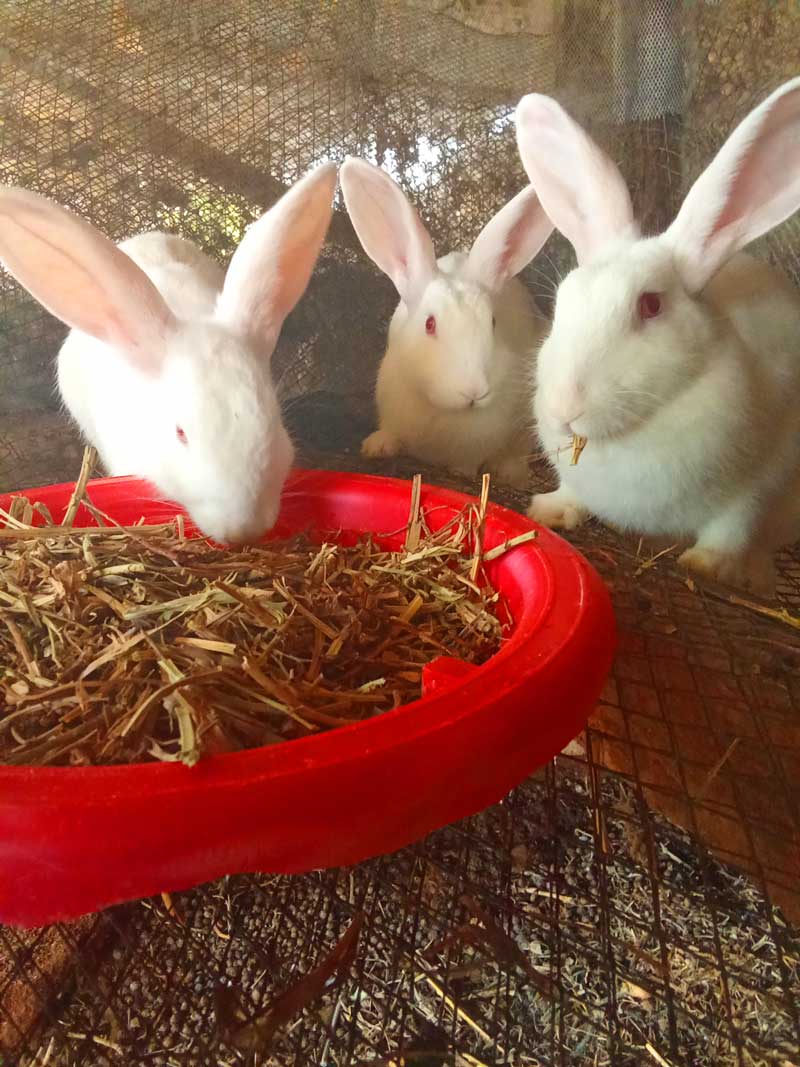
Hay is one of the cheapest rabbit feeds
Why Feed Costs Are a Serious Matter in Rabbit Farming
For many rabbit farmers, feed accounts for 60% to 80% of production costs. When feed prices increase, profits decrease.
Consider this simple example:
Rabbit Feed Cost Comparison
| Feeding Method | Monthly Feed Cost |
| 100% Commercial Pellets | High |
| Mixed Feeding System | Moderate |
| Natural Feed Supplementation | Low |
A farmer who combines commercial feed with natural feeds can save a significant amount every month while maintaining healthy rabbits.
The key is knowing which natural feeds are safe, nutritious, and readily available.
-
Hay The powerful Cheap Rabbit Feed: The Foundation of Rabbit Nutrition
If rabbits could choose one food to eat every day, hay would be near the top of the list.
Hay provides:
✓ Fibre for digestion
✓ Healthy teeth development
✓ Prevention of digestive disorders
✓ Reduced boredom and stress
Common Types of Hay
- Guinea grass hay
- Rhodes grass hay
- Bermuda grass hay
- Dried elephant grass
- Legume hay
Illustration: Why Hay Is Important
HAY
│
├── Healthy digestion
├── Strong teeth
├── Better droppings
└── Reduced disease risk
Practical Tip
Always provide hay freely in rabbit cages. Rabbits should have access to hay throughout the day.
If fresh grass is abundant during the rainy season, dry some of it and store it for the dry season.
Related article:
Turning Your Home into a Profitable Backyard Rabbit Farm: A Step-by-Step Guide to Lasting Profit
5 Smart Ways Rabbit Farmers Turn Cheap Local Feed into Faster Growth and Bigger Profits
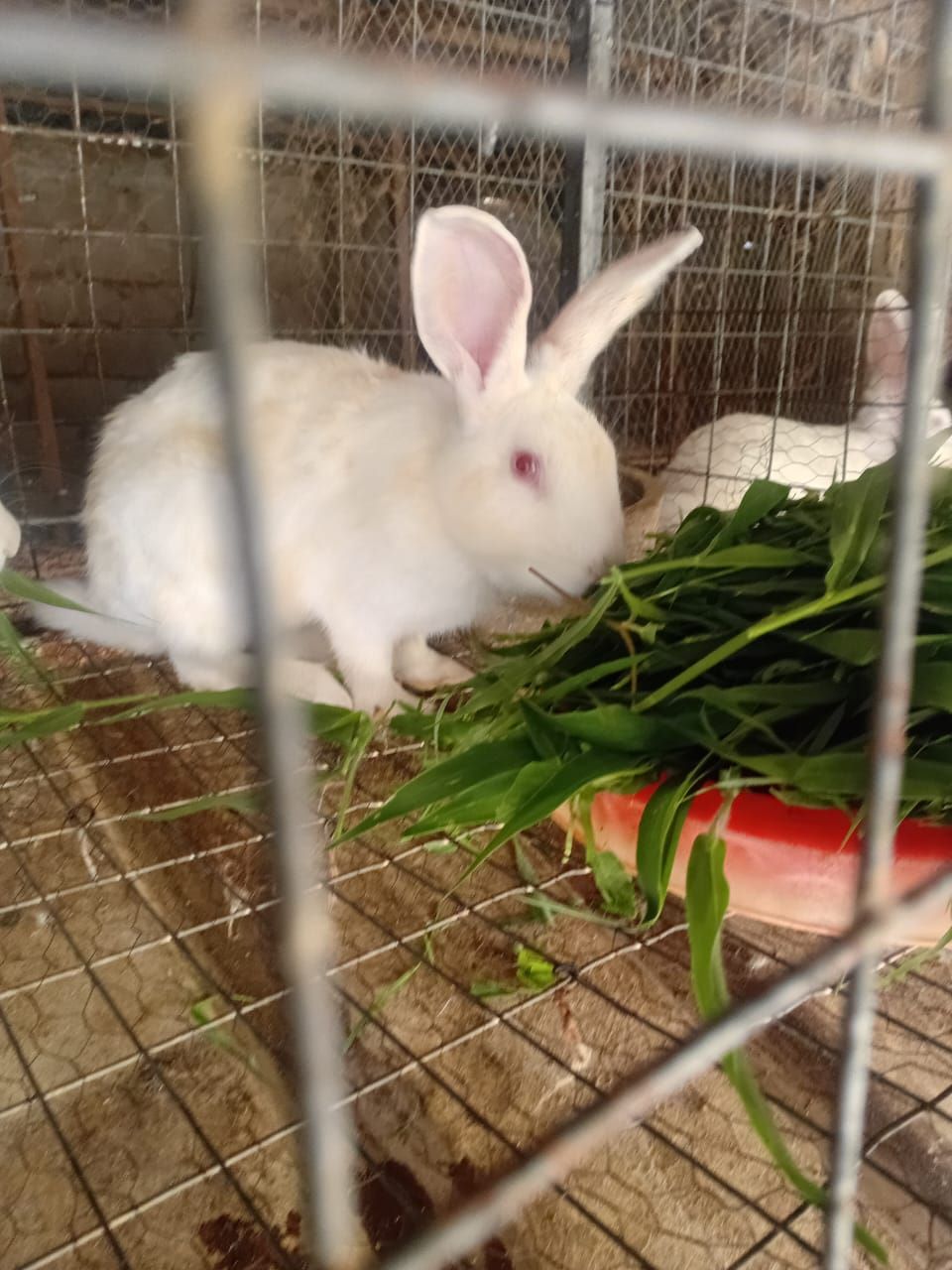
Eating green grass
-
Elephant Grass, Another Good Cheap Rabbit Feed: A Farmer’s Gold Mine
Elephant grass is one of the most affordable rabbit feeds available in many African communities.
It grows rapidly, survives harsh conditions, and can be harvested multiple times.
Benefits of Elephant Grass
- Easy to cultivate
- Available almost year-round
- Rich in fiber
- Reduces feed expenses
How to Feed It
Young, tender elephant grass is best.
Avoid feeding very mature stems because they become hard and less digestible.
For better results:
- Harvest fresh grass.
- Allow it to wilt for a few hours.
- Feed moderate quantities.
A farmer with 20 rabbits can establish a small elephant grass plot behind the house and harvest daily instead of buying expensive feed every week.
Related article:
My Rabbits Are Not Producing Again! 5 Hidden Reasons Your Does Refuse to Get Pregnant
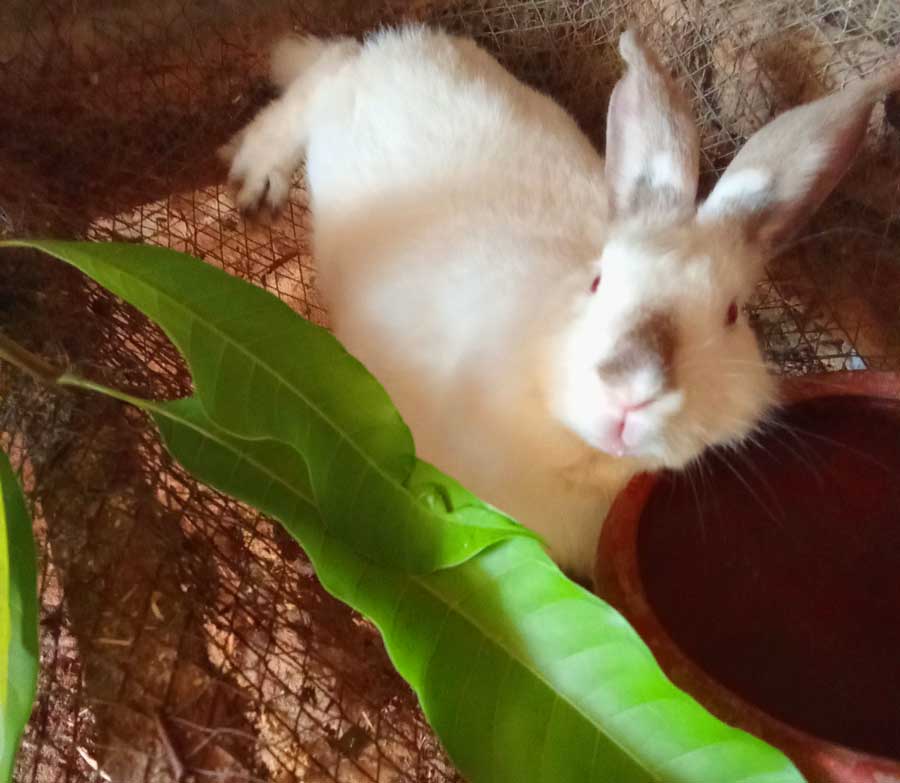

-
Healthy Green Leaves and Backyard Vegetables Are a Good Source of Cheap Rabbit Feed
Many valuable rabbit feeds are already growing around homes and farms.
Instead of spending money, farmers can turn their backyards into rabbit feed gardens.
Excellent Green Leaves for Rabbits
- Bitter leaf
- Sweet potato leaves
- Pumpkin leaves
- Moringa leaves
- Amaranthus (green vegetables)
- Mulberry leaves
- Pawpaw leaves (in moderation)
- Banana leaves
- Orange leaves
Backyard Vegetable Sources
- Carrot tops
- Cabbage leaves
- Lettuce
- Spinach
- Beet leaves
Mini Backyard Feed Garden
BACKYARD FEED GARDEN
[Moringa] [Pumpkin]
[Sweet Potato]
[Amaranthus]
[Bitter Leaf]
A small garden can provide a steady supply of rabbit feed throughout the year.
Important healthy tips
Never feed leaves that have been sprayed with pesticides or herbicides.
Wash vegetables before feeding when necessary.
Related article:
Utilizing Small Space to Make Big Profit, the Hidden Economic Power of Backyard Rabbit Farming
Rabbit farming: Profitability and Best Practices that will Yield High Result
Rabbit farming: Profitability and Best Practices that will Yield High Result
- Legumes: Natural Protein Boosters
Rabbits need protein for growth, reproduction, and milk production.
Legumes are an affordable natural source of protein and cheap rabbit feeds, it should also be given in moderation.
Good Legume Options
- Cowpea leaves
- Groundnut haulms
- Stylo
- Centrosema
- Lablab
- Alfalfa (where available)
Why Legumes Matter
Protein helps:
✓ Growing rabbits gain weight
✓ Breeding does produce milk
✓ Bucks maintain good condition
✓ Faster growth of young rabbits
Feed Combination Example
A simple daily mix may include:
40% Hay
30% Grass
20% Legumes
10% Commercial Feed
This combination can significantly lower feed costs.
Warning
Do not overfeed legumes because excessive protein can lead to digestive issues.
Balance is important.
Related articles:
Livestock Goldmine: 6 Smart Agribusiness Ideas Turning Animal Farming into a Job Creation Machine
7 Key Advantages and Importance of Constructing a Rabbit Hutch Using Wire Gauze and Rod
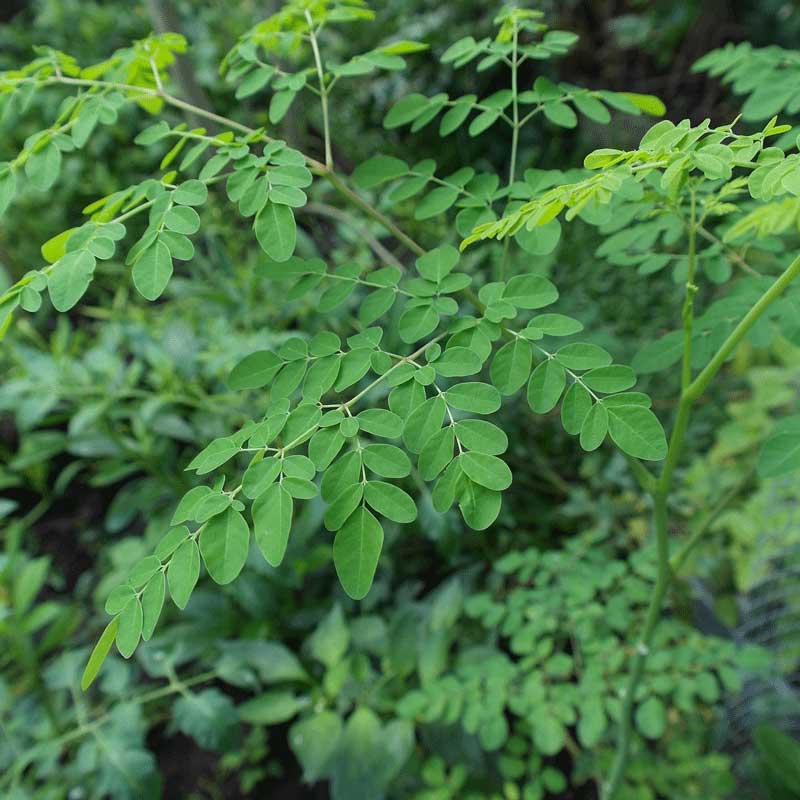
cheap rabbit feed: moringa the wonder leaves
-
Another good source of cheap rabbit feed is Safe Kitchen Leftovers
Many rabbit farmers unknowingly throw away valuable feed every day.
Some kitchen leftovers can safely supplement rabbit diets.
Safe Kitchen Leftovers
- Carrot peels
- Vegetable trimmings
- Pumpkin pieces
- Watermelon rinds
- Cucumber peels
- Sweet potato peels washed and dried
- Vegetable stalks
Foods to Avoid
Never feed:
✗ Moldy food
✗ Rotten food
✗ Salty foods
✗ Spicy foods
✗ Oily foods
✗ Cooked meat
✗ Chocolate
✗ Excess bread
Kitchen Waste Flow Chart
Kitchen Vegetables
│
▼
Sort Safe Items
│
▼
Wash If Needed
│
▼
Feed Rabbits
Real-Life Saving
A family that cooks vegetables daily can reduce rabbit feed costs by utilising safe vegetable leftovers instead of throwing them away.
Related article:
Don’t Buy That Rabbit Yet! 5 Smart Checks before Bringing a New Rabbit Home
7 Ways You Can Prevent Overgrown Teeth and Guarantee Rabbits Dental Health.
9 Serious Mistakes to Avoid When Raising Rabbits
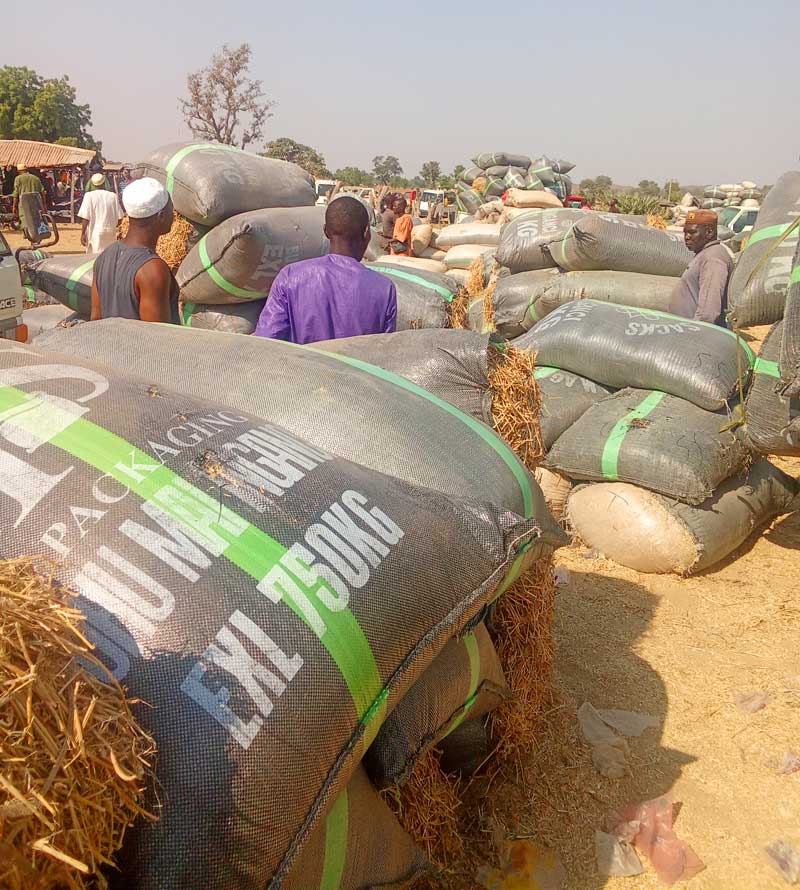
Cheap rabbit feed: Buying hay in bulk when is cheap at the livestock open market is a wise investment and decision
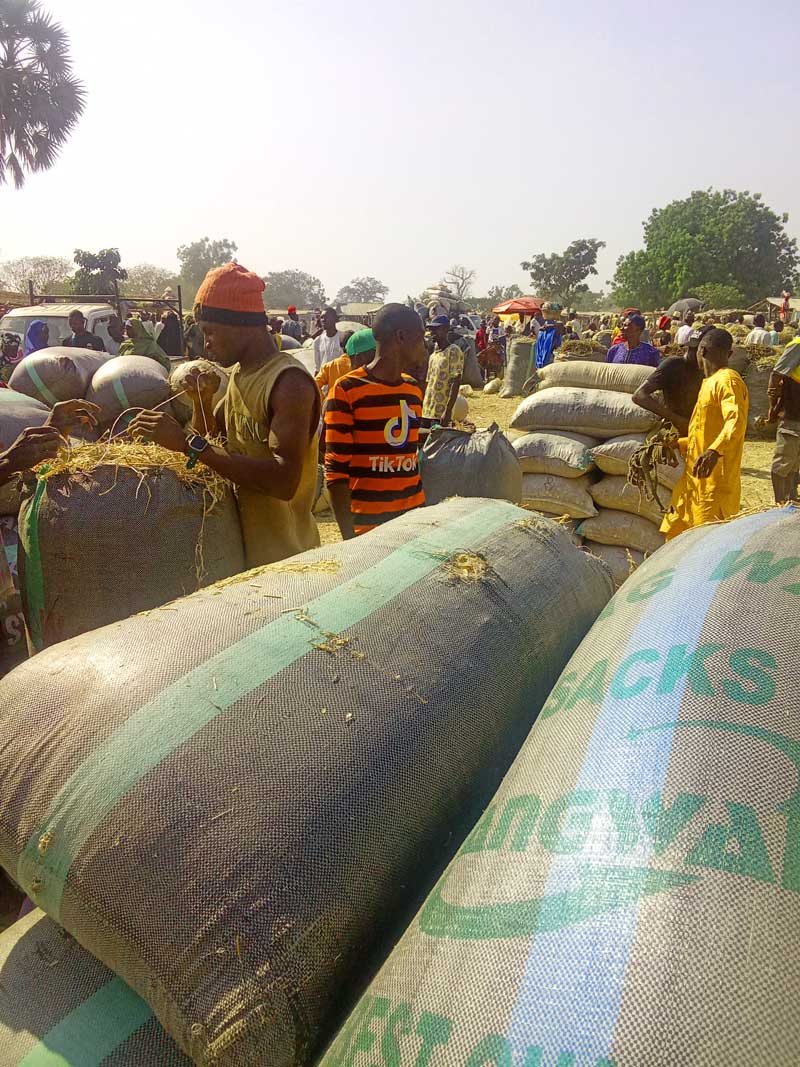
- Forage Preservation: Feed for the Dry Season
Many farmers make the same mistake every year.
During the rainy season, grass is everywhere.
During the dry season, feed becomes scarce and expensive.
Smart farmers preserve forage when it is abundant.
Methods of Forage Preservation
Method 1: Hay Making
- Harvest fresh grass.
- Dry under shade.
- Store in a dry place.
Method 2: Drying Leaves
Leaves such as:
- Moringa
- Sweet potato vines
- Cowpea leaves
Can be dried and stored.
Method 3: Bundling and Storage
Tie grasses into bundles and keep them in a well-ventilated shed.
Seasonal Feed Strategy
Rainy Season
│
▼
Harvest Extra Forage
│
▼
Dry and Store
│
▼
Use During Dry Season
│
▼
Lower Feed Costs
Why It Matters
Farmers who preserve forage avoid panic buying during feed shortages and maintain consistent rabbit growth throughout the year.
Additional Feeding Tips for Rabbit Farmers
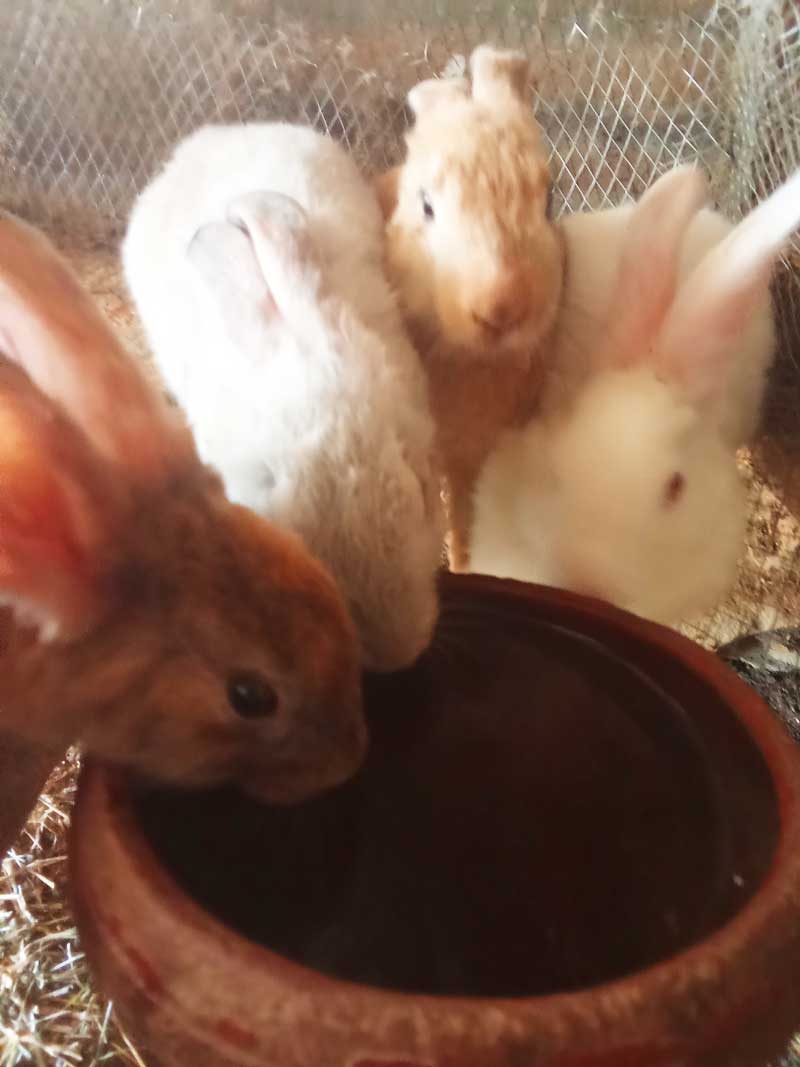
Always Provide Clean Water
No feed program can succeed without fresh water.
Water helps rabbits:
- Digest feed properly
- Regulate body temperature
- Produce milk
- Maintain good health
Check drinkers daily.
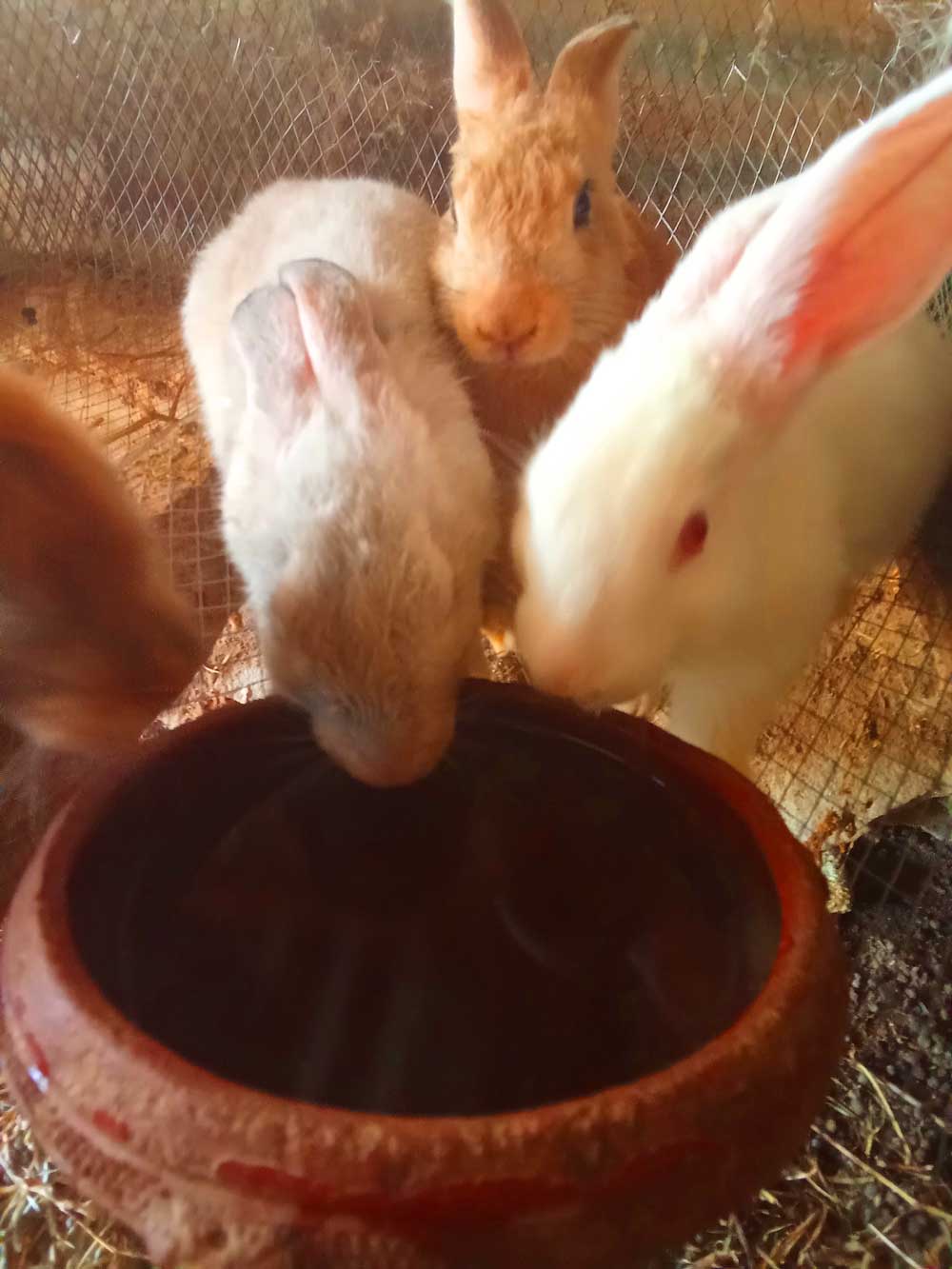
Cheap rabbit feed: Clean fresh water is key to a healthy rabbit life
Introduce New Feeds Gradually
Sudden feed changes can upset a rabbit’s digestive system.
When introducing a new feed:
- Start small.
- Observe the rabbits.
- Increase gradually.
- If the rabbit is uninterested after some time, discontinue immediately
Avoid Wet or Spoiled Feed
Wet, mouldy, or fermented feed can cause serious health problems.
Always inspect feed before offering it.
Remember the noble rule:
“If you wouldn’t eat it yourself, don’t feed it to your rabbits.”
Plant Your Own Feed Bank
One of the smartest investments a rabbit farmer can make is establishing a feed bank.
Possible feed bank crops include:
- Elephant grass
- Moringa
- Sweet potato
- Pumpkin
- Cowpea
- Stylo
This provides a reliable feed source throughout the year.
The Smart Rabbit Farmer’s Formula
The most successful rabbit farmers rarely depend entirely on commercial feed.
Instead, they combine:
HAY
+
GRASS
+
GREEN LEAVES
+
LEGUMES
+
SAFE KITCHEN LEFTOVERS
+
FORAGE PRESERVATION
=
LOWER FEED COSTS
+
HEALTHY RABBITS
+
BETTER PROFITS
Conclusion
Rabbit farming does not have to be expensive. Many farmers spend more money than necessary because they overlook the valuable feed resources already available around them.
Hay keeps the digestive system healthy. Elephant grass provides abundant fiber. Green leaves and backyard vegetables offer vitamins and minerals.
Legumes contribute essential protein. Safe kitchen leftovers reduce waste, while forage preservation ensures feed availability during difficult seasons.
The secret is not eliminating commercial feed completely but using natural feeds wisely to reduce costs while maintaining healthy, productive rabbits.
The next time you prepare to buy another bag of expensive feed, look around your farm first. You may already have most of what your rabbits need growing right in your backyard.
Remember: The cheapest rabbit feed is often the feed you grow yourself.