7 Key Advantages and Importance of Constructing a Rabbit Hutch Using Wire Gauze and Rod
If you’ve raised rabbits for more than three months, one truth will hit you hard:
Your housing system can make or break your rabbit business.
I’ve seen farmers lose rabbits not because of disease, but because:
- Termites finished the wooden hutch, thereby exposing your rabbits to predators
- Rats chewed their way inside, causing diseases and harming the rabbits’ kittens
- Constant repairs drained money, thereby affecting the business
That’s when many experienced rabbit farmers quietly switched to wire gauze and iron rod hutches, not because it looks fancy, but because it solves real problems and make life easier for the farmer.
Let’s break this down practically, using everyday farm experiences.
-
Superior Durability When You Use Wire Gauze and Rod for Rabbit Hutch Construction: Build Once, Use for Years
One major headache with wooden rabbit hutches in Nigeria is how fast they deteriorate.
In places like Ogun, Ondo, Delta, and even parts of the North, termites are not joking. A wooden hutch that looks strong today can become firewood in 6–12 months.
I remember a farmer friend who built a fine wooden rabbit house with planks. After one rainy season, termites had eaten the legs. One night, the whole structure collapsed, exposing the kittens to danger and even injuring a doe.
Now compare that to wire gauze and rod.
Why wire & rod last longer:
- Iron rods don’t rot
- Galvanised wire gauze doesn’t attract termites
- No swelling duringthe rainy season
- Can last 6–10 years with minimal maintenance
Even if the initial cost feels higher, it’s cheaper in the long run. You’re not rebuilding every year.
Cheap housing is often the most expensive decision later.
Related article:
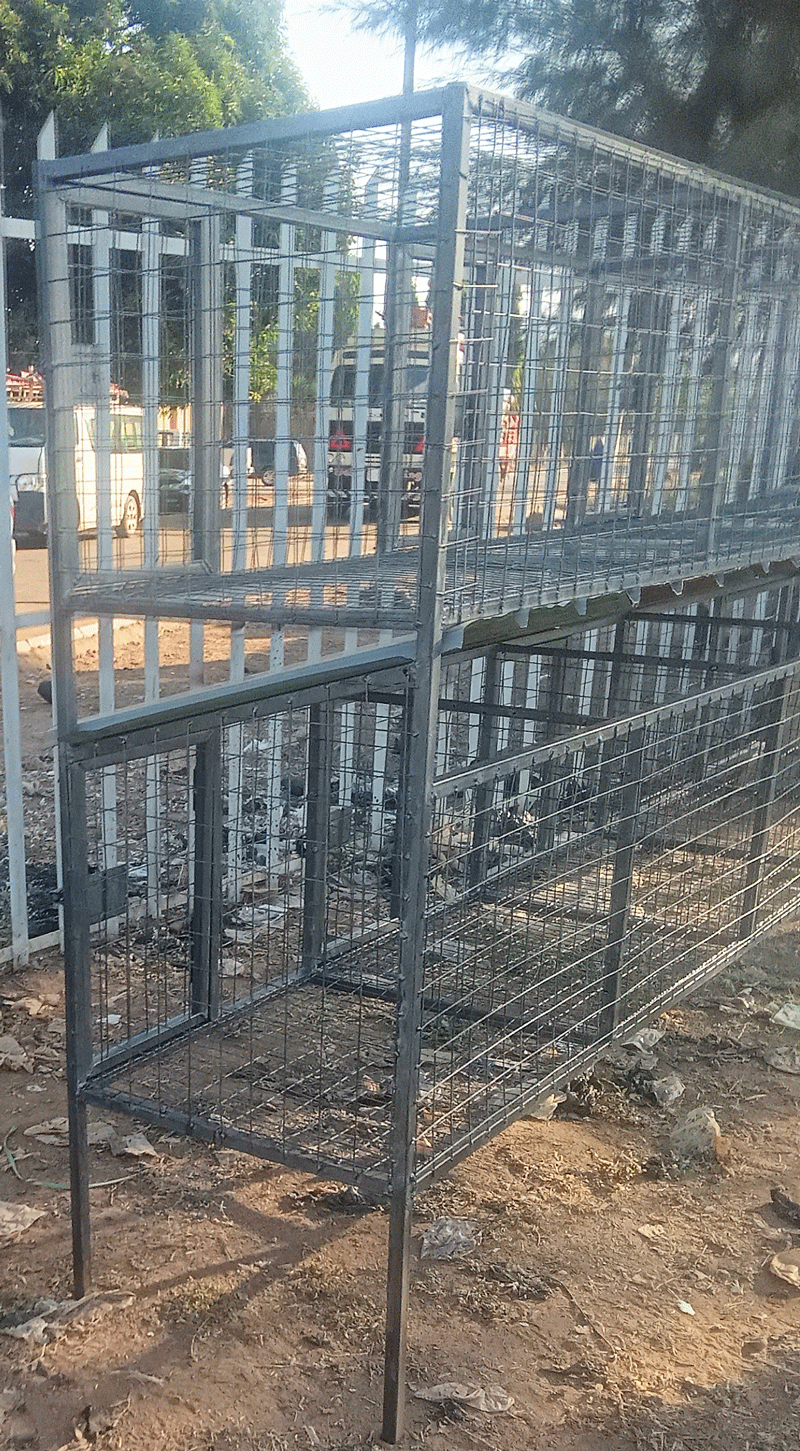
Using wire gauze and rods for rabbit hutches is a smart upgrade compared to wood, especially for small to medium-scale farmers. First, durability: wire and rods don’t rot, crack, or get eaten by termites like wood, so the hutch lasts longer with less repair stress.
-
When You Use Wire Gauze and a rod for a rabbit hutch, you have Zero Termite Problems (This Alone Is a Big Win)
If you’ve battled termites before, you’ll understand why many rabbit farmers don’t even argue this point anymore.
Termites:
- eat wooden legs
- Weaken support beams
- cause sudden collapse
- hide damage until it’s too late
With wire gauze and rod hutches:
– termites have nothing to eat
– No chemical treatments needed
– no surprise breakdowns
A rabbit farmer in Minna told me something I won’t forget:
“Since I switched to iron hutches, I sleep better. No fear of waking up to fallen cages.”
That peace of mind is priceless.
Related article:
The 3 Best Daily Feeding Rabbits Habits to Boost Rabbit Growth, Immunity, and Reproduction
No Action in the Hutch? 5 Smart Steps to Take When Your Rabbits Won’t Mate
9 Serious Mistakes to Avoid When Raising Rabbits
-
When You Use Wire Gauze and a rod for a rabbit hutch, it leads to Ventilation = Healthier Rabbits
Rabbits hate heat. And Nigeria has plenty of it.
Poor ventilation leads to:
- heat stress
- reduced feed intake
- slow growth
- low fertility
- sudden deaths during hot afternoons
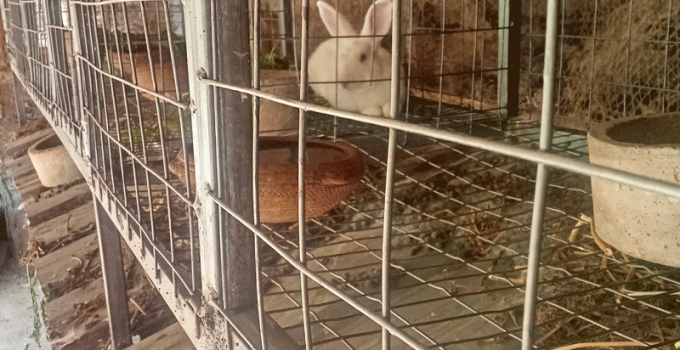
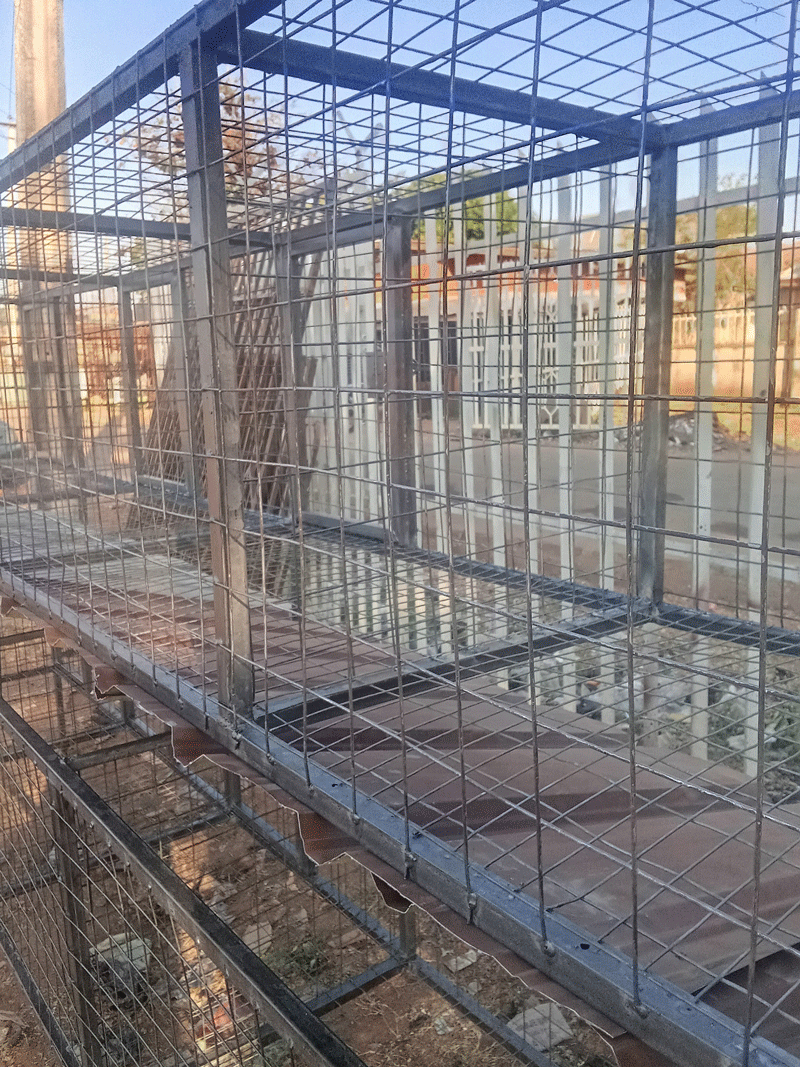
Wire gauze hutches allow free airflow from all sides. No trapped heat. No stale air.
I’ve seen rabbits in wooden box-like hutches pant heavily by 2 pm, while rabbits in wire cages nearby were calm, eating, and active.
A rabbit farmer friend of mine moved his rabbits from wooden hutches into wire cages under shade. Within two weeks:
- Feed intake improved
- Fur condition looked neater and better
- mortality dropped to almost zero
Ventilation is not a luxury; it’s survival.
- Cleaner Environment, Less Smell and Odour
Let’s be honest, rabbit urine smells. And when it accumulates, it becomes a serious problem, especially for backyard farmers.
Wooden hutches absorb:
- urine
- moisture
- droppings smell
After some months, the hutch itself becomes the source of odour.
Wire gauze floors, when properly constructed:
- allow droppings to fall through
- prevent urine accumulation
- stay dry
- reduce ammonia smell
I once visited a rabbit farm in Bida with over 40 rabbits. The hutches were wire-based, raised above ground, and surprisingly no smell. You could stand close without holding your nose.
Place a removable tray or concrete floor beneath the cage for easy cleaning. Clean 2–3 times a week, and your neighbours won’t complain.
Related article:
6 Most Common Diseases of Rabbits, And How You Can Prevent Them.
3 Secrets that will help you Become More Successful in Rabbit Farming
13 Causes of High Mortality in Young Rabbits Kittens and How to Remedy the Situations
-
When You Use Wire Gauze and a rod for a rabbit hutch, you have a strong and Sturdy Structure (No Collapsing Structures)
Another common issue with poorly built wooden hutches is instability. Over time:
- nails loosen
- wood bends
- joints weaken
- legs sink into the soil
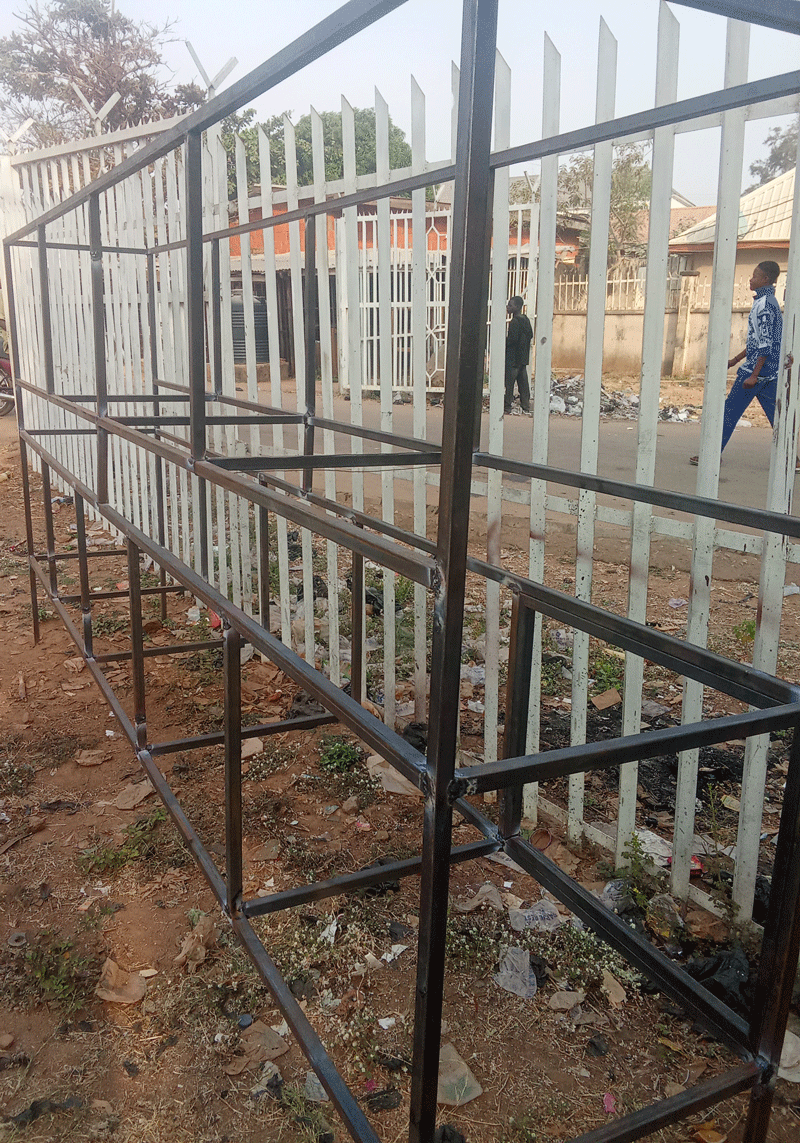
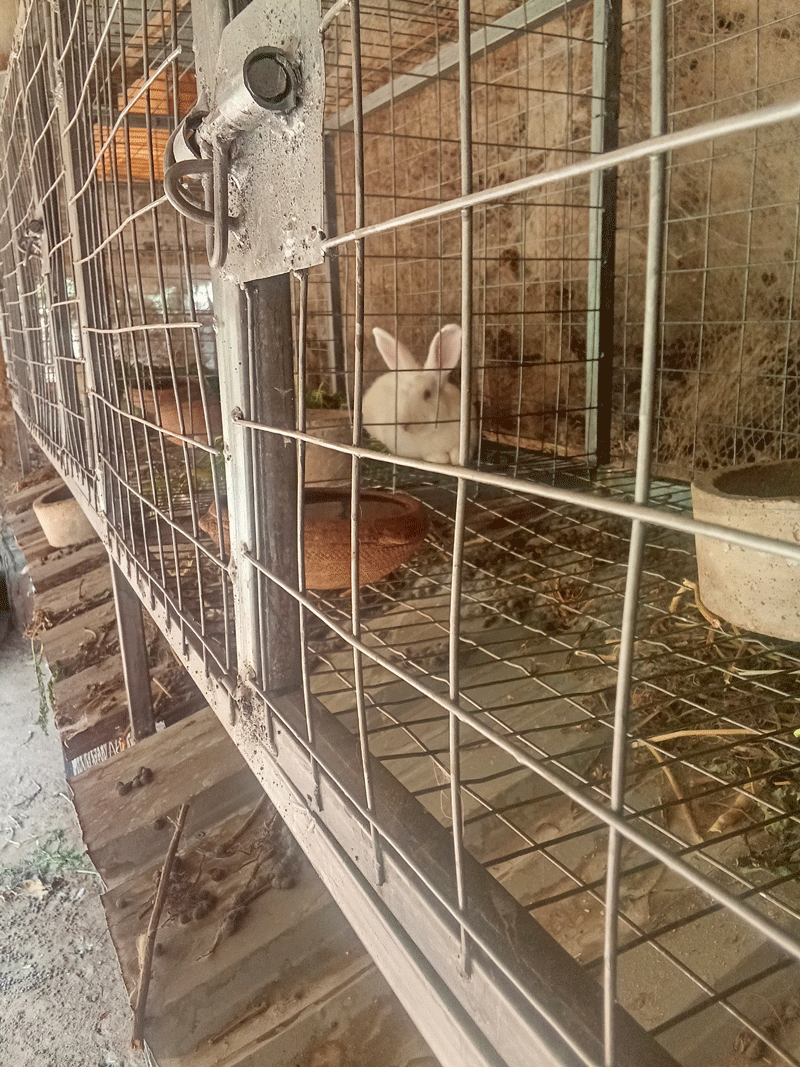
Wire gauze combined with iron rods creates a solid frame that doesn’t wobble.
A farmer in Minna once shared how his wooden rabbit cage collapsed when children leaned on it. After switching to iron cages, he never had such issues again.
Why rod-based hutches are sturdier:
- Welded joints are stronger
- weight is evenly distributed
- resistant to rain and humidity
- can be stacked properly for space management
For farmers with limited space, this matters a lot.
Related article:
How Cow Fattening Can Make You Rich
5 Solid Ways You Can Source Goats for Your Farm
6 Ways Your Environment Can Affect Your Broilers’ Behaviour and Performance
-
When You Use Wire Gauze and Rod for Rabbit Hutch Construction, it gives Room for Easier Cleaning and Better Hygiene Control
Good hygiene is half of rabbit health management.
With wire gauze hutches:
- droppings don’t stick
- Urine doesn’t soak in
- Parasites have fewer hiding spots
- cleaning time is reduced
I’ve seen farmers spend time scrubbing and cleaning wooden hutches with brooms and rags, yet the smell remains. Meanwhile, wire hutches can be washed, disinfected, and dried quickly.
Personal observation:
A small-scale farmer can reduce cases of coccidiosis significantly after switching to wire hutches because droppings no longer stay in contact with rabbits.
Less contact with waste = fewer diseases.
- Better Monitoring of Rabbits (You See Everything) before your eyes
This is an underrated advantage.
With wire gauze hutches, you can:
- observe feed intake easily
- Spot diarrhoea, early
- notice injuries or abnormal posture,
- monitor kits properly,
- check mating behaviour
In wooden hutches, problems often hide until they’re serious.
A rabbit farmer in Minna noticed a doe refusing feed early because the wire cage made observation easy.
He treated her quickly and saved the rabbit. In a closed wooden hutch, that rabbit might have died unnoticed.
Early detection saves money and lives.
Other Practical Benefits Worth Mentioning When You Use Wire Gauze and Rod for Rabbit Hutch Construction
- Rodent and Predator Control Made Easy
Well-built wire hutches prevent:
Wooden hutches are easier for rats to chew through.
- Easy Repairs
If part of the wire spoils:
- Replace that section only
- No need to dismantle everything
- Scalability
As your rabbit business grows:
- You can add more cages
- stack vertically
- maintain uniform structure
This is why most serious rabbit farms eventually move to wire systems.
Common Mistakes to Avoid When Using Wire Gauze & Rod
Let’s be honest, wire hutches also fail when poorly done.
Avoid these:
– Using a very thin wire that hurts the rabbit’s feet
– Sharp edges that cause injuries
– Poor welding that weakens the structure
– No shade, exposing rabbits to the sun
– Not elevating cages from the ground
Always:
- use smooth, strong wire
- ensure proper spacing
- provide shade and roofing
- raise cages at least 2–3 feet above ground
Conclusion
Is Wire Gauze and Rod Hutch Worth It?
If you’re raising:
- 5 rabbits
- 20 rabbits
- or planning to scale to 50+
Wire gauze and rod hutches are not luxury housing; they are practical, long-term investments.
From durability and termite resistance to hygiene, ventilation, and comfort, this system solves problems many Nigerian rabbit farmers struggle with daily.
I’ve watched farmers rebuild wooden hutches every year, while those who invested once in wire cages focused their money on feed, breeding stock, and expansion.
Your housing should support your rabbits, not drain your energy and wallet.