7 Practical Ways Farmers Can Reduce Stress without Leaving the Farm
Farming is stressful, FULL STOP.
Anyone who tells you otherwise has probably never worried about too much rainfall (flood), drought (low rainfall), sudden rain after spraying, sick animals on credit feed, unpaid produce in the market, or prices crashing overnight, and government policy.
For small to medium-scale farmers, stress isn’t something you can “take a break from.” Crops won’t wait. Animals won’t pause. Bills won’t be put off because you’re tired.
The good news?
Many farmers are learning how to reduce stress without stopping work, abandoning the farm, or waiting for miracles.
Not motivational talk. Not luxury retreats. Just practical, on-farm adjustments that actually work in real life.
Let’s talk about 7 practical ways farmers are doing it, mistakes included and how you can apply them immediately.
-
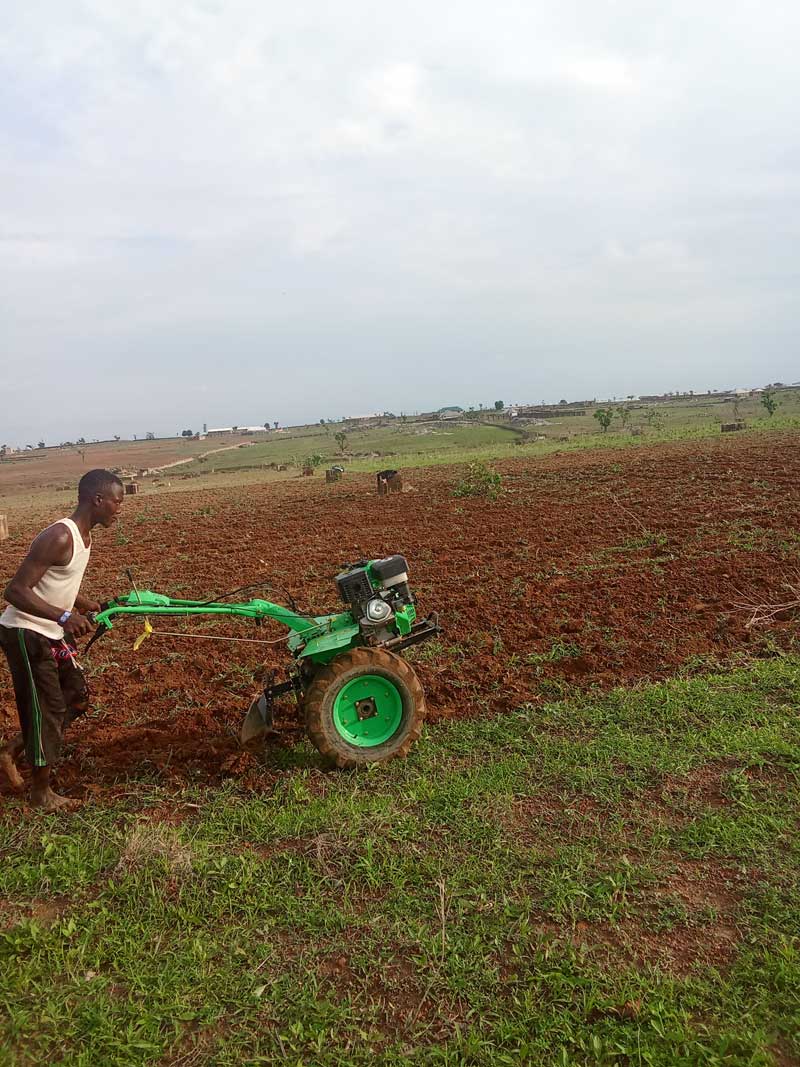
Farmers Can Reduce Stress by Not Doing Everything Alone, Even In The Presence Of Scarce Resources
One of the biggest stress multipliers on farms is trying to do everything yourself.
Planting, weeding, feeding animals, record-keeping, marketing, repairs alone.
The common mistake made by farmers
Many farmers believe:
“If I don’t do it myself, it won’t be done well.”
Or worse:
“I can’t afford help.”
The truth of the matter is that doing everything alone often costs more in mistakes, delays, injuries, and burnout.
The practical solution
Smart farmers delegate small, specific tasks, not the whole farm.
Examples of what you can delegate:
- Hire casual labour only for peak periods (planting, weeding, harvesting)
- Assign one trusted person to daily feeding while you focus on planning
- Partner with a neighbour to share labour or equipment
Even two hours of help a day can drastically reduce stress.
Farmers who delegate regain mental space. They think more clearly, plan better, and make fewer costly errors.
Related article:
Farming with Little Rain? Discover 5 Proven Ways to Grow Crops in Drought-Prone Areas
7 Strategic Planning in Farming: Secrets Smart Farmers Use to Achieve Bumper Harvests Every Season
-
Farmers Can Reduce Stress By Simplifying Daily Farm Routines
Stress isn’t always from hard work; it’s from confusing, disorganised work.
The common mistakes farmers make
- Feeding animals at different times every day
- No fixed order for farm tasks
- Searching for tools every morning
- Mixing feeds “by memory and sight,” not by standard, measurement and quantifying
This chaos quietly drains energy.
The practical solution
Farmers who reduce stress create simple daily routines and stick to them.
Examples of daily routines:
- Fixed feeding times, morning and evening
- Same order of work every day (e.g., animals first, crops next)
- Tools stored in one known place i.e tool box
- Written feed formulas pinned on the wall
You don’t need a fancy schedule, just consistency.
Your body and mind stop panicking about “what next?” Work flows. Fatigue reduces.
Related article:
Stop Farming Blindly: 5 Proven Reasons Testing Your Soil is the Smartest Farming Move
6 Health-Boosting Benefits of Farming You Need to Know
Ready to Go Big in Farming? 6 Conditions You Must Fulfil Before Going into Commercial Farming
-
Farmers Can Reduce Stress by Accepting That Some Losses Are Normal (and stop self-blame and complaints)
One silent stress killer in farming is constant self-blame and complaints.
The common mistake
- “If I had so, so and so equipment, this wouldn’t have happen”
- “If I were smarter, this wouldn’t have happened.”
- “Other farmers are doing better than me.”
- “I failed again.”
But here’s the hard truth:
Losses are part of farming. Weather changes. Diseases break through. Markets misbehave.
Practical solution
Stress-smart farmers separate controllable losses from unavoidable ones.
They ask:
- What could I control?
- What was beyond me?
- What lesson can I carry forward?
They don’t pretend losses don’t hurt, but they don’t turn them into personal failure.
Farmers who release self-blame sleep better, recover faster, and stay mentally strong for the next cycle.
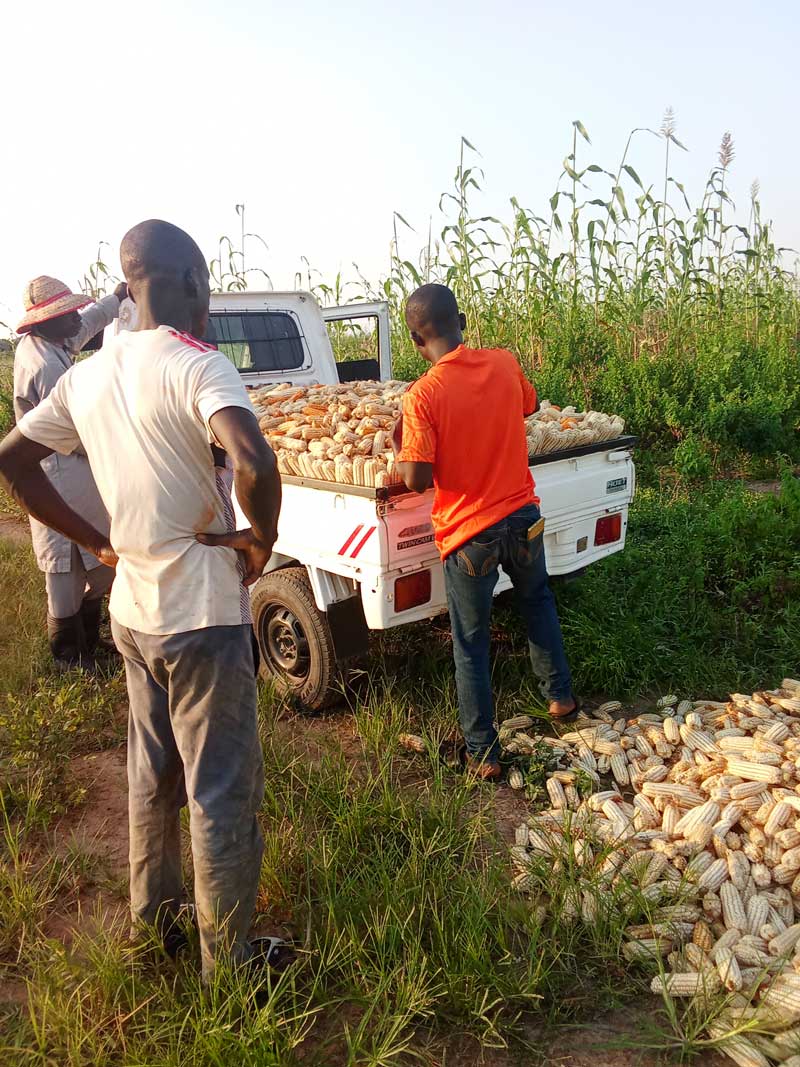
farmers packing harvested maize home
Related article:
Ready to Go Big in Farming? 6 Conditions You Must Fulfil Before Going into Commercial Farming
Getting Started with Goat Farming Business: A Beginner’s Guide for Smallholders
7 Reasons Why its Important Farming Your Maize to Feed Your Poultry Birds
-
They Reduce Financial Stress by Tracking Simple Numbers
Money uncertainty is one of the biggest stress sources on small farms.
Not a lack of money uncertainty.
The common mistake farmers make
- No clear idea of profit or loss
- Mixing farm money with household money
- Guessing instead of tracking
This creates constant anxiety.
Solutions
You don’t need accounting software.
Farmers who reduce stress track just three things:
- Expenditure
- Profit
- Outstanding debts
A simple notebook or phone note is enough.
Some farmers also:
- Separate farm cash from personal cash
- Know the break-even point before production
- Plan sales before harvest
Once numbers are visible, fear reduces, even when money is tight, because uncertainty disappears.
Related article:
13 Important Tips for Good Feed and Water Management in Poultry Farming
8 Ways You Can Easily Get Rich Through Broiler Farming
6 Unique Ways You Can Keep Your Cow Healthy During the Fattening Period
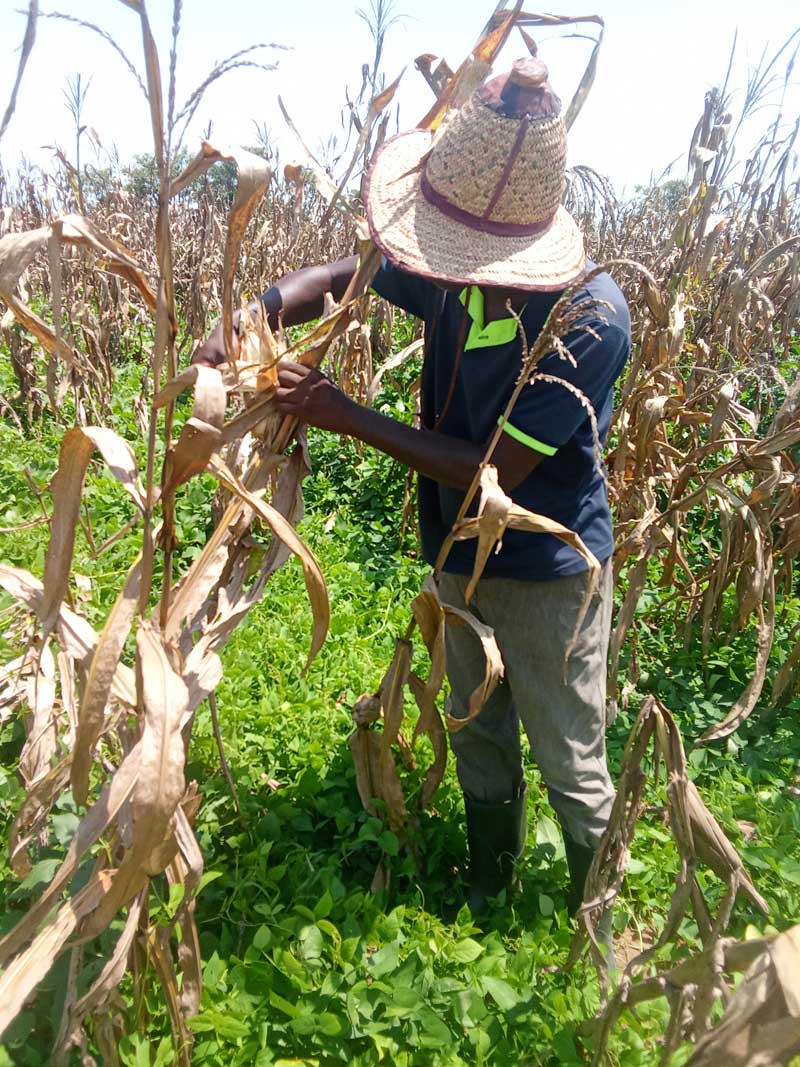
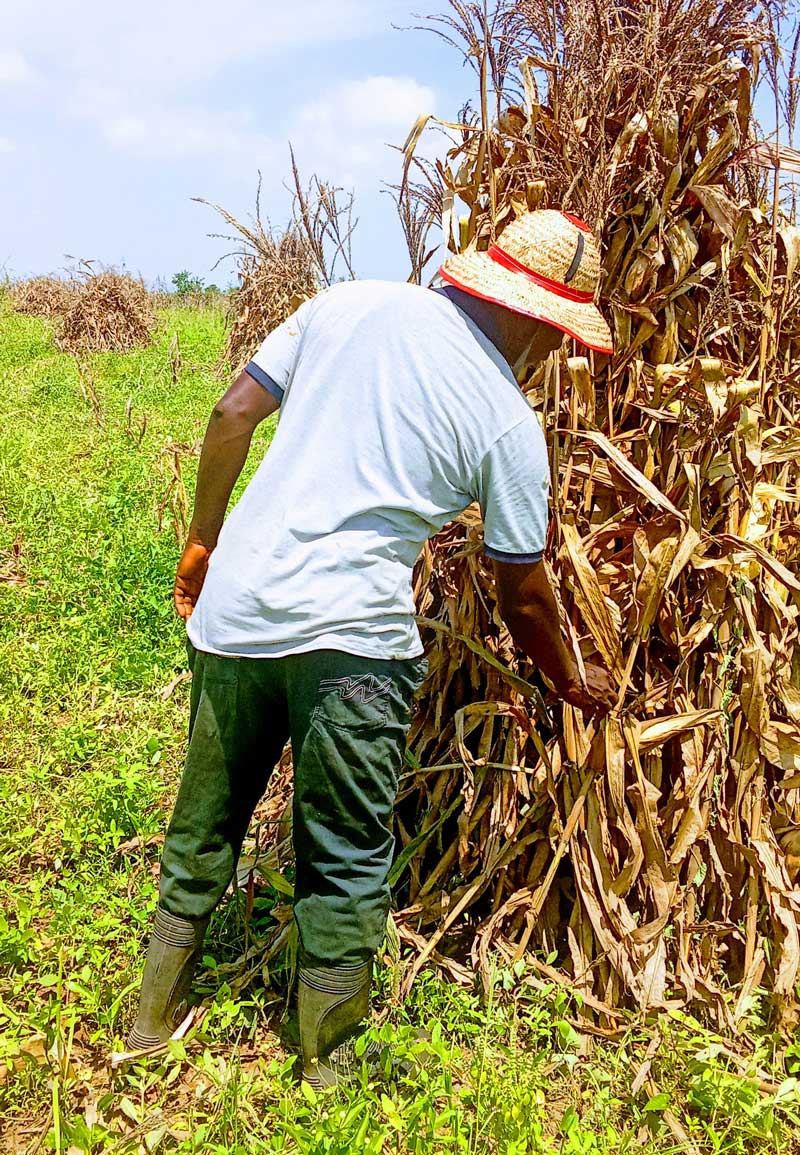
a maize farmer inspecting the maize cob
-
They Adjust Work Pace, Not Work Volume
Many farmers think reducing stress means working less.
That’s rarely possible.
What actually works is adjusting the pace.
The common mistake
- Rushing every task
- Skipping rest entirely
- Working nonstop during heat hours
This leads to exhaustion, injuries, and poor decisions.
The right solution to this issue
Stress-smart farmers:
- Start earlier to avoid extreme heat
- Break work into chunks
- Rest briefly between heavy tasks
- Rotate labour-intensive jobs across days
- Delegate certain special farm work toa specialist in that particular field
They work steadily, not frantically.
Less fatigue, fewer mistakes, a stronger body, and a longer farming lifespan.

-
Farmers can Reduce Stress by talking to Other Experience Farmers (Not Just Suffer in Silence)
Isolation quietly destroys many farmers.
Mistakes made by most farmers
- Carrying stress alone
- Hiding challenges out of pride
- Comparing success silently
This builds pressure internally.
Fixing this
Farmers who cope better:
- Share experiences with fellow farmers
- Join local farming groups and cooperative societies
- Talk openly about challenges, not just successes
Not gossip. Reality sharing.
Sometimes just hearing:
“I’ve been there too”
…is enough to reduce stress.
Farmers feel less alone, learn faster, and recover emotionally after setbacks.
Related article:
How to Keep Your Goat Healthy Throughout the Rainy Season
How to Guarantee Productivity in Rabbit Farming During Extreme Heat (Hot Climate)
8 Wonderful Benefits of Goat Farming to Mankind
-
Farmers Can Reduce Stress by Guarding Their Health Jealously without Leaving the Farm
Stress and health are tightly connected.
How farmers can fix this by not doing the following
- Ignoring pain and fatigue or handling it with levity
- Skipping meals
- Drinking water too late
- Sleeping irregularly
This turns manageable stress into long-term damage.
The practical fix
Farmers who last longer:
- Eat before exhaustion hits
- Drink water consistently
- Stretch after heavy work
- Maintain regular sleep times
- Take short breaks without guilt
No gym. No spa. Just basic self-care on the farm.
Better energy, stronger immunity, fewer sick days, and improved mental balance.
Conclusion
Stress Doesn’t Mean You’re Weak
If farming stresses you, it doesn’t mean you’re failing.
It means you’re human in a demanding profession.
The goal isn’t to eliminate stress; it’s to manage it wisely without abandoning your livelihood.
Start small:
- Delegate one task
- Simplify one routine
- Track one number
- Talk to one fellow farmer
- Assign special farm work to a specialist in that field
Over time, these small shifts build resilience.
And remember, a stressed farmer can’t sustain a farm, but a smart, supported farmer can feed generations.