Feed, Grow, Profit: 5 Smart Ways to Increase Cattle Farm Profit
Feed, Grow, Profit: 5 Smart Ways to Make Your Cattle Business More Profitable
Cattle farming can be profitable, but let me tell you something I have learned from watching farmers raise cattle: having more cattle does not automatically mean making more money.
You can have ten cattle eating every day and still discover at the end of the season that your profit is smaller than expected.
The reason is simple. Money goes into buying the animals, feed, drugs, labour, water, housing and transportation.
If these costs are not properly managed, the cattle may grow while the business itself struggles.
This is why I like to think about cattle farming in three simple words: feed, grow and profit.
The objective is not merely to make an animal big. The objective is to produce healthy animals efficiently and sell them at a price that gives the farmer a reasonable return.
Here are five practical ways to improve your cattle farm profit.
-
Feed for growth, not just fullness, to actualise your cattle farm profit
One common mistake is thinking that if a cow’s stomach is full, the animal has received good nutrition.
Not necessarily.
Cattle need a balanced supply of energy, protein, fibre, minerals and water. The exact requirement depends on the animal’s age, breed, body size, production purpose and available feeds.
For a farmer involved in cattle fattening, this is especially important.
For example, good-quality groundnut haulms or cowpea hay can provide useful protein and fibre, while maize and other energy-rich feeds can help supply energy.
Depending on what is locally available, farmers may also use crop residues, grasses, agro-industrial by-products and properly formulated concentrates.
The key is not to throw everything available into the feeding trough without considering the balance.
I have seen farmers spend heavily on expensive concentrate while allowing valuable roughage to spoil outside the pen. That is money being wasted.
A better approach is to first identify the feeds available around your farm and understand what each one contributes.
And don’t forget water.
A growing animal needs regular access to clean water. In hot weather, water demand can rise considerably. Restricting water simply because the farmer wants to reduce costs can work against growth and animal welfare.
Feed the animal according to its purpose, not simply according to what happens to be available that day.
Related article:
Home Cow Fattening: How to Prevent Bacterial Infections, Dampness, and Keep Stall-Fed Cattle Healthy
Your Cow Is Fat, but Your Pocket Is Empty: 7 Smart Ways Cow Fatteners Can Beat Market Middlemen
-
You can increase your cattle farm profit by reducing feed wastage
This sounds very simple, but it can make a surprising difference to the economics of a cattle farm.
Imagine buying or producing 100 kg of feed and allowing 15 or 20 kg to be trampled into the mud, contaminated with manure or blown away. You have effectively paid for feed that never contributes to the animal’s growth.
Poorly designed feeding areas are one cause.
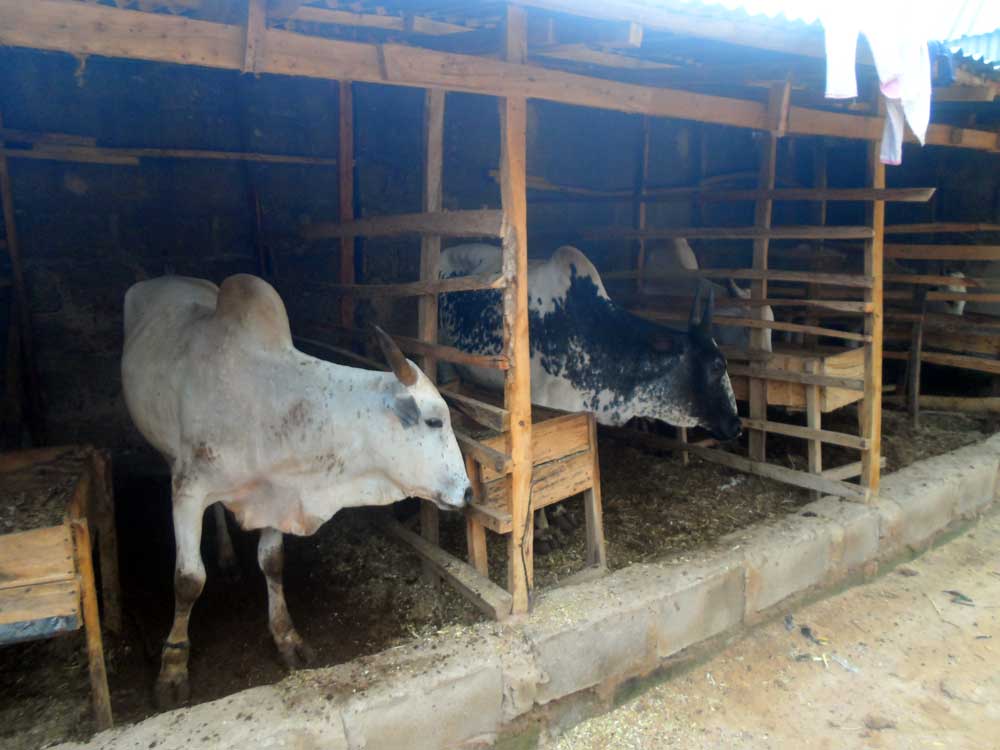
If the trough is too low, too small or badly positioned, cattle may pull feed out while eating. Wet feed can also spoil quickly, particularly during hot or rainy periods.
A farmer does not necessarily need an expensive commercial feeding trough. A properly constructed concrete trough, strong wooden structure or suitable locally available material can work if it is safe and easy to clean.
Give cattle enough feeding space to reduce unnecessary fighting and competition, particularly when animals of different sizes are kept together.
Also inspect leftover feed regularly.
If cattle consistently leave large quantities behind, don’t automatically assume they are being wasteful. It may indicate that the ration is not palatable, the feed is poor quality, or simply that too much is being supplied.
A little observation can save money.
Related article:
A Practical Step-by-Step Guide to Profitable Cow Fattening Business in Just 3–6 Months
Working a 9–5 but Need Extra Income? 3 Strategic Cow Fattening Ideas That Build Wealth on the Side
-
One of the best ways to protect your cattle farm is to protect growth through good health management
There is an old saying among farmers: a sick animal cannot perform like a healthy animal.
That is particularly true in fattening.
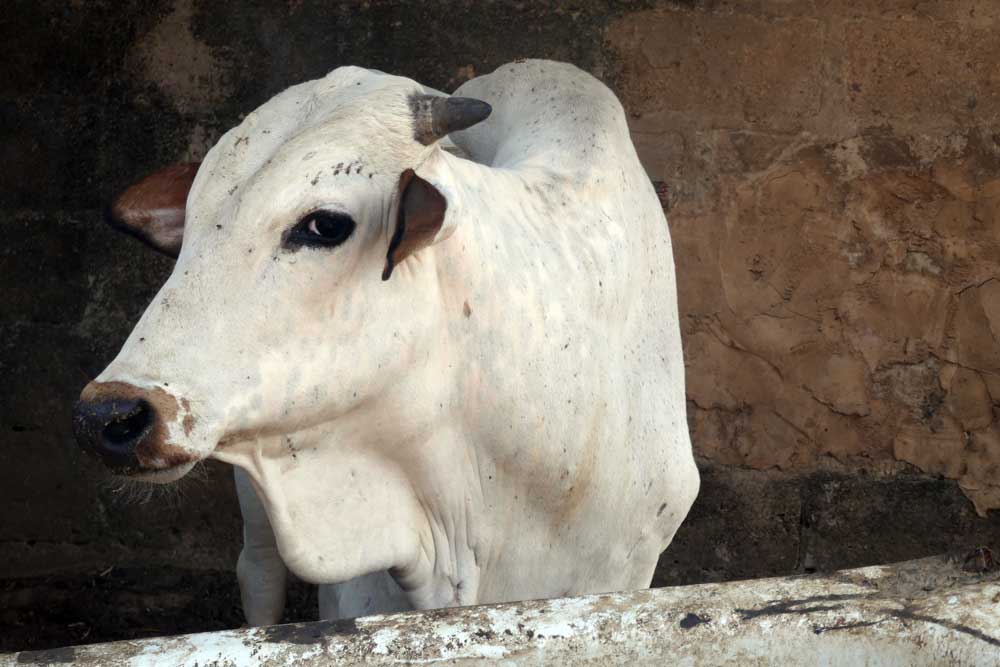
An animal battling parasites, diarrhoea, respiratory disease, poor appetite or another health problem may consume feed without gaining weight as expected.
This is why preventive management is usually cheaper than waiting for a serious problem.
Observe your cattle every day.
Look at their appetite, manure, eyes, breathing, coat condition, walking pattern and general behaviour. A farmer who sees his animals regularly can often notice changes before the situation becomes serious.
Parasite control, vaccination where appropriate, hygiene and prompt veterinary attention all have a role.
But there is another important point: don’t treat every problem blindly.
Farmers sometimes hear that a particular antibiotic or dewormer worked for another farmer and immediately use the same product without considering the animal’s condition, weight, diagnosis or correct dosage.
That can waste money and contribute to drug resistance.
When an animal is sick, get appropriate veterinary or animal-health advice, especially when the diagnosis is uncertain.
Healthy cattle don’t just look better. They convert feed more effectively and give the farmer a better opportunity to recover production costs.
Related article:
13 Wonderful Benefits of Molasses to Cattle
Before You Spray: Why Regular Maize Pest Scouting Is One of the Best Investments on Your Farm
-
Keeping simple records—even if you have only a few cattle can help you increase your cattle farm profit
You don’t need a computer or complicated farm-management software.
A notebook can be enough.
Write down when an animal was purchased, how much it cost, its estimated or measured weight, major treatments, feed purchases and eventually the selling price.
Why is this important?
Because without records, it is very easy to convince yourself that a particular animal or feeding programme was profitable when it actually wasn’t.
Suppose you bought a young bull for ₦500,000 and later sold it for ₦700,000. At first glance, you might think you made ₦200,000.
But what about feed, medication, transportation, labour and other expenses?
Your actual profit is what remains after those costs are considered.
Records also help you compare animals.
Perhaps you discover that animals purchased at a particular weight and fed for four months give you better returns than keeping them for six months. Or perhaps you find that one feed ingredient is costing too much compared with its contribution to growth.
Without records, these lessons remain hidden.
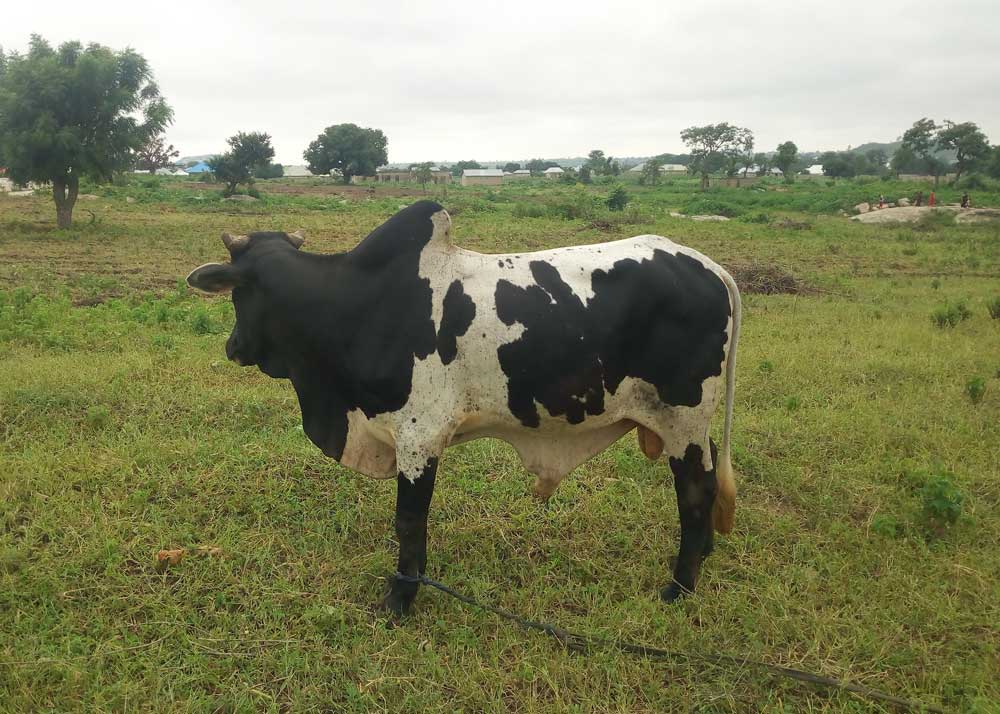
Even weighing animals periodically—or using a consistent method of estimating weight where scales are unavailable—can help you monitor progress.
Related article:
Farmer Heat Stress: Signs, Prevention, and First Aid
Farmer Health Check: Why Regular Medical Check-ups Are as Important as Fertilising Your Crops
The Farm Wealth Formula: How Smart Farmers Turn Animal Waste into Bigger Harvests and Bigger Profits
- Buy and sell with a plan
This is where many cattle businesses either make money or lose it.
The buying price matters, but so does the selling time.
Before buying cattle, think about your target market. Who will eventually buy the animal? A butcher? Trader? Consumer? Another farmer? A festive-season market?
Prices can change depending on location, season, animal size, body condition and demand.
Don’t assume that keeping an animal longer always means more profit.
Every extra day means another day of feeding, watering, labour and health risk.
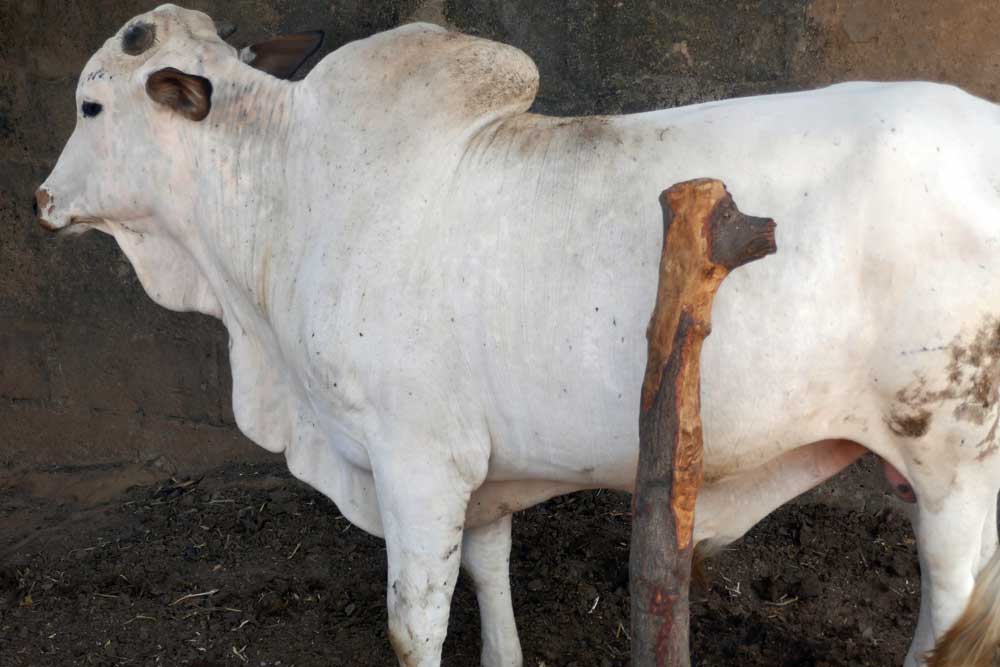
For example, if a bull has already reached a desirable market condition and the additional weight it is gaining is costing more than the extra selling value, keeping it longer may not make economic sense.
On the other hand, selling too early can also leave potential value on the table.
This is why farmers should monitor both animal performance and market conditions.
If you are operating around markets such as Minna, Abuja or other livestock trading centres, pay attention to local price movements rather than relying entirely on what someone tells you about prices in another state.
The cattle business is local in many ways. Breed preference, transport costs, seasonal demand and buyer preferences can all affect the final price.
The real secret is good management
There is no magic feed that will suddenly make every cow grow rapidly.
There is no single breed that guarantees profit under every farming system.
And there is no feeding programme that works perfectly for every farm.
What works depends on your cattle, your available feeds, your climate, your market and how well you manage the animals.
But the basic principles remain remarkably consistent:
Feed properly. Reduce wastage. Protect animal health. Keep records. Buy and sell intelligently.
These may sound like ordinary things, but ordinary things done consistently can make a big difference.
A small farmer with five well-managed cattle can learn more about profitability than a farmer with twenty poorly managed animals.
So, before increasing your herd, ask yourself a simple question:
Am I already making the most from the cattle I have?
If the answer is no, there may be more profit to unlock through better management before you spend money expanding the herd.
Conclusion
Successful cattle farming is not simply about putting more animals in the pen. It is about turning feed into healthy growth and healthy growth into profitable sales, while controlling the costs along the way.
Start with what you have. Improve your feeding, reduce wastage, watch your animals closely, keep simple records and understand your market.
That is where sustainable cattle farm profit begins.
What has made the biggest difference to your cattle business—better feeding, lower costs, improved health management, or better timing when selling?
Share your experience with other farmers.