Farmer Heat Stress: Signs, Prevention, and First Aid
You wake up early, hoping to finish weeding, spraying, harvesting, feeding livestock, or repairing a fence before the afternoon heat becomes serious. But sometimes the work takes longer than expected. You keep telling yourself, “Let me just finish this one thing.”
That is where the problem can start.
A farmer can become so focused on getting the job done that he forgets to pay attention to what the heat is doing to his own body.
I have seen farmers work for hours under a hot sun with little water, take only a few minutes of rest, and continue because they believe stopping means losing valuable working time.
The truth is that heat stress can make you weak, dizzy, confused and seriously ill. In severe cases, heat stroke can become life-threatening.
And it doesn’t happen only in deserts or during extreme heat waves. A combination of high temperature, humidity, direct sunlight, heavy physical work, poor ventilation, protective clothing and dehydration can put a farmer at risk.
So let’s talk about it the way farmers talk about problems on the farm: what to watch for, how to prevent it, and what to do when someone starts showing signs.
What exactly is farmer heat stress?
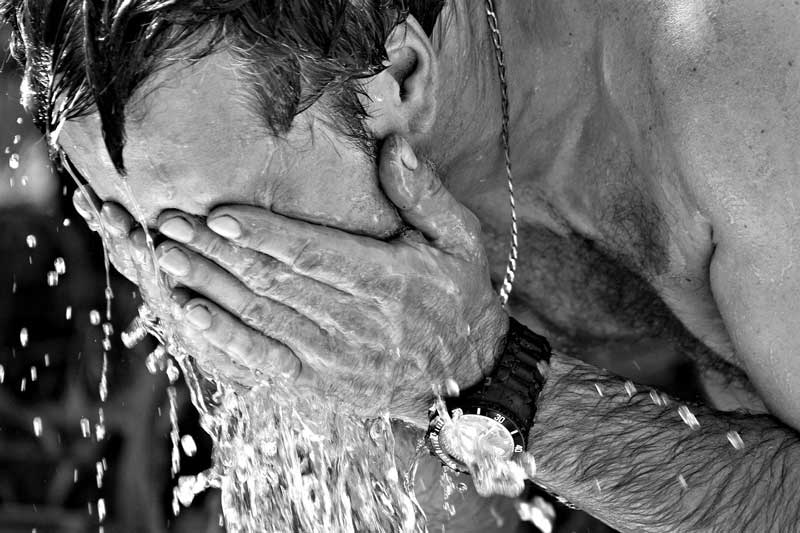
Heat stress happens when the body struggles to get rid of the heat it is producing or absorbing.
Think about a farmer harvesting maize manually at midday. He is walking, bending, lifting and carrying. His muscles are producing heat while the sun is adding more heat from outside.
If the weather is also humid, sweat does not evaporate as easily, making it harder for the body to cool itself.
The same thing can happen inside a poultry house, greenhouse, livestock pen or poorly ventilated farm building.
This is why the thermometer alone doesn’t tell the whole story. Humidity, physical workload, clothing, sunlight, air movement and how accustomed someone is to working in hot conditions all matter.
A young farm worker who normally works in an air-conditioned shop may struggle badly during his first few days on a hot farm.
Even an experienced farmer can become vulnerable after returning from a long break or when temperatures suddenly become much higher than usual.
The body needs time to adjust to increased heat exposure. This process is called acclimatisation.
Related articles:
Chemical Safety for Farmers: Practical Health Measures to Prevent Chemical-Related Illnesses
10 Costly Broiler Farming Mistakes That Keep Farmers Poor (And How to Avoid Every One of Them)
The Biggest Mistake New Goat Farmers Make: Goat Farming Mistakes to Avoid for Better Profits
The early signs of farmer heat stress, farmers should not ignore
One of the biggest mistakes farmers make is waiting until somebody collapses before taking heat seriously.
Heat-related illness can start with symptoms that seem ordinary.
You may notice:
- unusual tiredness or weakness
- heavy sweating
- headache
- dizziness or light-headedness
- intense thirst
- nausea
- muscle cramps
- fast heartbeat
- irritability
- feeling faint
These can be signs of heat exhaustion.
Imagine a farm worker telling you, “My head is turning me,” while harvesting groundnuts in the field.
Don’t simply tell him to sit under a tree for two minutes and continue.
Take it seriously.
Move the person to a cooler or shaded place, allow them to rest and give them cool drinking water if they are alert and able to drink. Cooling with cool wet cloths or cold packs can also help. If the symptoms become worse or don’t improve within about an hour, medical evaluation is needed. The person should not return to strenuous work that day.
Heat cramps are also a warning
Have you ever worked hard in the heat and suddenly felt painful muscle tightening in your legs, arms or abdomen?
That can be a heat cramp.
Heavy sweating and loss of fluids and electrolytes can contribute to these cramps. The sensible response is not to massage the muscle for five minutes and immediately return to work.
Stop the work. Get into a cooler place. Drink cool fluids and rest. If the cramps don’t go away, seek medical attention.
For long periods of heavy work, especially when sweating heavily, electrolyte-containing fluids may be useful because sweat also contains salts and other electrolytes.
Water remains important, but prolonged heavy sweating may require more than water alone.

Related articles:
10 Costly Broiler Farming Mistakes That Keep Farmers Poor (And How to Avoid Every One of Them)
Mental Health in Farming: How to Cope with Stress, Crop Failure, and Financial Pressure
The Farm Wealth Formula: How Smart Farmers Turn Animal Waste into Bigger Harvests and Bigger Profits
Heat stroke is an emergency
This is where every farmer needs to pay close attention.
Heat stroke is much more dangerous than ordinary tiredness or heat exhaustion.
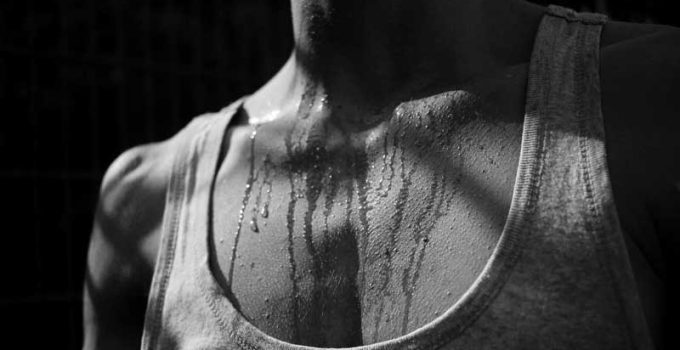
Warning signs can include confusion, fainting, seizures, very high body temperature and hot skin. A person with heat stroke may be sweating heavily, although sweating can also decrease or stop.
If somebody becomes confused, collapses, has a seizure or appears seriously affected by the heat, treat it as an emergency.
Don’t say, “Let’s give him some time; he will be fine.”
Get emergency medical help immediately and start cooling the person while waiting. Move them to a cool, shaded place, remove unnecessary outer clothing, wet the skin with cool water, fan them and use cold packs or ice packs where available. Stay with the person until help arrives.
If the person is not alert or cannot swallow safely, do not force fluids into their mouth, because they may choke.
This is one situation where first aid should never replace professional medical treatment.
Prevention is much better than first aid
The easiest heat-related illness to treat is the one you prevent from happening.
For farmers, one simple principle is worth remembering:
Water. Rest. Shade.
These three things sound basic, but they can save someone from a serious problem.
- Carry enough drinking water
Don’t wait until you are desperately thirsty before drinking.
When working in hot conditions, drink regularly. Keep water close to where the work is taking place instead of leaving it in the vehicle half a kilometre away.
A large covered container, clean jerrycan or insulated water cooler can make a big difference on a small farm.
And don’t make the mistake of saying, “I’ll drink plenty when I get home.”
The body needs fluid while you are working.
- Change the working hours
This is one of the cheapest heat-management strategies available to farmers.
If you need to weed two hectares, don’t automatically decide that everybody must start at 11 a.m. and continue until 4 p.m.
Where practical, start earlier in the morning when temperatures are lower. Heavy physical jobs can be scheduled for cooler periods, while less demanding activities can be done during hotter parts of the day.
For livestock farmers, feeding, cleaning and other physically demanding jobs can also be planned around the hottest part of the day.
Changing the schedule doesn’t mean you are lazy.
It means you are working intelligently.
OSHA also recommends modifying schedules, reducing physical demands and using cooler times of day where possible.
- Create a proper resting place
A tree is useful, but don’t assume every resting area is equally cool.
On a commercial farm, consider creating a designated shaded rest area where workers can sit, drink water and cool down.
It could be a simple roofed structure made with locally available materials. It doesn’t have to be expensive.
The important thing is that workers actually use it.
Some farmers think that resting workers are wasting time. But a worker who rests for 15 minutes and returns productive is better than one who becomes sick and cannot work for the rest of the day.
- Wear clothing that allows heat to escape
Heavy, tight or poorly ventilated clothing can make heat stress worse.
Where the job allows it, use lightweight, breathable clothing and suitable protection from the sun.
A wide-brimmed hat can provide useful shade for the head, face and neck.
However, farmers should not remove necessary protective equipment simply because it feels hot. If spraying chemicals or doing another hazardous job requires specific PPE, follow the safety requirements and look for ways to reduce heat exposure through scheduling, rest and ventilation.
Some protective clothing and equipment can increase heat stress, so the whole work system needs to be considered.
Be especially careful with new farm workers
Here’s a common farm situation.
You employ somebody who has never done serious outdoor farm work before. On the first day, he wants to prove that he is strong.
You tell him to join everybody in clearing the field from morning until afternoon.
That can be a bad idea.
People who are not accustomed to working in the heat need time to adapt. New or returning workers should gradually increase their exposure to hot working conditions, with shorter periods of strenuous work and more frequent breaks initially.
Don’t be impressed when a new worker says, “I can handle it.”
Watch the worker.
The same applies to someone returning after an extended absence.
Having a buddy system is also useful. Farmers should look after one another, particularly during very hot conditions.
Related articles:
How Farmers Can Protect Their Kidneys During Hot Weather: A Practical Guide for Every Farmer
Healthy Farmer, Healthy Farm: 12 Farm Health and Safety Practices Every Farmer Must Know
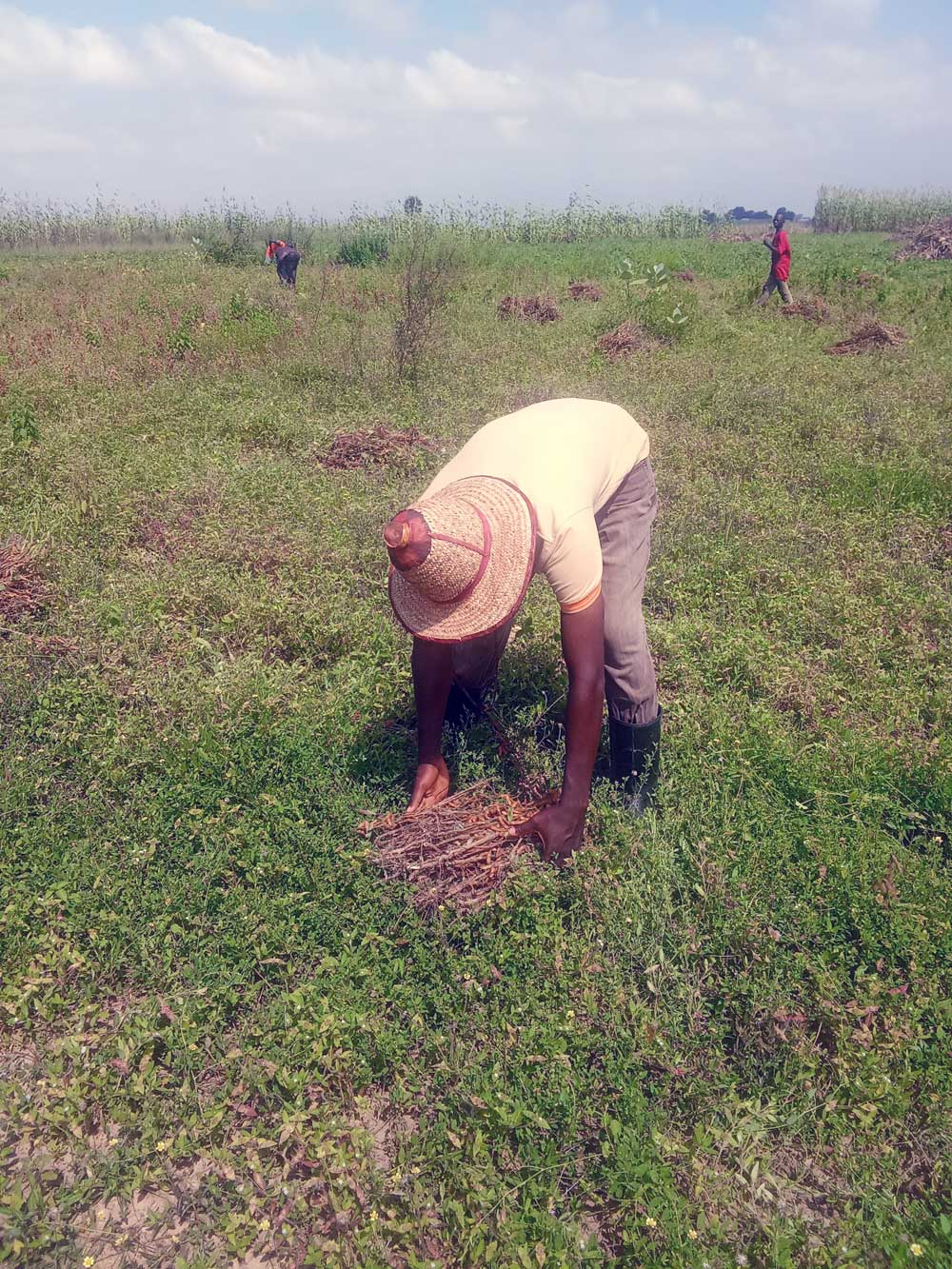
Don’t let farm culture encourage dangerous behaviour
Sometimes the biggest enemy is not the weather.
It is the attitude of the people working in it.
We sometimes hear things like:
“Real farmers don’t complain.”
“Let us finish first.”
“I have worked under this sun for 20 years.”
“Just take some water and continue.”
That mindset can be dangerous.
A farmer can be experienced and still suffer heat illness.
A strong young man can collapse.
And somebody who normally handles hot weather well can struggle when the temperature, humidity or workload suddenly increases.
Heat illness is not a competition.
What about drinking energy drinks, soft drinks or alcohol?
Farmers sometimes reach for whatever drink is available.
For routine work, clean drinking water should be readily available. During prolonged heavy sweating, electrolyte-containing fluids can also be useful.
But don’t treat alcohol as a way of rehydrating after farm work. It is not a substitute for water or appropriate fluids.
Also be careful with excessive caffeine-containing or very sugary drinks. They shouldn’t replace your main source of hydration.
The simple approach is often the best: carry enough clean water and drink regularly.
Related articles:
5 Brutal Reasons Broiler Farmers Struggle to Make Profit (And How you can Fix Them)
How You Can Provide Good Digestion and Ensure Gut Health in Your Rabbit
7 Ways You Can Prevent Overgrown Teeth and Guarantee Rabbits Dental Health.
Don’t forget the farm environment
Heat stress isn’t only about the farmer standing in a field.
Consider the environment around you.
A poultry worker cleaning a poorly ventilated house may be dealing with heat, humidity, dust and protective clothing at the same time.
A livestock worker cleaning a cattle pen under direct sunlight may be doing heavy physical work while carrying manure.
A greenhouse worker may be surrounded by trapped heat and humidity.
A tractor operator may sit for hours in a hot cab if ventilation or air conditioning is poor.
Each situation requires a slightly different solution, but the basic principle remains the same: reduce heat exposure, reduce unnecessary physical strain, provide water, and allow adequate recovery time.
Have a simple farm heat emergency plan
You don’t need a complicated safety manual.
Every farm should at least know:
Who will help the sick worker?
Where is the nearest clinic or hospital?
Who will provide transport?
Where is the shaded or cool recovery area?
Where is the drinking water?
Who knows basic first aid?
On a commercial farm, supervisors and workers should be trained to recognise heat illness and respond quickly.
On a small family farm, the same principle applies. Teach family members what confusion, fainting, severe dizziness and collapse during hot work can mean.
Don’t wait for an emergency before discussing it.
Related articles:
How to Keep Your Goat Healthy Throughout the Rainy Season
How You Can Provide Good Digestion and Ensure Gut Health in Your Rabbit
8 Things Successful Broiler Farmers Never Skip
A simple rule for the farm
Before beginning a hard day’s work in hot weather, ask yourself:
How hot is it?
How hard is the work?
How long will we be working?
Do we have enough water?
Where will we rest?
Who is new or returning to this kind of work?
What will we do if somebody becomes sick?
Those few questions can prevent a lot of trouble.
And remember, the hottest day isn’t always the only dangerous day.
A sudden increase in temperature, high humidity, direct sunlight, heavy workload or lack of acclimatisation can increase the risk even when people are accustomed to farming.
Conclusion
Farming is hard work, but suffering from heat illness should never be treated as proof that you are a hardworking farmer.
Drink water regularly. Take proper breaks. Use shade. Start heavy work earlier when practical. Give new and returning workers time to adjust. Watch your colleagues, family members and hired labourers for warning signs.
And if someone becomes confused, faints, has a seizure or shows other signs of heat stroke, don’t waste time arguing about whether they can continue working. Get emergency medical help and cool them immediately.
The farm will still be there tomorrow.
What has been your experience working under extreme heat on the farm, and what practical method has helped you and your workers cope with it? Share your experience in the comments.