Healthy Farmer, Healthy Farm: 12 Farm Health and Safety Practices Every Farmer Must Know
When people talk about farming, they often focus on crops, livestock, machinery, fertilisers, and profits.
Yet there is one valuable asset that is often overlooked: the farmer.
Think about it for a moment. Without a healthy farmer, there can be no healthy farm. The strongest tractor cannot replace a sick farmer.
The best seeds cannot compensate for an injured farm owner. The most productive livestock enterprise can struggle if the farmer is unable to work.
Every day, farmers face many health and safety risks. These range from cuts and bruises to snake bites, chemical poisoning, infections from animals, heat exhaustion, and machinery accidents. While some risks are unavoidable, many can be prevented through simple safety habits.
Whether you are a smallholder farmer in a rural village or a large-scale commercial farmer operating modern equipment, these 12 life-saving health and safety practices can help protect your most important investment, your health.
Farm Safety at a Glance
Simple Farm Safety Infographic
HEALTHY FARMER = HEALTHY FARM
✓ Wear protective clothing
✓ Drink enough water
✓ Handle chemicals safely
✓ Keep first aid supplies nearby
✓ Watch for snakes and insects
✓ Use machinery carefully
✓ Wash hands regularly
✓ Get enough rest
✓ Keep livestock areas clean
✓ Treat wounds immediately
✓ Learn emergency procedures
✓ Visit health professionals when needed
-
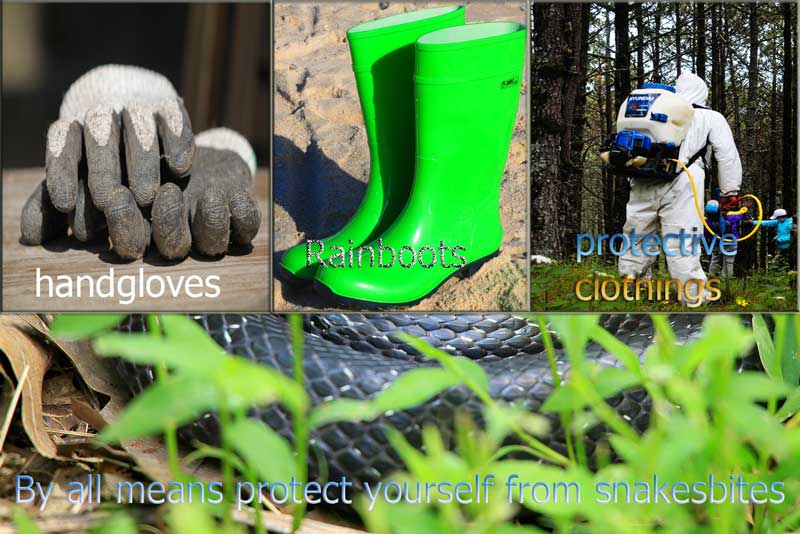
Always Wear Appropriate Protective Clothing for Farm Health and Safety
Many farm injuries happen because people underestimate simple dangers.
A farmer clearing bushes with sandals may step on a sharp object. A pesticide sprayer without gloves may absorb harmful chemicals through the skin. A livestock handler without boots may suffer serious injuries.
Basic protective equipment includes:
- Strong boots
- Gloves
- Long trousers
- Long-sleeved shirts
- Safety goggles
- Face masks
- Hats for sun protection
Real-Life Example
A farmer harvesting cassava may accidentally cut his hand or leg with a cutlass or knife. Gloves can significantly reduce the severity of such injuries.
Protective clothing may feel uncomfortable at times, but it is far cheaper than medical treatment.
Related articles:
Your Body Is Your First Farm Tool: 6 Health Habits Every Farmer Must Adopt After 40
Chemical Safety for Farmers: Practical Health Measures to Prevent Chemical-Related Illnesses
Discover 7 Proven Strategies to Defeat Farm Fatigue Today
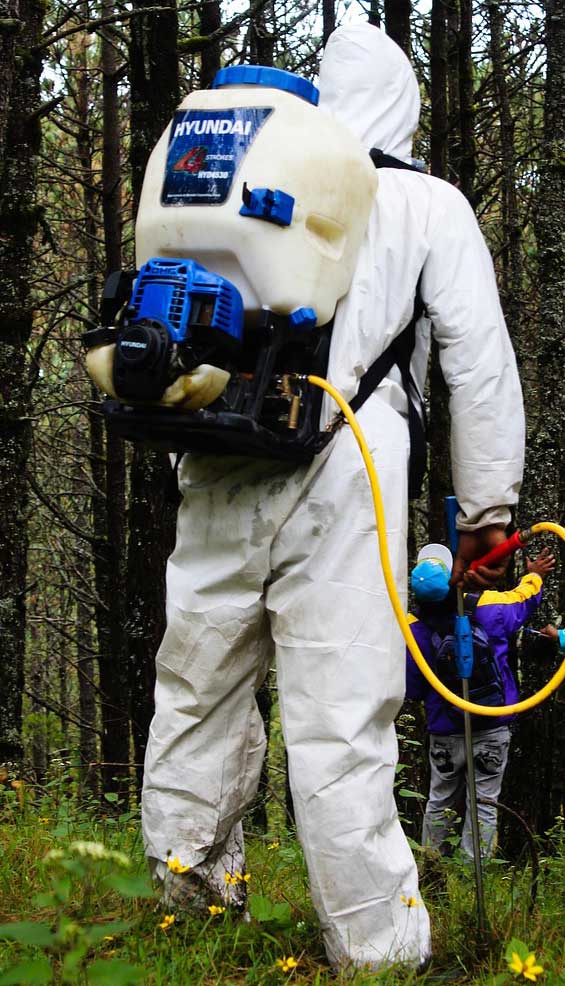
Wear protective clothing when spraying herbicides or chemicals
-
For Farm Health and Safety, always Stay Hydrated to Prevent Heat Stress
Farm work often involves long hours under the hot sun.
Many farmers ignore thirst and continue working until they become dizzy, weak, or exhausted. This can lead to heat exhaustion or even heat stroke, which can be life-threatening.
Signs of Heat Stress
- Excessive sweating
- Headache
- Dizziness
- Fatigue
- Muscle cramps
- Nausea
Safety Tips
- Drink water regularly.
- Avoid waiting until you feel thirsty.
- Rest under shade when possible.
- Wear light-colored clothing.
- Schedule heavy work during cooler hours.
Simple illustration
WORK → SWEAT → LOSE WATER → DEHYDRATION
Solution:
Drink water frequently
Take breaks
Rest in the shade
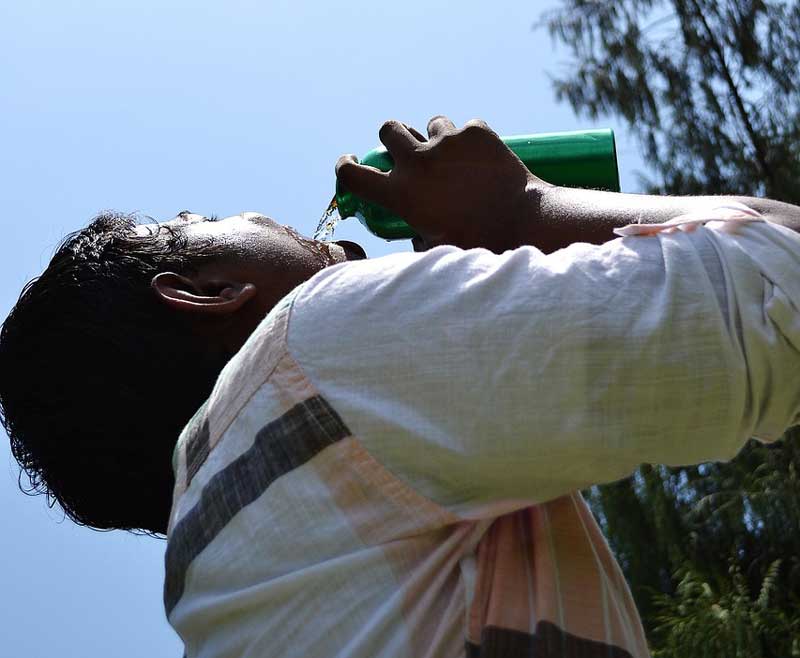
Remember always to stay hydrated
-
For Perfect Farm Health and Safety, Handle Farm Chemicals with Extreme Care
Pesticides, herbicides, and other agrochemicals help farmers control pests and diseases. However, improper handling can cause serious health problems.
Chemical exposure can occur through:
- Skin contact
- Inhalation
- Contaminated food
- Contaminated water
Safety Rules
- Read labels carefully.
- Wear protective gear.
- Never spray against the wind.
- Avoid eating while spraying.
- Wash immediately after application.
Never Do This
Many farmers reuse chemical containers for storing water, food, or cooking ingredients. This can be extremely dangerous and should never be done.
Related articles:
8 Shocking Animal-Related Farm Injuries you’re Not Expecting, and How to Stay Safe
7 Practical Ways Farmers Can Reduce Stress without Leaving the Farm
-
Farm Health and Safety involves keeping a Well-Stocked First Aid Box Within Reach
Accidents can happen unexpectedly.
A simple cut from a machete can become infected if not treated quickly. Immediate first aid can prevent minor injuries from becoming major problems.
Essential First Aid Items
- Bandages
- Cotton wool
- Antiseptic solution
- Adhesive plasters
- Disposable gloves
- Pain relievers
- Scissors
- Clean water
Store your first aid box where everyone on the farm can access it easily.
-
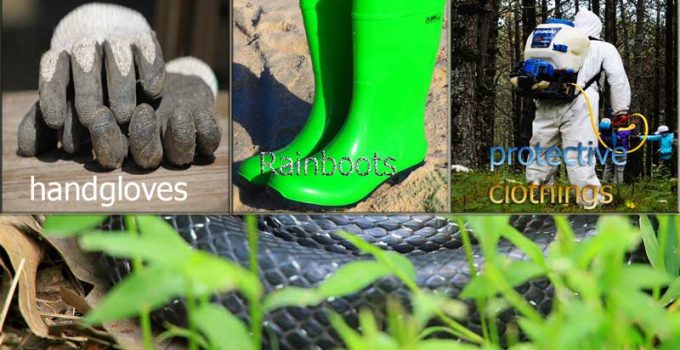
Another very Important Farm Health and Safety Measure is Protecting Yourself against Snake Bites and Scorpion Stings
Farmers frequently work in environments where snakes and scorpions may hide.
Common hiding places include:
- Tall grasses
- Firewood piles
- Crop residues
- Empty buildings
- Stone piles
Prevention Tips
- Wear boots.
- Use a flashlight at night.
- Clear bushes around homes and barns.
- Avoid placing hands where visibility is poor.
If a Snake Bite Occurs
- Stay calm.
- Move away from the snake.
- Seek medical help immediately.
- Avoid cutting the wound.
- Avoid sucking out venom.
Quick medical attention saves lives.
Related articles:
Dangers of Rats, How to Eliminate Them from Your Farm, Home and Property
Your Body Is Your First Farm Tool: 6 Health Habits Every Farmer Must Adopt After 40
Turning Your Home into a Profitable Backyard Rabbit Farm: A Step-by-Step Guide to Lasting Profit

Rainboots
-
Preventing Infections from Livestock And Farm Animals Is a Very Important Farm Health and Safety Measure
Animals can carry diseases that spread to humans.
These diseases can be transmitted through:
- Animal bites
- Scratches
- Contact with blood
- Contact with manure
- Contaminated milk or meat
Safety Measures
- Wash your hands after handling animals.
- Wear gloves when assisting births.
- Isolate sick animals.
- Maintain proper farm sanitation.
Remember: A healthy herd contributes to a healthy farmer.

Always wash your hands after handling farm animals
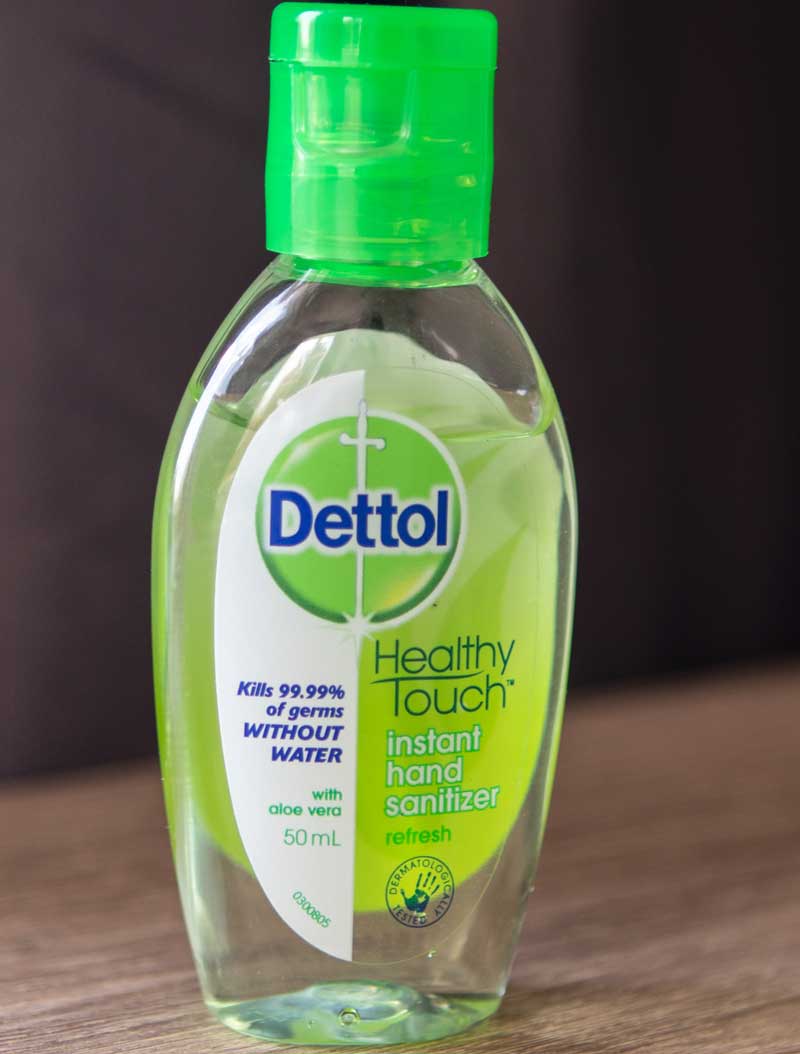
The use of a good antiseptic or germicide will help in fighting germs and bacterial infection
- Take Wounds and Cuts Seriously
Many farmers ignore this very important Farm Health and Safety measure, small cuts, treating it with levity, which can lead to serious infection in the future.
Unfortunately, even a tiny wound can become infected when exposed to soil, manure, dirty water, or animal waste.
What to Do Immediately
- Wash the wound with clean water.
- Apply an antiseptic.
- Cover with a clean dressing.
- Monitor for swelling or infection.
Seek medical attention if symptoms worsen.
Warning Signs
- Redness
- Swelling
- Pus
- Fever
- Increasing pain
Never assume a wound will heal on its own.
- Use Machinery Safely
Modern farming equipment can improve productivity, but it can also cause severe injuries.
Common machinery hazards include:
- Tractor rollovers
- Entanglement in moving parts
- Crushing injuries
- Falls
Machinery Safety Checklist
- Read operating instructions
- Conduct regular maintenance
- Keep children away
- Turn off equipment before repairs
- Avoid loose clothing
Illustration
BEFORE USING MACHINERY
Inspect → Repair → Operate Safely
Skipping inspection = Higher accident risk
A few minutes of inspection can prevent a lifetime injury.
-
A Good Farm Health and Safety Measure, including Protecting Your Back and Muscles
Farming involves lifting, bending, digging, carrying, and repetitive movements.
Over time, poor lifting habits can damage muscles, joints, and the spine.
Lift Correctly
❌ Bend your back
✅ Bend your knees
❌ Twist while carrying
✅ Turn your whole body
Helpful Tips
- Use wheelbarrows.
- Share heavy loads.
- Take stretching breaks.
- Use mechanical aids where possible.
Your body is your primary farming tool. Treat it with care.
Related article:
Livestock Goldmine: 6 Smart Agribusiness Ideas Turning Animal Farming into a Job Creation Machine
- Prioritise Clean Water and Personal Hygiene
Good hygiene prevents many illnesses.
Farmers are constantly exposed to:
- Soil
- Animal waste
- Chemicals
- Dust
- Contaminated water
Healthy Habits
- Wash your hands regularly.
- Drink clean water.
- Bathe after farm work.
- Wash work clothes frequently.
- Keep fingernails clean.
Hygiene Infographic
DIRTY HANDS
↓
GERMS
↓
ILLNESS
↓
LOST WORK DAYS
Clean Hands
↓
Better Health
↓
Better Productivity
Simple hygiene practices save money and improve health.

Find time to rest
-
Very Important but often neglected Farm Health and safety measures are getting adequate rest and Sleep
Many farmers work from sunrise until late at night.
While hard work is admirable, constant exhaustion increases accident risks.
A tired farmer may:
- Miss warning signs
- Operate machinery carelessly
- Make poor decisions
- Experience slower reaction times
Healthy Sleep Habits
- Aim for adequate nightly sleep.
- Take short breaks during demanding tasks.
- Avoid overworking during peak seasons.
Remember: Rest is not laziness. It is maintenance for the human body.
- Prepare for Emergencies Before They Happen
Emergencies rarely announce themselves.
A serious injury, snake bite, machinery accident, fire, or chemical exposure can happen unexpectedly.
Preparation can save valuable time.
Emergency Preparedness Checklist
- Emergency phone numbers available
- First aid box stocked
- Family members know emergency procedures
- Transport plan ready
- Nearest clinic identified
Emergency Infographic
EMERGENCY OCCURS
Stay Calm
↓
Provide First Aid
↓
Call For Help
↓
Transport Safely
↓
Seek Medical Care
The best emergency plan is the one prepared before the emergency happens.
Building a Culture of Safety on the Farm
Farm Health and Safety is not a one-time event. It is a daily habit.
Every member of the farming family should understand basic safety rules. Children, workers, family members, and visitors should all know potential hazards and how to avoid them.
Regular safety discussions can help prevent accidents before they occur.
A safe farm is usually a more productive farm because fewer injuries mean less downtime, lower medical expenses, and greater efficiency.
Conclusion
Many farmers spend thousands of dollars protecting crops, livestock, machinery, and farm infrastructure. Yet the most valuable asset on any farm is the person managing it all.
Your health affects every aspect of your farming operation. When you stay healthy, you make better decisions, work more efficiently, and enjoy the rewards of your hard work.
The good news is that most farm accidents and illnesses can be prevented through simple actions: wearing protective gear, staying hydrated, handling chemicals safely, practising good hygiene, preparing for emergencies, and getting adequate rest.
Never forget this important truth:
“A healthy farmer builds a healthy farm, a healthy family, and a stronger nation”.
Protect yourself as carefully as you protect your crops and livestock. Your farm depends on it.