Common Snake and Insect Bites on Farms and What to Do Immediately
If you have spent enough time on a farm, you probably know that not every farm surprise is a good one.
You may be clearing weeds and suddenly see a snake. You may reach into a pile of firewood and disturb something hiding there. Or you may unknowingly step on a bee or wasp nest and suddenly find yourself running for your life!
These things happen on farms, especially where there is thick vegetation, old farm materials, bushes, trees and plenty of places for insects and reptiles to hide.
For most farmers, a small insect bite or sting may only cause temporary pain and swelling. But some snakebites and insect stings can become serious very quickly. This is why every farmer should know what to do immediately, especially when the farm is far from a hospital or health centre.
Let me share some practical things every farmer and farm worker should know.
Where are you most likely to encounter snakes and insects?
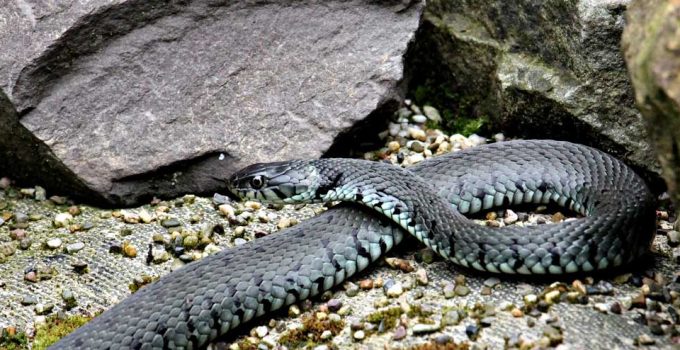
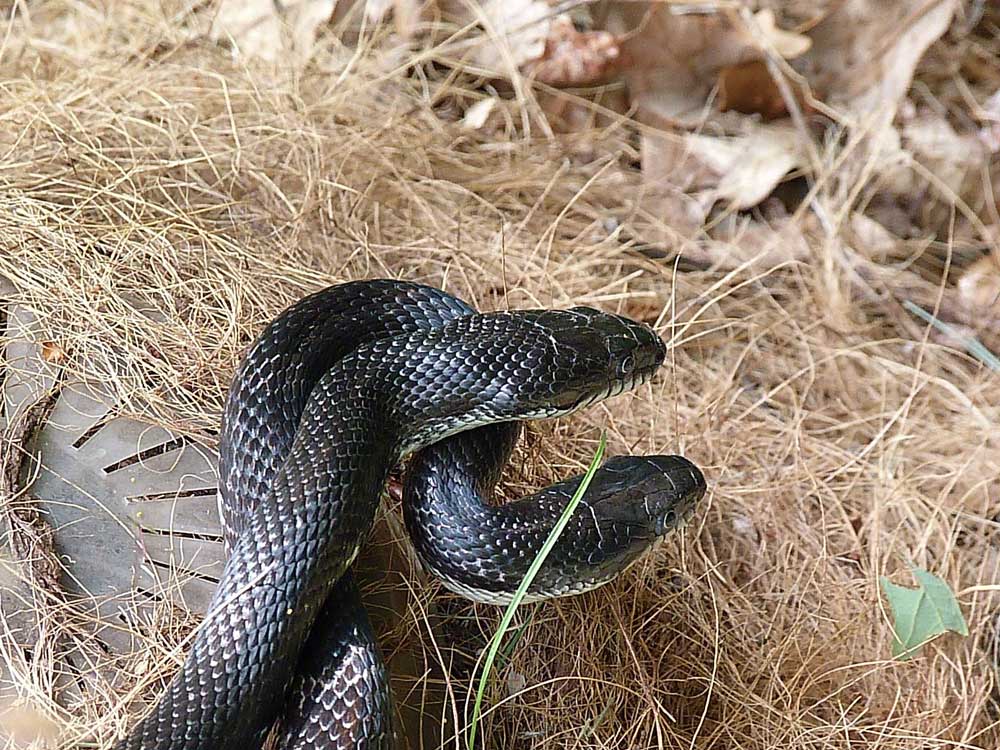
Snakes don’t usually send an invitation before visiting your farm.
They may hide in tall grass, piles of firewood, stones, rubbish, old buildings, holes, abandoned farm equipment and other quiet places. Areas with plenty of rats and mice may also attract snakes because of the available food.
This is why clearing unnecessary vegetation around your house, livestock pens, poultry houses, stores and commonly used pathways can help.
But don’t make the mistake of thinking that a clean farm means there will never be snakes. They can still appear.
One simple habit can save you plenty of trouble: don’t put your hand or foot somewhere you cannot see clearly.
If you are picking firewood, clearing a bush or putting your hand inside a sack or pile of materials, check first.
At night, use a good torch when walking around the farm. Your phone flashlight may help, but a proper torch is much better when you are moving through a large farm.
Snakebites: what should you do?
Let’s say you are working on the farm and somebody suddenly shouts, “Snake has bitten me!”
The first thing is not to start shouting and running around.
Move the person away from the snake so nobody else gets bitten. If the snake is still nearby, give it plenty of space.
Don’t waste time trying to catch or kill the snake. Someone may get bitten again.
If you can safely take a picture of the snake from a distance, that may help health workers identify it. But don’t put yourself in danger just to get a photograph.
The person should remain as calm and still as possible. Try to keep the bitten limb still and remove rings, bracelets, tight shoes or anything else that may become tight if swelling develops.
Then arrange transport to the nearest appropriate health facility as quickly as possible.
This is important because some snake venom can affect the nervous system, blood clotting, muscles and other parts of the body. The treatment needed depends on the type of snake and the effects of the venom.
Don’t sit down on the farm waiting to see whether the leg will swell before seeking help.
Related articles:
Healthy Farmer, Healthy Farm: 12 Farm Health and Safety Practices Every Farmer Must Know
Chemical Safety for Farmers: Practical Health Measures to Prevent Chemical-Related Illnesses
Please don’t cut the snakebite
This is one of the things I really want farmers to remember.
You may hear someone say, “Bring a razor blade. Let’s cut the place and remove the poison.”
Don’t do it.
Don’t cut the wound.
Don’t suck the venom out with your mouth.
Don’t burn the wound.
Don’t pour kerosene, petrol, chemicals or other substances on it.
And don’t tie a rope, wire or belt tightly around the limb as a tourniquet.
These methods can cause further injury and worsen the situation.
The person needs proper medical treatment, not more wounds on top of the original one.
Some people also delay going to the hospital because somebody has recommended a particular leaf, root, concoction or local treatment.
I understand that traditional knowledge is part of many farming communities, but with a suspected venomous snakebite, don’t allow a home remedy to delay proper medical care.
Keep the person calm and still and get help.
What about bee and wasp stings?
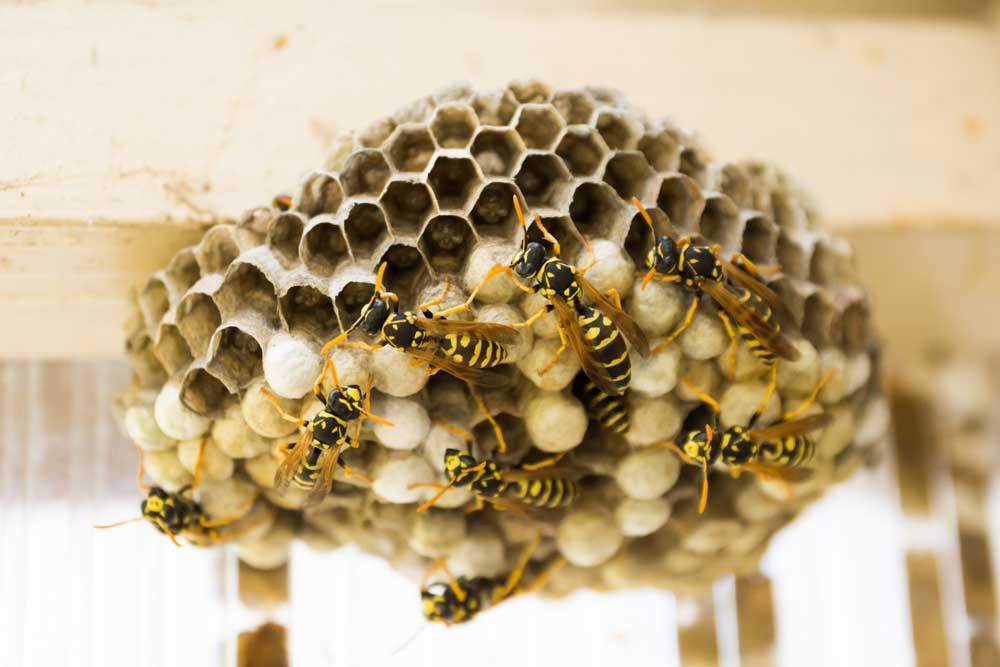
Bees and wasps are another farm problem.
You may be working around flowering crops, trees, old buildings or bushes when you disturb a nest without knowing it is there.
And once they start attacking, don’t stand there trying to prove that you are stronger than the bees!
Related articles:
How Farmers Can Protect Their Kidneys During Hot Weather: A Practical Guide for Every Farmer
Your Body Is Your First Farm Tool: 6 Health Habits Every Farmer Must Adopt After 40
Run away from the area and get somewhere safe.
If there is a building or vehicle nearby, get inside.
If a bee leaves a stinger in the skin, remove it promptly and carefully. Then wash the area with soap and clean water. A cold compress can help with pain and swelling.
For many people, one or two stings will cause local pain, redness and swelling and then gradually settle.
But there is something farmers must take seriously: a severe allergic reaction.
If someone develops difficulty breathing, swelling of the lips, tongue or throat, widespread hives, dizziness, fainting or sudden weakness after a sting, get emergency medical help immediately.
If the person has a prescribed adrenaline or epinephrine auto-injector, it should be used according to their medical instructions.
Don’t assume the person is safe simply because they have been stung before and nothing serious happened.
Ant bites and stings
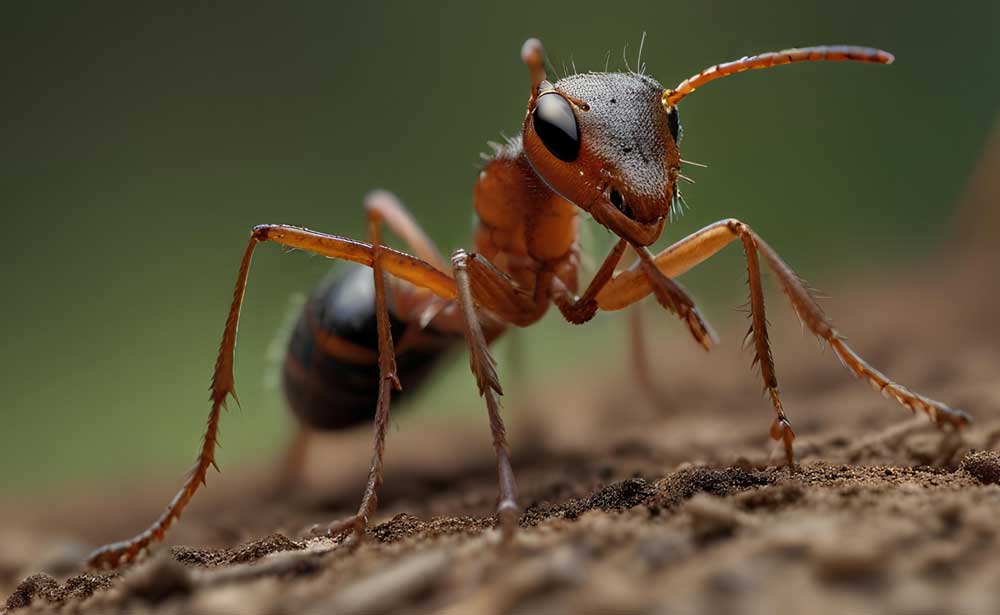
Have you ever stepped on an ant colony while clearing a farm?
Those tiny insects can make a grown farmer dance without music!
Some ants can bite or sting painfully, causing burning, itching, redness and sometimes small blisters.
The first thing to do is move away from the colony. Don’t remain there trying to brush them off while more ants are climbing up your legs.
Once you are in a safe place, wash the affected skin with soap and clean water.
A cold compress can also help reduce the discomfort.
Try not to scratch the area constantly. Scratching can break the skin and create an opportunity for infection.
If the person develops breathing problems, severe swelling, dizziness or other signs of a serious allergic reaction, seek medical attention immediately.
Don’t forget ticks
Farmers who keep cattle, goats, sheep, dogs or other animals should pay attention to ticks.
Ticks can attach themselves to people working around livestock, bushes and grass. They may hide around the legs, waist, armpits, behind the knees and other parts of the body.
If you find a tick attached to your skin, don’t pour petrol on it or try to burn it off with a match.
If you have fine-tipped tweezers, grip the tick as close to the skin as possible and pull it out steadily. Then clean the bite area and wash your hands.
If you later develop fever, rash, severe headache, unusual weakness or other symptoms after a tick bite, tell a health professional that you had a tick attached to you.
The diseases spread by ticks differ from one country and region to another, so don’t try to diagnose yourself from the bite alone.
Related articles:
Mental Health in Farming: How to Cope with Stress, Crop Failure, and Financial Pressure
High Blood Pressure: 10 Simple Ways you can Effectively Lower it
Ready to Go Big in Farming? 6 Conditions You Must Fulfil Before Going into Commercial Farming
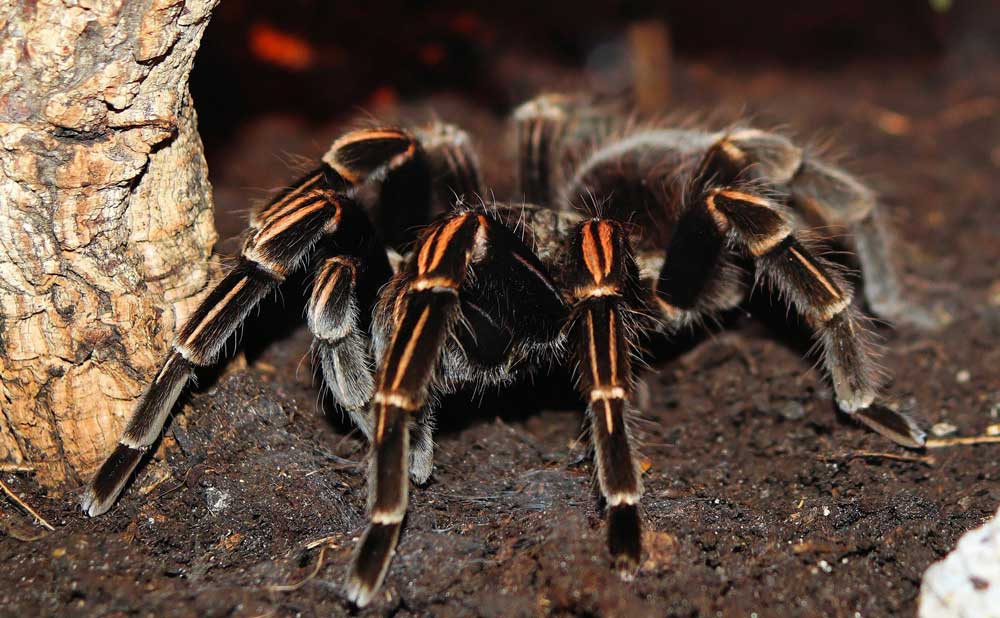
What about scorpion and spider bites?
Scorpions can hide in firewood, stones, footwear, clothing and other dark places.
That is another reason why farmers should not casually put their hands into piles of materials without checking first.
If a scorpion stings someone, move away from the area, wash the affected skin with soap and water and use a cold compress for discomfort if appropriate.
If the pain is severe or the person develops unusual symptoms such as difficulty breathing, muscle weakness, confusion or severe vomiting, get medical attention quickly.
The same principle applies to suspected bites from dangerous spiders: don’t experiment with chemicals, petrol, fire or other substances on the wound.
If you are not sure what bit or stung the person and the symptoms are getting worse, it is safer to get medical help.
Every farm should have a simple emergency plan
This is something many small farms overlook.
You don’t need an expensive emergency system.
Just make sure everybody working on the farm knows where the nearest health centre or hospital is and how to get there.
Know who can provide transport if someone is seriously injured.
Keep important phone numbers available.
Have a basic first-aid box where workers can easily find it. It can contain things like gloves, clean gauze, dressings, antiseptic supplies and other basic first-aid items.
But remember, a first-aid box is not a treatment centre.
For a suspected venomous snakebite or severe allergic reaction, the goal is to stabilise the person and get professional medical help quickly.
This becomes even more important if your farm is far from town.
Imagine a worker gets bitten at 10 a.m., and everyone spends the next hour arguing about whether the snake was poisonous.
That is one hour wasted.
You don’t need to become a snake expert before taking a suspected snakebite seriously.
Prevention is better than running after a snake
A few simple habits can reduce many farm accidents.
Keep grass and unnecessary bushes under control around houses, poultry pens, livestock areas, stores and frequently used paths.
Remove rubbish, unused materials and piles where snakes and insects can hide.
Shake out boots, gloves and clothing that have been left outside before wearing them.
Use a torch at night.
Wear proper boots when working in thick vegetation or bushy areas.
Teach children not to disturb snakes, insect nests, holes, anthills or piles of firewood.
And if you see a snake, don’t try to be a hero.
Give it space.
There is no award for the farmer who kills the biggest snake!
Don’t let distance from the hospital make you careless
One problem many rural farmers face is that the nearest proper health facility may be several kilometres away.
That is why preparation matters.
Know your route before an emergency happens.
Know who can provide transport.
If you are working with several people, make sure they know what to do.
And don’t waste time waiting for obvious swelling or pain before taking a suspected venomous snakebite seriously. Different snakes produce different effects, and symptoms may not look the same in every person.
The safest approach is simple: keep the person calm, keep them still, avoid dangerous first-aid practices and get medical help as quickly as possible.
CONCLUSION
We cannot completely remove snakes, bees, ants, ticks and other creatures from the farm. They are part of the environment we work in.
But we can reduce the chances of getting bitten or stung.
Look before putting your hands into hidden places. Wear suitable footwear. Keep farm surroundings reasonably clean. Use a torch at night. Teach your workers and children what to do.
And if a suspected venomous bite happens, don’t waste precious time trying dangerous home remedies.
Keep the person calm and still and get professional medical help quickly.
Have you or someone working with you ever experienced a snakebite, bee sting, scorpion sting or another serious farm bite? What happened, and what did you do first? Share your experience in the comments. Your experience might help another farmer avoid a dangerous mistake.