7 Daily Habits Every Small to Medium-Scale Farmer Must Master to Turn Loss into Profit
As a farmer, running a small to medium-scale farm is no easy task. Whether you grow crops, rear livestock, or do a bit of both, the daily grind can be overwhelming.
But here’s the truth: profit on your farm isn’t just about the size of your land or the type of crop you plant.
It’s about the habits you practice every single day. Small, consistent actions done right can mean the difference between a thriving farm and wasted time, effort, energy and money.
Here’s a breakdown of 7 daily habits that can turn your farm from loss-making to profitable, with practical tips you can start implementing immediately.
- As a Farmer Always Start Your Day with a Farm Walk
One of the simplest but most powerful habits of profitable farmers is starting the day by walking through the farm.
Don’t just glance from the gate walk through every section. Check your crops, livestock, water systems, and fences ensure that everything is working right.
Why is this necessary:
- It gives you a sense of responsibility
- Early detection of issues like pests, diseases, or leaks saves money.
- It keeps you connected to your farm, making it easier to spot opportunities or inefficiencies.
- It sets a proactive mindset for the day instead of reacting to crises.
Take a notebook or your phone with you and jot down what you see. Make it a habit to prioritise the biggest problems first.
Over time, you’ll notice patterns that help you prevent losses before they happen.
Related article:
7 Strategic Planning in Farming: Secrets Smart Farmers Use to Achieve Bumper Harvests Every Season

Inspecting the maize farm
- A good daily habit of a Success Farmer Is Keeping Accurate Daily Records
Profit doesn’t come from guesswork. Many small-scale farmers lose money simply because they don’t track inputs, costs, and outputs properly.
Why is it necessary as a farmer to keep daily records?
- You can tell which crops or livestock breeds are profitable.
- It helps you plan for expenses and reduce waste.
- When it’s time to make decisions like expanding, switching crops, or selling data drives smarter choices.
Keep a simple daily record:
- What you planted, harvested, or fed your livestock with
- Inputs used (fertiliser, herbicides, pesticides, mechanical devices, feed, labour)
- Sales and expenses
Even a basic notebook works; apps or spreadsheets are great if you have internet access. The key is consistency; daily logging beats sporadic updates every week.
Related article:
6 Important Lessons I Learned About Raising Noiler Chickens
How to make cow fattening profitable
Is Your Farm a Target? 6 Powerful Farm Security Tips to Keep Thieves and Intruders Out
-
A Successful Farmer Always Prioritize the Timely Watering and Feeding of His Livestock and Plants
Water and feed are the lifelines of crops and livestock. Skipping or delaying them can have a direct financial impact.
Why it matters:
- Plants stressed by inconsistent watering grow poorly, reducing yield.
- Animals fed late or irregularly may lose weight, become ill, or underperform.
- Both issues lead to wasted resources and lower profits.
What to do:
- Set a routine. Morning and evening watering is ideal for crops; feeding livestock twice a day keeps them healthy.
- Observe your animals and crops during feeding/watering. Small adjustments like adding supplements or adjusting watering schedules can boost productivity.
Consistency here is a profit multiplier; it might seem small, but over weeks, it shows on your income.
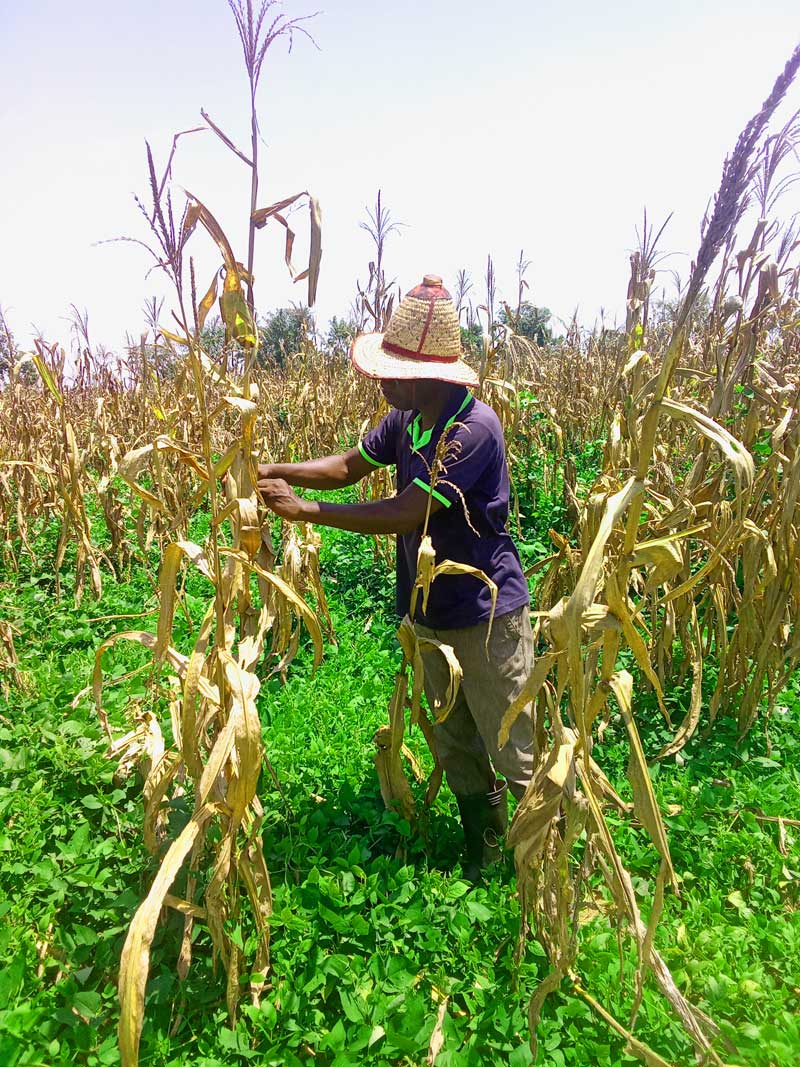
Inspecting the maize cob and getting ready for harvest
Related article:
Stop Farming Blindly: 5 Proven Reasons Testing Your Soil is the Smartest Farming Move
6 Health-Boosting Benefits of Farming You Need to Know
Ready to Go Big in Farming? 6 Conditions You Must Fulfil Before Going into Commercial Farming
-
Inspecting and Maintaining Tools and Equipment Daily Will Stand You Out From Other Farmers
Nothing halts farm productivity like broken tools or machines. Tools left unattended can lead to delays, accidents, or crop/livestock losses.
Why you need to do this every day of your farming life:
- Broken irrigation pumps or sprayers can damage crops if left unchecked.
- Worn-out livestock equipment or feeders can lead to disease or stress.
- Repairing tools before major breakdowns saves money and downtime.
Practical tip:
- Check tractors, pumps, wheelbarrows, and sprayers daily.
- Clean and store tools properly.
- Maintain a small toolkit for quick repairs.
A 15-minute check every morning can prevent thousands of naira in losses down the line.
-
Always Monitor Pests, Diseases, and Weeds. These are the Real Farm Culprit if left Unchecked Your Farm Could Reached Unredeemable Stage
Every day, pests, diseases, and weeds silently eat into your profits. A farmer who ignores them loses more than just crops; they lose future income, seeds, and feed.
Why you shouldn’t take this lightly:
- Early detection reduces the need for expensive chemical treatments.
- Healthy crops mean higher yields and better market prices.
- Livestock free from disease are more productive and fetch better prices.
How to go about it:
- For crops: Check leaves, stems, and soil for early signs of pests. Remove weeds daily before they spread.
- For livestock: Observe behaviour, appetite, and manure. Abnormal signs can signal disease early.
- Keep a small first-aid kit for livestock and a basic pest control kit for crops.
Daily vigilance is cheaper than crisis management. Think of it as insurance you actively maintain.
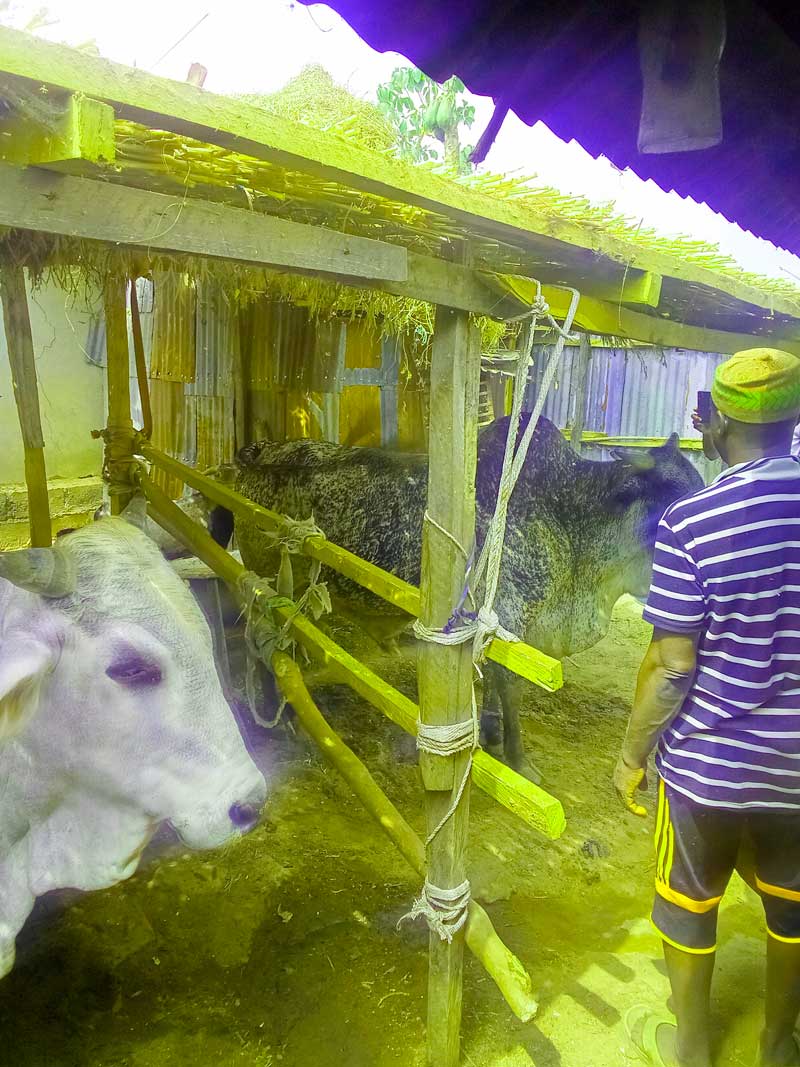
Ensuring that the cows are doing well
Related article:
Transform Your Farming: Harvest 30 Bags of Maize Per Acre
-
Keeping a Clean and Organised Farm Brings Peace, Happiness to the Farmer and a Sense of Accomplishment
A clean farm is a profitable farm. Messy, unorganised farms waste time and resources.
Why it matters:
- Cleaner environments reduce disease outbreaks in animals.
- It prevents crop contamination and spoilage.
- Organised storage reduces theft and loss of inputs.
- A clean and organised farm environment keeps rodents and snakes away.
How to keep your farm clean and organised:
- Sweep paths, remove debris, and store tools properly daily.
- Keep feed, fertilisers, and pesticides in labelled containers.
- Establish zones for different activities, such as feeding, harvesting, and storage, so nothing is misplaced.
The effort might seem small, but over time, it reduces loss significantly.
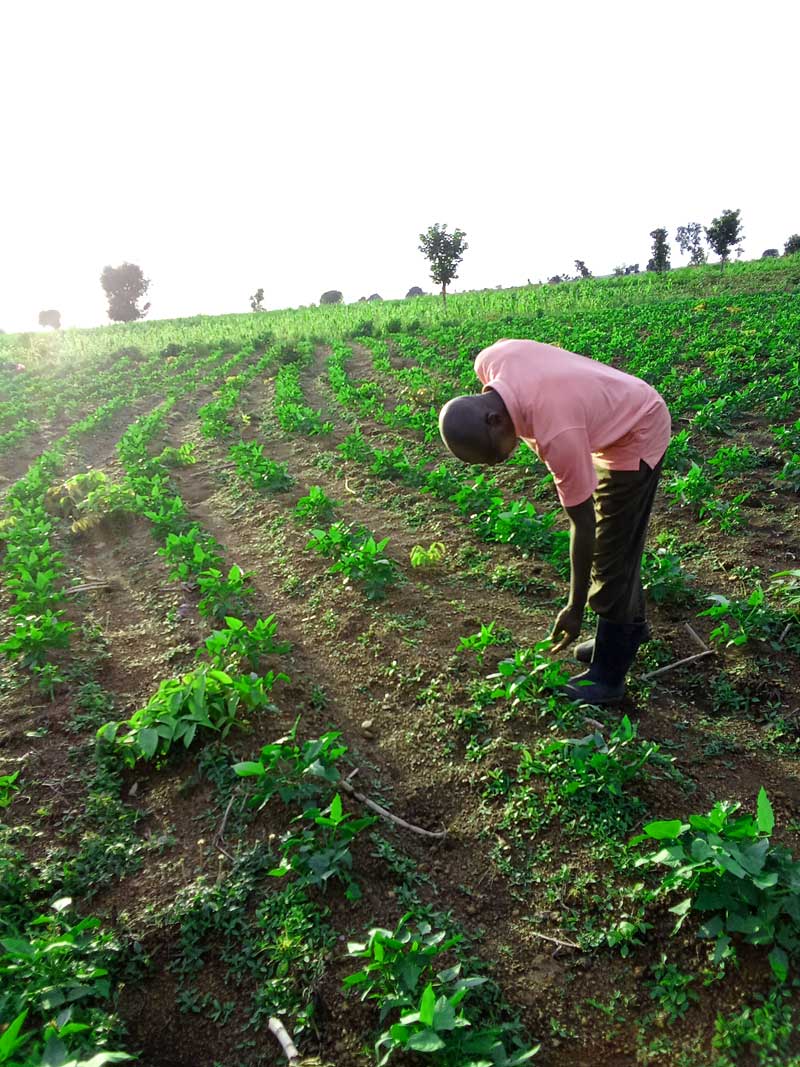
Inspecting the cowpea field
-
Review and Plan Every Evening for the next day
The day isn’t over until you reflect on what happened and plan for tomorrow. Profitable farmers end each day with a quick review.
Why you need this?
- You catch mistakes before they compound.
- You adjust for unexpected challenges.
- You reinforce good habits and learn from failures.
Practical tip:
- Spend 15–20 minutes each evening:
- Check today’s accomplishments vs. your plan
- Note problems encountered and solutions
- Prepare tomorrow’s priority tasks
This habit builds discipline and helps you always stay ahead, turning small daily gains into consistent profit.
Manage Your Health, Energy and Well-Being Properly
Farming is tough. Even the best habits won’t help if you’re constantly exhausted or stressed. Profitable farmers know the value of rest, nutrition, and mental clarity.
What you should do as a farmer to properly care for your health:
- Take short breaks during the day to avoid burnout.
- Eat properly and stay hydrated.
- Seek support from family, neighbours, or farmer groups when needed.
A healthy farmer makes faster, smarter, and more profitable decisions.
In Summary
Profit isn’t magic, it’s a habit. The farmers who consistently apply these 7 daily routines farm walks, recordkeeping, timely feeding and watering, tool maintenance, pest monitoring, cleanliness, and reflection see real, measurable results.
Start small: pick one or two habits to implement this week, and then gradually build up. Within months, you’ll notice:
- Less waste
- Healthier crops and livestock
- Better planning and decision-making
- More money in your pocket
Remember, the most profitable farms aren’t always the biggest; they’re the ones run by disciplined, observant, and proactive farmers.
Make these habits part of your daily life, and you’ll see the difference.
Key Takeaways for Small to Medium-Scale Farmers:
- Profit starts with daily attention; don’t wait for problems to become disasters.
- Recordkeeping is your financial compass; it guides smart decisions.
- Consistency in care (feeding, watering, and hygiene) protects your investments.
- Small, daily maintenance pays off more than occasional overhauls.
- Reflecting and planning build momentum for growth.
Adopting these habits won’t just improve your farm life; they’ll transform the way you run your farm, giving you more confidence, more control, and more profit.
Start today, and turn your small farm into a thriving business.