A Practical Step-by-Step Guide to Profitable Cow Fattening Business in Just 3–6 Months
A profitable cow fattening business is one of the fastest ways for small and backyard farmers turn livestock into quick profit.
Instead of raising calves for years, you buy a thin but healthy cow, feed and manage it properly, and within a few weeks, it becomes heavier, stronger, attractive and more valuable in the market.
Many farmers make a steady income from this simple cycle, especially when they understand that health management, feeding quality, and consistency matter more than anything else.
If you’re planning to start or improve your cow fattening business, this detailed guide will walk you through the full process from choosing the right animal at the rural livestock market to selling a well-fattened cow after 3 to 6 Months.
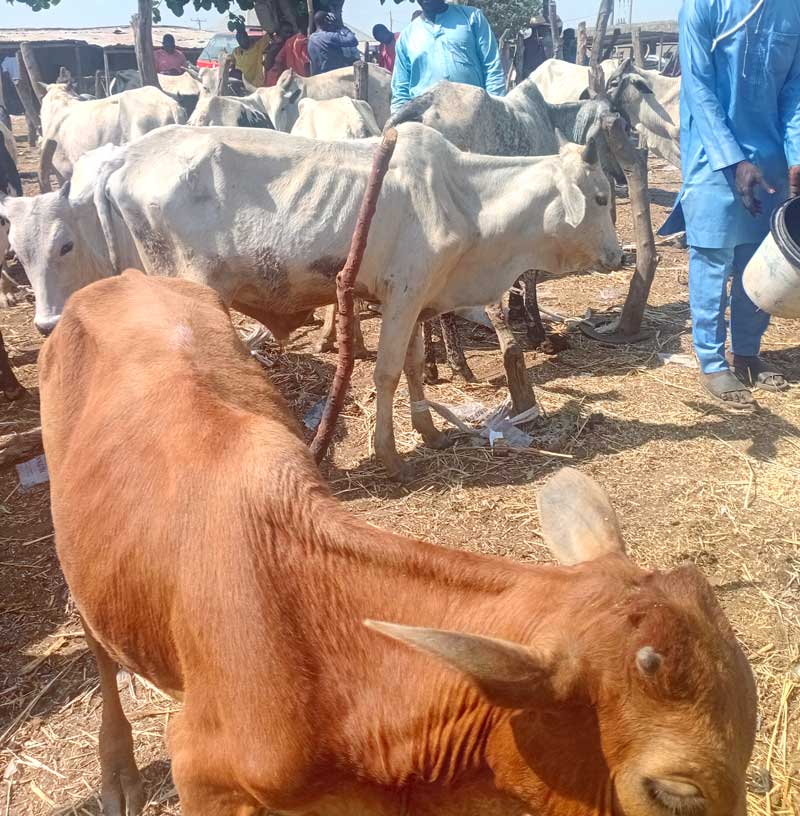
Buying thin but healthy cows from a rural cattle market is one of the first steps in a profitable cow fattening business
1. Success of a Profitable Cow Fattening Business Begins At the Market: By Choosing the Right Cow
Your profit is decided the day you buy the animal.
In a profitable cow fattening business, you don’t need a big or already fat cow. What you need is a thin but healthy animal.
A lean cow is cheaper and has more room to gain weight quickly.
When selecting cattle at the rural livestock market, pay attention to these practical signs:
Signs of a healthy thin cow
- Bright and alert eyes
- Smooth breathing (no coughing or nasal discharge)
- Firm and steady walking
- No wounds, swelling, or diarrhoea
- Responsive and active when touched
- Shows interest in food
Avoid animals that:
- Look dull or weak
- Have drooping ears or watery eyes
- Limp or struggle to stand
- Have bloated stomachs
- Refuse to eat
Many beginners make the mistake of buying very cheap cattle that are actually sick. Treating disease can cost more than the profit you expect to make.
Simple rule: Buy health, not pity.
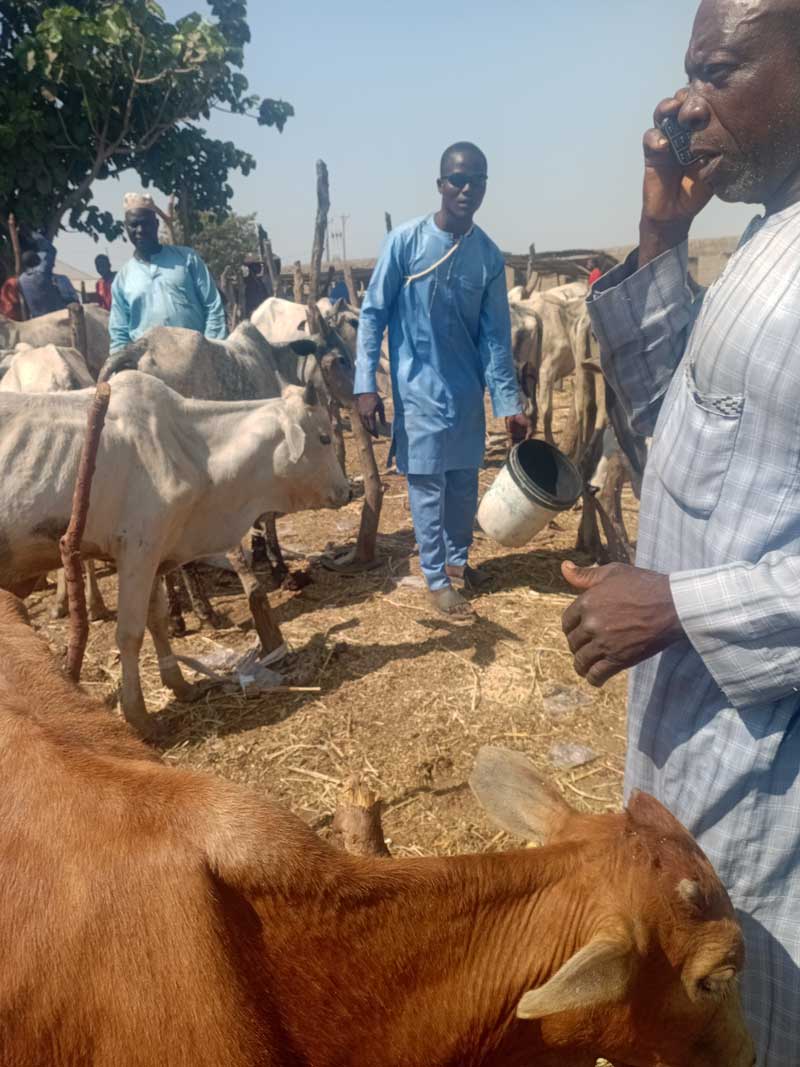
Buying thin but healthy cows from a rural cattle market is one of the first steps in a profitable cow fattening business.
Related article:
Working a 9–5 but Need Extra Income? 3 Strategic Cow Fattening Ideas That Build Wealth on the Side
5 Proven Dry-Season Cow Fattening Secrets Every Smart Farmer Uses to Get Quick, Excellent Results
5 Ways You Can Start a Small-Scale Cow Fattening Business Right from Your Backyard
2. Safe Transportation and settling at Home should be a top priority to have a Profitable Cow Fattening business
After purchase, the next step is getting the cow safely to your backyard or farm.
Transport stress is real. When animals travel long distances, they may become tired, dehydrated, or nervous. This can reduce feeding and slow weight gain if not managed properly.
What to do immediately after arrival
- Provide plenty of clean drinking water
- Allow the animal to rest quietly
- Keep it in a clean and comfortable pen
- Avoid heavy feeding immediately
Some cows may eat little on the first day; this is normal. Once they feel safe, appetite improves quickly.
A calm animal eats better, and animals that eat better gain weight faster.
3. For a good, Stabilizing The Health of Your Animal With Basic Medication Should Be Your Top Priority.
Before pushing for weight gain, ensure the animal is medically stable. This is one of the most important but often ignored steps in the cow fattening business.
Many thin cattle carry internal parasites that consume nutrients meant for growth. If you feed heavily without treating parasites, the animal will not gain weight properly.
Common basic treatments
- Deworming: Removes internal parasites
- Vitamin or anti-stress supplements: Helps recovery from transport
- Tick and lice treatment: Prevents skin irritation and blood loss
- Veterinary check: if any illness is suspected
Healthy animals convert feed into body mass efficiently. Sick or stressed animals waste feed.
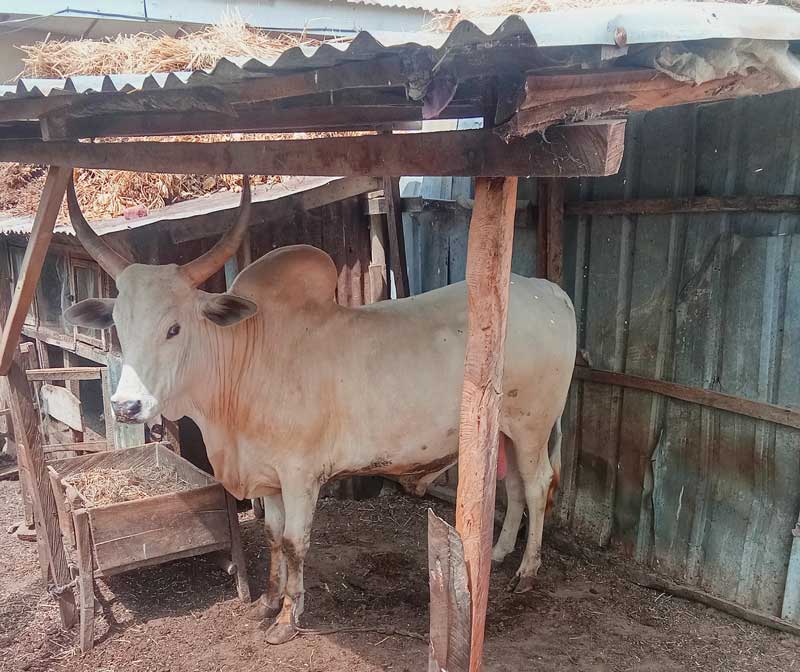
providing a comfortable and stable environment for the cow fattening business
4. Preparing a Comfortable Fattening Environment is a must in a Profitable Cow Fattening Business.
Housing does not need to be expensive, but it must support comfort and hygiene.
A poorly managed environment can slow growth, cause disease, and increase feed waste.
Ideal backyard fattening conditions
- Clean and dry floor
- Proper drainage to avoid mud
- Shade from harsh sun
- Protection from heavy rain
- Good airflow
- Enough space for movement
Clean the pen regularly. Remove dung daily if possible. A clean environment keeps appetite high and prevents infections.
Related article:
How to Start Cow Fattening Business: Using What Your Farm Already Produces To Feed Your Cows
A Beginner’s Guide to Cowpea Farming: From Seed to Harvest in Tropical Regions
Grass-Fed vs. Grain-Fed: Uncover the Best for Your Cows!
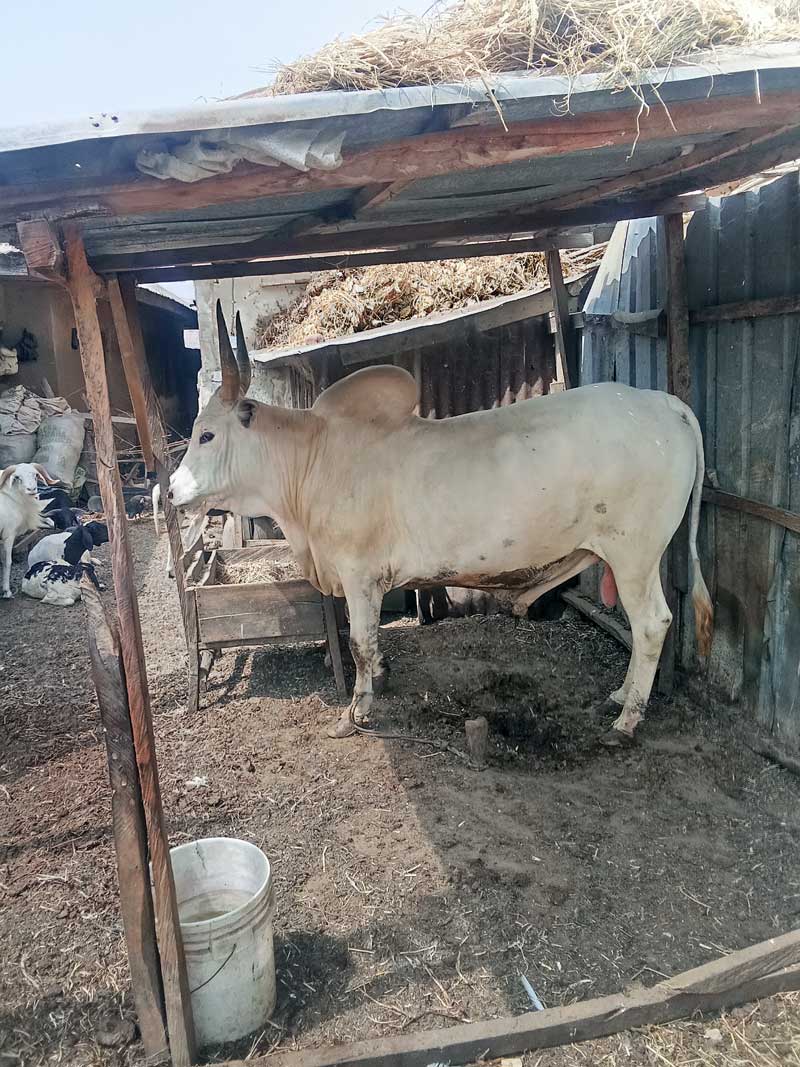
5. In a Profitable Cow Fattening Business, You Must Have a Feeding Strategy for Rapid Weight Gain
Feeding is the engine of the fattening process. The goal is simple, provides balanced nutrition that promotes muscle and body mass development quickly.
A fattening diet should contain three main components:
1. Energy sources
These provide fuel for weight gain. Examples:
- Maize
- Cassava peels
- Sorghum
- Grain mixtures
2. Protein sources
Protein builds muscle and body tissue. Examples:
- Groundnut cake
- Cottonseed cake
- Brewer’s grain
- Palm kernel cake (in moderation)
3. Roughage (fibre)
Supports digestion and rumen health. Examples:
- Fresh grasses
- Hay
- Silage
Also essential:
- Mineral salt lick
- Unlimited clean drinking water
Water is often underestimated. Cattle drink large quantities daily, and dehydration slows feed intake and weight gain.
Related article:
Why Smart Farmers Prefer Castrated Goats: 5 Surprising Benefits You Can’t Afford to Miss
5 Solid Ways You Can Feed Your Goats and Maintain Good Health throughout Their Rearing Period
6. Feeding Schedule That Works
Consistency is key in a profitable cow fattening business. Feed at the same time every day to maintain appetite and digestion.
A simple feeding routine:
- Morning feeding
- Afternoon or evening feeding
- Roughage is available most of the time
Avoid sudden changes in feed type. Gradual adjustments help prevent digestive problems.
Many successful backyard farmers notice faster growth when feeding is regular, and the animal is never left hungry for long periods.
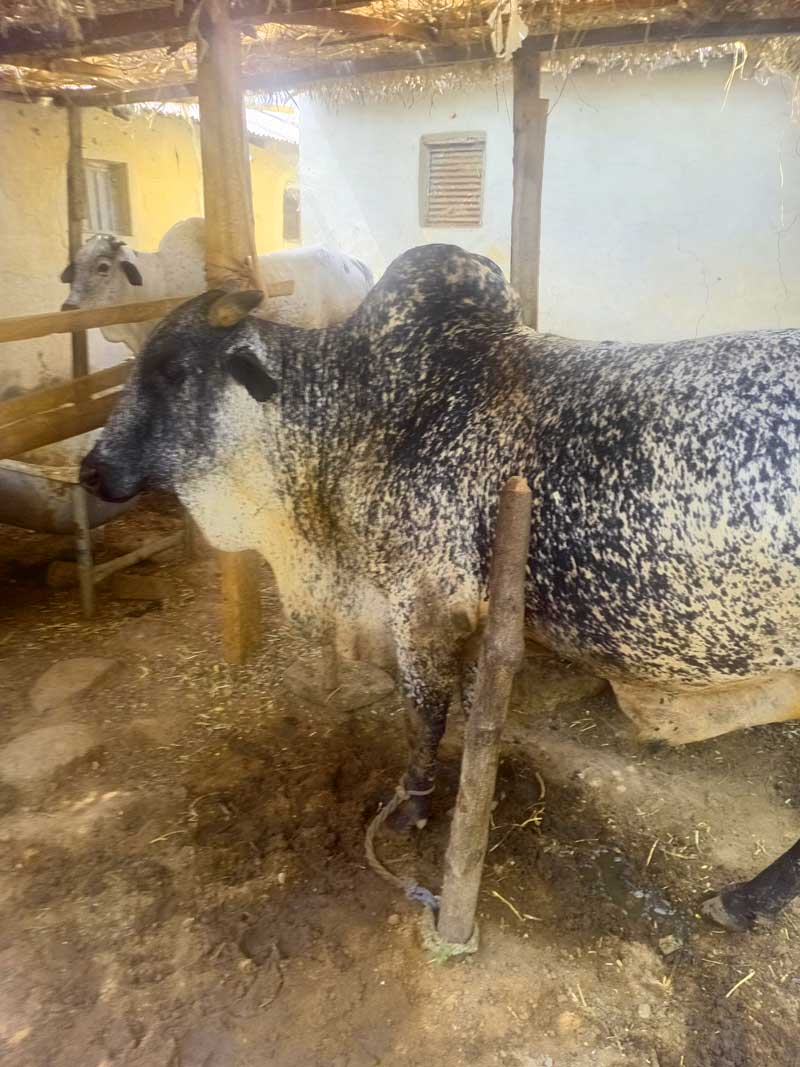
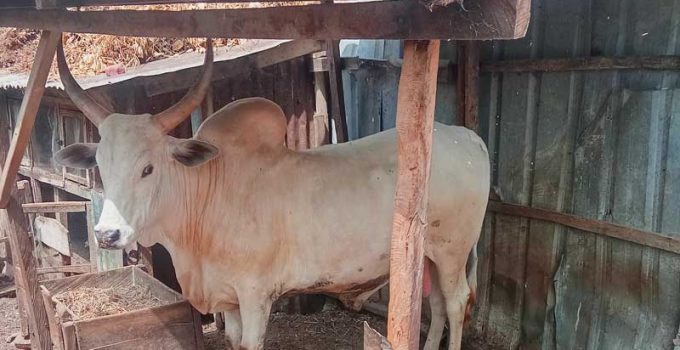
A stabilize cow in its stable
7. Daily Monitoring and Observation is topmost in any Profitable Cow Fattening Business
Fattening is not just about feeding; it is about observation.
Spend a few minutes daily watching the cow. Early detection of problems saves money.
What to observe
- Appetite level
- Activity and alertness
- Body condition changes
- Stool consistency
- Skin and hair appearance
Healthy fattening cattle gradually become:
- Fuller in body
- Smoother skin
- More muscular
- More energetic
Related article:
How to Engage In Profitable Sheep Fattening For Maximum Profits
7 Key Advantages and Importance of Constructing a Rabbit Hutch Using Wire Gauze and Rod
8. Tracking Progress Over 3–6 Months
Weight gain becomes noticeable within a short time if feeding and care are correct.
Visible changes include:
- Reduced bone visibility
- Rounded body shape
- Improved skin shine
- Increased feed intake
Some farmers use a measuring tape to check chest girth weekly. Even a simple visual comparison can show clear improvement.
The typical fattening period for quick turnover is 3 to 6 months, depending on feeding intensity and target market.
9. Preparing for Sale and Maximising Profit
The final goal is selling at the right time and right condition.
Sell when:
- The cow looks full and healthy
- Body shape is well developed
- Market demand is strong
- Feed cost is still lower than the expected profit
Timing matters greatly. Prices often rise during festive periods or high meat demand seasons.
Clean the animal before sale. A well-presented cow attracts better buyers and better offers.
10. Why Many Backyard Farmers Prefer Cow Fattening Business
A profitable cow fattening is popular because it offers:
- Quick turnover time
- Lower long-term feeding costs
- Flexible backyard management
- High demand for beef
- Scalable business growth
Many farmers start with one cow and gradually expand as profit increases.
In Summary
A profitable cow fattening business is not complicated, but it requires discipline and attention to detail.
The farmers who succeed most consistently follow three simple principles:
Choose wisely. Feed properly. Manage consistently.
A thin but healthy cow, given proper care and quality feeding, can transform into a profitable asset within weeks.
That is why a profitable cow fattening business remains one of the most practical and rewarding livestock businesses for small and medium-scale farmers.