Maize vs. Sorghum in Poultry Feed: Which One Truly Gives You Faster Growth and Bigger Profits?
Poultry farming and livestock farming in general have only one denominator: feed. Feed will either make you or break you.
And right at the centre of that feed is your main energy source, usually maize. But with the rising cost of maize across Nigeria and many parts of Africa, more farmers are asking a serious question:
“Can I replace maize with sorghum and still get good results?”
The truth is, if you are a farmer with access to a lot of sorghum or you farm it, it will be more economically viable to use it as your chief source of energy.
Likewise, a poultry farmer has more availability of maize than sorghum.
So in this article, the debate is open, for us to decide which is more profitable for you to use, that will yield a better result and bigger profits
Some farmers swear that they can only use maize or nothing else. Others quietly switch to sorghum and smile to the bank.
So what’s the real truth?
Let’s settle this debate once and for all, based on practical farm experience, not theory.
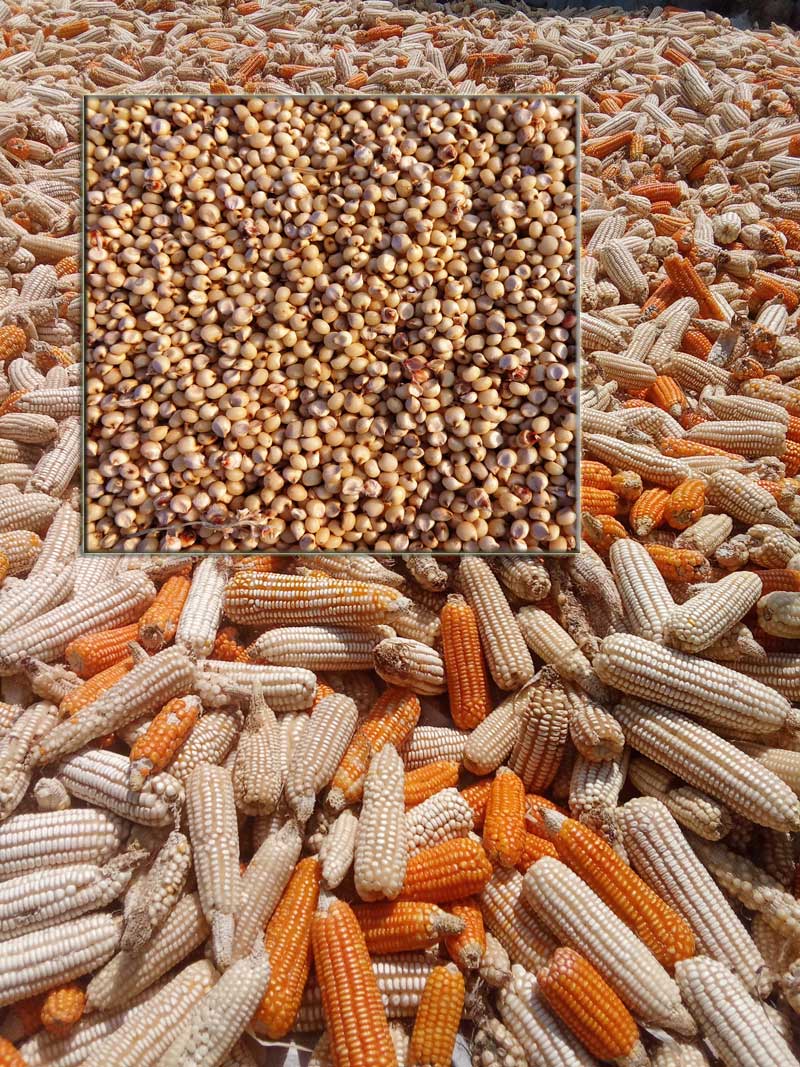
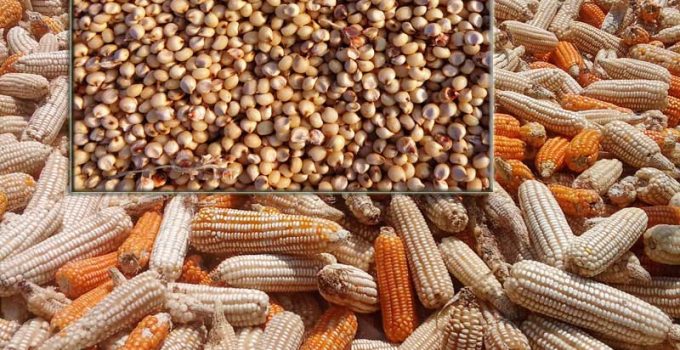
maize and sorghum
Understanding the Role of Energy Feed in Poultry (Maize vs. Sorghum in Poultry Feed)
Before comparing maize and sorghum, let’s quickly understand why this matters.
Energy feed is what:
- Drives growth
- Supports weight gain
- Keeps birds active and productive
In most poultry rations, energy sources make up:
- 55–65% of the total feed
So if you get this part wrong, you’ll see it immediately:
- Slow growth
- Poor feed conversion
- Low egg production
- Reduced profit
Related article:
6 Costly Poultry Feeding Mistakes I Made as a Beginner Farmer (And How They Nearly Ruined My Flock)
Feed Is Money: 5 Proven Strategies Successful Poultry Farmers Use to Reduce Feed Waste Every Day
Commercial Feed vs. Homemade Feed: What I observed as a Small to medium-Scale Poultry Farmer
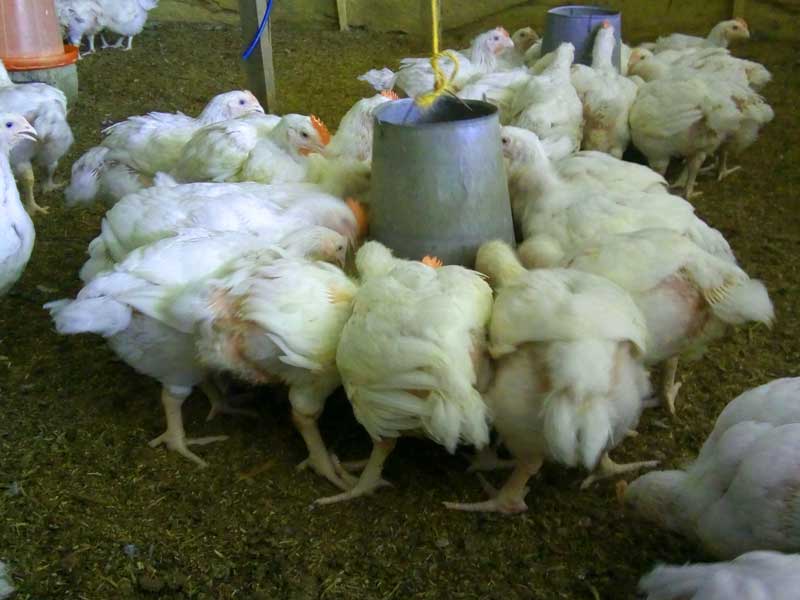
Broilers feeding
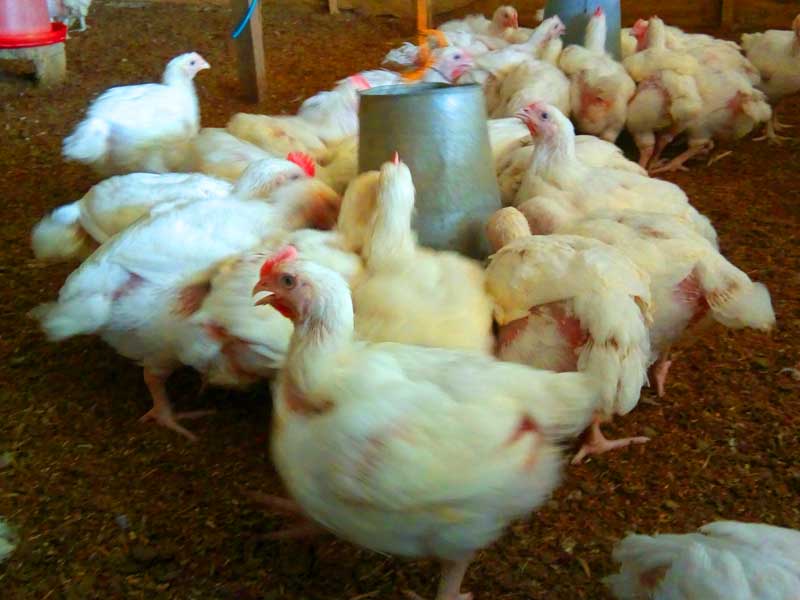
Maize: Widely acceptable (The golden standard, but at a Cost)
For decades, maize has been the number one choice for poultry farmers around the world and for good reason.
Why Farmers Love Maize
- High Energy Content
Maize gives birds plenty of energy for fast growth and egg production. - Highly Digestible
Birds utilise maize easily, meaning less waste and better feed conversion. - Palatability (Birds Love It!)
Chickens naturally prefer maize—it improves feed intake. - Bright Yellow Yolk & Skin
Thanks to natural pigments, maize enhances:
- Egg yolk color
- Broiler skin appearance
This is especially important for market value.
The Real Problem with Maize
Let’s be honest, maize is becoming a headache for many farmers.
- Price keeps fluctuating and is inconsistent
- High competition (humans, livestock, industries)
- Seasonal scarcity
- Sometimes adulteration in the market
For a small or medium-scale farmer, this can seriously reduce profit.
Sorghum: The Underrated and Unpopular Alternative
Now let’s talk about sorghum, the crop many farmers overlook.
Sorghum is widely grown in northern Nigeria and other dry regions of the world because of its drought-resistance ability, yet many poultry farmers hesitate to use it.
Why?
Mostly due to old beliefs and misinformation.
Why Sorghum Deserves Attention
- Cheaper Than Maize
In many areas, sorghum costs significantly less than maize.
This alone can reduce feed cost by 15–30%.
- Drought Resistant (More Available)
Sorghum grows well in harsh conditions, so supply is often more stable. - Good Energy Source
While slightly lower than maize, sorghum still provides solid energy for birds. - Local Availability
For farmers in northern and semi-arid regions, sorghum is often easier to source.
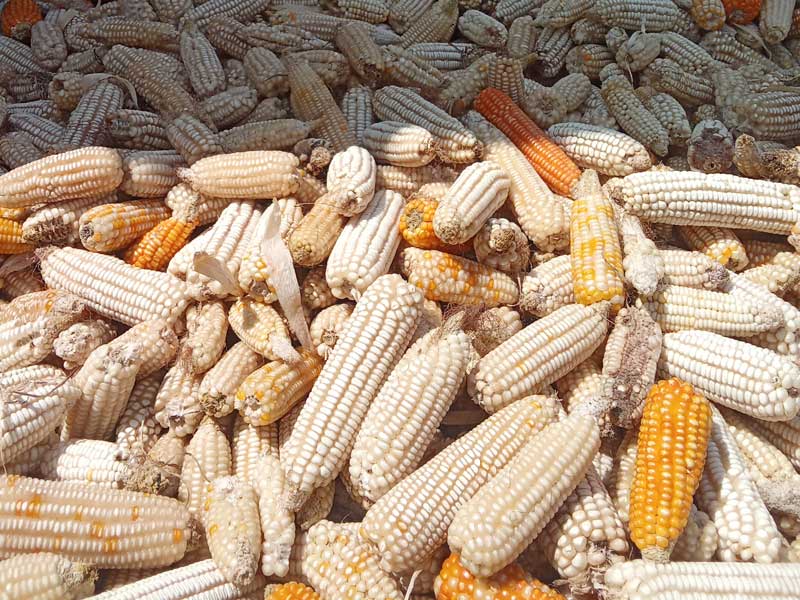
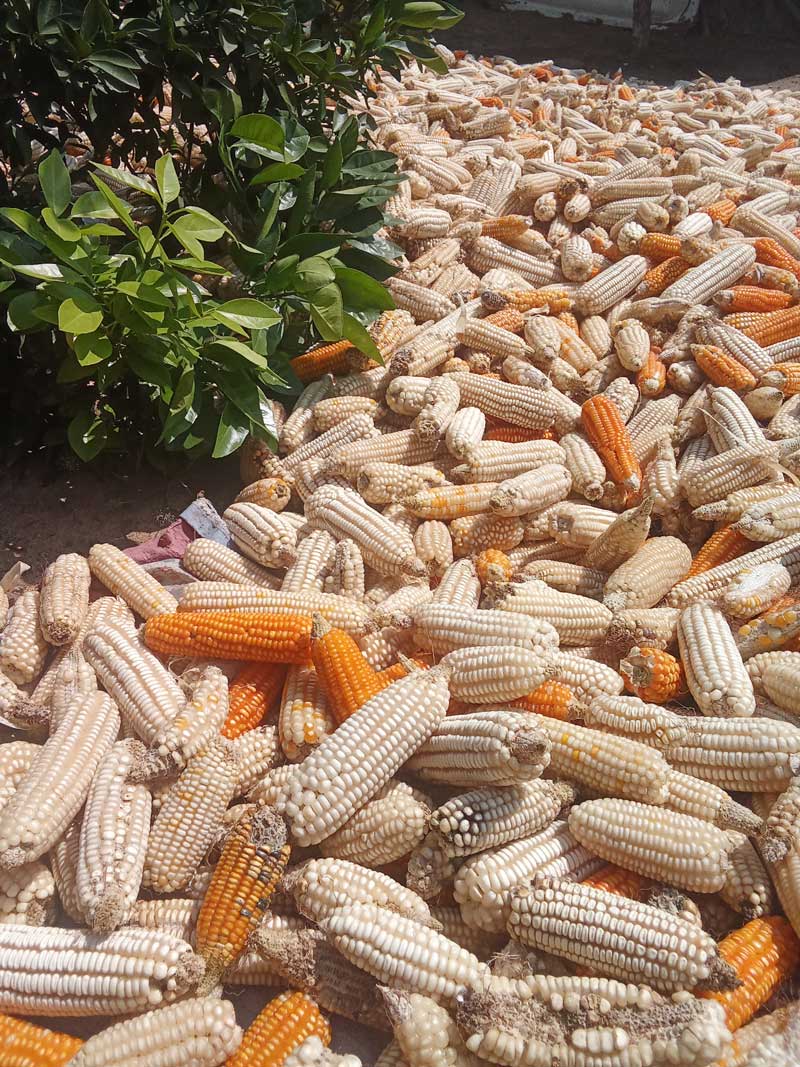
maize sun-dried before processing
Related article:
Maize and Soybeans Master plan: How to Outsmart Pests, Weather, and Market Fluctuations This Season
Transform Your Farming: Harvest 30 Bags of Maize Per Acre
But here’s the Catch when it comes to Maize vs. Sorghum in Poultry Feed, focusing on Sorghum…
Let’s not sugarcoat it, sorghum is not perfect.
- Anti-Nutritional Factors (Tannins)
Some sorghum varieties contain tannins, which:
- Reduce digestibility
- Affects nutrient absorption
- Can slow growth
- Lower Palatability
Birds may not eat sorghum-based feed as eagerly as maize-based feed.
- No Yellow Pigment
If you switch fully to sorghum:
- Egg yolks may become pale
- Broiler skin may lose that attractive yellow colour
And customers do notice.
Related article:
3 Vital Stages in Maize Production That Could Lead To Colossal Loss If Left Unsupervised
7 Reasons Why its Important Farming Your Maize to Feed Your Poultry Birds
10 Simple Ways That Make Noiler Farming Easier and Profitable These Days
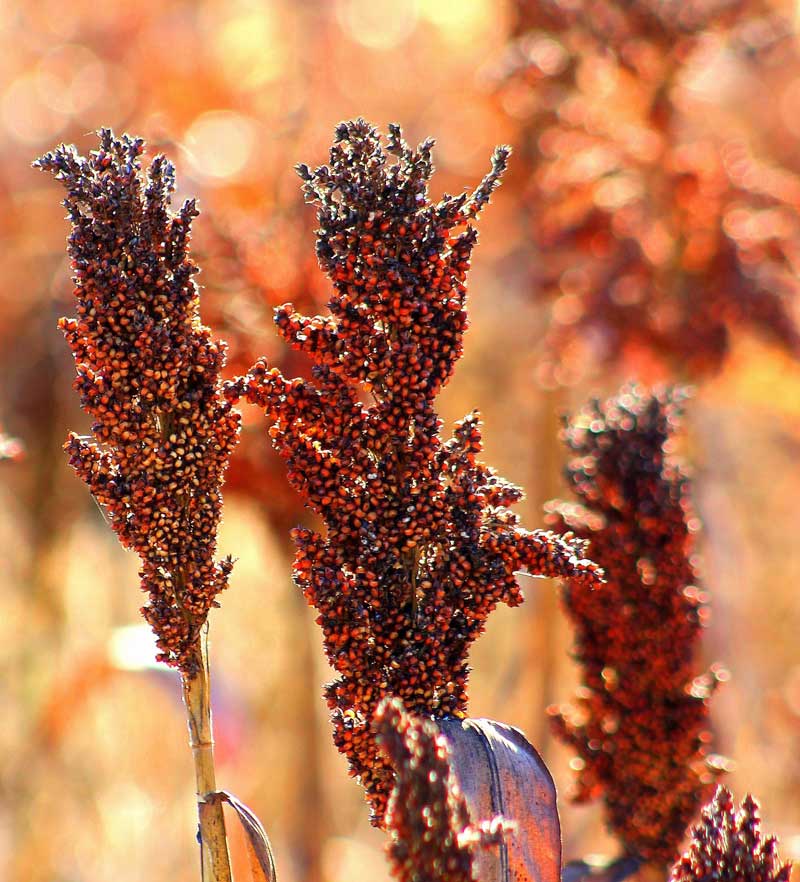
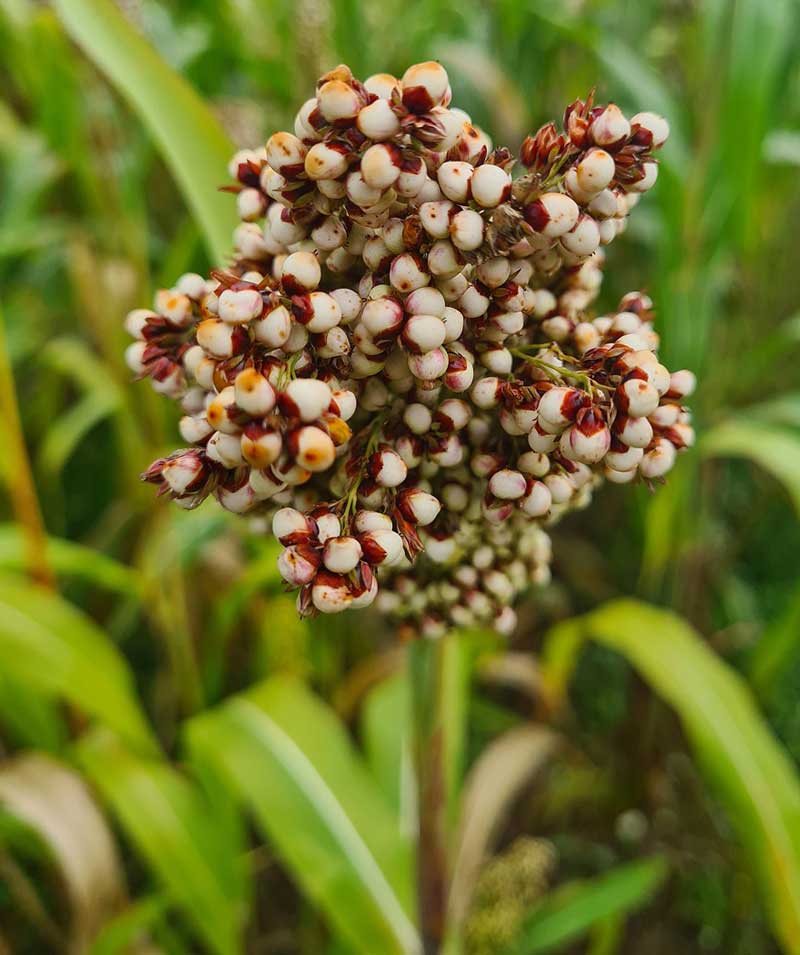
The sorghum plant
Maize vs Sorghum in poultry feed: Head-to-Head Comparison
Let’s simplify things:
| Factor | Maize | Sorghum |
| Energy Level | Very high | High |
| Digestibility | Excellent | Good (depends on variety) |
| Cost | Expensive | Cheaper |
| Availability | Seasonal | More stable |
| Bird Preference | High | Moderate |
| Yolk/Skin Colour | Yellow | Pale |
| Anti-Nutrients | Low | Can be high |
So… Which One Gives Faster Growth?
Let’s be honest, if you’re chasing maximum growth speed, maize still has the edge.
Birds on maize-based feed:
- Eat more
- Convert feed faster
- Gain weight quicker
But here’s the real question:
Is faster growth always more profitable?
Not necessarily.
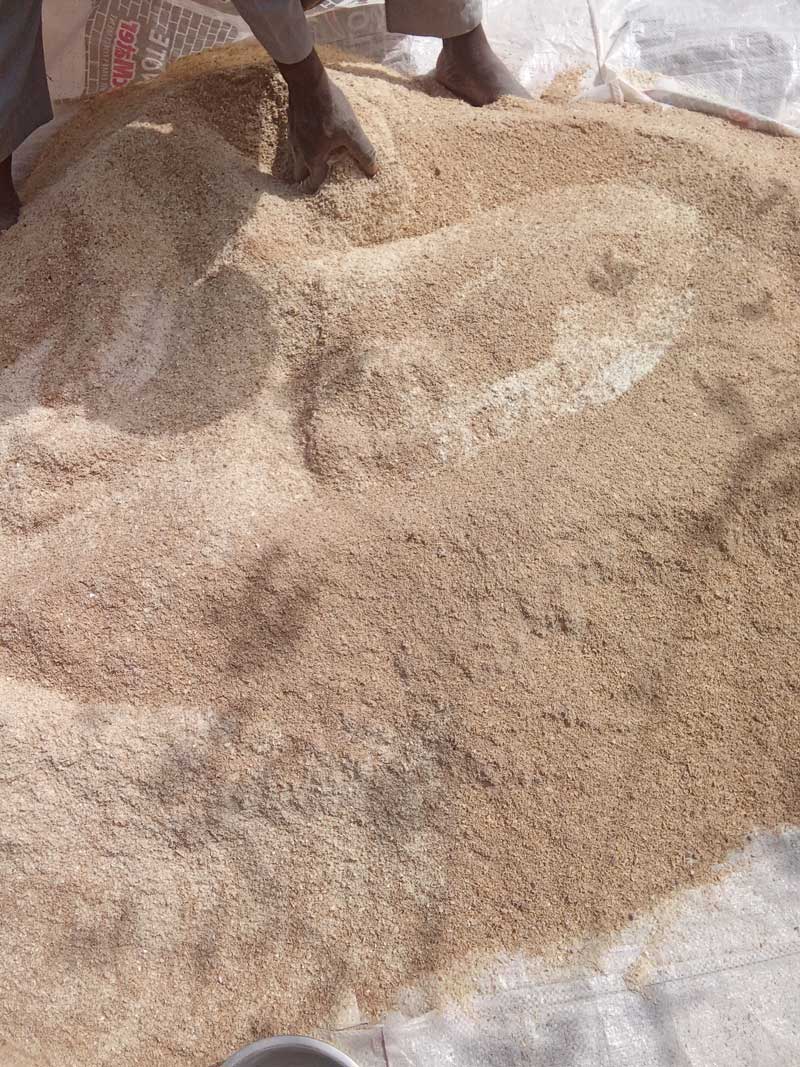
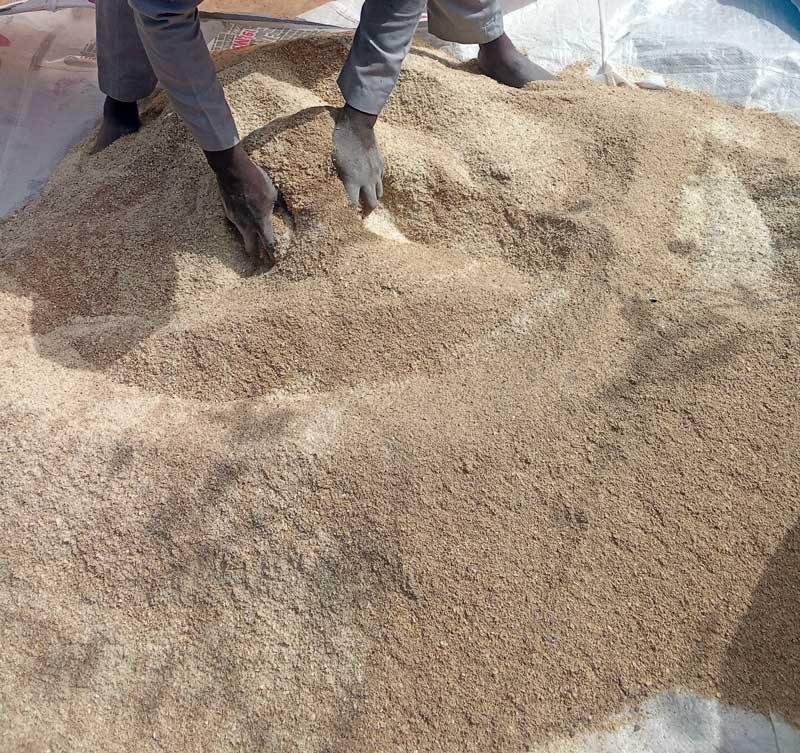
Homemade mixing of poultry feed
Related article:
5 Game-Changing Reasons Turkeys Are More Profitable and Easier to Manage Than Other Birds
From Backyard Plant to Poultry Medicine: 5 Amazing Benefits of Aloe Vera to Poultry Chickens
6 Incredible Benefits of Feeding Garlic, Turmeric, and Moringa to Your Poultry Birds
Profit vs Performance in Choosing Between Maize vs. Sorghum in Poultry Feed: The Real Farmer’s Question
Let’s look at two farmers:
Farmer A (Uses Maize)
- Birds grow fast
- Feed is expensive
- Profit margin is tight
Farmer B (Uses Sorghum Blend)
- Growth slightly slower
- Feed costs much less
- Better overall profit
In many real-life cases, Farmer B actually makes more money.
Smart Farmers Don’t choose one; they combine both
Here’s where experience comes in.
Instead of arguing maize vs sorghum…
Smart farmers use both strategically.
Practical Feeding Strategy That Works
Option 1: Partial Replacement (Best for Beginners)
Replace:
- 30–45% of maize with sorghum
This gives you:
- Reduced feed cost
- Minimal impact on growth
- Lower risk
- Gives you the privilege to experiment better
Related article:
The Health Impacts of Ticks on Livestock Production, It’s Control and Characteristics.
Working a 9–5 but Need Extra Income? 3 Strategic Cow Fattening Ideas That Build Wealth on the Side
Option 2: Stage-Based Feeding
Use maize and sorghum differently depending on bird age:
- Starter Phase (0–3 weeks):
Use more maize
Chicks need highly digestible energy - Grower/Finisher Phase:
Increase sorghum
Birds can handle it better
Option 3: Full Replacement (Advanced Farmers Only)
You can use 100% sorghum if:
- You use low-tannin sorghum
- You process it properly
- You balance the diet well
How to Use Sorghum Correctly (Very Important)
If you don’t handle sorghum well, you’ll blame it unfairly.
- Choose the Right Type
Go for:
- Low-tannin sorghum (white or light-colored varieties)
Avoid:
- Dark, high-tannin types
- Proper Grinding
Sorghum should be:
- Finely ground
- Not too coarse
This improves digestibility.
- Add Enzymes (If Possible)
If you can afford it:
- Use feed enzymes
They help birds digest sorghum better.
- Balance the Diet
Don’t just swap maize with sorghum blindly.
Ensure:
- Adequate protein
- Vitamins
- Minerals
Related article:
7 Unique Benefits of Guinea Fowl Farming
Noiler chicken farming guide for success
6 Important Lessons I Learned About Raising Noiler Chickens
- Improve Yolk Colour (If needed, but not important)
If you’re worried about pale yolks:
Add natural colour sources like:
- Palm oil (small quantity)
- Yellow maize (partial mix)
- Leaf meals (e.g., pumpkin leaves)
Real-Life Farmer Insight
Many small-scale farmers who switched partially to sorghum report:
- Lower feed bills
- Slightly slower growth (but acceptable)
- Better overall profit
One common mistake, though, is this:
Switching too fast and too much without proper formulation.
That’s where problems start.
In the debate between Maize vs. Sorghum in Poultry Feed, you should consider the following important points before arriving at your final decision:
When Should You Stick With Maize?
You may want to stay with maize if:
- You’re producing for premium markets
- Customers demand yellow skin/yolk
- You’re doing intensive broiler finishing
- Feed cost is not your main concern
- You farm or have access to maize more than sorghum
When Should You Use Sorghum?
Sorghum becomes your best friend when:
- Maize price is too high
- You want to cut feed cost
- You have easy access to good-quality sorghum, or you farm or produce it yourself
- You’re running a cost-sensitive operation
The Final Verdict
What’s the Smart Choice to make in Maize vs. Sorghum in Poultry Feed?
Let’s keep it simple and honest:
- Maize = Better performance
- Sorghum = Better cost savings
But the real winner?
The farmer who knows how to balance both.
Take-Home Message for Smart Poultry Farmers
If you remember nothing else, remember this:
- Don’t follow the crowd blindly
- Don’t fear sorghum; instead, look for the advantages that will benefit your farm
- Don’t depend only on maize, always have plan B
Your profit is not just about how fast your birds grow; it’s about how much money you keep after feeding them.