5 Reasons Your Cattle Are Not Reaching Market Weight on Time
Imagine investing months feeding your cattle, buying expensive concentrates, cutting fresh forage every day, providing water, and expecting to sell them at a premium price, only to discover they’re still far from the desired market weight.
Frustrating, isn’t it?
Many small and medium-scale cattle farmers assume that as long as a cow is eating, it will naturally grow into a heavy market animal.
Unfortunately, cattle growth doesn’t work that way. Weight gain depends on several interconnected factors, and even one overlooked mistake can delay growth by weeks or even months.
The good news is that most of these problems are preventable.
Let’s examine five surprising reasons your cattle may not be reaching market weight on time, and, more importantly, how you can fix them.
-
Your Cattle Are Eating Enough… But Not Eating the right feed can prevent it from reaching market weight
This is probably the biggest mistake many cattle fatteners make.
A cow with a full stomach doesn’t necessarily have a balanced diet.
Many farmers depend almost entirely on pasture, rice straw, maize stover, or dry grasses. While these feeds help fill the rumen, they often lack sufficient energy and protein to support rapid muscle development.
Think of it this way.
A human can eat large quantities of cassava every day and still struggle to build muscle without enough protein.
The same principle applies to cattle.
A proper fattening ration should combine:
- Good-quality forage
- Energy sources like maize, sorghum or cassava peels (properly processed)
- Protein sources such as cottonseed cake, soybean meal, brewer’s grains or groundnut cake
- Minerals and salt
- Plenty of clean drinking water
Remember, muscle is built from nutrients, not simply from a full stomach.
Related article:
Your Cow Is Fat, but Your Pocket Is Empty: 7 Smart Ways Cow Fatteners Can Beat Market Middlemen
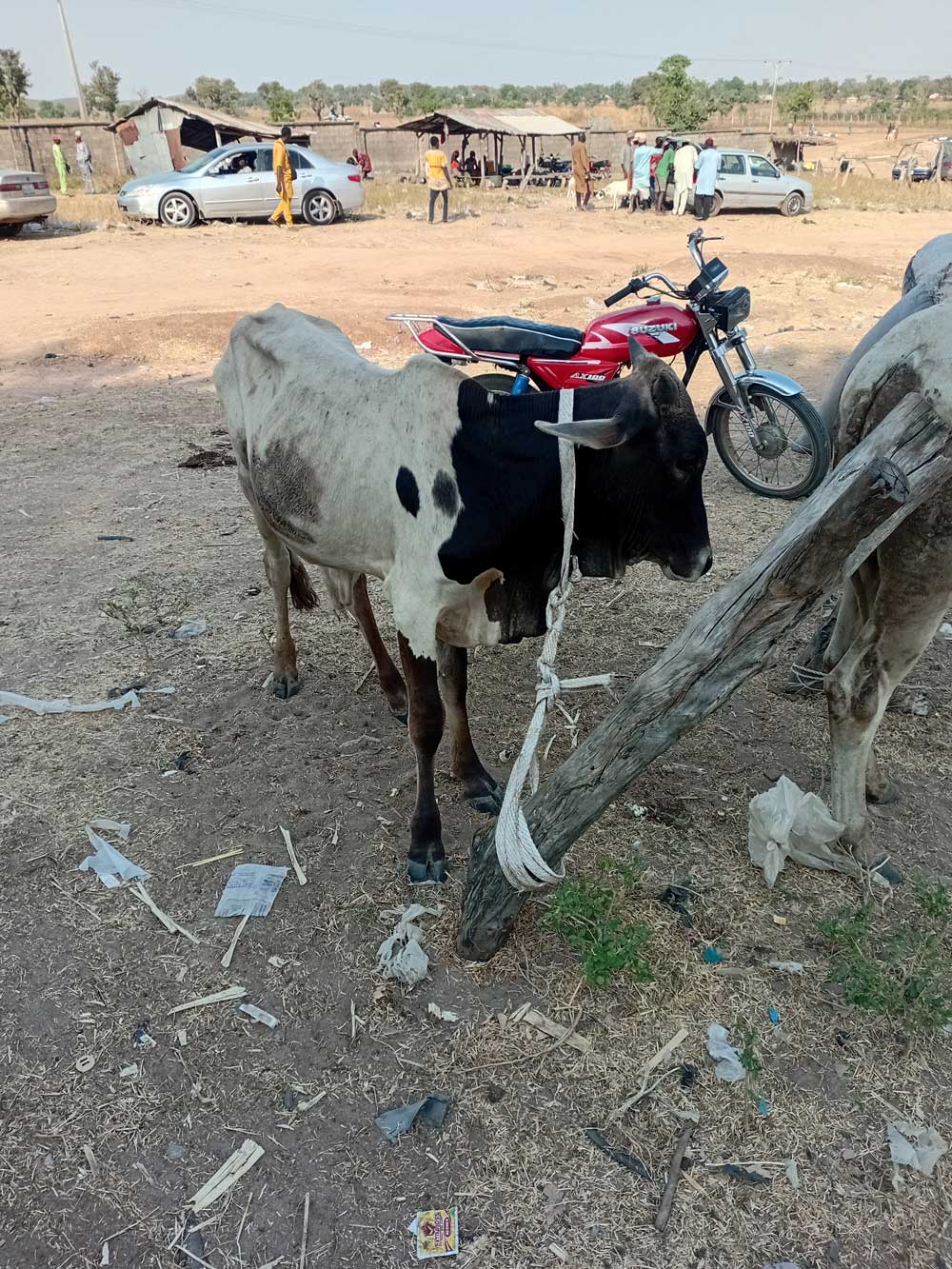
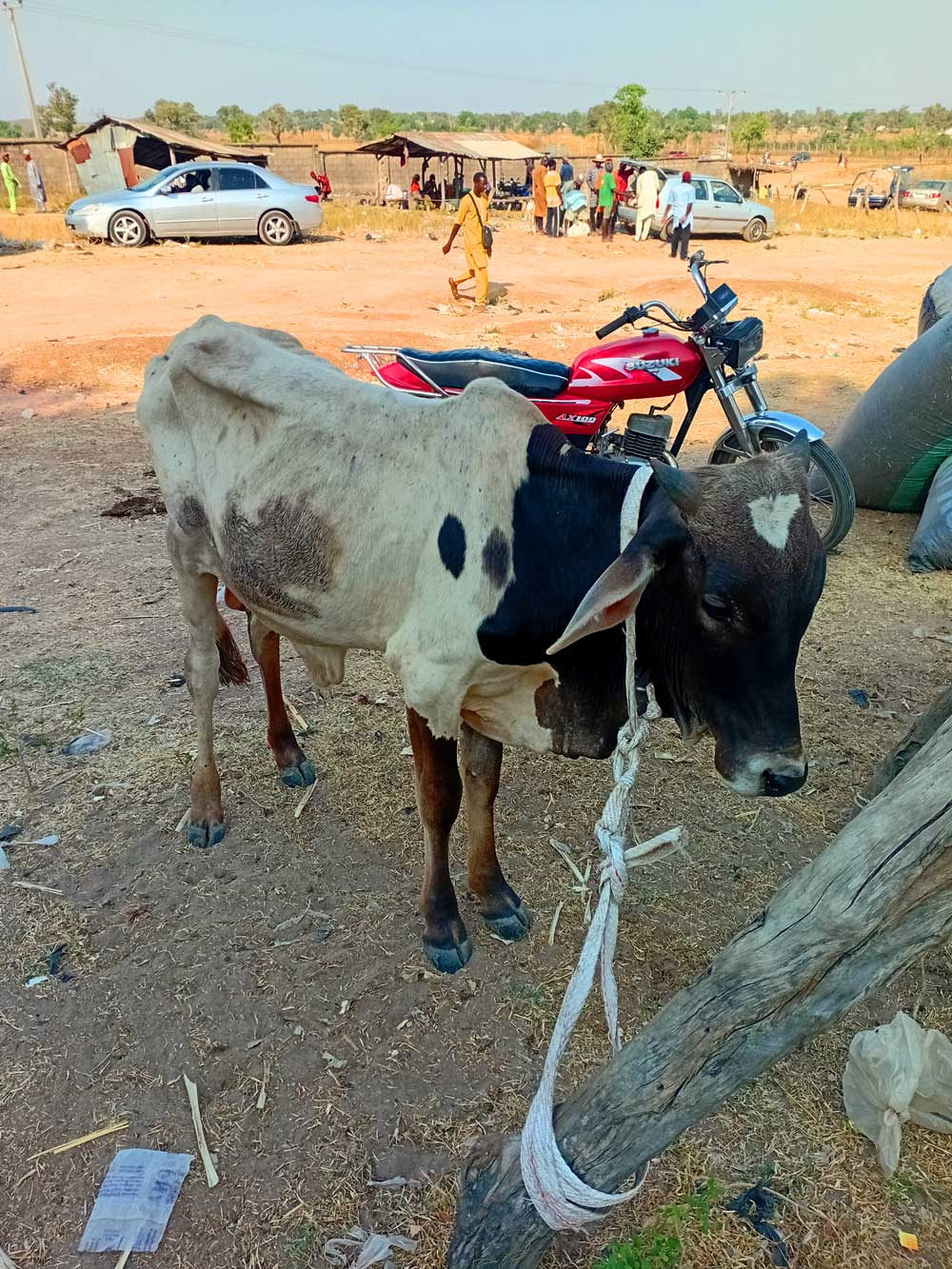
Market weight: The cattle to be fatten at the local market
-
Hidden Parasites Are Preventing Your Cattle from Reaching Market Weight and Stealing Your Feed Investment
Here’s something many farmers don’t realise.
Sometimes you’re feeding the worms instead of your cattle.
Internal parasites consume nutrients that should be converted into meat.
Common signs include:
- Slow growth
- Rough hair coat
- Pot belly
- Poor appetite
- Diarrhea
- Weight loss despite adequate feeding
External parasites such as ticks, lice and flies also reduce productivity by causing irritation, stress and blood loss.
A heavily infested animal spends more time fighting discomfort than converting feed into weight.
Develop a regular parasite control program by:
- Deworming according to veterinary recommendations.
- Controlling ticks and flies.
- Keeping pens clean.
- Avoiding overcrowding.
- Rotating grazing areas where practical.
Healthy cattle convert feed much more efficiently.
Related article:
A Practical Step-by-Step Guide to Profitable Cow Fattening Business in Just 3–6 Months
Working a 9–5 but Need Extra Income? 3 Strategic Cow Fattening Ideas That Build Wealth on the Side
5 Proven Dry-Season Cow Fattening Secrets Every Smart Farmer Uses to Get Quick, Excellent Results
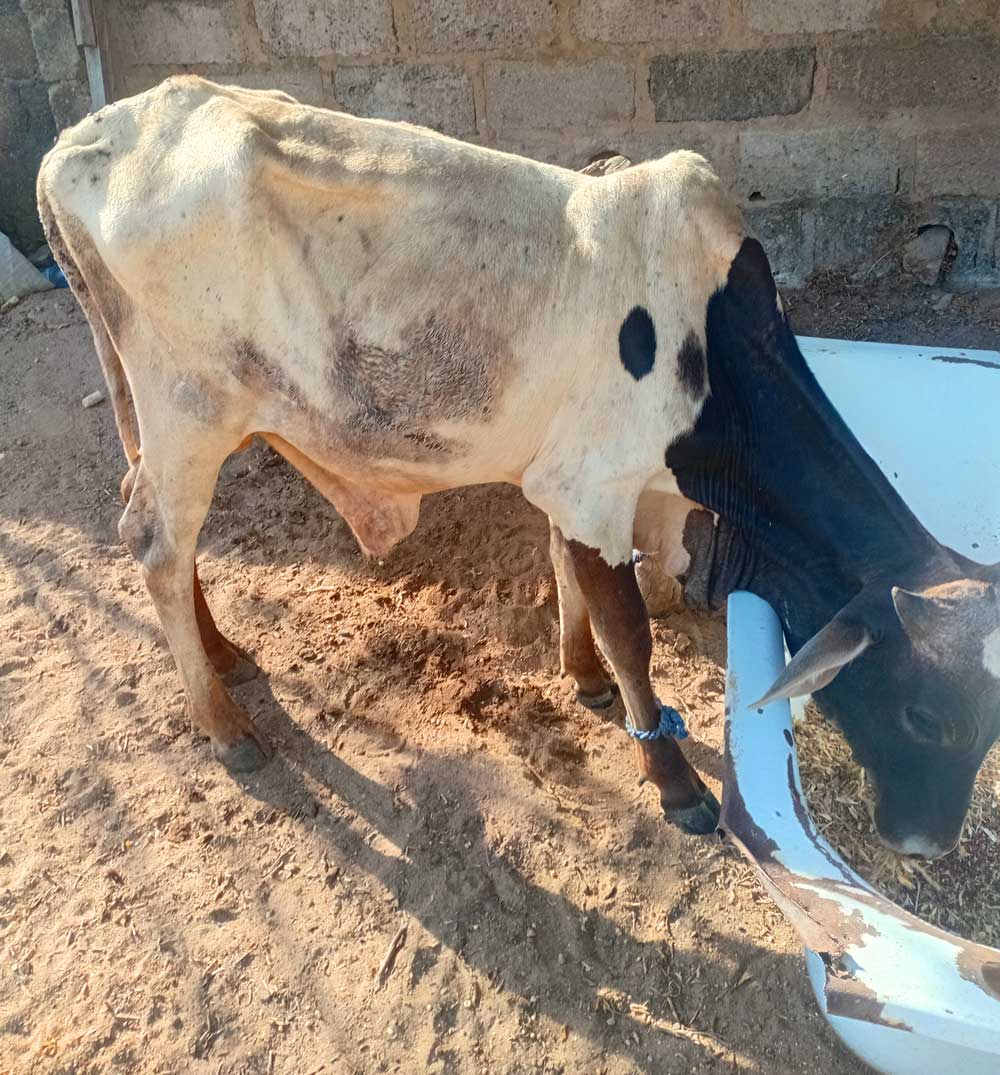
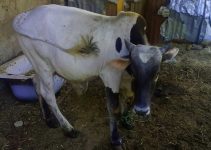
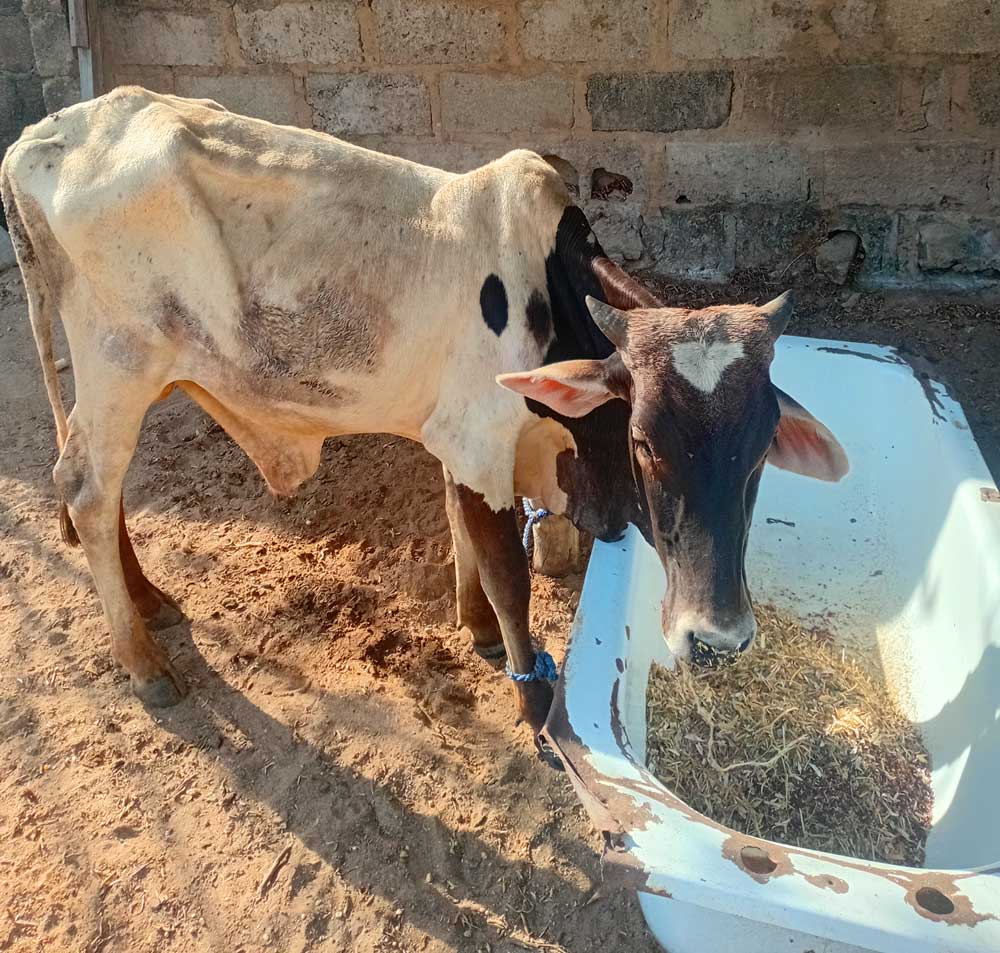
market weight: The slim cattle at home undergoing treatment first day at the shade
-
When Your Feeding Schedule Is Inconsistent, these can prevent your cattle from attaining market weight
Cattle thrive on routine.
Many farmers feed whenever it’s convenient instead of maintaining consistent feeding times.
Imagine eating breakfast at 7 a.m. today, noon tomorrow and skipping it the next day.
Your digestion would suffer.
Cattle experience something similar.
Inconsistent feeding can reduce appetite, upset rumen microbes and lower feed efficiency.
For better performance:
- Feed at approximately the same time every day.
- Divide concentrated feeding into two meals where possible.
- Ensure fresh water is always available.
- Remove spoiled feed promptly.
Routine promotes better digestion and more efficient nutrient utilisation.
Related article:
5 Solid Ways You Can Feed Your Goats and Maintain Good Health throughout Their Rearing Period
How to Engage In Profitable Sheep Fattening For Maximum Profits
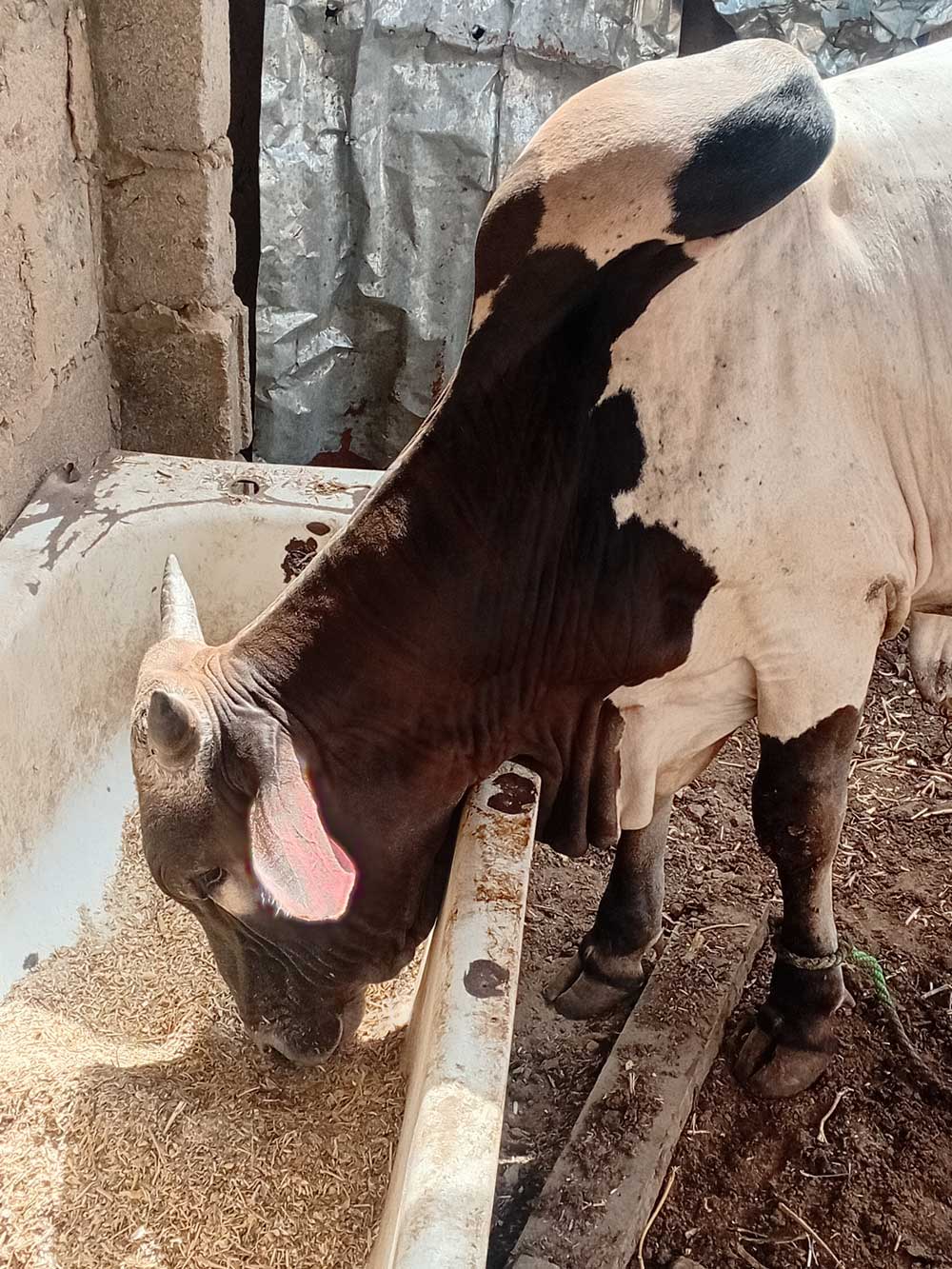
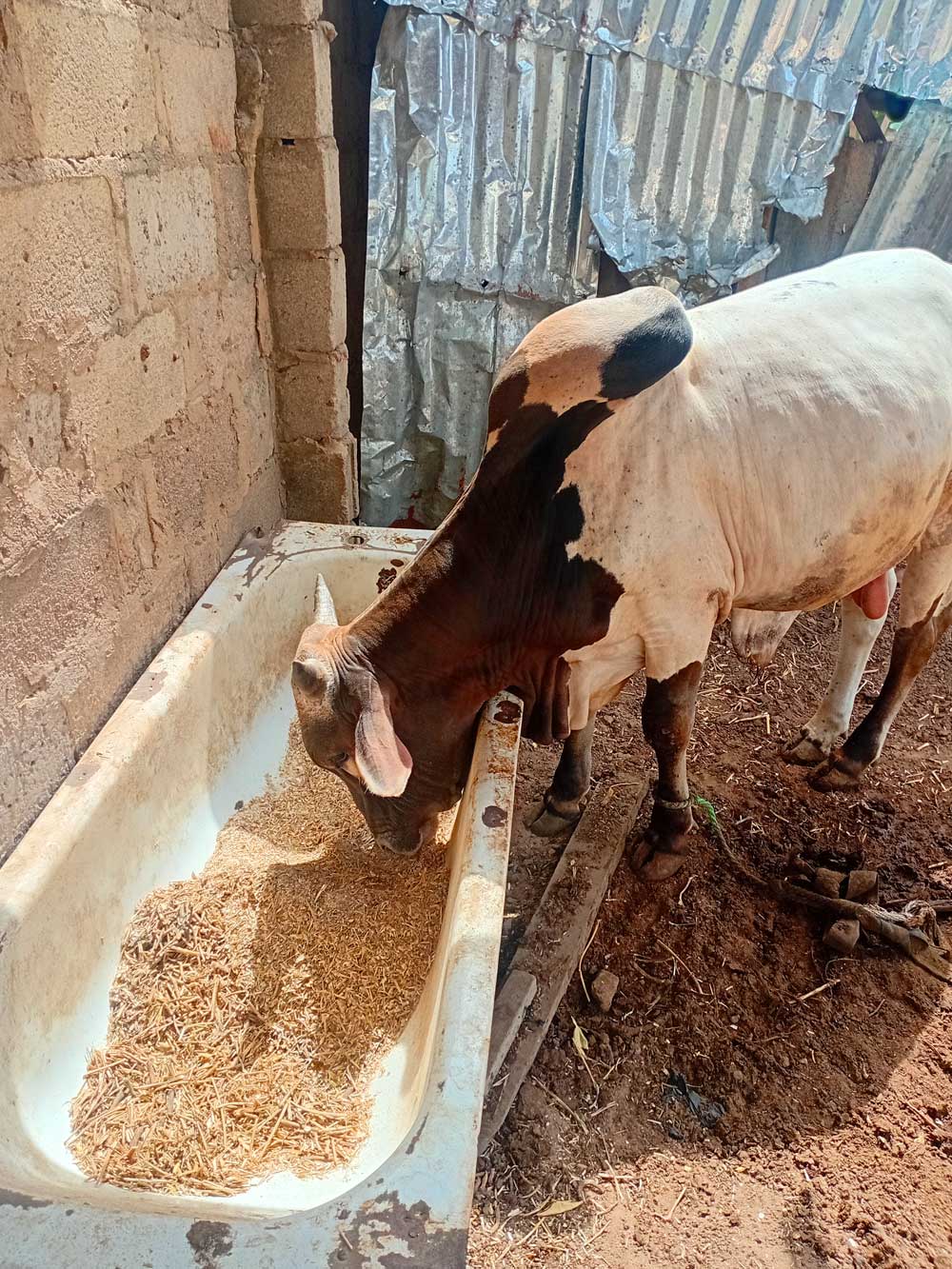
fast weight gain and transformation of the cow: attaining market weight at record time of 3 months +
-
Stress Is Quietly Reducing the ability of your cow to attain market weight
Many farmers underestimate the effect of stress.
A stressed cow eats less, digests less efficiently and gains weight more slowly.
Stress may result from:
- Overcrowding
- Long-distance trekking
- Excessive heat
- Poor ventilation
- Constant handling
- Frequent transportation
- Lack of clean water
- Mixing unfamiliar animals
Every stressful event burns energy that should have been used for growth.
One common mistake during fattening is repeatedly moving cattle between locations.
Each move disrupts feeding patterns and delays weight gain.
To minimise stress:
- Provide shade during hot weather.
- Ensure adequate ventilation.
- Avoid unnecessary movement.
- Maintain enough feeding space.
- Handle animals calmly and quietly.
Calm cattle generally eat better and grow faster.
Related article:
13 Wonderful Benefits of Molasses to Cattle
Cattle Rearing, Maximizing Your Profit through Minimizing Your Cost of Production
Livestock Goldmine: 6 Smart Agribusiness Ideas Turning Animal Farming into a Job Creation Machine
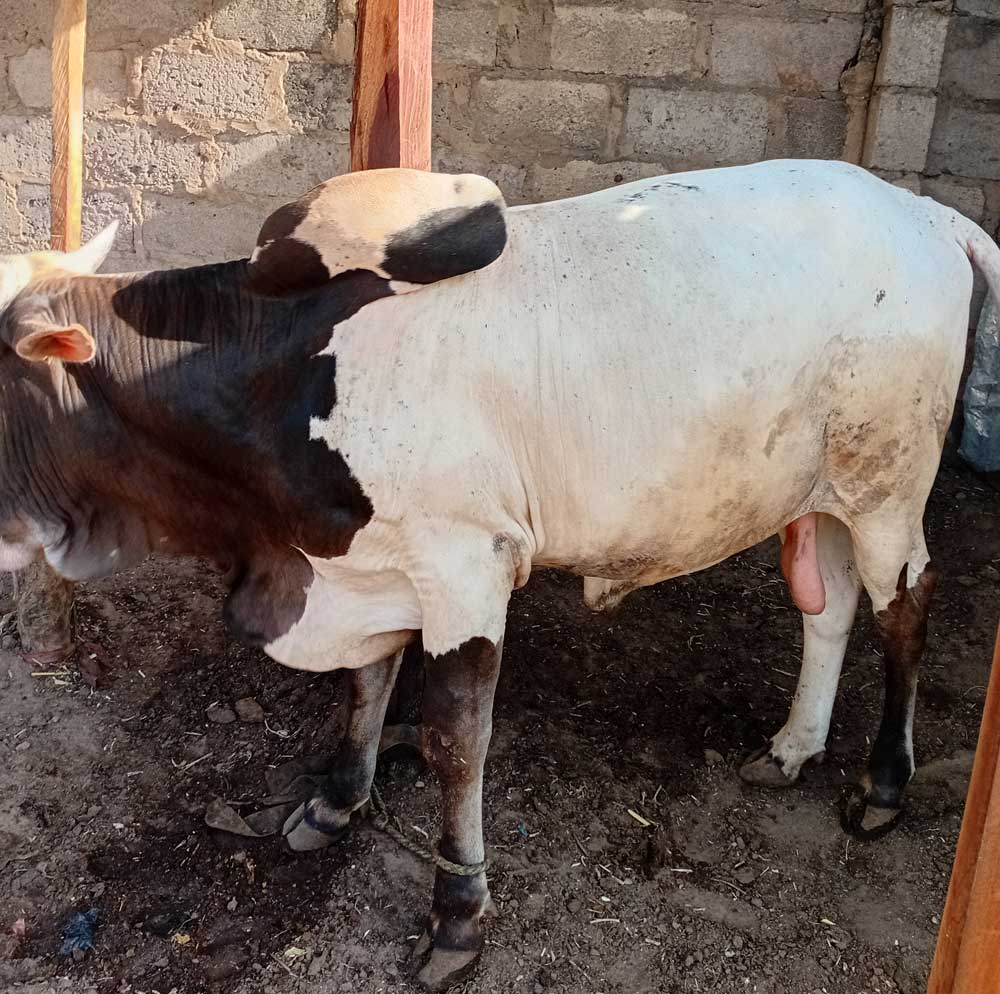
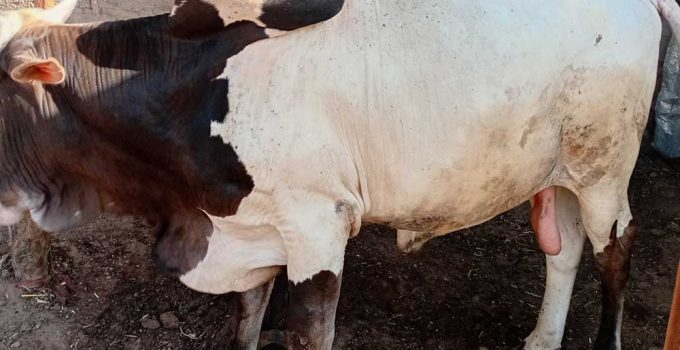
Attainng market weight
- You’re Guessing Instead of Measuring Progress
One of the costliest mistakes in cattle fattening is relying solely on visual assessment.
Many farmers simply look at an animal and assume it’s gaining weight.
Unfortunately, appearances can be deceiving.
Without monitoring progress, you may continue spending money on feed while achieving little improvement.
Instead:
- Weigh cattle regularly using a livestock scale where available.
- If a scale isn’t available, use a weight tape or body measurements to estimate weight.
- Keep records of:
- Initial weight
- Feed consumed
- Health treatments
- Monthly weight estimates
- Average daily gain
These records help identify poor performers early.
If an animal isn’t growing as expected, you can investigate before wasting more feed and time.
Successful commercial cattle farmers manage their operations with numbers, not assumptions.
Genetics Matter More Than Many Farmers Think
Sometimes the issue isn’t your management.
It’s the animal itself.
Some breeds naturally grow faster and convert feed more efficiently than others.
Likewise, older cattle generally gain weight more slowly than younger animals because more nutrients go toward maintenance rather than growth.
When buying animals for fattening:
- Select healthy cattle with a good body frame.
- Avoid chronically sick or stunted animals.
- Choose breeds or crosses known for good beef performance.
- Purchase animals from reputable sources.
Good genetics provide a strong foundation, but they still require excellent nutrition and management to reach their full potential.
Conclusion
Successful cattle fattening is not about feeding the largest quantity of feed.
It’s about feeding the right diet, maintaining animal health, reducing stress and monitoring progress consistently.
If your cattle are taking longer than expected to reach market weight, don’t immediately blame the breed or the season.
Instead, ask yourself these five questions:
- Is my feed properly balanced?
- Have I controlled parasites?
- Am I feeding consistently?
- Are my cattle experiencing unnecessary stress?
- Am I tracking their weight regularly?
Correcting just one of these areas could significantly improve growth rates, reduce feeding costs and help you sell your cattle weeks earlier than before.
In cattle fattening, every extra kilogram counts, but every unnecessary day spent feeding also costs money.
The sooner your cattle reach market weight, the sooner your investment starts working for you instead of sitting in the feed trough.
Happy farming, and may every kilogram you feed bring you closer to greater profits, Amen!