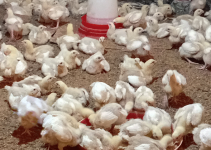
Commercial Feed vs. Homemade Feed: What I observed as a Small to medium-Scale Poultry Farmer
One question every small and medium-scale poultry farmer eventually asks is:
“Should I buy commercial feeds or mix my own feed at home?”
It’s a simple question, but the answer is a bit like asking whether tea or coffee is better; it depends on taste, budget, need, and how you handle it.
After years of trying both commercial and homemade feeds on my farm, talking with other farmers around me and observing the results up close from chicks to layers and broilers.
I want to walk you through the real differences, benefits, hidden costs, and practical challenges of both methods.
Let’s dive in.
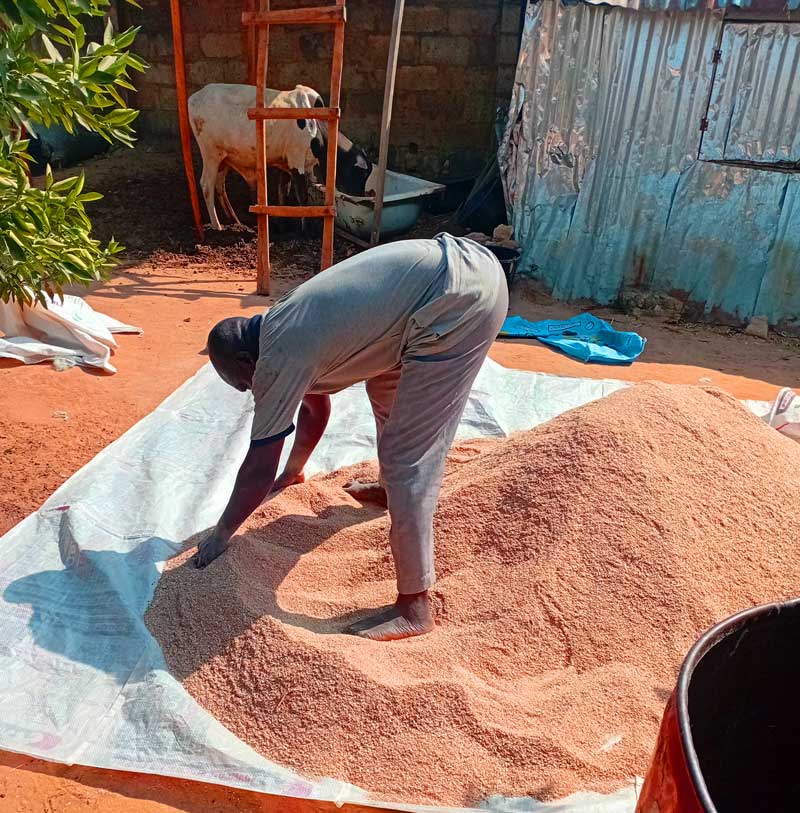
Manually mixing livestock feeds at home (farm)
-
In Commercial Feed vs. Homemade Feed: Feed Quality Counts. What Goes Into the Feed Really Matters
Commercial Feed Quality
Commercial feeds are made by feed mills with a specific nutrient profile balanced for poultry. They are formulated using scientific standards to deliver optimal protein, energy, vitamins, and minerals.
Here’s what I observed:
– Consistent nutrient balance: every bag is almost the same.
– Designed for specific stages: starter, grower, finisher, and layer feeds.
– Usually fortified with vitamins, trace minerals, and sometimes probiotics.
Poultry, especially broilers and layers, grow fast. A balanced diet means proper muscle development, stronger bones, better egg production, and fewer health issues.
Homemade Feed Quality
Homemade feeds are mixed right on the farm using local ingredients like maize, soya cake, bone meal, groundnut cake, etc.
What I noticed:
– Quality varies depending on ingredient source.
– Protein content is often lower than ideal if not carefully formulated.
– Without proper balancing, some nutrients (especially minerals & vitamins) can be missing.
Unless you have good nutrition knowledge and reliable ingredient sources, homemade feeds can easily fall short in meeting the birds’ nutritional needs.
Related article:
Best ways you can Utilize By-Products and Alternative Feeds in Fattening Cow
7 Reasons Why You Should Use Commercially Formulated Poultry Feeds
7 Practical Ways Farmers Can Reduce Stress without Leaving the Farm
-
When It Comes to Effectiveness between Commercial Feed vs. Homemade Feed; How Well do the Birds Perform
Commercial Feed
In my observation, birds on commercial feeds generally:
– Grow faster
– Reach market weight earlier (especially broilers)
– Lay more consistently and produce larger eggs (layers)
One of my farmer friends shared that his broilers fed a well-known commercial grower feed reached market weight 2 weeks faster than those on homemade feed. That’s money saved on feed and housing costs.
Homemade Feed
With homemade feeds:
– Growth is slower, sometimes up to 10–20% slower than commercial.
– Egg size and shell quality can be inconsistent.
– Some batches do well; others lag behind depending on ingredients and mix accuracy.
Bottom line: Poultry respond better to balanced feed. Commercial feeds give predictable performance. Homemade feeds can be effective but require discipline and quality control.
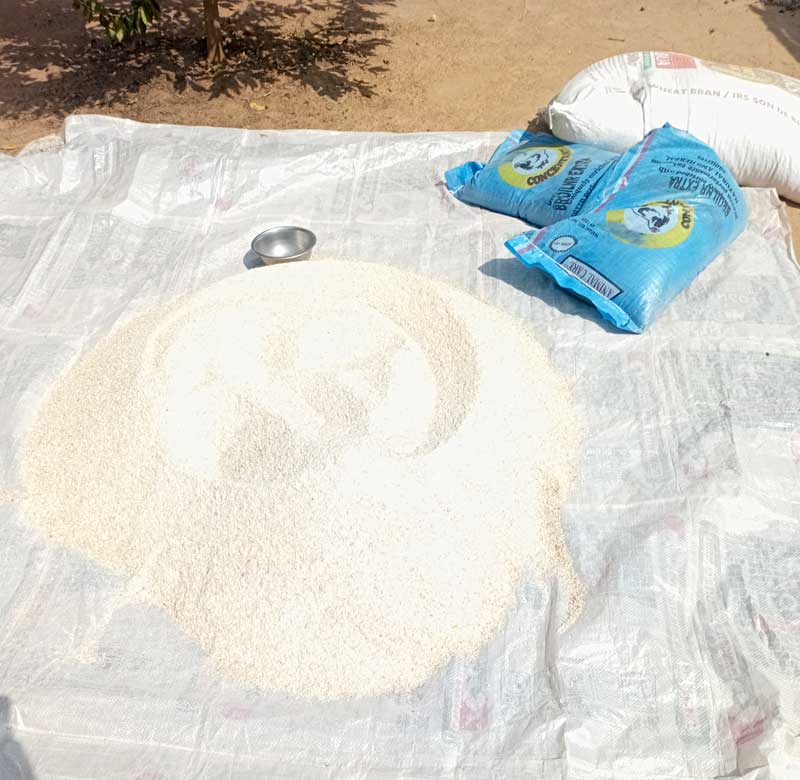
concentrates, energy and wheat offal
-
Cost of Production between Commercial Feed vs. Homemade Feed: Which Saves You More?
Money is the real deal, and this is where the debate usually starts.
Commercial Feed
- More expensive upfront per bag.
- But birds finish faster, eat less total feed (because feed conversion is better).
In my calculations, although commercial feeds cost more per kilogram, the cost per bird produced was often lower because the birds reached target weight faster and converted every naira of feed into body weight more efficiently.
Homemade Feed
- Cheaper per bag if you can access ingredients locally.
- But … birds eat more and take longer to finish.
- If ingredients spike in price (like soya or maize), homemade feed becomes expensive too.
Example:
If homemade feed costs ₦120/kg and birds take 10 weeks to finish, and commercial feed costs ₦180/kg but birds finish in 8 weeks with better feed conversion, the total cost might actually favour commercial feeds, even if the bag price is higher.
Tip: Always calculate cost per kilogram of live weight gain, not just cost per bag.
Related article:
My Rabbits Are Not Producing Again! 5 Hidden Reasons Your Does Refuse to Get Pregnant
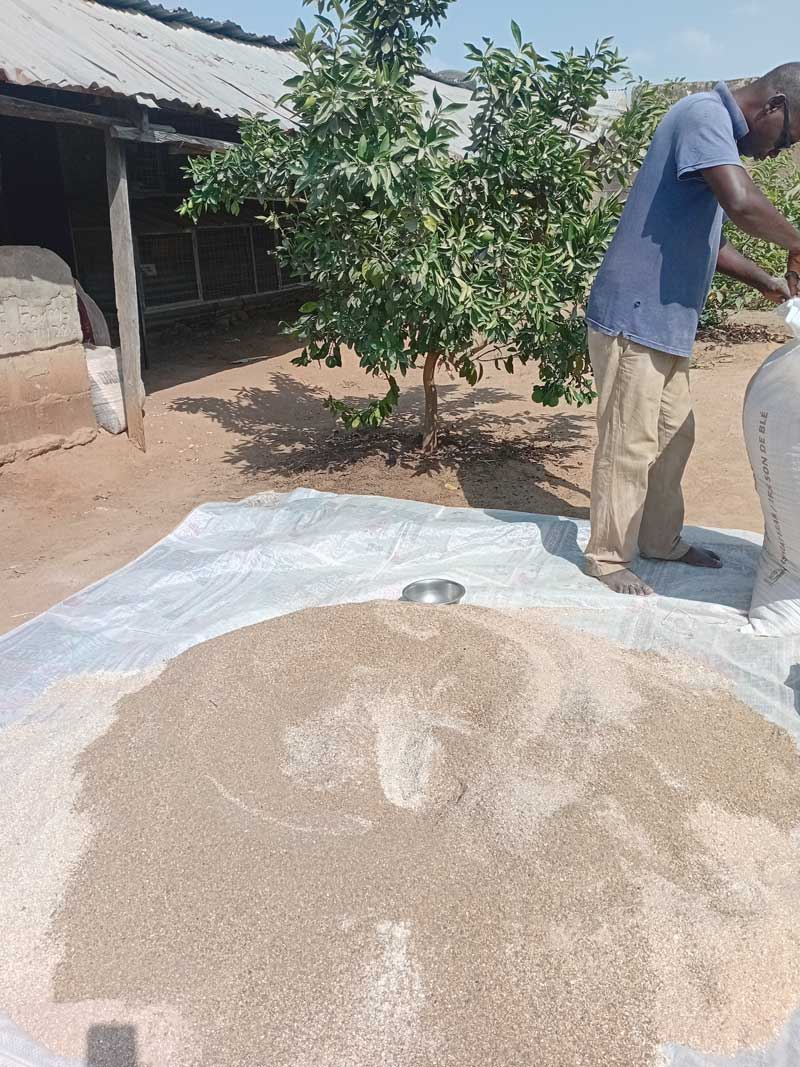
Manually mixing livestock feeds at home
-
The Durability & Shelf Life between Commercial Feed vs. Homemade Feed; How Long Does the Feed Lasts
Commercial Feed
- Packaged in sturdy bags with labelling.
- Often includes preservatives to slow down rancidity.
- Can stay good for weeks if stored properly.
Homemade Feed
- Made in small batches, but can spoil faster if oils (from soya, groundnut) oxidise.
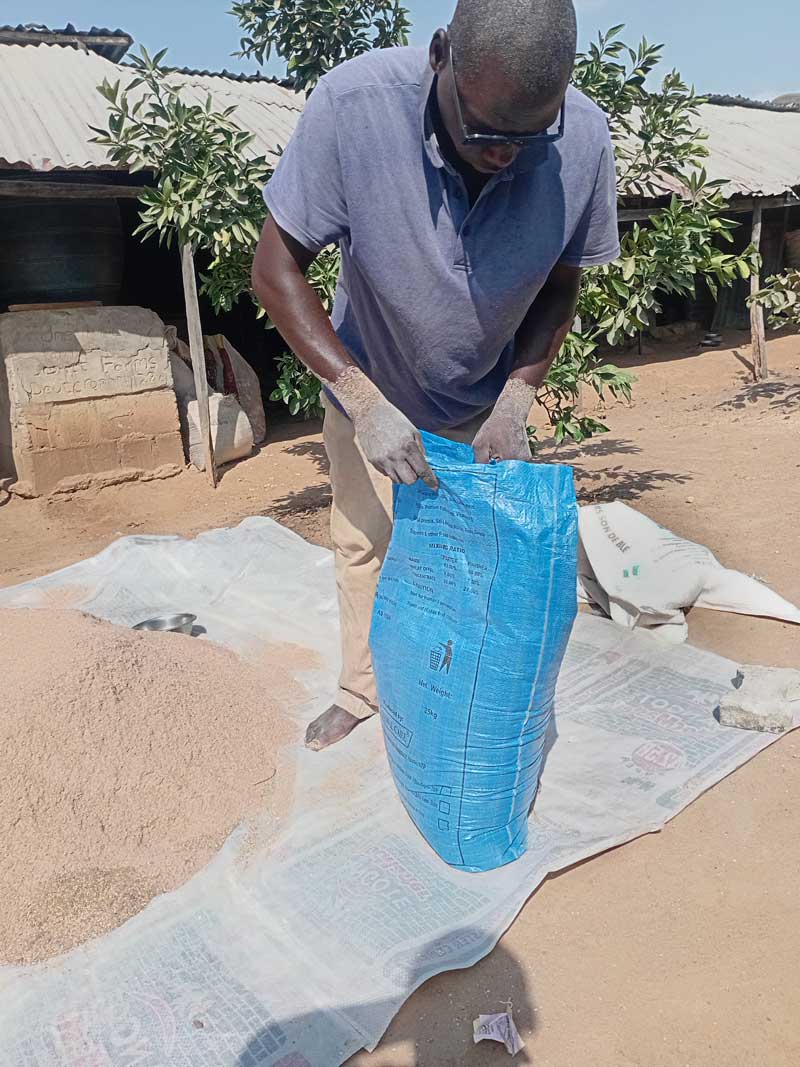
- More vulnerable to insects, weevils, and mould if not stored correctly.
- You might see feed clumping, a bad smell, or a sign that it’s gone bad.
Rule of thumb:
Both feeds need dry, cool, rat-free storage. But commercial feeds are generally more stable — especially in humid environments.
Related article:
5 Simple, All-Natural Tricks to Keep Your Farm-Fresh Eggs Last Longer
5 Hidden Errors Blocking Your Broilers from Fast Growth
8 Things I Wish I Knew Before Starting Poultry Farming
-
The Danger of Mycotoxins: What Happens Between Commercial Feed vs. Homemade Feed; A Hidden Risk
This is one area that many farmers overlook until it hits hard.
What Are Mycotoxins?
They are toxic compounds produced by moulds that grow on grain,s especially maize, peanuts, and other stored ingredients.
Commercial Feed
- Manufacturers often test ingredients before use.
- They may include binders that reduce mycotoxin impact.
Homemade Feed
- If your maize or soya is stored poorly (moisture, heat, poor hygiene), mycotoxins can build up.
- Birds consuming contaminated feed become sick, slowly reduced appetite, poor growth, and weakened immunity.
I once observed a farmer lose 15% of his flock because his homemade feed had hidden mould toxins. It was a hard lesson on post-harvest handling.
Practical tip from past experience:
Always dry your grains properly, check for mould smell or discolouration, and use safer storage (raised platforms, dry sheds).
The use of Antioxidants between Commercial Feed vs. Homemade Feed: Why They Matter for Poultry Health
Antioxidants help poultry cope with stress, heat, and metabolic processes.
Commercial Feeds
Many commercial diets include antioxidants like Vitamin E and selenium.
Homemade Feeds
You have to add this yourself often overlooked.
Without antioxidants:
– Birds suffer heat stress more
– Immune function drops
– Growth slows
Real farm hack:
If using homemade feeds, add natural antioxidant sources like:
– Moringa leaf powder
– Banana peel powder
Related article:
7 Strategic Planning in Farming: Secrets Smart Farmers Use to Achieve Bumper Harvests Every Season
Bumper Harvest Begins Here: 5 Hybrid Seed Qualities That Give You an Edge over Ordinary Farmers
-
Preservation between Commercial Feed vs. Homemade Feed; Keeping Your Feed Safe & Healthy
Here’s where good farm management pays.
For Commercial Feeds
- Keep bags sealed.
- Store off the ground on pallets.
- Avoid moisture and sunlight.
For Homemade Feeds
- Mix only small batches, making the feed fresh and palatable.
- Add preservatives like:
* Diatomaceous earth (small amount)
* Lime powder (helps drying)
* Natural herbs with insect-repelling properties - Use airtight containers after mixing i.e drums
Tip: Keep feed areas dry and clean. Damp feed is a breeding ground for bugs and moulds.
Related article:
4 Important Lessons I Learnt Over the Years While Fattening Cows
5 Tricks You Can Easily Use To Tame a Cow
6 Unique Ways You Can Keep Your Cow Healthy During the Fattening Period
- Viability between Commercial Feed vs. Homemade Feed — What Works Best on the Farm
Commercial Feed
Most farmers I know stick to commercial feeds because:
– It’s reliable
– Saves time mixing
– Birds perform consistently
– You can focus on housing and health instead of feed formulation
Homemade Feed
Works well if:
– You source quality ingredients
– You understand poultry nutrition
– Your storage and mixing are good
– You’re willing to invest time and attention
In some rural setups where ingredients are cheap and reliable, homemade feeds can be viable — but only with good management.
-
Economic Implications between Commercial Feed vs. Homemade Feed — Profit Comes From Smart Choices
Here’s a reality check: as farmers, we chase profit, and feed takes 60%–80% of production cost.
Commercial Feed
- Higher initial cost
- Better efficiency
- Predictable outcomes
- Easier budgeting
Homemade Feed
- Lower initial cost (sometimes)
- More labour time invested
- Greater risk of nutritional imbalance
- More vulnerable to ingredient price swings
Example from my far,m BnetFarms:
When maize and soya prices crashed in my area, homemade feed was cheaper. But as prices rebounded, the cost advantage disappeared, and my birds on commercial feed still outperformed those on homemade mixes.
Related article:
5 Powerful Farm Rebranding Strategies to Skyrocket Your Sales
Zoonotic Diseases on your Farm: How to Spot, Stop, and Shield Yourself from Animal-Borne Diseases
Why Duck Farming is a Good Alternative to Chicken Farming
- My Final Take between Commercial Feed vs. Homemade Feed — What I Recommend
Here’s how I break it down for most small and medium farmers:
Use Commercial Feed If:
- You want consistent performance
- You don’t want to worry about nutrition balancing
- You have a mixed flock (layers + broilers)
- You’re selling at market and need reliable growth
Use Homemade Feed If:
- You have stable, low-cost ingredients
- You understand feed formulation
- You’re good at storage and preservation
- You’re prepared to invest time in mixing and quality control
Best Blend: The Hybrid Approach
Many smart farmers I know use:
– Commercial starter feed up to 4–6 weeks
– Homemade grower/finisher mix with supplements
This gives balanced nutrition early when chicks need it most, then leverages cost savings later.
Practical Tips Before You Decide
- Always test your homemade mix on a small batch first.
- Weigh and record growth — compare birds on commercial vs homemade.
- Keep feed logs to track which feed gives better FCR (Feed Conversion Ratio).
- Store ingredients separately in dry, rat-proof places.
- Add natural antioxidants if feeds are homemade.
In Summary
| Factor | Commercial Feed | Homemade Feed |
| Quality | High & consistent | Variable |
| Growth Effectiveness | Better | Depends |
| Cost per Bag | Higher | Lower |
| Feed Conversion | Better | Often lower |
| Mycotoxin Risk | Lower | Higher (if poorly stored) |
| Ease of Use | Ready | Time & skill needed |
| Storage Durability | Good | Needs careful handling |
Farming is not just about feeding birds; it’s about feeding them well. Whether you choose commercial or homemade feeds, the goal is the same: healthy birds, lower cost, and better profit.
If you have any specific challenges with your feeds right now, maybe ingredient sourcing or mould issues, tell me about your situation in the comment session, and I’ll help you troubleshoot!