My Rabbits Are Not Producing Again! 5 Hidden Reasons Your Does Refuse to Get Pregnant.
Have you ever stood in your rabbitry scratching your head while healthy does just won’t get pregnant? You’re not alone.
Fertility problems are one of the most frustrating issues small and medium rabbit farmers face, especially when all the rabbits look fine.
Empty nest boxes, repeated failed matings, and does that cycle and cycle without pregnancy can feel like a mystery.
Let’s get one thing clear right away: low fertility isn’t usually nature being mean, it’s usually a sign of stress, management gaps, or something in the environment that’s fixable.
Today, we’ll break down 5 real reasons, often overlooked causes your does refuse to get pregnant and practical steps and suggestions on how to fix each one fast.
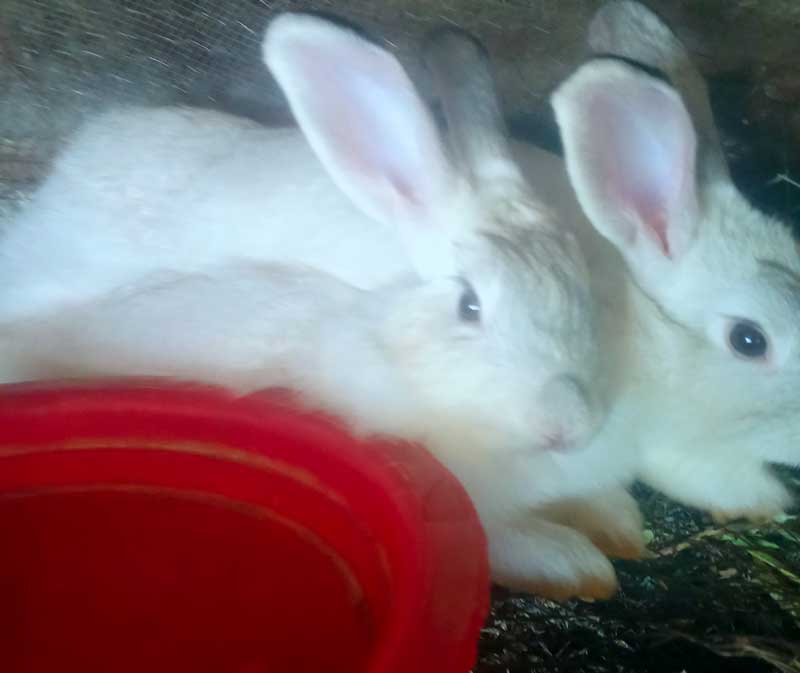
Rabbit couples
-
Reasons Your Does Refuse to Get Pregnant could be due to Poor Breeding Timing
Many farmers assume rabbits will breed whenever, but timing really matters. Rabbits are induced ovulators; they don’t release eggs on a set cycle like cows or goats. Instead, the act of mating triggers ovulation.
However, even with this advantage, fertility drops dramatically when does are either too young, too old, or bred at the wrong moment in their hormonal cycle.
What Usually Goes Wrong
- Too young: Breeding does before they’re physically mature (usually under 5 months) leads to failed pregnancies and stunted young later.
- Too old: Does over 3 years old show declining fertility?
- Wrong time: If the buck and doe aren’t ready at the same moment, mating may take place, but ovulation doesn’t occur.
What to Do Fast as a rabbit farmer
- Only breeds that are 5–9 months old and in good body condition.
- Avoid breeding first thing in the morning or when it’s very hot. Rabbits are seasonal, light-sensitive, and their fertility drops in heat stress.
- Watch behavior a willing doe will stand still and lift her back (lordosis). If she doesn’t, try again later in the day.
If the doe has just weaned a litter, give her at least 10–14 days of rest before breeding again. Rushing back too soon often looks like infertility when really the doe’s just recuperating.
Related article:
7 Key Advantages and Importance of Constructing a Rabbit Hutch Using Wire Gauze and Rod
-
Heat and Cold Stress is another Reason Your Does Refuse to Get Pregnant
Rabbits are delicate when it comes to temperature. A doe that is too hot or too cold right before breeding can fail to ovulate even if mating seems successful.
How do you know it’s Heat/Cold Stress
- Does breathing rapidly or hiding in corners during hot days
- Tail-end of does with frost or chill on fur in cool mornings
- Empty litters in peak heat seasons (March–May in many regions)
What to Do Fast
For Heat Stress:
- Provide shade and ventilation; don’t confine cages in direct sun.
- Use damp jute sacks or shade cloths; mist water on cloths (not directly on rabbits).
- Offer cool, clean water often; dehydration kills libido and fertility.
For Cold Stress:
- Ensure wind-proof housing; cold winds chill rabbits fast.
- Add dry grass/straw bedding and thicker covers in early mornings.
- Avoid breeding during sudden cold snaps.
Use natural airflow raised hutches with open sides and fly mesh that work better than solid walls that trap heat. Both heat and cold can shut down a doe’s reproductive hormones without any obvious sickness.
Related article
Don’t Buy That Rabbit Yet! 5 Smart Checks before Bringing a New Rabbit Home
The 3 Best Daily Feeding Rabbits Habits to Boost Rabbit Growth, Immunity, and Reproduction
No Action in the Hutch? 5 Smart Steps to Take When Your Rabbits Won’t Mate

-
Nutritional Gaps may be the Reasons Your Does Refuse to Get Pregnant
Your does might look healthy, but if their diet lacks key nutrients, fertility suffers. Many small-scale farmers feed only one or two food sources (like grass or a single concentrate) without balancing for protein, energy, vitamins, and minerals, and rabbits are sensitive eaters.
Signs It’s a Nutrition Issue
- Dull coat or hair loss
- Does that cycle a lot but never conceive
- Small, weak litters when they do get pregnant
What you can Do Fast as a rabbit farmer
Here’s a simple, practical feeding guide:
Balanced Diet Essentials
- High-quality forage (60–70% of diet): fresh grasses, clean hay (guinea grass, napier, or clean dry hay if available).
- Concentrates (30–40%): rabbit pellets or a small mix of maize bran + soybean meal or groundnut cake, enough to provide 16–18% protein.
- Vegetables: leafy veggies like pumpkin leaves, water leaf or moringa in moderation.
- Mineral source: add crushed oyster shell or bone meal for calcium.
- Clean Water: Always fertility surfers without proper hydration.
In feeding, too much of one thing (like maize) can reduce fertility because of an imbalance. Think variety on the plate and regular feeding times.
Related article:
Utilizing Small Space to Make Big Profit, the Hidden Economic Power of Backyard Rabbit Farming
9 Serious Mistakes to Avoid When Raising Rabbits
13 Causes of High Mortality in Young Rabbits Kittens and How to Remedy the Situations
-
Hidden Disease & Parasites are also Reasons Your Does Refuse to Get Pregnant
Rabbits are masters at hiding illness. A doe might look active and still carry a parasite load or low-grade infection that interrupts her reproductive cycle.
Some common offenders:
- Intestinal worms
- Coccidiosis (a protozoan parasite)
- Uterine infections
- Ear mites and skin parasites are causing stress
How to Tell It’s a Disease
- Loose droppings or diarrhoea
- Weight loss
- Rough fur and scratching
- Repeated failures to conceive despite perfect timing
What you can doas fast as a rabbit farmer
Check regularly for signs. Daily observation is a farmer’s best tool.
Work with a vet or agro-vet to set up a simple deforming and coccidiosis control plan. Many small farmers use safe, vet-recommended drugs on a schedule.
Always quarantine new rabbits for 14 days before introducing them to your main breeding group. It’s cheaper and easier than fixing a disease outbreak later.
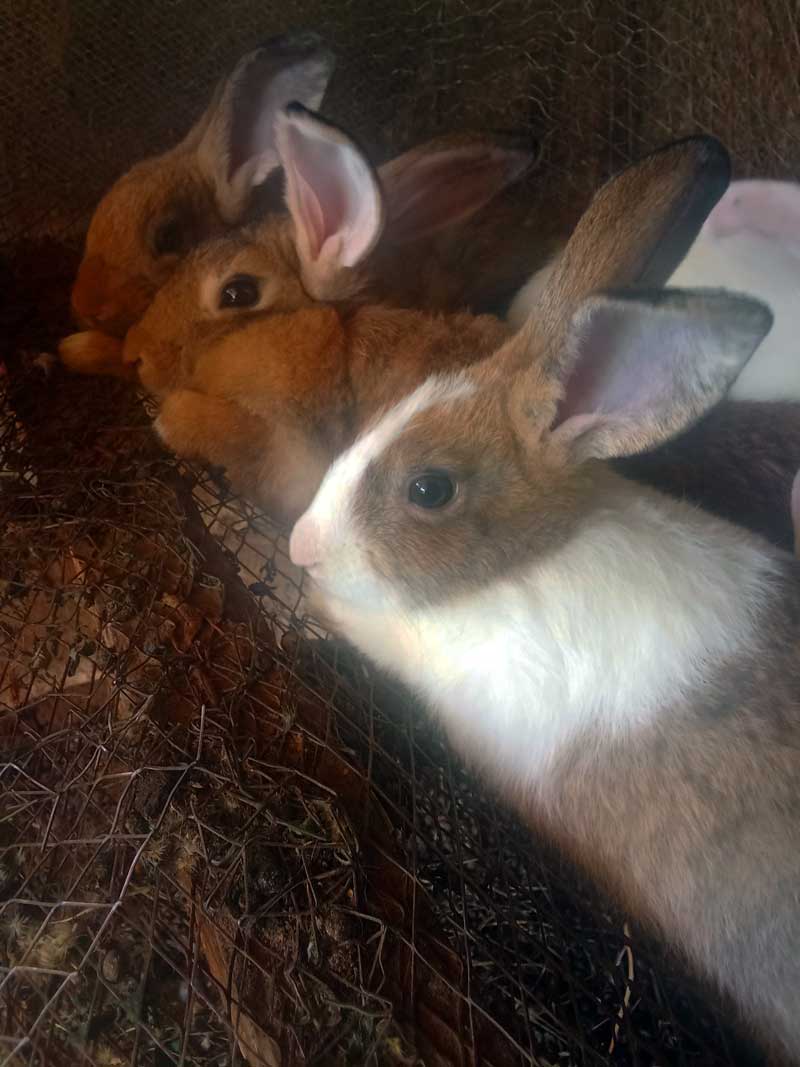
Young rabbits are good for mating
Related article:
10 Important Points You Should Consider Before Starting a Rabbit Farm
6 Ways You Can Care For Your Rabbit Bunnies When Their Mother Dies
Best ways you can Utilize By-Products and Alternative Feeds in Fattening Cow
-
Poor Buck Management could be Reasons Your Does Refuse to Get Pregnant. It’s Not Always the Doe!
We talk a lot about does, but bucks matter too. A weak, stressed, or unhealthy buck can fail to impregnate even the healthiest doe.
How do you know the Buck Is the Issue
- Does not mate when introduced
- Mounting attempt, but no ejaculation
- Low interest in does
- Poor semen quality (if you have tested before)
What to Do Fast
Buck Care Checklist
- Rotate bucks use a young, healthy buck every few matings to reduce fatigue.
- Ensure bucks have a balanced diet, like does (especially protein).
- Keep bucks calm; stress reduces libido.
- Replace bucks older than 3 years; fertility often drops fast.
If your does consistently fails with one buck but does well with another, trust your eyes. Genetics and individual vigour matter more than you think.
The 5 Hidden Fertility Killers
| Problem | How to resolve the issue |
| Bad breeding timing | Breed only at the right ages, watch behaviour |
| Heat/cold stress | Improve housing, airflow, shade, bedding |
| Poor nutrition | Balanced diet with protein, minerals, and forage |
| Hidden disease | Regular health check, deworming, quarantine |
| Weak/aged bucks | Rotate bucks, proper buck nutrition & care |
Step-by-Step Action Plan you can start to take from Next Week
Here’s a simple schedule you can follow:
Day 1 – Evaluate Your Does
- Check ages mark does under 5 months or over 3 years.
- Separate any that need rest or special care.
Day 2 – Check Housing
- Add shade in hot spots.
- Check for drafts in cold areas.
- Add fresh bedding.
- Improve the ventilation
Day 3 – Improve Diet
- Mix a balanced feed batch.
- Add minerals and fresh water.
- Offer fresh greens.
- Provide enough quality hay
Day 4 – Health Check
- Observe droppings and activity levels.
- Talk to a vet about a deworming schedule.
- Look out for sneezing and coughing
Day 5 – Buck Assessment
- Look at your buck’s age, weight, vigor.
- Replace or rest as needed.
Day 6 & 7 – Breeding
- Try breeding in cool, calm parts of the day.
- Watch mating behaviour repeat if needed.
Conclusion
Rabbit breeding isn’t magic; it’s a management skill. When your does aren’t producing, it’s usually fixable with the right adjustments instead of surgery or expensive drugs.
Small changes in feeding, housing, timing, and health can dramatically boost fertility on your farm.
You don’t need the fanciest equipment; you just need consistency, observation, and smart decisions.