Chicken Droppings: Nature’s Gold! 3 Proven Ways to Source It for Bigger Harvests and Organic Farming Success This Season
Introduction
In many farming communities today, one of the biggest challenges farmers face is the high cost of inorganic fertilizer.
Every planting season, many farmers struggle to raise enough money to buy fertilizer.
Some end up applying less than their crops need, while others are unable to buy any at all.
Yet, there is a valuable resource that many farmers overlook every day. It is available in poultry houses, backyard chicken pens, and live bird markets.
Surprisingly, this resource is often treated as waste and thrown away.
That resource is “chicken droppings”.
What many people call poultry waste is actually one of the most powerful organic fertilizers available to farmers.
Chicken droppings are rich in nutrients that help crops grow well, improve soil fertility, increase yields, and reduce farming costs.
For rural farmers, homestead gardeners, and families who love healthy organic food, chicken manure can be a game-changer.
It is usually cheaper than chemical fertilizer, stays longer in the soil, improves soil health, and helps farmers recycle resources within their farms.
The beauty of chicken droppings (manure) is that it creates a cycle of wealth. Chickens produce droppings, droppings feed crops, crops generate income, and that income can be used to buy more chickens. The cycle continues year after year.
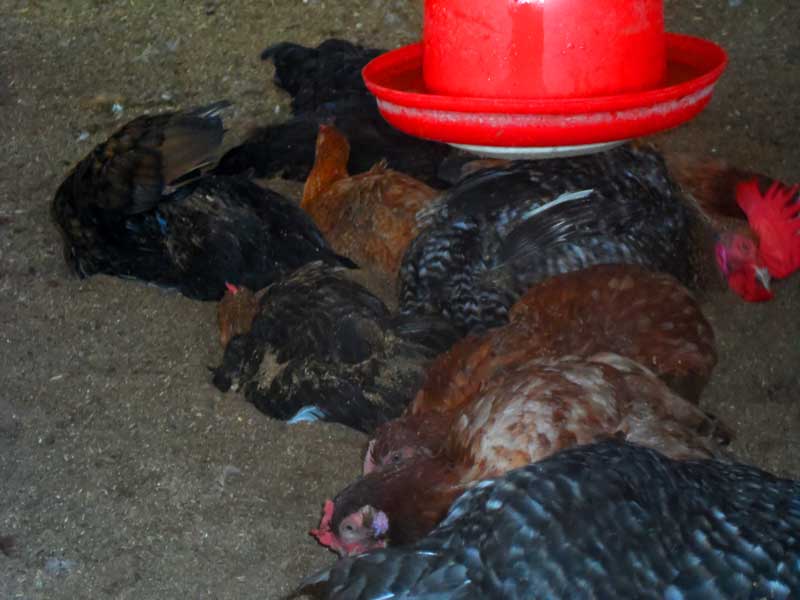
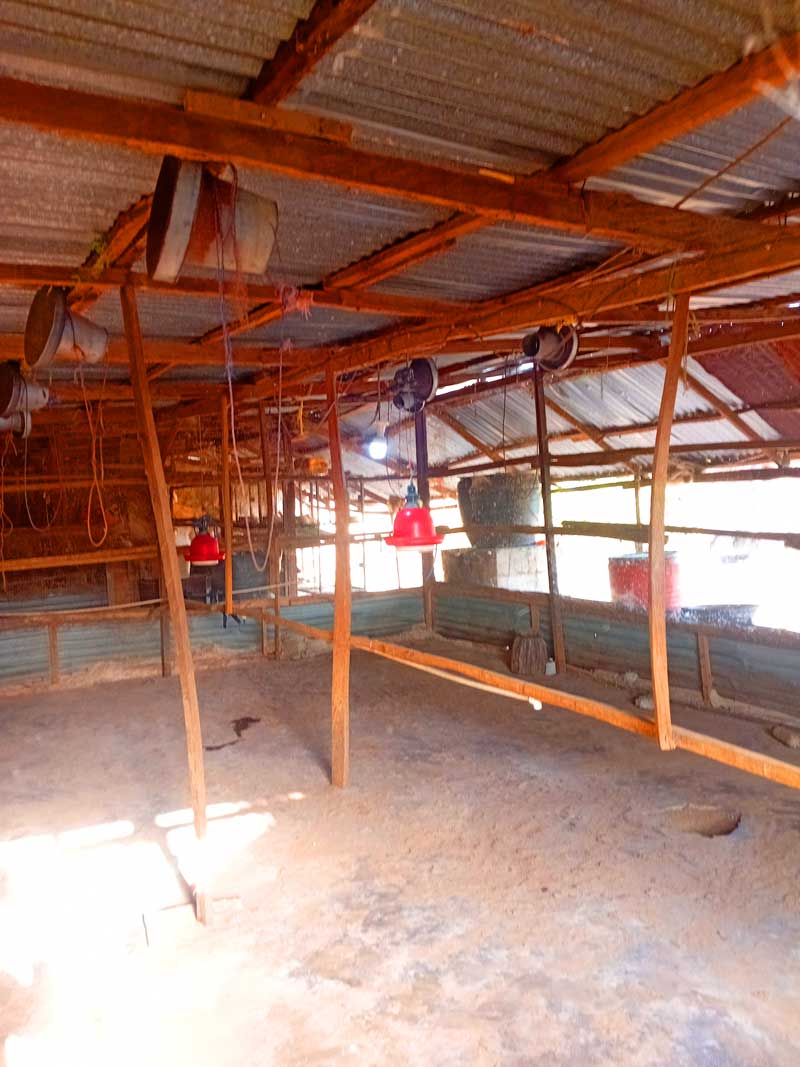
Chicken droppings you can source for it from poultry farms especially those raise on deep litter system of farming
This is why many experienced farmers proudly call chicken droppings “Nature’s Gold.”
Why Chicken Droppings Are So Valuable
Chicken droppings contain important nutrients needed by crops.
These include:
- Nitrogen for leafy growth
- Phosphorus for root development
- Potassium for strong plants and better yields
- Calcium and other minerals for healthy soil
Unlike many synthetic fertilizers that mainly provide nutrients, chicken manure also improves the structure of the soil itself.
Think of it this way.
Chemical fertilizer feeds the crop.
Chicken manure feeds both the crop and the soil.
That is why the benefits often last much longer.
1. You can Source Chicken Droppings from Poultry Farms
The first and most common way to obtain chicken droppings (manure) is through poultry farms.
Many poultry farmers raise broilers, layers, cockerels, Noilers, and local chickens. As birds grow, they produce large quantities of chicken droppings that must be removed regularly to maintain cleanliness and a healthy environment.
For crop farmers, this is an excellent opportunity.
How to Source the chicken droppings
Visit poultry farms in your area and ask if they sell poultry manure (chicken droppings).
Many farmers are happy to sell because:
- It helps keep their poultry houses clean.
- It provides extra income.
- It reduces waste disposal problems.
Some farms even allow buyers to collect and bag the manure (chicken droppings) themselves at a lower cost.
Why This Option Is Good
- Large quantities are available.
- Supply is usually consistent.
- Costs are often affordable.
- Suitable for farmers with larger fields.
A farmer growing maize, vegetables, cassava, yams, or rice can often obtain enough chicken droppings (manure) from a nearby poultry farm to improve soil fertility for the entire season.
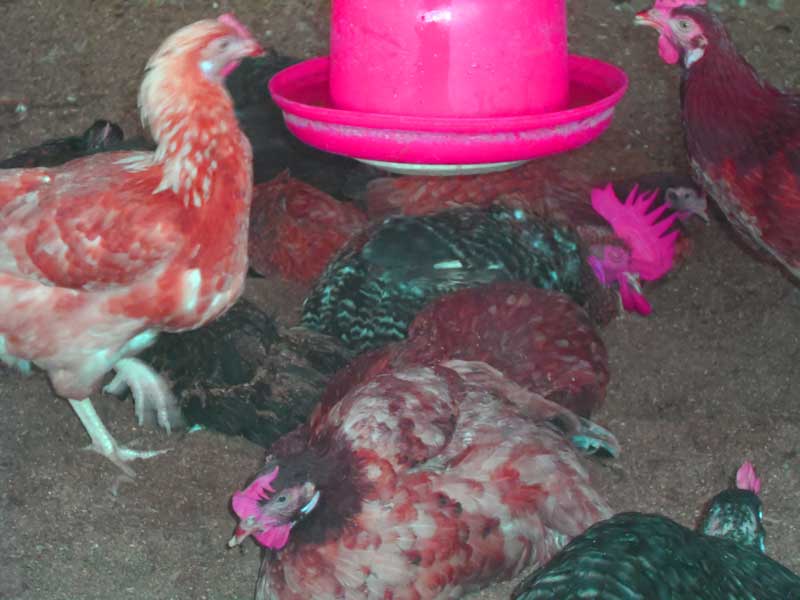
Noiler chickens dusthbathing
Related article:
Discover the Secrets to Sustainable Broiler Farming Success!
Enhancing Soil Fertility and Structure with Composted Manure
2. You can have Chicken droppings (manure) by raising Your Own Chickens yourself
One of the smartest long-term solutions is to keep chickens yourself.
Even a small flock can produce a surprisingly large amount of chicken droppings (manure) throughout the year.
Many people focus only on eggs and meat but forget that chicken droppings are another valuable farm product.
Imagine This Scenario
You keep 30 local chickens in your compound.
The chickens provide:
- Eggs
- Meat
- Chicks for sale
- Chicken droppings
The chicken droppings are collected and composted.
You apply them to your vegetable garden.
Your vegetables grow better.
You sell some vegetables.
The income helps you buy more chicks.
Now you have more chickens producing more droppings.
This is how a simple village farming system grows into a profitable enterprise.
Benefits
- Continuous supply of manure.
- Lower fertilizer expenses.
- Additional poultry income.
- Improved food security.
- Better farm sustainability.
Many successful farmers use this simple system year after year.
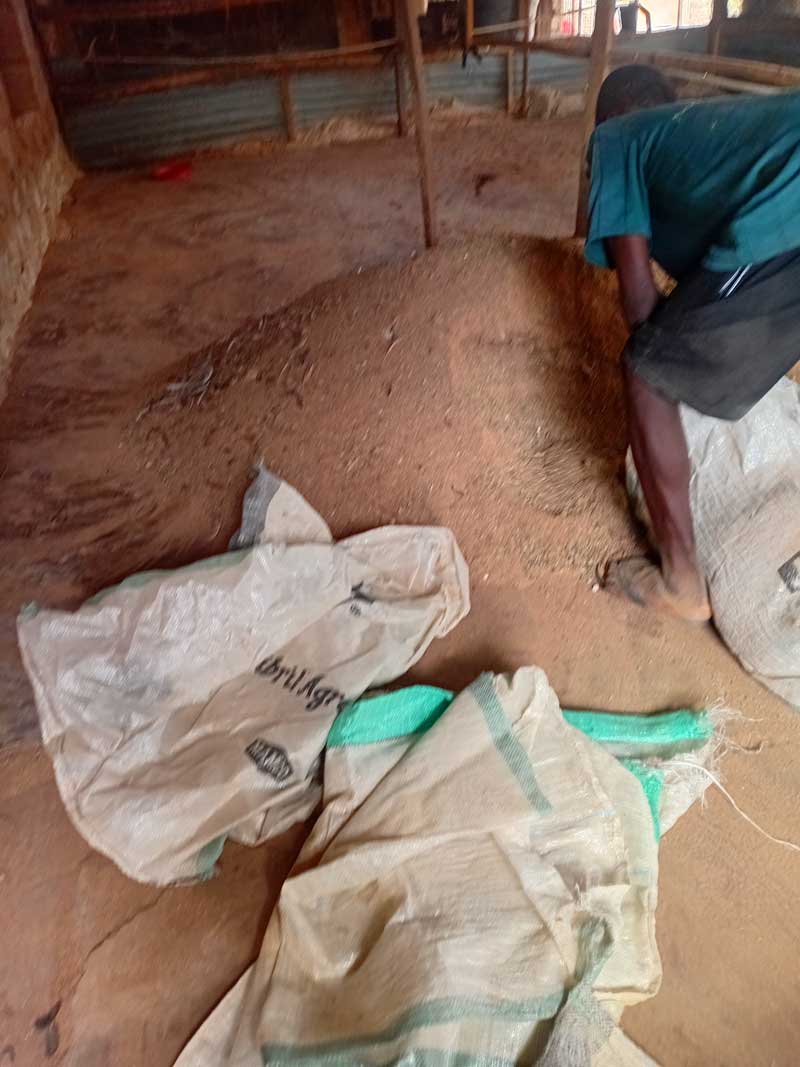
chicken droppings: packing and bagging of chicken manure in a poultry pen
Related articles:
8 Economic Importance of Compost Manure to Local Farmers
6 Simple Ways to Manage the Manure on Your Farm
Livestock Goldmine: 6 Smart Agribusiness Ideas Turning Animal Farming into a Job Creation Machine
3. Source Chicken Droppings from Live Bird Markets
Another often overlooked source is the local live bird market.
In many towns and villages, hundreds of chickens are sold every week.
As birds stay in cages and holding areas, they produce large amounts of droppings.
Unfortunately, many of these droppings are simply discarded.
How to Get It
Build relationships with:
- Chicken traders
- Poultry sellers
- Live bird market operators
- Chicken processing centres
In some cases, you may get the manure free of charge.
In others, you may only need to pay for transportation or bagging.
Advantages
- Readily available.
- Often very cheap.
- Easy to collect regularly.
- Helps reduce waste around markets.
For resourceful farmers, this can be an excellent source of organic fertilizer.
Why Chicken Droppings Help Farmers Save Money
One of the biggest benefits of chicken manure is its economic value.
Many farmers spend a large part of their production budget on fertilizer.
Every year fertilizer prices increase.
For small-scale farmers, this can be a serious burden.
Chicken manure helps reduce these costs.
Consider This Example
A farmer planning to cultivate one hectare of maize may need several bags of inorganic fertilizer.
Buying these bags can consume a significant portion of the farming budget.
However, if the farmer has access to chicken droppings (manure), the amount spent on fertilizer can be greatly reduced.
The money saved can be used for:
- Better seeds
- Farm tools
- Labour
- Irrigation
- Expansion of farmland
Reducing expenses means increasing profits.
And every farmer wants higher profits.
Related articles:
11 Wonderful Benefits of Urban Farming, And Why You Should Engage In It.
The Gut:How To Achieve and Maintain A Healthy Gut In Your Chicken And its Benefit
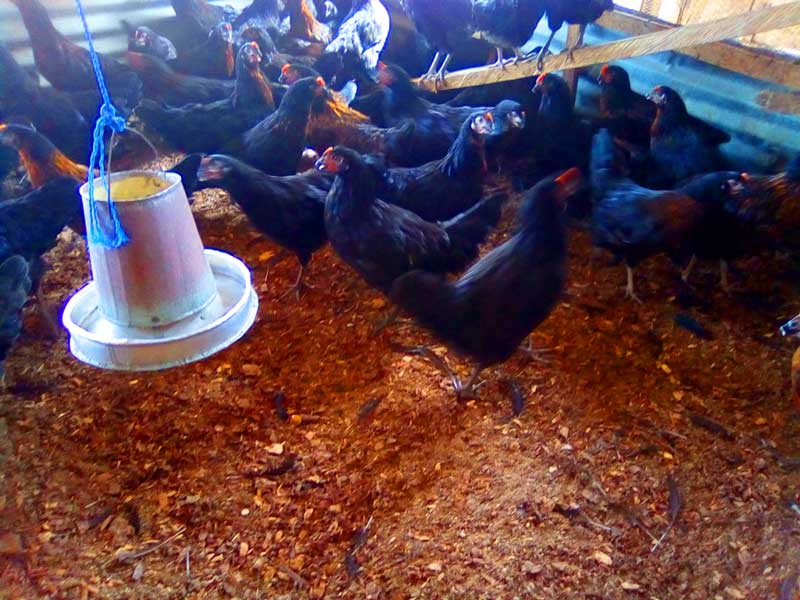
layers are a good source of chicken droppings or manure
Why Rural and Homestead Farmers Love Chicken Droppings (Manure)
For rural families and backyard farmers, chicken droppings (manure) offer several advantages.
Many village farmers do not have large amounts of money available at planting time.
But they often have access to chickens or poultry farms nearby.
Chicken manure allows them to:
- Improve their soil naturally.
- Produce healthy food.
- Reduce dependence on expensive inputs.
- Make use of locally available resources.
This is especially important for households that grow food mainly for family consumption.
Healthy soil produces healthy food.
Chicken Manure Stays Longer in the Soil
One common complaint about chemical fertilizers is that their effects may not last long.
Heavy rain can wash nutrients away.
Some nutrients disappear quickly after application.
Chicken droppings (manure) behave differently.
Because it contains organic matter, nutrients are released gradually.
This means:
- Crops receive nutrients over time.
- Soil fertility improves steadily.
- Long-term soil health increases.
Even after harvesting, the soil often remains richer than before.
This makes chicken droppings (manure) a long-term investment rather than a short-term solution.
Rich Soil Produces Rich Food
There is a saying among experienced farmers:
“If the soil is healthy, the crop will be healthy.”
Chicken manure improves:
- Soil structure
- Soil fertility
- Water retention
- Microbial activity
As a result, crops often grow stronger and healthier.
Farmers commonly use chicken manure for:
- Vegetables
- Maize
- Tomatoes
- Pepper
- Okra
- Cassava
- Fruit trees
- Plantain
- Garden crops
Healthy soil often translates into better harvests and improved food quality.

loading chicken droppings
Related articles
Discover the Secrets to Sustainable Broiler Farming Success!
Noiler chicken farming guide for success
7 Key Benefits of Charcoal to Poultry Farming
Uses of Chicken Droppings on the Farm
Chicken manure is very versatile.
It can be used for:
Vegetable Production
Vegetables respond particularly well to poultry manure.
Many vegetable growers rely heavily on it.
Fruit Trees
Fruit trees benefit from regular application around the root zone.
Crop Fields
Maize, cassava, yam, and other staple crops can benefit greatly from properly composted manure.
Compost Production
Chicken manure can be mixed with crop residues and other organic materials to make high-quality compost.
Soil Rehabilitation
Poor soils can gradually regain fertility through regular application of organic manure.
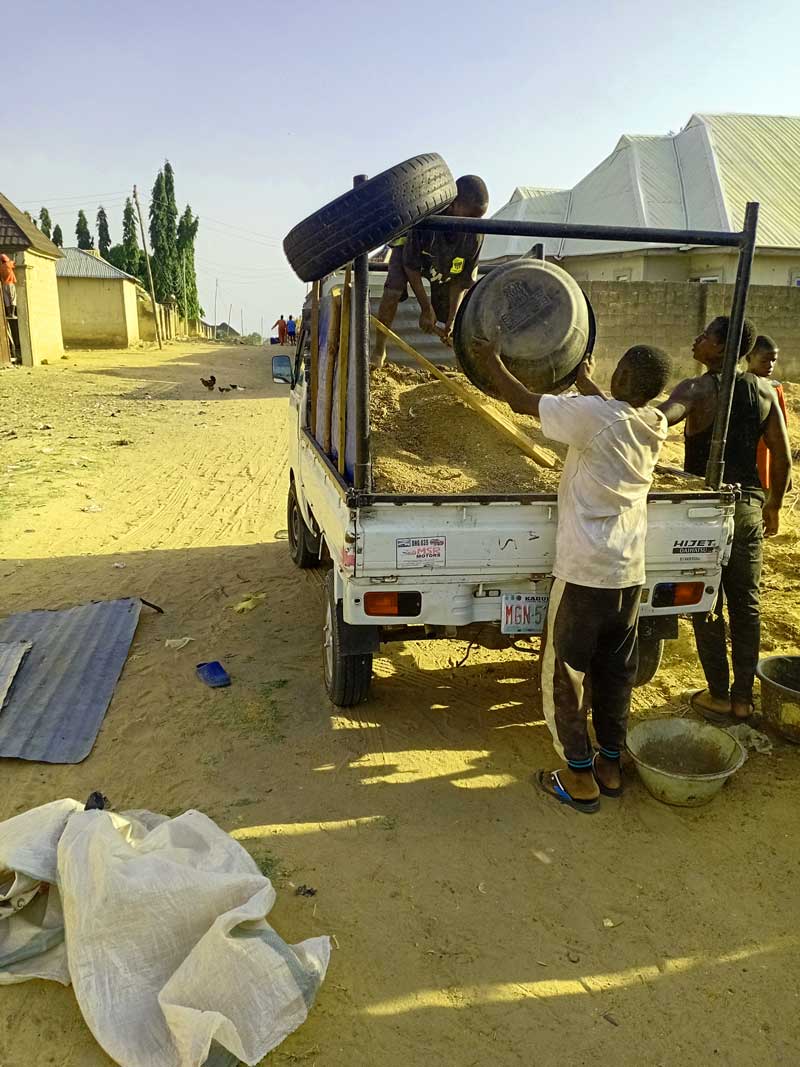
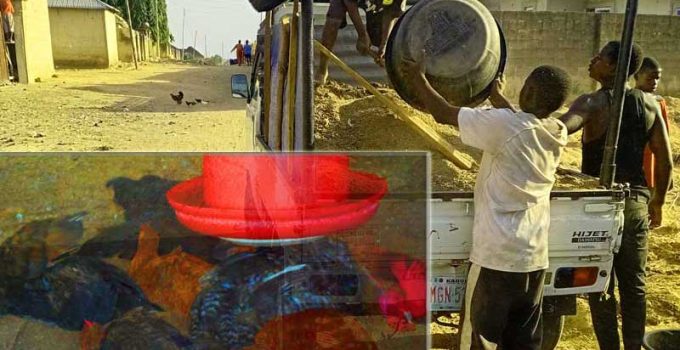
loading chicken droppings on a mini truck, for subsiquent use on the farm
The Beautiful Cycle of Farm Wealth
One of the greatest lessons in farming is learning how to recycle resources.
Nothing should go to waste.
Let us look at a simple farming cycle.
Step One: Raise Chickens
Your chickens produce eggs, meat, chicks, and droppings.
Step Two: Collect the Droppings
The droppings are gathered and composted.
Step Three: Apply to Crops
The manure improves soil fertility and crop growth.
Step Four: Harvest More Crops
The farm produces higher yields.
Step Five: Sell the Produce
You earn income from your harvest.
Step Six: Reinvest
Part of the income is used to:
- Buy more chicks.
- Improve poultry housing.
- Purchase feed.
- Expand the poultry operation.
The larger poultry flock then produces more manure.
The cycle starts again.
This is one of the most powerful examples of sustainable agriculture.
Instead of buying everything from outside the farm, the farm begins to support itself.
Important Tips for Using Chicken Droppings (Manure)
To get the best results:
Compost before Use
Fresh manure can be too strong.
Allow it to decompose before applying it to crops.
Store Properly
Keep manure under cover to prevent nutrient loss.
Apply Correctly
Use moderate quantities based on crop needs.
Combine with Good Farming Practices
Good seeds, proper weeding, and adequate water management will maximize results.
Conclusion
Chicken droppings truly deserve the name “Nature’s Gold.”
For farmers looking to reduce costs, improve soil fertility, grow healthier crops, and produce organic food, poultry manure remains one of the best resources available.
Whether sourced from poultry farms, your own backyard chickens, or local live bird markets, chicken manure offers an affordable and practical solution for improving farm productivity.
More importantly, it creates a sustainable cycle of wealth. Chickens produce droppings, droppings nourish crops, crops generate income, and that income helps farmers expand their poultry enterprises. The process repeats itself season after season.
For small-scale farmers, homestead growers, and rural households, this simple cycle can be the difference between struggling every season and building a thriving farm business.
So before you spend heavily on expensive fertilizer this season, look around your community. Nature’s Gold may already be waiting for you in the nearest poultry house, backyard chicken pen, or live bird market.
This version is written in a simple, conversational style that village farmers, homestead growers, and small-scale producers can easily relate to and apply in their own farming operations.