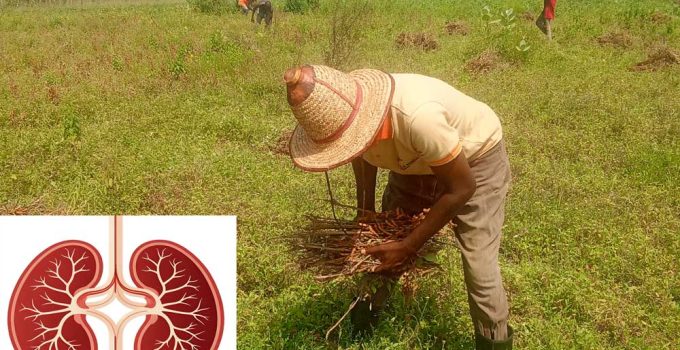
How Farmers Can Protect Their Kidneys During Hot Weather
A Practical Guide to Staying Healthy While Working in the Sun
For many farmers, the hot season is one of the busiest periods of the year. Whether you are planting maize, weeding soybeans, harvesting onions, tending goats, feeding poultry, or managing cattle, the work must continue despite the scorching sun.
Unfortunately, many farmers focus on protecting their crops and livestock while forgetting one of their most valuable assets—their own health. Among the organs that suffer the most during prolonged exposure to heat are the kidneys.
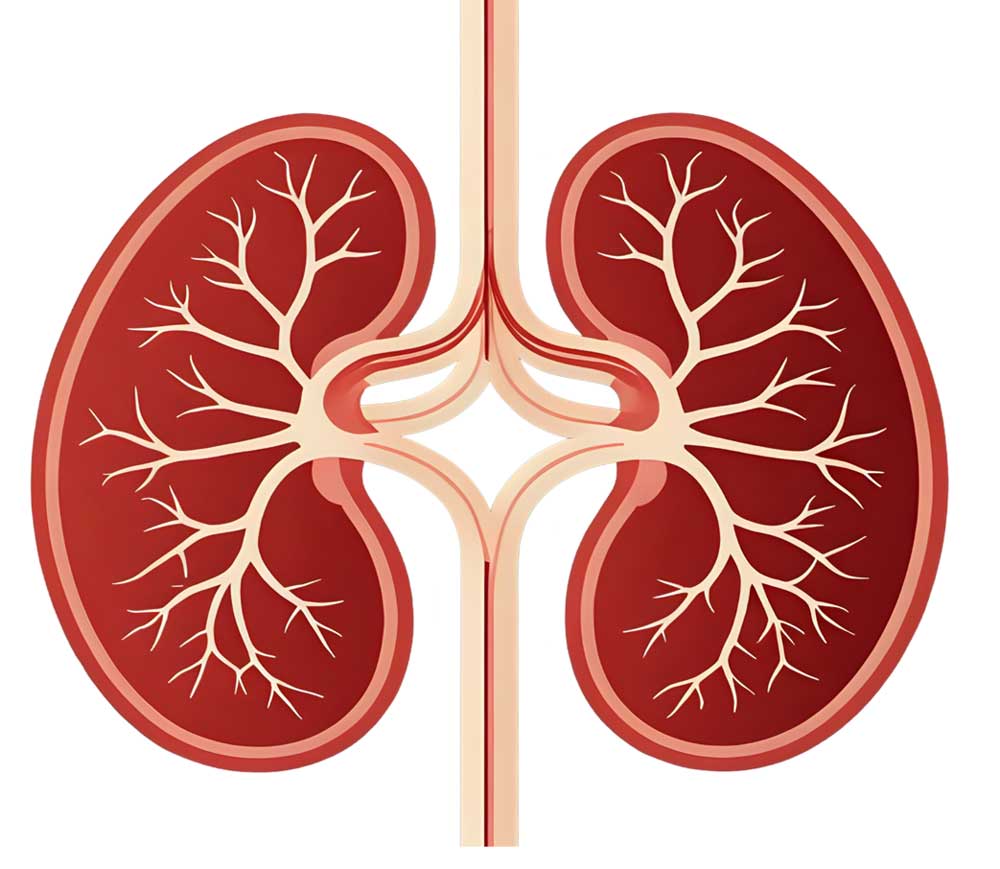
Your kidneys work silently every day to remove waste, balance fluids, regulate blood pressure, and keep your body healthy. When you spend long hours working under intense heat without enough water or proper rest, your kidneys can become overworked and damaged.
The good news is that kidney problems caused by hot weather are often preventable. By following a few simple habits, you can protect your kidneys and continue farming productively for many years.
Why Protect Kidneys During Hot Weather Is Important for Farmers
Farmers lose a lot of water through sweat, especially during land preparation, planting, weeding, harvesting, and livestock management.
Every drop of sweat contains water and important minerals. If these fluids are not replaced, your body becomes dehydrated.
When dehydration occurs:
- The kidneys receive less blood.
- Waste products become concentrated.
- The kidneys work harder.
- The risk of kidney stones increases.
- Long-term kidney damage may occur.
In many tropical countries, including Nigeria, farmers work in temperatures above 35°C (95°F), making kidney protection even more important.
Related articles:
The Biggest Mistake New Goat Farmers Make: Goat Farming Mistakes to Avoid for Better Profits
Healthy Farmer, Healthy Farm: 12 Farm Health and Safety Practices Every Farmer Must Know
Your Body Is Your First Farm Tool: 6 Health Habits Every Farmer Must Adopt After 40
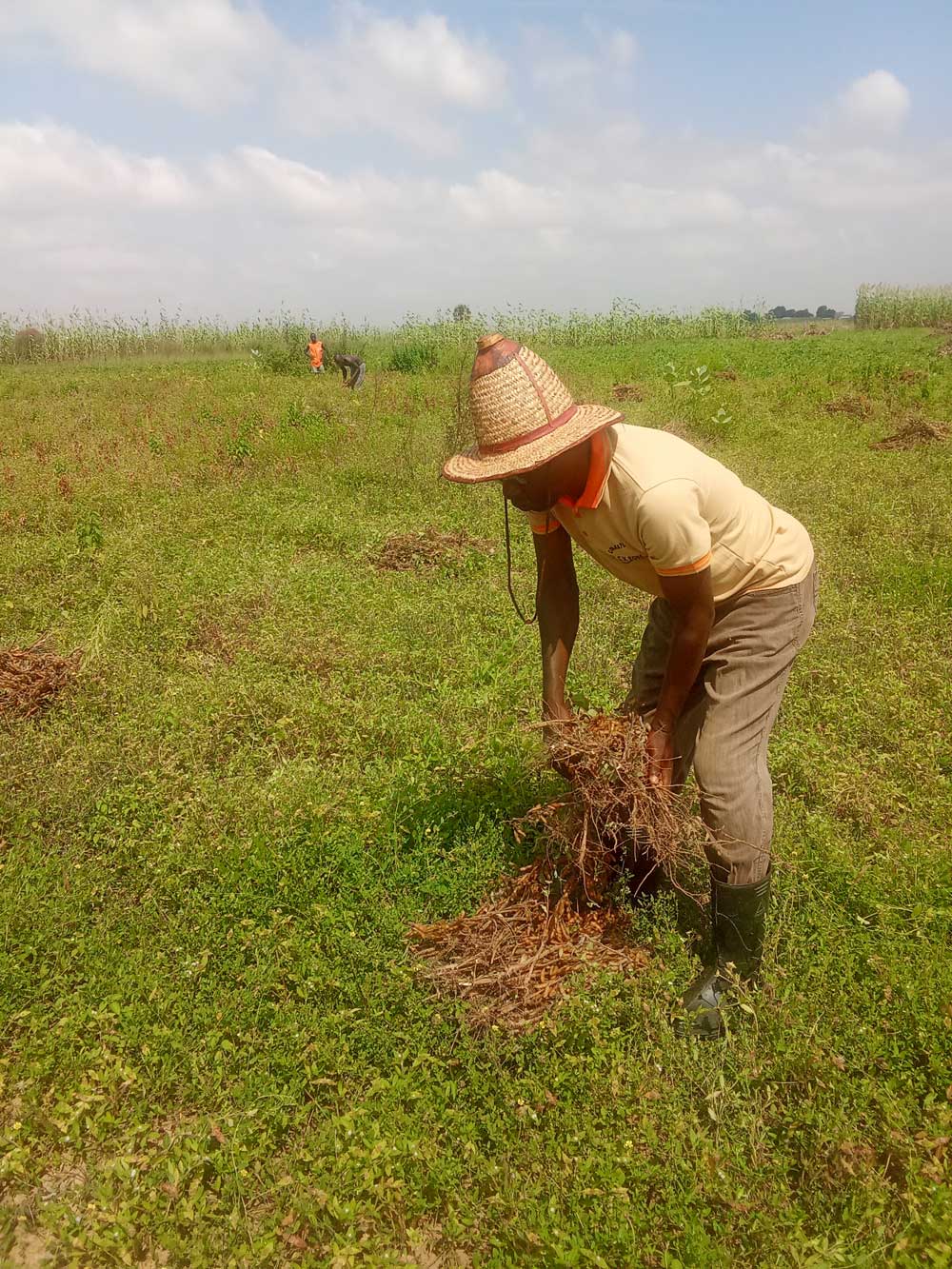
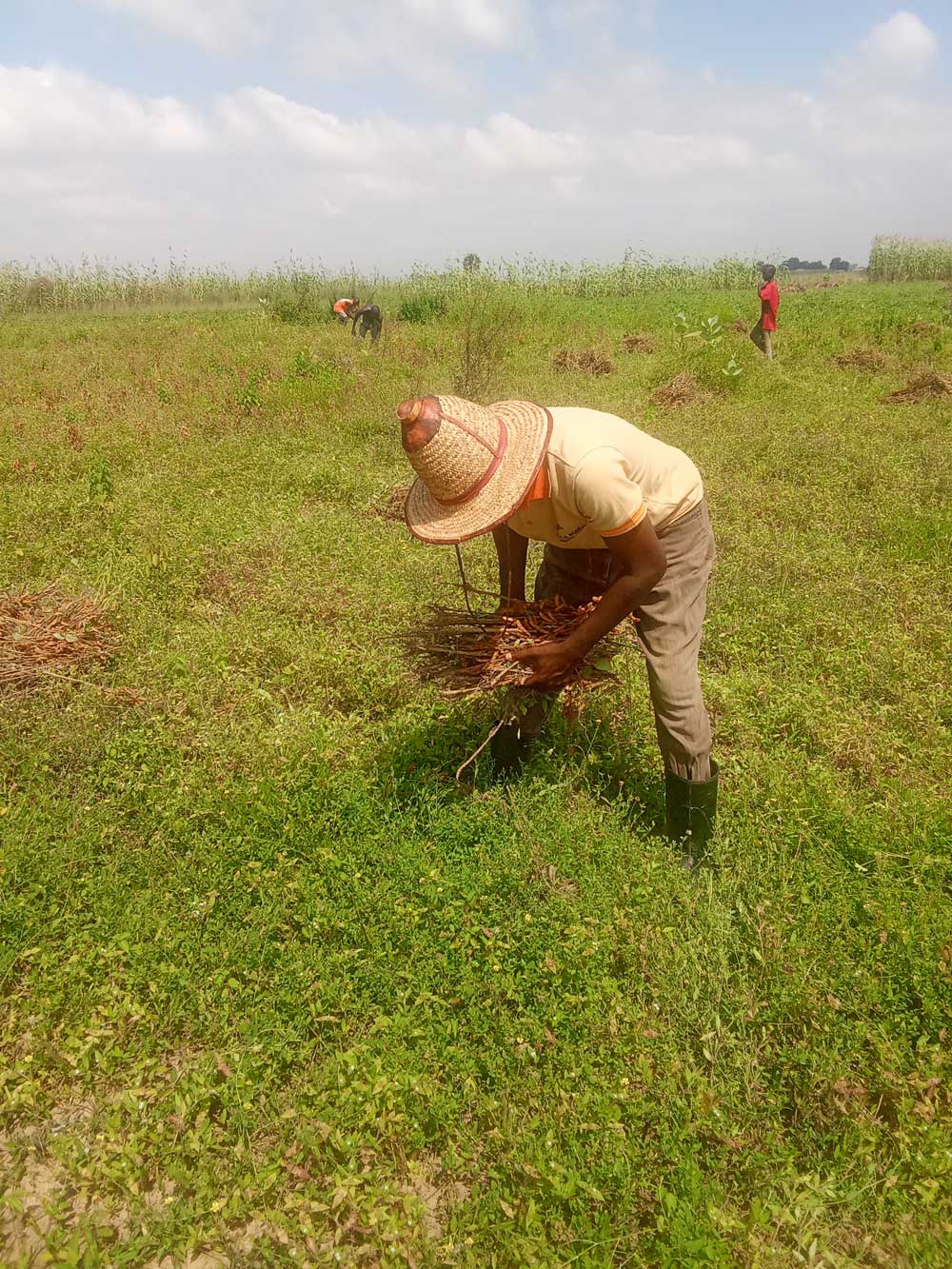
Working on the farm in the sun may lead to serious dehydration
How Hot Weather Affects Your Kidneys
Your kidneys depend on adequate water to filter waste from your blood.
When the weather becomes extremely hot:
Your body sweats excessively
Sweating is the body’s natural cooling system. However, excessive sweating causes loss of fluids.
Less blood reaches the kidneys
As dehydration worsens, blood flow to the kidneys decreases.
Waste builds up
Without enough water, waste products become concentrated inside the kidneys.
Kidney stones become more likely
Concentrated urine allows minerals to stick together and form painful kidney stones.
Acute kidney injury can occur
Severe dehydration may temporarily damage the kidneys. If repeated often, permanent kidney disease may develop.
Signs You Need to Protect Kidneys During Hot Weather
Farmers should never ignore these warning signs:
Dark yellow urine
Healthy urine is usually pale yellow.
Dark-colored urine often means you need more water.
Urinating less than usual
Reduced urine output is an early sign of dehydration.
Extreme thirst
Persistent thirst means your body is already low on fluids.
Dizziness
Feeling lightheaded while working in the field may indicate dehydration or heat exhaustion.
Muscle cramps
Heavy sweating removes important minerals like sodium and potassium.
Fatigue
Feeling unusually weak after working may be due to dehydration.
Headache
Many headaches during hot weather are caused by inadequate water intake.
If these symptoms continue even after drinking water, seek medical attention.
Related articles:
Your Body Is Your First Farm Tool: 6 Health Habits Every Farmer Must Adopt After 40
25 Tips on the Prevention, Care and Management of Snakebite
Best Ways to Protect Kidneys During Hot Weather
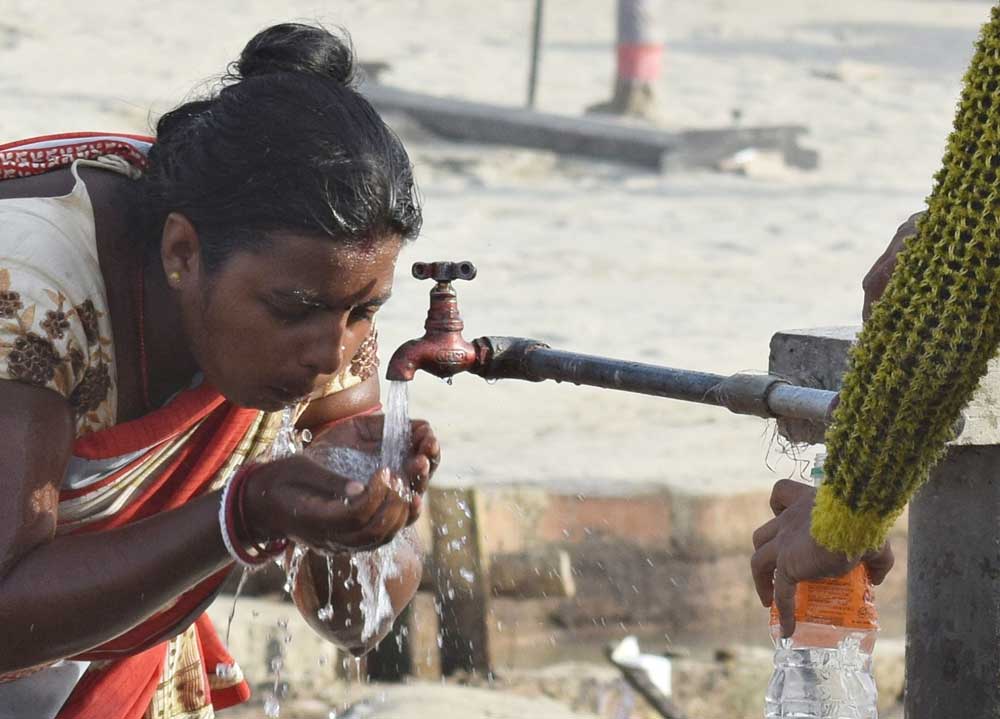
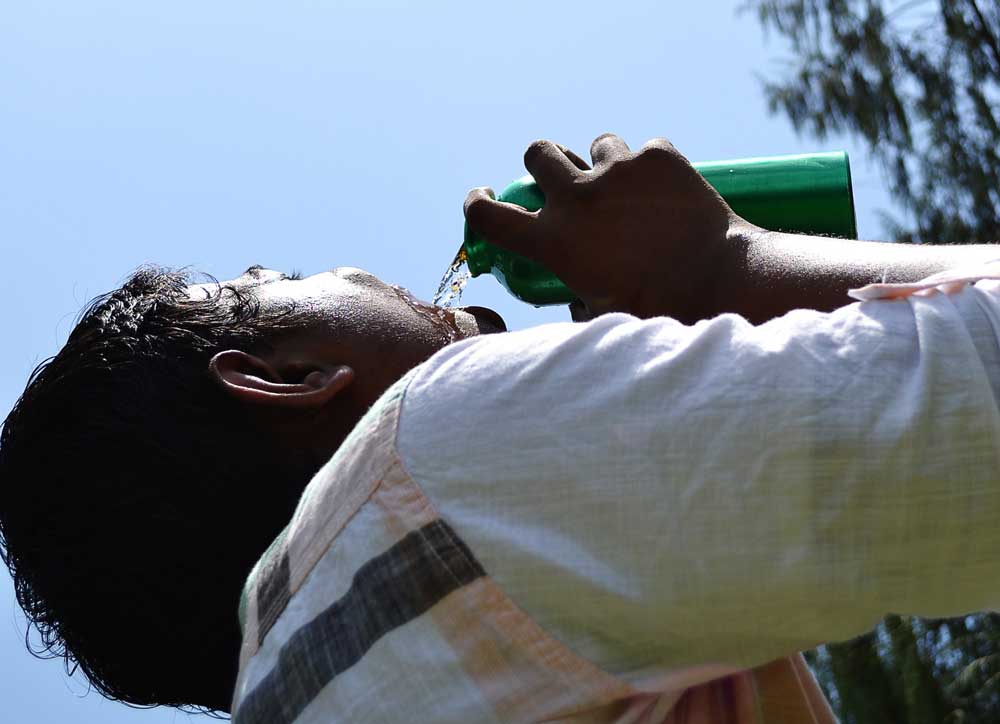
Drink Water Before You Feel Thirsty
Many farmers wait until they are extremely thirsty before drinking water.
This is a mistake.
Thirst means your body has already started becoming dehydrated.
Instead:
- Drink water before leaving home.
- Carry enough drinking water to the farm.
- Drink small amounts every 20–30 minutes.
- Continue drinking after returning home.
Water is far cheaper than treating kidney disease.
Start Farm Work Early
The hottest period of the day is usually between 11:00 a.m. and 3:00 p.m.
Whenever possible:
- Start work at sunrise.
- Complete heavy tasks before midday.
- Continue lighter work later in the evening.
This simple habit reduces heat stress significantly.
Wear Light-Colored Clothing
Dark clothing absorbs more heat.
Instead, wear:
- Light-colored shirts
- Long sleeves
- Wide-brimmed hats
- Comfortable trousers
- Breathable fabrics
These help reduce body temperature while protecting your skin from direct sunlight.
Take Regular Shade Breaks
Many hardworking farmers believe resting is laziness.
In reality, short breaks improve productivity.
Rest under a tree, farm shelter, or shaded area every hour.
Allow your body to cool down before continuing work.
Replace Lost Minerals
Heavy sweating removes more than just water.
It also removes:
- Sodium
- Potassium
- Magnesium
Eat foods rich in these nutrients, such as:
- Bananas
- Oranges
- Watermelon
- Coconut water
- Tomatoes
- Leafy vegetables
A balanced diet helps maintain healthy kidney function.
Related articles:
5 Reasons Why Free-Range Noilers Thrive: A Complete Farmer’s Guide
Cashing In With Soybeans Farming, Why You Need To Re-Visit It.
Foods That Help Protect Kidneys During Hot Weather
Healthy kidneys benefit from nutritious foods.
Farmers should include:
Fresh fruits
Examples include:
- Watermelon
- Pawpaw
- Orange
- Pineapple
These provide water and essential vitamins.
Vegetables
Eat more:
- Spinach
- Pumpkin leaves
- Okra
- Cabbage
These provide antioxidants that support kidney health.
Whole grains
Foods such as maize, millet, sorghum, and brown rice provide steady energy without excessive sugar.
Healthy protein
Choose:
- Fish
- Eggs
- Beans
- Moderate portions of lean meat
Avoid eating excessive amounts of processed meat regularly.
Avoid Habits That Can Harm Your Kidneys During Hot Weather
Too Many Sugary Drinks
Soft drinks and energy drinks may taste refreshing but often contain large amounts of sugar and caffeine.
Water remains the best choice.
Excess Alcohol
Alcohol increases dehydration.
Avoid drinking alcohol immediately after working under the hot sun.
Too Much Salt
Very salty foods increase thirst and may contribute to high blood pressure, another major cause of kidney disease.
Reduce:
- Salted snacks
- Excess seasoning cubes
- Processed foods
Misuse of Painkillers
Some farmers frequently take painkillers for body aches after farm work.
Frequent use of medicines such as ibuprofen or diclofenac without medical advice can increase the risk of kidney damage, especially when dehydrated.
Always use medicines responsibly and consult a healthcare professional if pain persists.
Farmers with Higher Risk Need Extra Kidney Protection During Hot Weather
Some farmers should be especially careful.
These include farmers with:
- Diabetes
- High blood pressure
- Kidney stones
- Previous kidney disease
- Heart disease
- Older age (above 50 years)
These individuals should drink adequate water, avoid dehydration, and attend regular medical check-ups.
Simple Daily Routine to Protect Kidneys During Hot Weather
Here is a practical routine:
Before leaving for the farm
- Drink one or two glasses of water.
- Eat a healthy breakfast.
During farm work
- Drink water regularly.
- Rest in the shade every hour.
- Avoid working continuously during extreme afternoon heat.
After work
- Continue drinking water.
- Eat fruits and vegetables.
- Take a bath to cool your body.
- Get enough sleep for recovery.
Small daily habits can prevent serious health problems.
Common Myths About Protecting Kidneys During Hot Weather
Myth 1: “Only old people develop kidney disease.”
False.
Young, hardworking farmers can also develop kidney damage from repeated dehydration.
Myth 2: “If I’m sweating, I’m healthy.”
Not always.
Heavy sweating without replacing fluids may actually increase the risk of kidney injury.
Myth 3: “Soft drinks replace water.”
False.
Water is still the best drink for hydration.
Myth 4: “I don’t need water because I don’t feel thirsty.”
False.
By the time you feel thirsty, dehydration has often already started.
Final Thoughts on How to Protect Kidneys During Hot Weather
Your farm depends on your strength, and your strength depends on your health. While it is easy to become focused on crops, livestock, and daily farm tasks, never forget that your kidneys work tirelessly to keep your body functioning.
Protecting your kidneys during hot weather doesn’t require expensive equipment or complicated treatments. Simple habits, drinking enough clean water, avoiding prolonged dehydration, wearing appropriate clothing, taking breaks in the shade, eating a balanced diet, and using medicines responsibly, can make a huge difference.
Remember, a healthy farmer is more productive, makes better decisions, and can continue providing food for the family and the community for many years to come.
Take care of your kidneys today, and they will take care of you tomorrow.
Frequently Asked Questions (FAQs)
Can dehydration permanently damage the kidneys?
Yes. Repeated episodes of severe dehydration can increase the risk of chronic kidney disease over time.
How much water should farmers drink during hot weather?
There is no single amount for everyone, but farmers working in hot conditions should drink water regularly throughout the day rather than waiting until they feel thirsty. Your needs depend on the temperature, workload, and how much you sweat.
Is coconut water good for kidney health?
For most healthy people, coconut water can help replace fluids and some minerals lost through sweating. However, people with kidney disease should ask their healthcare provider before drinking it regularly because it contains potassium.
Can heat alone cause kidney problems?
Extreme heat combined with dehydration can reduce blood flow to the kidneys, increasing the risk of acute kidney injury, especially if it happens repeatedly.
When should a farmer see a doctor?
Seek medical attention if you notice very little urine, persistent dark urine despite drinking water, severe dizziness, swelling, blood in the urine, or pain in your lower back or sides that does not improve.