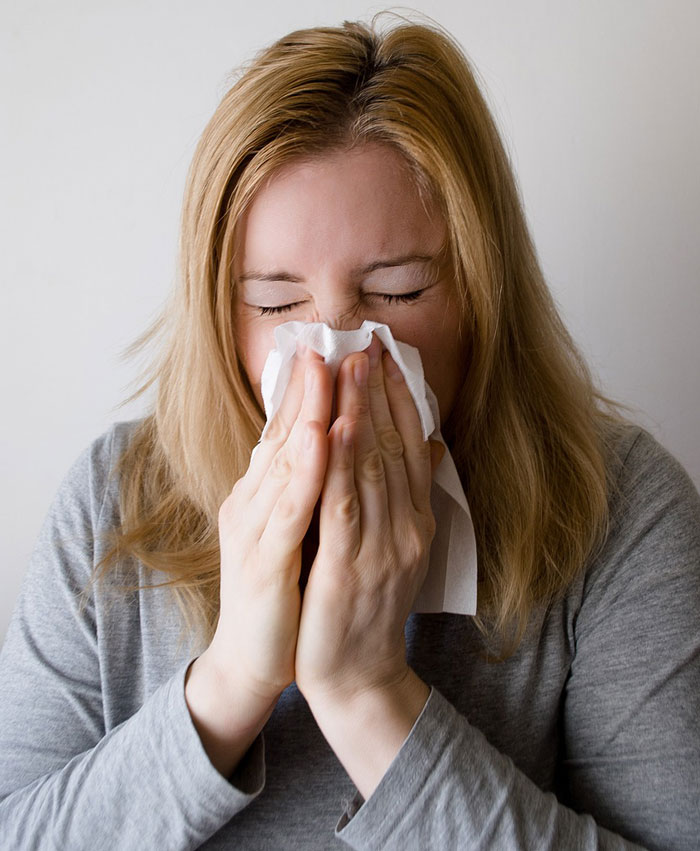
Farmer Health Check: Why Regular Medical Check-ups Are as Important as Fertilising Your Crops
Every successful farmer understands one simple truth: if you neglect your crops or livestock, your harvest or production will suffer.
Crops need fertile soil, enough water, proper weed control, and the right fertiliser to produce good yields. Livestock also need quality feed, clean water, vaccination, and regular care to remain healthy.
But here is a question worth asking:
Who is taking care of the farmer?
Many farmers spend thousands of naira every season buying seeds, fertilizers, herbicides, feeds, and veterinary drugs, yet they hardly spend time checking their own health. Unfortunately, many only visit the hospital when they become seriously ill.
The truth is that your body is your most valuable farming equipment. If your health breaks down, your farm activities may slow down or even stop completely.
That is why a Farmer Health Check should become part of every farming season, just like fertilising your crops.

Why Every Farmer Needs a Farmer Health Check
Farming is one of the hardest occupations in the world. Whether you grow maize, rice, soybeans, vegetables, cassava, or rear poultry, goats, sheep, cattle, or fish, your body works every single day.
Farmers often:
- Lift heavy loads.
- Walk long distances.
- Work under the hot sun.
- Spray herbicides and pesticides.
- Handle livestock.
- Drive tractors and motorcycles.
- Spend long hours bending or squatting.
Over time, these activities place enormous pressure on the body.
A regular Farmer Health Check helps detect health problems early before they become serious or expensive to treat.
Related articles:
Mental Health in Farming: How to Cope with Stress, Crop Failure, and Financial Pressure
6 Health-Boosting Benefits of Farming You Need to Know
How Farmers Can Protect Their Kidneys During Hot Weather: A Practical Guide for Every Farmer
Farming Success Starts with Good Health
Many people think successful farming depends only on good rainfall, improved seeds, quality fertilizers, or high market prices.
Those things are important.
However, they become less useful if the farmer is constantly sick.
Imagine preparing 20 hectares of maize only to fall seriously ill during fertilizer application or harvesting season.
Imagine having a poultry farm but being hospitalised when your birds need daily care.
Your health directly affects your productivity, income, and your family’s well-being.
Healthy farmers make better decisions, supervise workers effectively, and respond quickly to farm emergencies.
Health Problems Farmers Commonly Ignore
One of the biggest mistakes farmers make is ignoring small symptoms.
Many believe:
- “It will go away.”
- “It is just stress.”
- “I don’t have time for hospital visits.”
Unfortunately, some serious illnesses begin with mild symptoms.
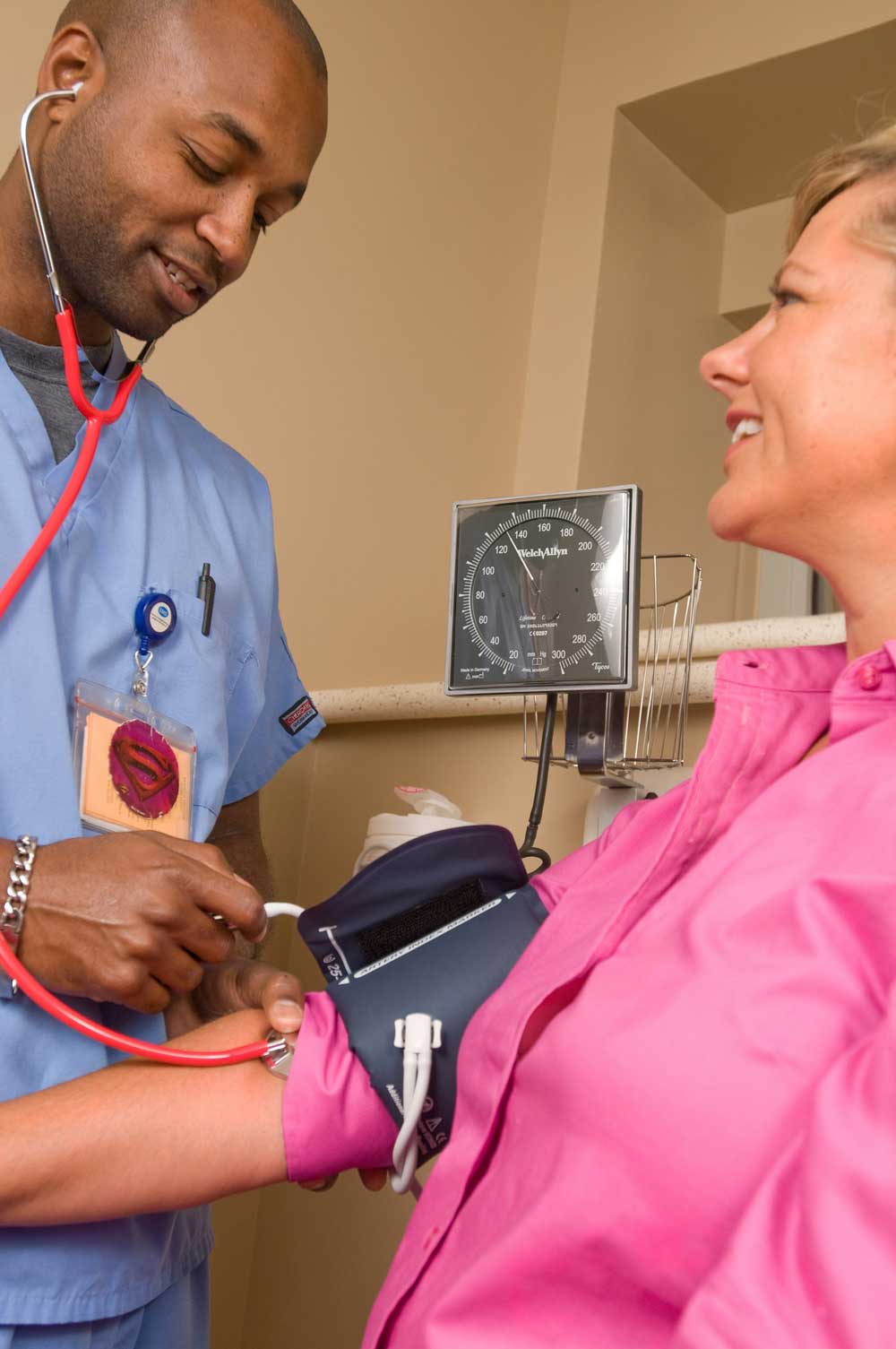
A Farmer Health Check can help identify conditions like:
- High blood pressure
- Diabetes
- Kidney disease
- Liver problems
- Eye problems
- Hearing loss
- Arthritis
- Back pain
- Lung diseases
- Skin infections
- Prostate problems in men
- Breast and cervical problems in women
When detected early, many of these conditions can be controlled successfully.
Related articles:
Chemical Safety for Farmers: Practical Health Measures to Prevent Chemical-Related Illnesses
9 Smart Survival Strategies Farmers Are Using to Stay Profitable
Farming Is Not Fast Money: But Here Is the Truth about Making Money through Farming
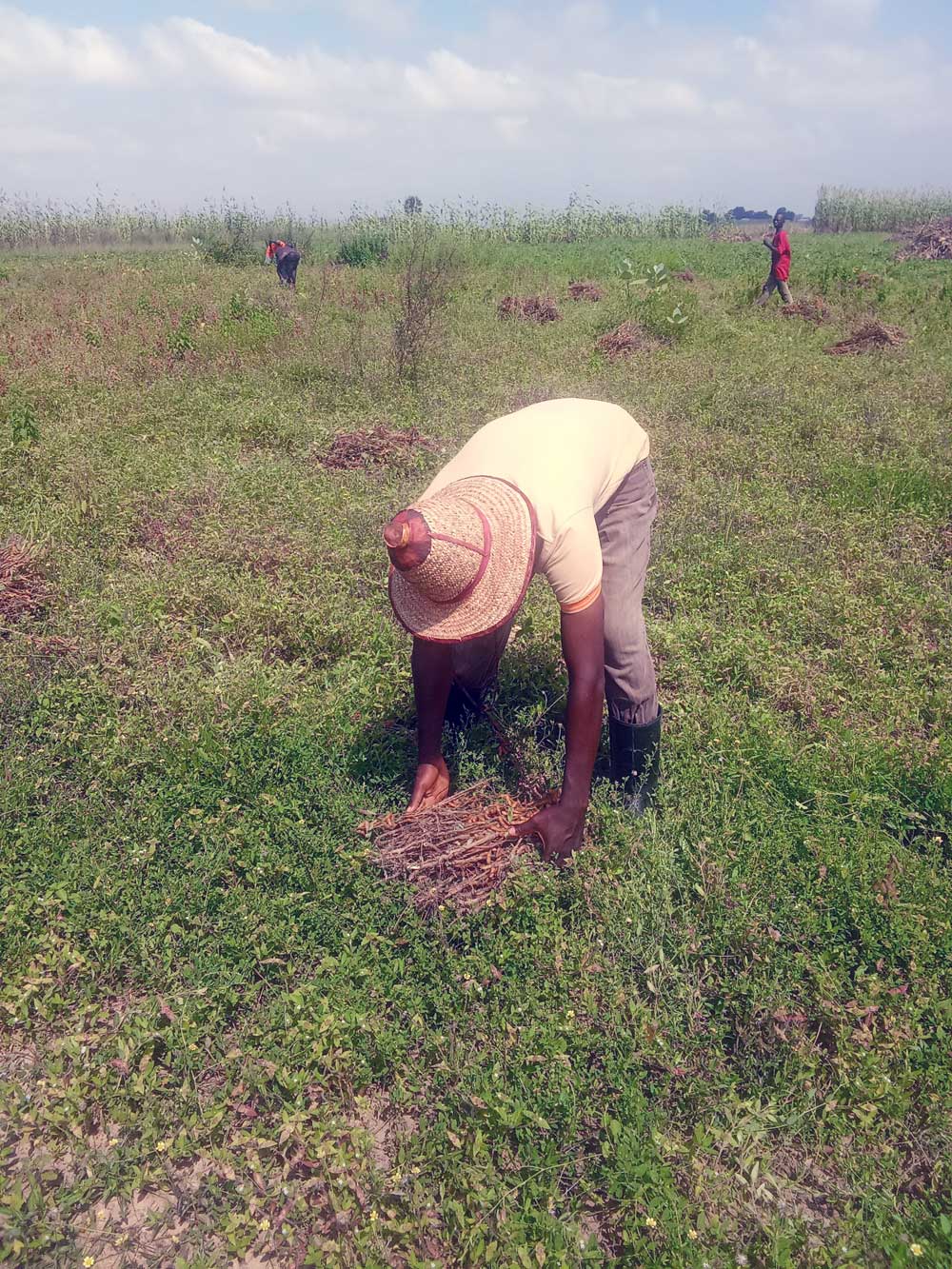
Working on the farm everyday put a strain on the farmers body
The Hidden Dangers Farmers Face Every Day
Farmers face health risks that many office workers rarely experience.
Working Under Extreme Heat
Long hours under the hot sun can lead to:
- Dehydration
- Heat exhaustion
- Heat stroke
- Kidney stress
Drinking enough clean water and having regular health checks can reduce these risks.
Exposure to Chemicals
Herbicides, pesticides, fungicides, and insecticides are useful on the farm, but careless handling can affect your health.
Long-term exposure may affect:
- The lungs
- The skin
- The eyes
- The nervous system
Always wear protective clothing when spraying chemicals.
If you spray frequently, mention this during your Farmer Health Check.
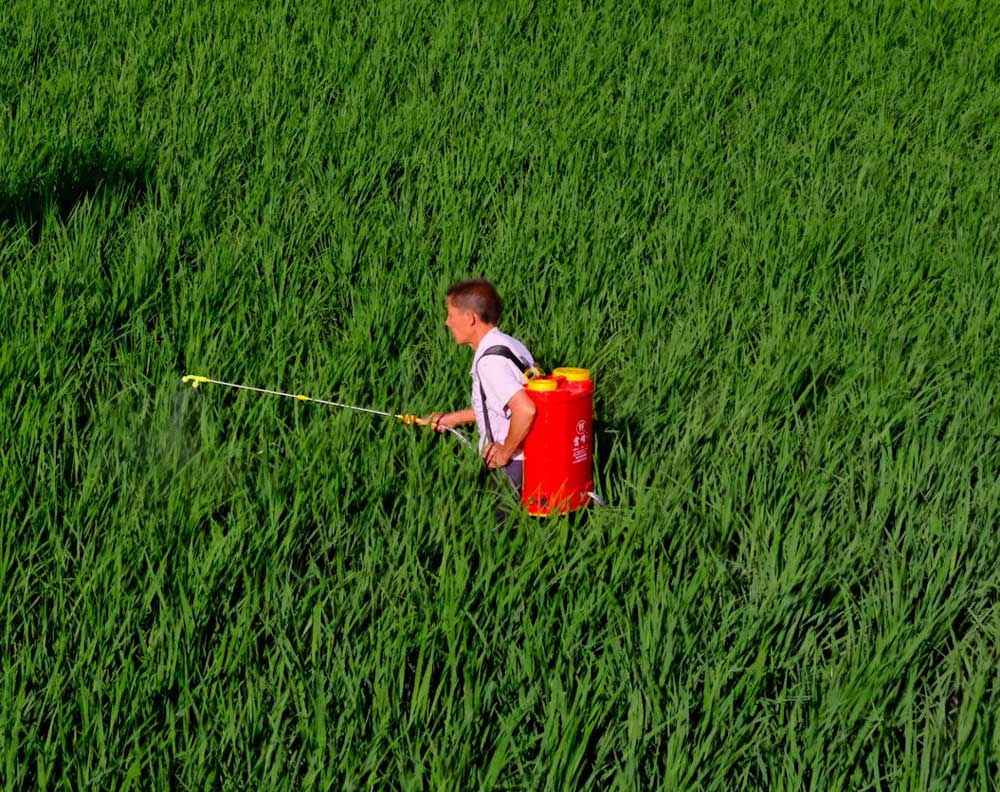
Farmers a expose the hazardous chemicals, such as herbicides and pesiticides everyday
Related articles:
How to Use Water therapy (hydrotherapy) in Its Various Form for Your Health Benefit
Dust Exposure
Handling maize, soybean, wheat, poultry feed, or animal bedding produces dust.
Breathing large amounts of dust over many years can contribute to:
- Allergies
- Persistent cough
- Asthma
- Other breathing problems
Using a face mask during dusty activities is a simple but effective habit.
Heavy Lifting
Many farmers regularly carry:
- Fertilizer bags
- Feed bags
- Harvested crops
- Water containers
Improper lifting can lead to:
- Back pain
- Shoulder injuries
- Knee problems
- Muscle strains
Regular medical examinations help monitor these issues before they worsen.
What Should a Farmer Health Check Include?
A routine health check does not always involve expensive tests.
Depending on your age, health history, and doctor’s advice, it may include:
- Blood pressure measurement
- Blood sugar test
- Weight and body mass index (BMI)
- Kidney function test
- Liver function test
- Cholesterol test
- Eye examination
- Dental check-up
- Urine test
- Hearing assessment
Older farmers may also benefit from additional age-related screening tests.
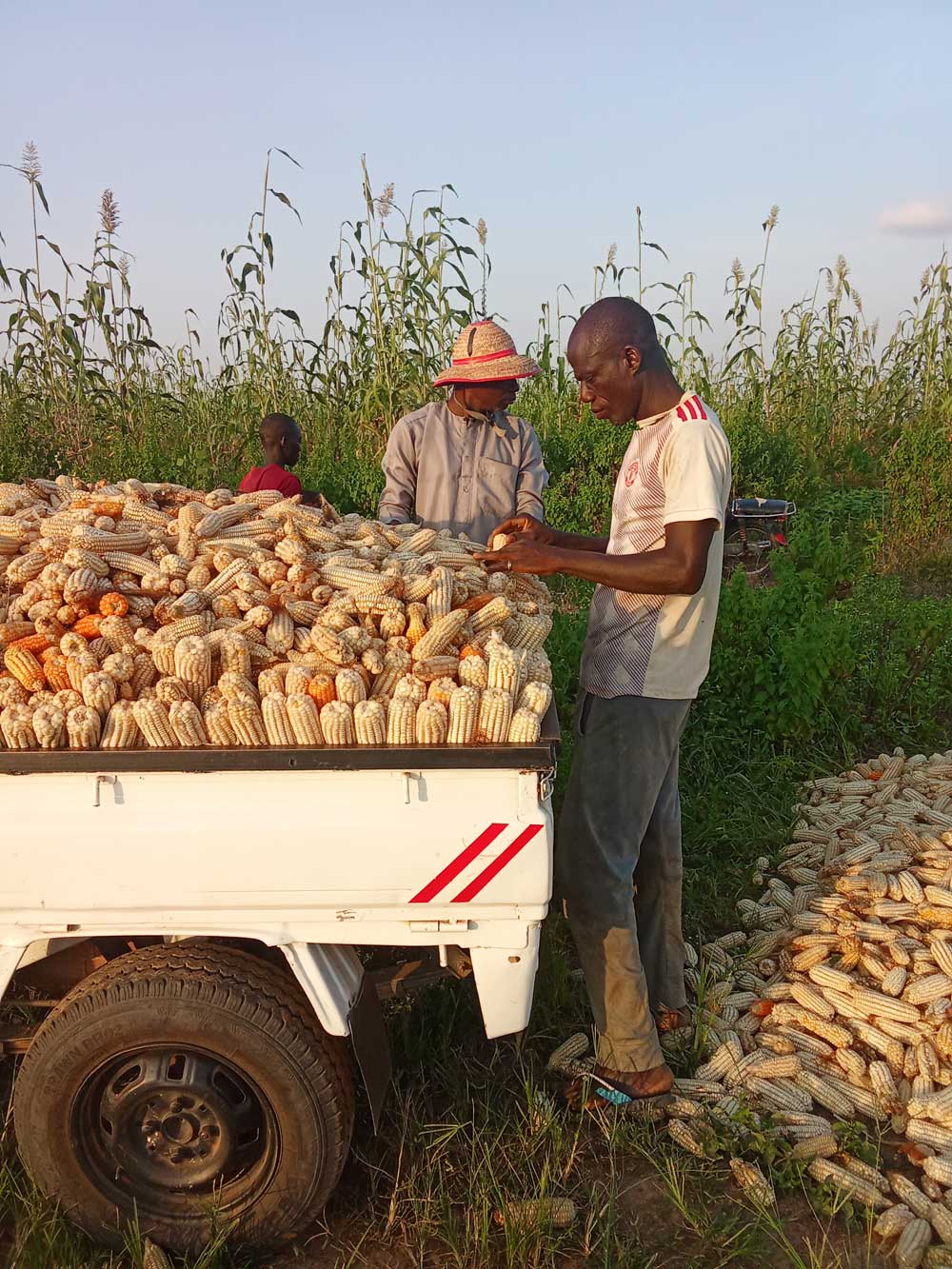
Harvesting maize
Don’t Wait Until You Are Seriously Sick
One common mistake among farmers is believing that feeling strong means being healthy.
Many illnesses show no warning signs during the early stages.
For example:
High blood pressure may have no symptoms.
Early diabetes may not cause obvious discomfort.
Kidney disease may progress silently for years.
Regular Farmer Health Check appointments can detect these problems before they damage vital organs.
Early treatment is usually easier, cheaper, and more successful.
Healthy Farmers Produce Better Results
Good health improves every aspect of farming.
Healthy farmers are more likely to:
- Work longer without excessive fatigue.
- Think clearly.
- Make better financial decisions.
- Detect disease outbreaks quickly.
- Manage workers efficiently.
- Reduce costly medical emergencies.
- Enjoy farming for many years.
Simply put, healthy farmers are more productive farmers.
Simple Habits That Support a Farmer Health Check
Hospital visits alone are not enough.
Daily healthy habits make a big difference.
These include:
Drink enough water
Especially during the dry season and while working under the sun.
Eat balanced meals
Include:
- Fruits
- Vegetables
- Beans
- Fish
- Eggs
- Whole grains
Reduce excessive sugary drinks and highly processed foods.
Get enough sleep
Your muscles and brain recover while you sleep.
Aim for 7–9 hours whenever possible.
Exercise beyond farm work
Although farming is physically demanding, gentle stretching and flexibility exercises help reduce muscle stiffness and improve mobility.
Avoid smoking
Smoking increases the risk of heart disease, stroke, lung disease, and several cancers.
Limit alcohol
Excessive alcohol can damage the liver, heart, and nervous system.
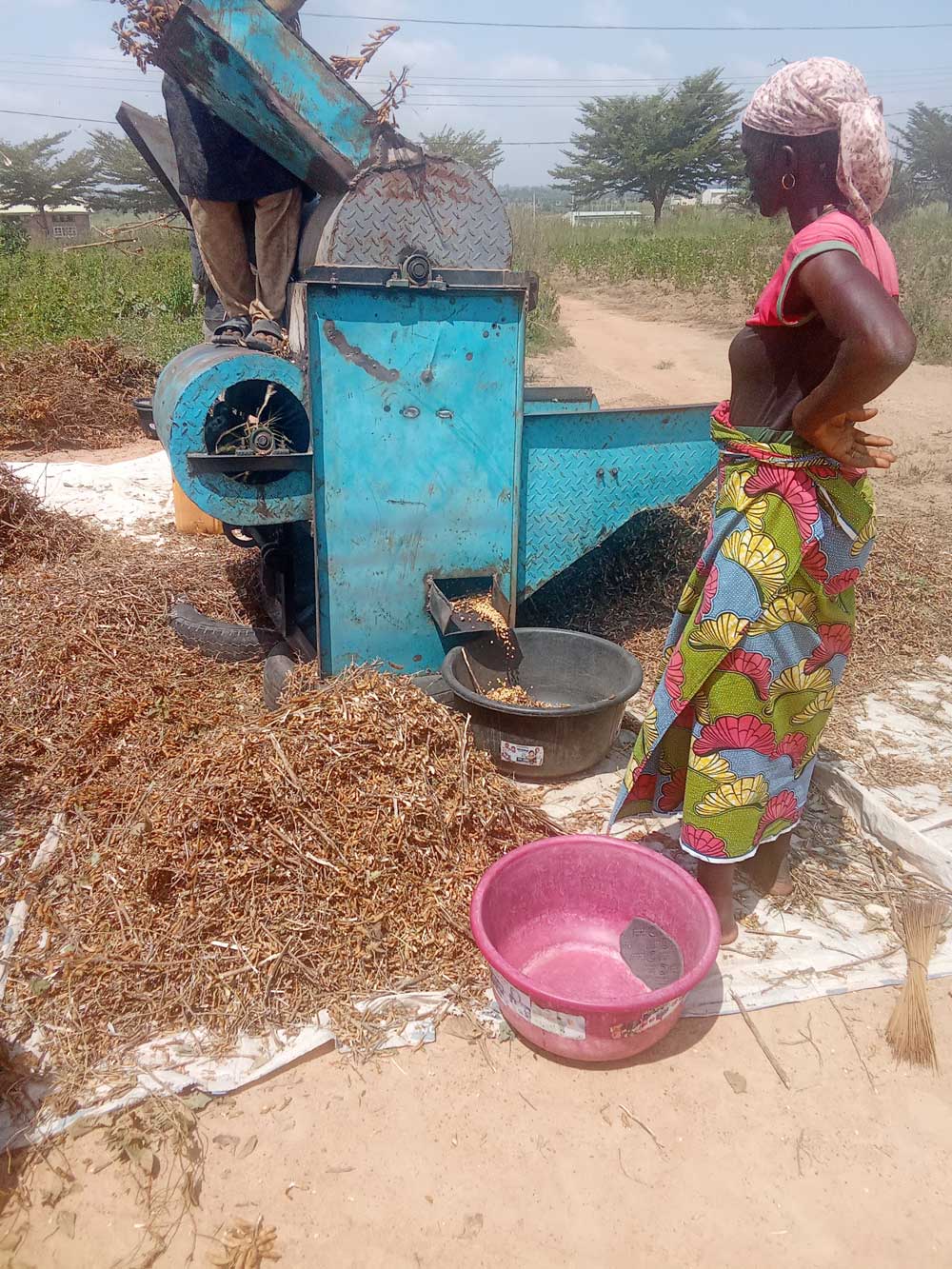
soybeans harvest
Mental Health Matters Too
Many farmers carry heavy emotional burdens.
These include:
- Rising production costs
- Poor rainfall
- Floods
- Pest attacks
- Crop failure
- Low market prices
- Loan repayments
Stress affects both the mind and the body.
If you constantly feel anxious, depressed, or unable to cope, seek professional help.
Talking to trusted family members, friends, healthcare professionals, or farmer groups can also help.
A Farmer Health Check should include discussions about mental well-being, not just physical illness.
Encourage Your Family to Get Checked Too
A healthy farming family is a stronger farming family.
Encourage:
- Your spouse
- Your children
- Farm workers
- Elderly parents
to have regular medical examinations.
Healthy families provide stronger support during busy farming seasons.
Think of Your Health Like Your Farm
Every planting season, farmers invest in:
- Improved seeds
- Fertilizer
- Herbicides
- Irrigation
- Machinery maintenance
These investments increase productivity.
Your body deserves the same attention.
A medical check-up is not an unnecessary expense.
It is an investment in your future harvests, your income, and your family.
When your health is strong, your farm has a better chance of succeeding year after year.
Conclusion
A neglected crop eventually shows signs of poor growth. In the same way, a neglected body will eventually show signs of illness.
As farmers, we often remember to fertilise our crops, vaccinate our animals, repair our equipment, and service our tractors.
Yet many of us forget to care for the one resource that keeps the entire farm running ourselves.
Make a Farmer Health Check part of your yearly farming calendar. Schedule regular medical examinations, eat nutritious foods, stay hydrated, wear protective equipment when handling chemicals, and never ignore unusual symptoms.
Remember, healthy farmers often manage the healthiest farms.
Take care of your health today so you can continue feeding your family, your community, and the nation for many years to come.