10 Costly Broiler Farming Mistakes That Keep Farmers Poor (And How to Avoid Every One of Them)
Broiler farming remains one of the most profitable livestock businesses for small-scale, medium-scale, and commercial poultry farmers.
With proper management, healthy broilers can reach market weight within six to eight weeks, giving farmers a relatively quick return on investment.
Unfortunately, many poultry farmers invest heavily in quality chicks, expensive feed, vaccines, and medications, yet still struggle to make good profits.
In many cases, the problem is not the cost of production alone, it is a series of Broiler Farming Mistakes that quietly reduce productivity and profitability.
Some of these mistakes may appear minor, but they can lead to poor growth, high mortality, excessive feed consumption, disease outbreaks, and delayed marketing.
Over time, these losses accumulate and keep many farmers from expanding their poultry businesses.
The encouraging news is that nearly all these Broiler Farming Mistakes can be prevented through better planning, proper management, and continuous learning.
Whether you are raising 100 birds or 20,000 birds, avoiding these common mistakes can significantly improve your flock’s health and your farm’s profits.
-
Broiler Farming Mistakes That Begin with Buying Poor-Quality Day-Old Chicks
Every successful poultry production cycle begins with healthy day-old chicks.
One of the most expensive Broiler Farming Mistakes is purchasing chicks simply because they are cheaper or readily available.
Poor-quality chicks rarely develop into high-performing broilers, regardless of how much quality feed or medication you provide later.
How to Identify Healthy Chicks and Avoid Broiler Farming Mistakes
Healthy chicks should have:
- Bright, alert eyes
- Properly healed navels
- Clean and fluffy feathers
- Strong legs
- Active movement
- Uniform body size
- No physical deformities
Weak chicks often struggle to compete for feed and water, become stressed more easily, and are more susceptible to diseases.
How to Avoid This Broiler Farming Mistake
Always buy chicks from reputable hatcheries or trusted distributors with proven records of producing healthy birds.
Request vaccination information where applicable, inspect the chicks before purchase, and avoid mixing chicks from different sources in the same brooding house.
Remember:
Healthy broilers always begin with healthy chicks.
Related articles:
8 Things Successful Broiler Farmers Never Skip
-
Poor Brooding Management: One of the Most Common Broiler Farming Mistakes
The first fourteen days determine much of a broiler’s future performance.
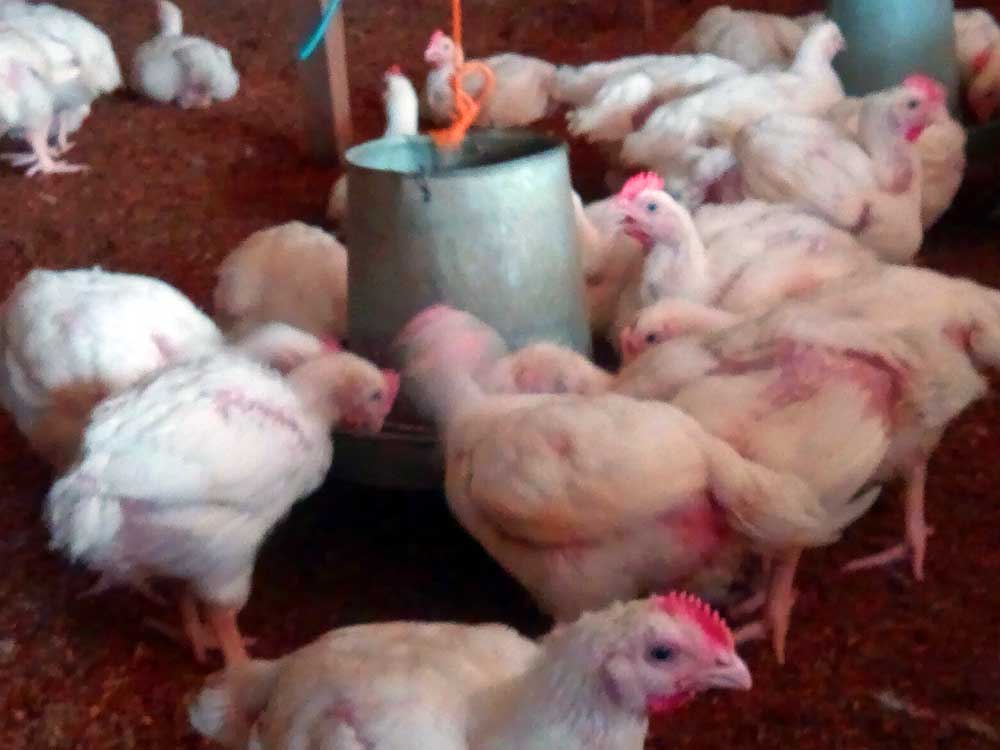
Many Broiler Farming Mistakes occur during brooding because farmers underestimate how sensitive young chicks are to temperature changes.
If chicks become too cold, they huddle together, eat less, and become stressed. If the brooder is too hot, they move away from the heat source, pant excessively, and become dehydrated.
Both situations reduce early growth and weaken immunity.
Signs Your Brooding Temperature Is Correct
Your chicks should:
- Spread evenly throughout the brooder
- Eat actively
- Drink frequently
- Rest comfortably
- Produce soft, contented chirping sounds
How to Avoid This Broiler Farming Mistake
Prepare your brooder at least 24 hours before the chicks arrive. Ensure the litter is clean and dry, provide sufficient feeders and drinkers, and maintain the correct brooding temperature while monitoring the birds regularly.
Never rely only on a thermometer, observe the chicks’ behaviour, as they often reveal whether conditions are comfortable.
Related articles:
5 Brutal Reasons Broiler Farmers Struggle to Make Profit (And How you can Fix Them)
Broilers Heat, And Heavy Losses: 5 Painful Lessons That Changed How I Raise Broilers Forever
-
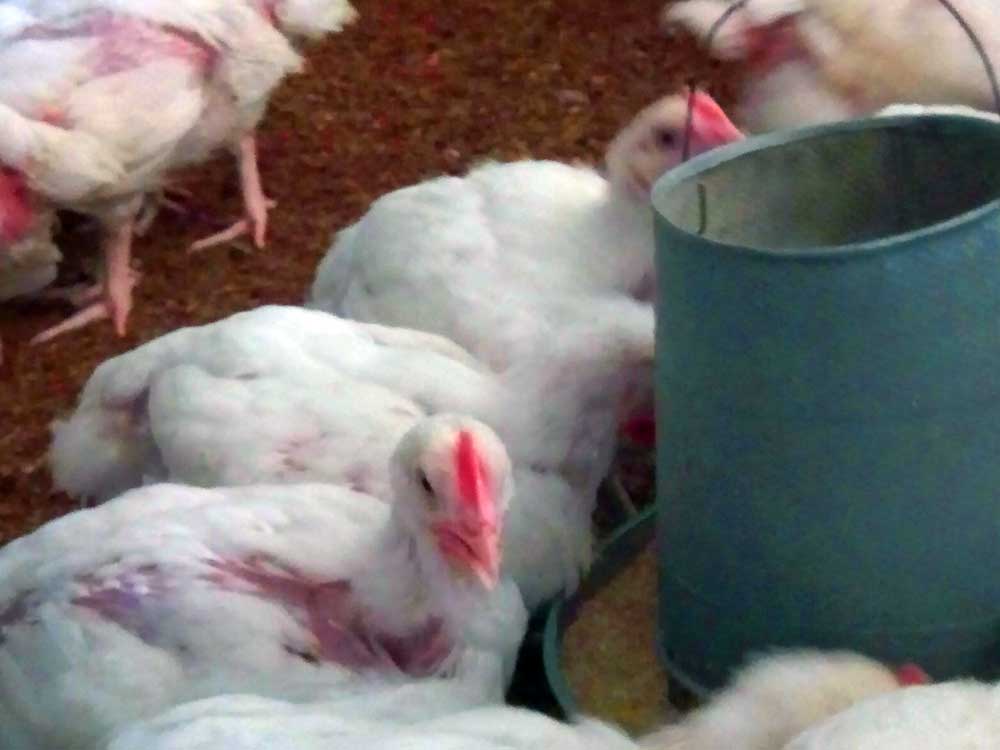
Overcrowding: A Broiler Farming Mistake That Reduces Growth
Many farmers believe that keeping more birds in a small space automatically increases profits.
Unfortunately, overcrowding is among the most damaging Broiler Farming Mistakes.
When too many birds occupy limited space, several problems quickly develop.
Problems Caused by Overcrowding
- Poor air circulation
- Increased heat stress
- Wet litter
- Faster disease transmission
- Greater competition for feed and water
- Slower weight gain
- Higher mortality
Overcrowded birds expend more energy competing instead of growing.
How to Avoid This Broiler Farming Mistake
Maintain the recommended stocking density for your housing system. Ensure birds have enough space to move freely, access feeders and drinkers comfortably, and rest without constant disturbance.
Providing adequate floor space improves bird welfare, growth rate, and feed conversion.
-
Feeding Poor-Quality Feed: One of the Costliest Broiler Farming Mistakes
Feed represents approximately 65–75% of the total production cost in broiler farming.
Because of rising feed prices, some farmers purchase cheaper feeds or reduce feed quality in an attempt to save money.
Ironically, this becomes one of the most expensive Broiler Farming Mistakes.
Poor-quality feed often results in:
- Slow growth
- Poor feed conversion
- Weak immune systems
- Uneven flock size
- Longer production periods
Birds consume more feed while gaining less weight, increasing the cost of production.
How to Avoid This Broiler Farming Mistake
Purchase feed from reputable manufacturers or formulate balanced rations using quality ingredients.
Store feed in a dry, well-ventilated area and protect it from moisture, rodents, insects, and mould.
Feed should always be fresh, clean, and appropriate for the birds’ age and stage of production.
Related articles:
Rainy Season Nightmare: How Damp or Wet Litter is Secretly Killing Your Broiler Profits
Discover the Secrets to Sustainable Broiler Farming Success!
-
Ignoring Clean Water: A Serious Hidden Broiler Farming Mistake
Many poultry farmers focus heavily on feed while paying little attention to water quality.
Yet water is one of the most important nutrients in poultry production.
Dirty water reduces feed intake, encourages bacterial growth, spreads diseases, and lowers bird performance.
Why Clean Water Matters
Water supports:
- Digestion
- Nutrient absorption
- Body temperature regulation
- Healthy metabolism
- Faster growth
How to Avoid This Broiler Farming Mistake
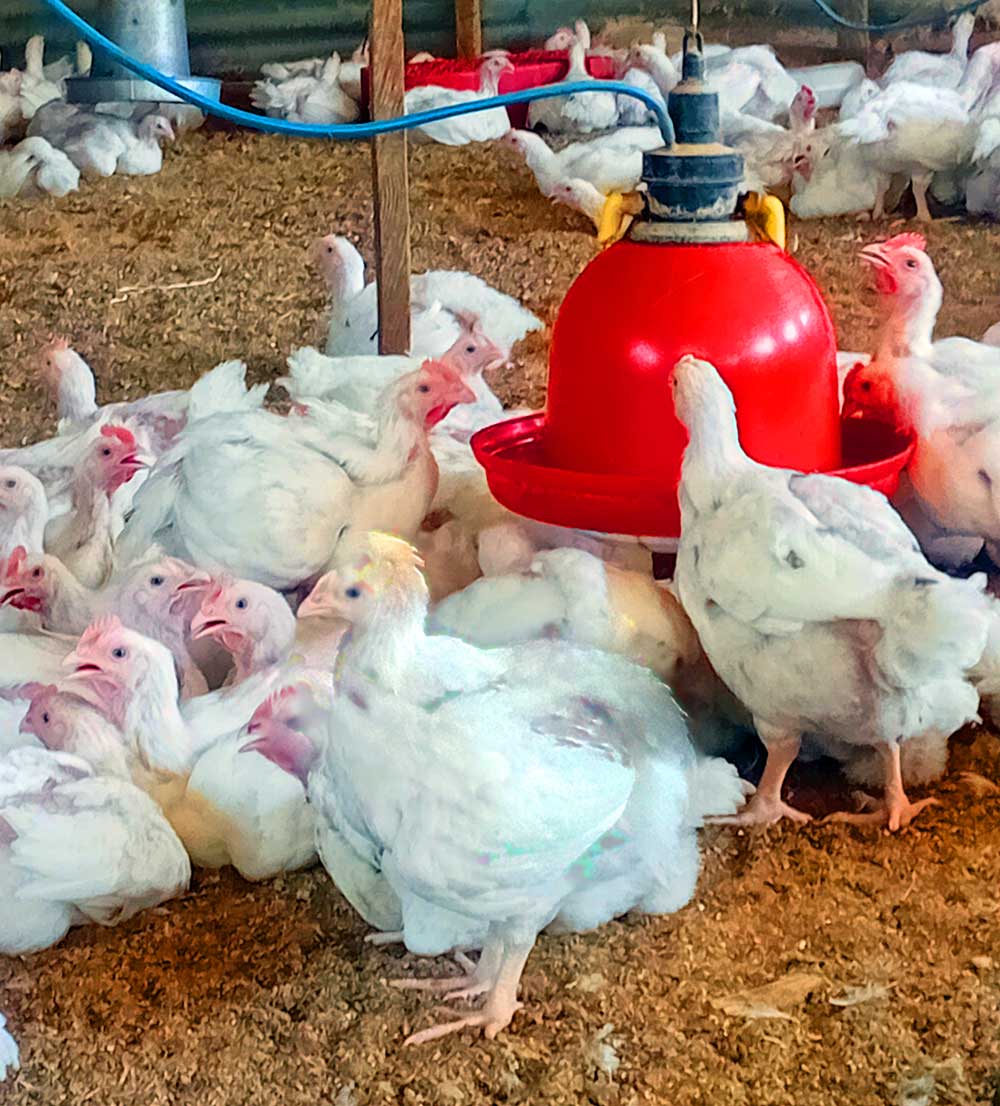
Clean drinkers every day.
Provide cool, fresh water at all times.
During hot weather, inspect drinkers several times daily because broilers consume significantly more water.
Never allow birds to remain without water, even for short periods.
6. Weak Biosecurity: One of the Most Dangerous Broiler Farming Mistakes
Disease outbreaks can wipe out an entire flock within a few days. Yet many farmers unknowingly invite disease onto their farms through poor biosecurity practices.
Among all Broiler Farming Mistakes, weak biosecurity is one of the easiest to prevent but one of the most expensive to ignore.
Many poultry diseases are carried by people, vehicles, equipment, rodents, wild birds, and even contaminated footwear. Once a disease enters the poultry house, it can spread rapidly, especially where birds are housed closely together.
Common Biosecurity Broiler Farming Mistakes
Some of the most common biosecurity mistakes include:
- Allowing unnecessary visitors into the poultry house.
- Sharing feeders, drinkers, or equipment with other farms without proper disinfection.
- Failing to disinfect boots before entering the poultry house.
- Allowing rodents and wild birds access to feed stores.
- Mixing birds of different ages in the same house.
- Not cleaning and disinfecting the poultry house between production cycles.
These mistakes increase the risk of diseases such as Newcastle disease, Gumboro (Infectious Bursal Disease), fowl cholera, coccidiosis, and chronic respiratory diseases.
How to Avoid This Broiler Farming Mistake
Good biosecurity does not have to be expensive.
Simple measures can make a huge difference:
- Restrict farm visitors.
- Install footbaths at every poultry house entrance and replace the disinfectant regularly.
- Wash and disinfect equipment after every production cycle.
- Keep rodents, wild birds, and other animals away from poultry houses.
- Quarantine new birds before introducing them to existing flocks.
- Practice an “all-in, all-out” production system whenever possible.
Remember, preventing disease is always cheaper than treating it.
Related articles:
8 Ways You Can Easily Get Rich Through Broiler Farming
Paralysis, Lameness in Broiler Chickens, Causes, Prevention and Treatment
8 Ways You Can Easily Sale Your Broilers during the Christmas Festive Period
7. Delaying Disease Detection: A Broiler Farming Mistake That Increases Mortality
One of the biggest Broiler Farming Mistakes is waiting until birds begin dying before taking action.
Many diseases give early warning signs long before mortality increases. Farmers who inspect their flocks daily often detect problems early enough to reduce losses.
Unfortunately, some farmers only visit their poultry houses during feeding time and fail to observe bird behaviour carefully.
Early Warning Signs You Should Never Ignore
Watch out for birds that show:
- Reduced appetite
- Slow movement
- Drooping wings
- Ruffled feathers
- Sneezing or coughing
- Swollen eyes
- Diarrhoea
- Difficulty breathing
- Lameness
- Increased water consumption
- Sudden drop in growth rate
Even if only a few birds show these symptoms, investigate immediately.
How to Avoid This Broiler Farming Mistake
Walk through your poultry house at least three to four times daily.
Listen to the birds.
Healthy broilers are active, alert, and eat enthusiastically. Any unusual behaviour should be investigated immediately.
Consult a qualified veterinarian or poultry extension officer rather than relying solely on advice from social media or unverified sources. Early diagnosis often saves both birds and money.
8. Poor Ventilation: A Broiler Farming Mistake That Slows Growth
Fresh air is something many farmers take for granted, yet it plays a vital role in broiler production.
Poor ventilation is one of those Broiler Farming Mistakes that gradually affects bird health without being immediately obvious.
When fresh air is inadequate, moisture accumulates, litter becomes wet, and harmful gases such as ammonia build up inside the poultry house.
High ammonia levels irritate the birds’ eyes and respiratory system, making them more vulnerable to infections and reducing feed intake.
Signs of Poor Ventilation
Your poultry house may have poor ventilation if you notice:
- A strong ammonia smell.
- Wet or caked litter.
- Condensation on walls or roofing.
- Birds panting even when temperatures are moderate.
- Frequent respiratory problems.
- Dirty feathers around the breast due to damp litter.
How to Avoid This Broiler Farming Mistake
Design your poultry house to allow continuous airflow while protecting birds from strong winds.
Open curtains or sidewalls when weather conditions permit.
Replace wet litter promptly and repair leaking drinkers immediately.
Remember this simple rule:
If you can smell ammonia, your birds have been breathing it for hours.
Related articles:
Farming Is Not Fast Money: But Here Is the Truth about Making Money through Farming
Mental Health in Farming: How to Cope with Stress, Crop Failure, and Financial Pressure
9. Poor Record Keeping: A Silent Broiler Farming Mistake That Reduces Profit
Many poultry farmers know how many birds they bought but cannot accurately tell you how much profit they made.
Without proper records, it becomes almost impossible to identify where money is being lost.
Poor record keeping is one of the most overlooked Broiler Farming Mistakes, especially among small-scale farmers.
Important Records Every Broiler Farmer Should Keep
Maintain records of:
- Number of chicks purchased
- Chick cost
- Daily feed consumption
- Mortality
- Vaccination schedule
- Medication used
- Labour costs
- Electricity and fuel expenses
- Water costs
- Bird weight
- Sales
- Total income
- Total expenses
These records allow you to compare one production cycle with another and make better management decisions.
How to Avoid This Broiler Farming Mistake
You do not need expensive software.
A simple notebook, spreadsheet, or mobile record-keeping app is enough.
Review your records weekly to identify areas where costs can be reduced or productivity improved.
Good records turn guesses into informed business decisions.
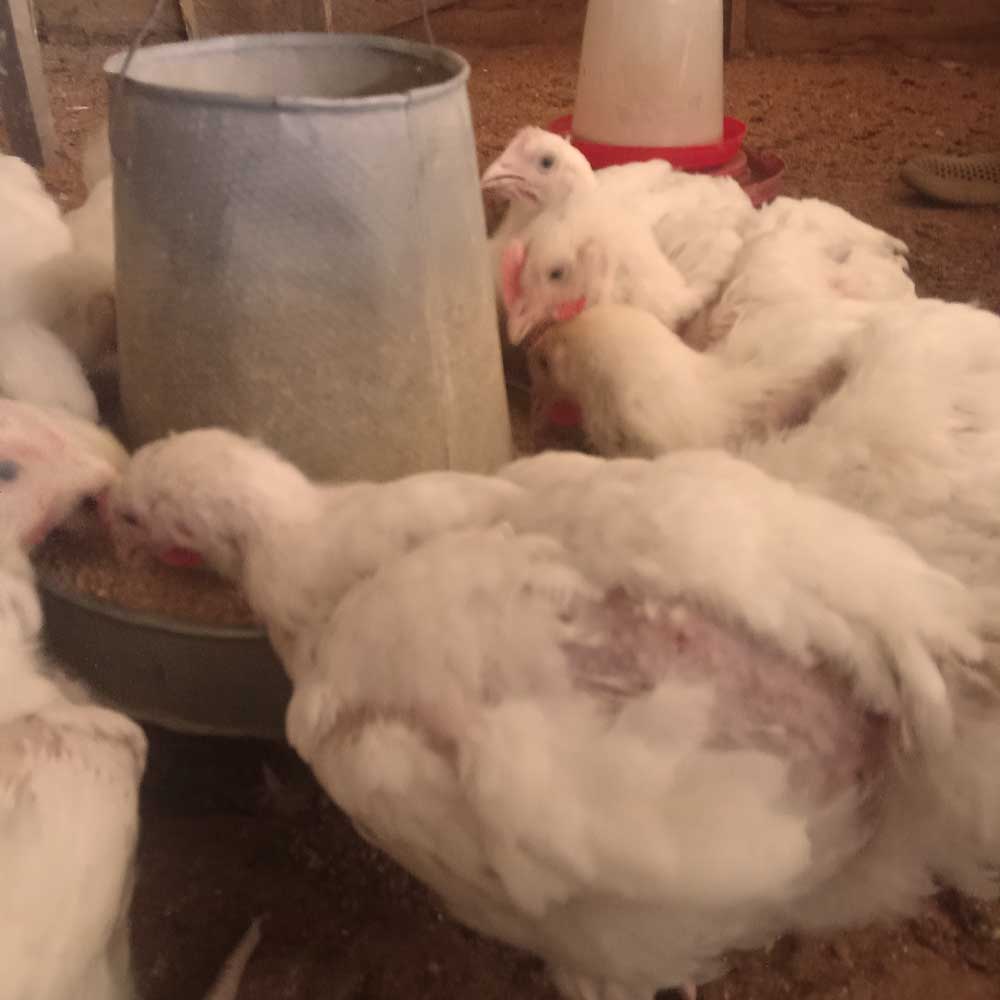
10. Selling Without a Marketing Plan: One of the Final Broiler Farming Mistakes
Many farmers spend weeks preparing to raise broilers but only start looking for buyers after the birds are ready for market.
This is one of the most common Broiler Farming Mistakes, and it can quickly reduce profits.
Every extra day birds remain unsold means:
- More feed consumption
- Higher labour costs
- Increased risk of disease
- Higher electricity expenses
- Reduced profit margins
Waiting too long to sell often turns a profitable flock into an average one.
How to Avoid This Broiler Farming Mistake
Begin marketing your birds at least two to three weeks before they reach market weight.
Build relationships with:
- Hotels
- Restaurants
- Caterers
- Frozen food shops
- Supermarkets
- Poultry processors
- Local traders
- Individual households
Take advantage of digital marketing by promoting your birds on Facebook, WhatsApp, Instagram, and local community groups.
Returning customers are one of the greatest assets a poultry farmer can have, so always provide healthy, well-finished birds and maintain good customer relationships.
Successful poultry farmers understand that learning never stops.
The poultry industry continues to evolve with better genetics, improved vaccines, modern housing systems, new feeding technologies, and more effective disease prevention strategies.
Farmers who continue learning often identify opportunities to improve efficiency and profitability before their competitors.
You can continue improving by:
Learn from Experienced Farmers
Visit successful poultry farms and ask practical questions about housing, feeding, disease control, and marketing.
Attend Poultry Training Programmes
Agricultural workshops and extension programmes expose you to current best practices and emerging technologies.
Read Reliable Poultry Resources
Books, agricultural blogs, research publications, and trusted extension materials provide valuable knowledge that can improve your farm.
Join Poultry Farmers’ Associations
Networking with other farmers allows you to exchange ideas, learn from others’ experiences, and stay informed about market trends.
Continuous learning helps you avoid repeating the same Broiler Farming Mistakes year after year.
Conclusion
Every successful broiler farmer has made mistakes at some point. The difference is that profitable farmers learn from those mistakes and improve their management with every production cycle.
Avoiding these common Broiler Farming Mistakes can dramatically reduce mortality, improve feed conversion, increase daily weight gain, lower production costs, and boost your overall profits.
You do not need the biggest poultry house to succeed. You need good management, careful observation, proper planning, and a commitment to continuous improvement.
As you prepare for your next batch of broilers, take time to evaluate your farm honestly. Ask yourself:
- Am I buying quality chicks?
- Is my brooding management adequate?
- Are my birds overcrowded?
- Am I providing quality feed and clean water?
- Is my biosecurity strong enough?
- Do I inspect my birds every day?
- Is my poultry house well ventilated?
- Am I keeping accurate records?
- Do I already have buyers before my birds reach market weight?
Even correcting one or two of these Broiler Farming Mistakes can significantly improve your results. Correcting all ten can transform your poultry business into a more efficient, profitable, and sustainable enterprise.
Remember: In broiler farming, success is rarely about luck. It is built on doing the small things right, every single day.