Farmer Health Tips: 15 Practical Ways Every Farmer Can Protect Their Health; Your Farm Needs You Healthy
Many farmers rarely say this out loud: the farm needs the farmer as much as the farmer needs the farm.
You can have good land, improved seeds, healthy livestock, fertiliser, chemicals, tractors and good markets, but if the person managing everything is constantly sick, exhausted or injured, the farm will eventually suffer.
I have seen farmers work from early morning until late evening, carrying heavy loads, spraying chemicals, working under the hot sun and sometimes eating only when there is time.
We often call this “hard work,” and yes, farming is hard work. But hard work should not mean destroying your health in the process.
The good news is that protecting your health does not always require expensive equipment or a big farm budget. Some of the most important Farmer Health Tips are simple habits that can be introduced gradually.
Here are 15 practical ways every farmer can protect their health.
-
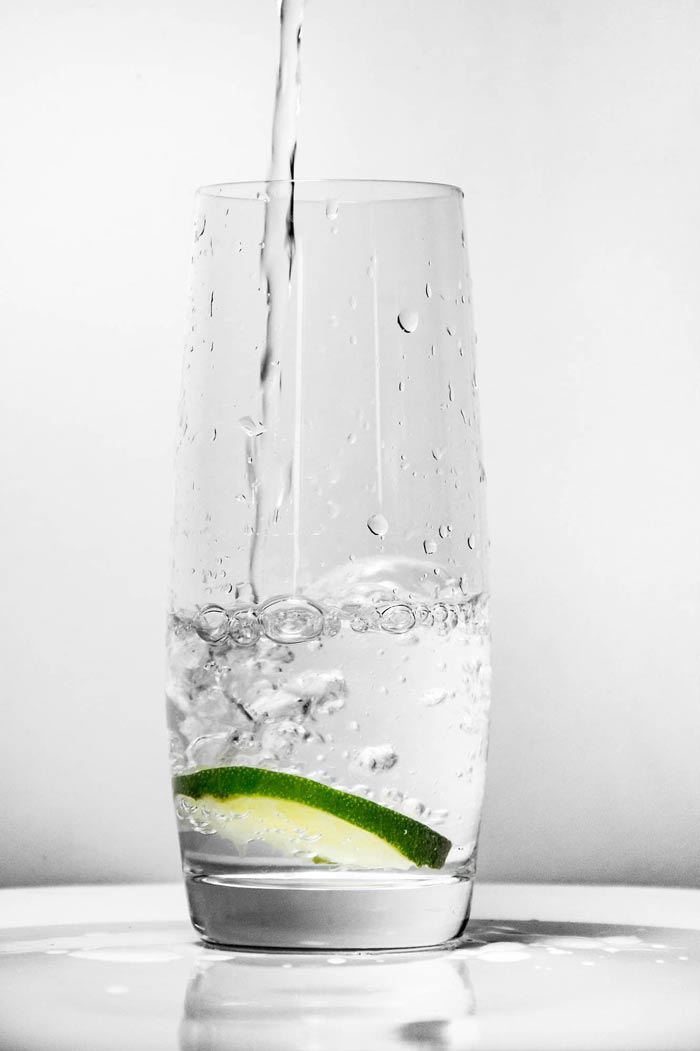
Farmer health tips: Drink enough clean water
Water is one of the most important things a farmer needs, especially when working under the sun.
During land preparation, weeding, harvesting, livestock handling or other heavy activities, the body loses water through sweating. If you wait until you are extremely thirsty before drinking, you may already be dehydrated.
Carry clean drinking water to the farm rather than depending on questionable water from streams, ponds or irrigation sources.
A farmer working in a hot part of northern Nigeria may need considerably more water than someone doing light work in a cooler environment. The important thing is to drink regularly and increase your intake when the weather and workload demand it.
Related articles:
5 Farm First Aid Essentials Every Farmer Should Have
Farmer Heat Stress: Signs, Prevention, and First Aid
10 Farmer Energy Foods to Keep You Strong During Long Days on the Farm
- Wear protective clothing
Farm clothing is not only about looking like a farmer. It can protect your body from cuts, sunburn, insects, mud, thorns and other hazards.
Long trousers, a long-sleeved shirt, sturdy boots and a suitable hat can make a big difference. When handling animals, gloves may also be useful.
You don’t necessarily need expensive branded clothing. A good pair of locally available boots, durable trousers and a long-sleeved shirt can provide useful protection.
But remember: protective clothing must be appropriate for the job. What you wear while harvesting maize may not be sufficient when spraying pesticides.
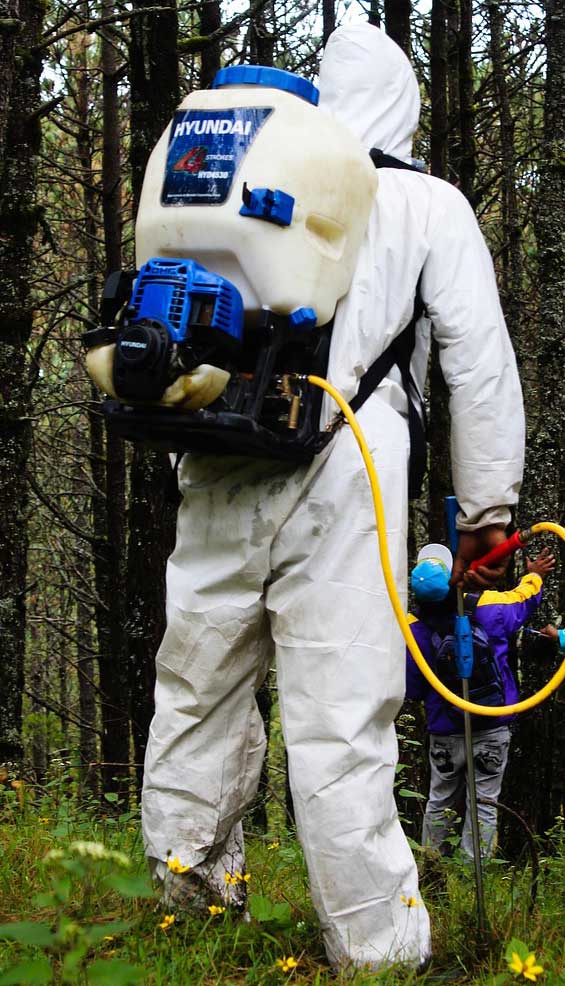
Where protective clothings when spraying herbicides or chemicals
-
Farmer health tips: Use pesticides safely
This is one area where farmers should never take shortcuts.
Some farmers spray without gloves, masks or appropriate protective clothing. Others eat, smoke or drink while handling chemicals. Some even use their bare hands to mix pesticides.
Please don’t.
Always read and follow the product label. Use the recommended concentration, wear the required protective equipment and avoid spraying against strong wind.
Never reuse pesticide containers for drinking water, food storage or household purposes. Keep chemicals away from children, livestock, food and water sources.
Also observe the required re-entry and pre-harvest intervals stated on the product label. If you are unsure about a pesticide, ask a qualified agricultural extension professional or other competent adviser rather than guessing.
A few minutes spent handling chemicals properly can prevent a serious problem.
Related articles:
10 Farmer Energy Foods to Keep You Strong During Long Days on the Farm
How Farmers Can Protect Their Kidneys During Hot Weather: A Practical Guide for Every Farmer
-
Farmer health tips: Learn to prevent heat exhaustion
Farmers are especially exposed to heat because much of our work happens outdoors.
Working continuously under intense heat without rest can lead to heavy sweating, weakness, dizziness, headache, nausea and confusion. These can be warning signs of heat-related illness.
Try to schedule the heaviest work during cooler periods where possible. Early morning is often better than the hottest part of the afternoon.
Take short breaks in shade, drink water regularly and wear breathable clothing.
If someone becomes confused, collapses or develops severe symptoms after working in extreme heat, treat it as an emergency and seek medical help immediately.

-
Farmer health tips: Eat balanced meals
A farmer burns plenty of energy, but eating plenty of food does not automatically mean eating well.
A plate of mostly carbohydrates may fill your stomach, but farmers also need protein, vegetables, fruits and healthy sources of fat.
Depending on what is affordable and locally available, meals can include beans, eggs, fish, meat, vegetables, fruits, groundnuts, whole grains, yam, potatoes, maize, rice and other staple foods.
You don’t need imported “farm fitness” foods.
For example, a simple meal of beans with vegetables and a reasonable portion of a staple food can provide useful protein, fibre and other nutrients.
The goal is balance, not perfection.
Related articles:
Healthy Farmer, Healthy Farm: 12 Farm Health and Safety Practices Every Farmer Must Know
- Farmer health tips: Get enough sleep
Some farmers believe sleeping less means working harder.
It doesn’t necessarily work that way.
Poor sleep can leave you tired, less focused and more likely to make mistakes. On a farm, that can become dangerous when operating machinery, climbing, handling livestock or using sharp tools.
Try to establish a reasonable sleeping routine, especially during less demanding periods.
There will be planting and harvesting seasons when long working hours are unavoidable. But don’t turn temporary pressure into a permanent lifestyle.

- Stretch before heavy work
Think about your muscles before asking them to do heavy farm work.
If you are going to spend hours digging, cutting grass, lifting bags, carrying produce or loading feed, spend a few minutes moving gently and stretching the major muscle groups.
You don’t need an elaborate exercise programme.
Gentle shoulder movements, walking, leg movements and light stretching can prepare your body for activity.
And don’t forget to use good lifting technique. Bend your knees and keep heavy loads close to your body rather than repeatedly lifting them with your back.
Related articles:
8 Things Successful Broiler Farmers Never Skip
5 Brutal Reasons Broiler Farmers Struggle to Make Profit (And How you can Fix Them)
-
Farmer health tips: Take regular medical check-ups
Many farmers visit a health facility only when they are seriously ill.
That needs to change.
A medical check-up can help identify problems such as high blood pressure, blood sugar abnormalities or other health concerns before they become more serious.
As we get older, regular health checks become even more important.
Don’t assume that because you are strong enough to work from morning until evening, everything inside your body is automatically fine.
Your body can be working hard while a health problem is developing quietly.
-
Farmer health tips: Protect your eyes
Farmers expose their eyes to dust, soil, chemicals, sunlight, plant debris and flying particles.
When working with pesticides, eye protection is particularly important.
Simple protective eyewear can help during spraying, grinding, cutting, machinery operation and other activities where particles may enter the eyes.
If a chemical enters your eye, don’t simply rub it and continue working. Follow the product’s first-aid instructions and seek medical attention when necessary.
And if your vision is becoming blurry or you are struggling to see clearly, get your eyes examined.

- Protect your hearing
Have you ever spent hours beside a tractor, grinding machine, generator, milling machine or other loud equipment and noticed ringing in your ears afterward?
Don’t ignore it.
Repeated exposure to loud noise can damage hearing over time.
Where machinery is noisy, use appropriate hearing protection and avoid unnecessary prolonged exposure.
Small farms may not have sophisticated machinery, but even a generator or milling machine can produce significant noise. Protecting your hearing now is better than regretting its loss later.
Related articles:
5 Smart Ways Rabbit Farmers Turn Cheap Local Feed into Faster Growth and Bigger Profits
-
Keep your hands, food and drinking water clean
Farm work can leave your hands covered in soil, manure, chemicals and animal waste.
Before eating, drinking or touching food, wash your hands properly with clean water and soap.
This is especially important for livestock farmers who work around manure, sick animals, animal bedding and contaminated equipment.
Keep drinking water in clean, covered containers. Don’t dip dirty cups or hands into the container.
Good hygiene is one of those simple farm practices that costs little but can prevent many avoidable illnesses.
- Farmer health tips: Prevent farm injuries
Look around your farm honestly.
Are tools properly stored? Are nails sticking out of old boards? Are chemicals lying around? Are farm paths slippery? Are livestock handling areas safe?
Small hazards can cause serious injuries.
Keep cutlasses, hoes, axes and other sharp tools in safe places. Repair damaged structures. Wear appropriate footwear. Avoid rushing when using machinery or handling animals.
Also keep a basic first-aid kit where workers can easily reach it.
It should contain useful basics such as clean dressings, plasters, antiseptic supplies and gloves. Serious injuries still require professional medical care.
- Farmer health tips: Give your body proper rest
Rest is not laziness.
After hours of hoeing, weeding, harvesting or carrying loads, your muscles need time to recover.
This becomes especially important during planting and harvesting seasons when farmers are tempted to work continuously.
If possible, rotate demanding tasks among workers. Take short breaks during long jobs and avoid repeatedly working through severe pain.
Pain is not always something to “push through.” Sometimes it is the body’s warning that something needs attention.
Related articles:
How to Survive Egg Glut: 5 Smart Strategies Egg Farmers Use to Beat Oversupply and Still Make Profit
- Farmer health tips: Look after your mental health
Farming is physically demanding, but the mental pressure can sometimes be even heavier.
A farmer may worry about rainfall, pests, disease, livestock deaths, rising feed prices, fertiliser costs, farm loans, labour problems and uncertain market prices.
Small-scale farmers can carry all these worries quietly because they feel they must remain strong for their families.
Talk to someone you trust when the pressure becomes overwhelming. Stay connected with other farmers. Take reasonable breaks. Avoid using alcohol or drugs as a way of coping with persistent stress.
If sadness, anxiety, hopelessness or severe stress becomes persistent or begins affecting your daily life, seek help from a qualified health professional.
There is no shame in asking for help.

- Know your limits and don’t ignore warning signs
Perhaps this is one of the most important lessons a farmer can learn.
You know your farm better than almost anybody, but you may not always know what is happening inside your body.
If you develop persistent chest pain, severe breathing difficulty, fainting, serious injury, sudden weakness, confusion or other severe symptoms, stop work and seek medical attention.
Don’t allow the pressure of “I must finish this farm work today” to make you ignore a serious health warning.
The farm can wait.
Your health may not.
Farming well means taking care of the farmer
Farming will always involve hard work. There will be days when the sun is hot, the soil is difficult, the animals are stubborn, the weeds seem endless and the market price is disappointing.
We cannot remove every challenge from farming.
But we can reduce some of the risks.
Drink clean water. Eat properly. Sleep enough. Use pesticides responsibly. Protect your eyes and ears. Wear suitable clothing. Take breaks. Stretch before demanding work. Keep your farm environment safe. Check your health regularly. And don’t forget your mental health.
These things may look small when considered individually, but together they can make a major difference to the farmer’s ability to continue working productively.
After all, the most valuable asset on many small and medium-sized farms is not the tractor, livestock or land.
It is the farmer.
Conclusion
Don’t wait until your body breaks down before you start taking your health seriously. A healthy farmer is in a better position to manage a healthy farm, support a family and enjoy the fruits of years of hard work.
What health challenge have you personally experienced while farming, and what practical solution has helped you overcome it?
Share your experience in the comments—another farmer may learn something from it.