5 Farm First Aid Essentials Every Farmer Should Have
Farming is rewarding, but let us be honest: the farm is also a workplace where accidents can happen when we least expect them.
A farmer can cut a finger while sharpening a cutlass, step on a nail, fall from a motorcycle, get splashed with agricultural chemicals, or suffer a minor burn while preparing feed or repairing equipment. Livestock can also cause injuries. Even something as simple as removing a stubborn nail from a piece of wood can leave you with a deep cut.
The problem is not always the injury itself. Sometimes the bigger problem is that the nearest clinic or hospital may be several kilometres away.
That is why every farm, whether it is a small family farm, a medium-sized commercial operation, or a large agricultural enterprise, should have a properly stocked farm first aid kit.
You don’t need an expensive medical cabinet to get started. What matters most is having the right basic supplies, keeping them clean and accessible, and knowing when an injury is beyond first aid and needs professional medical attention.
Here are five essentials I believe every farm should have.
-
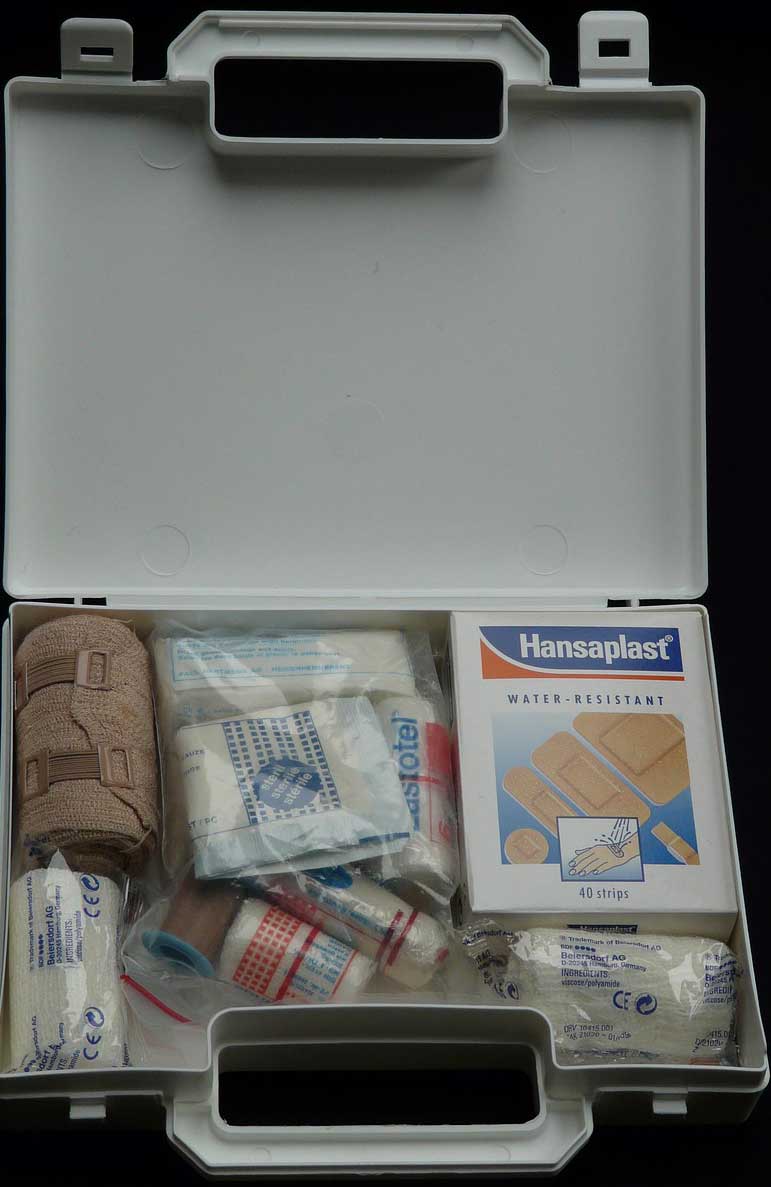
A Proper Farm First Aid Dressing Kit
Let’s start with the most obvious one: supplies for dealing with cuts, wounds and bleeding.
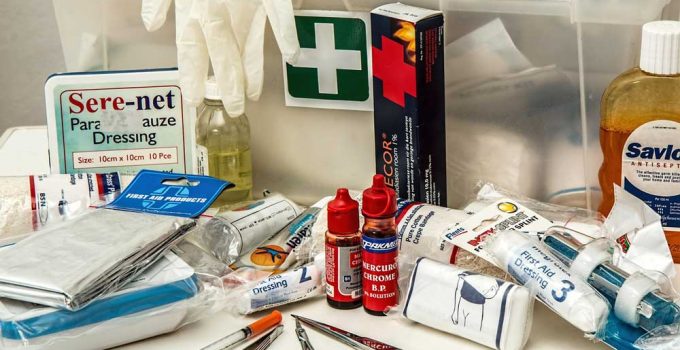
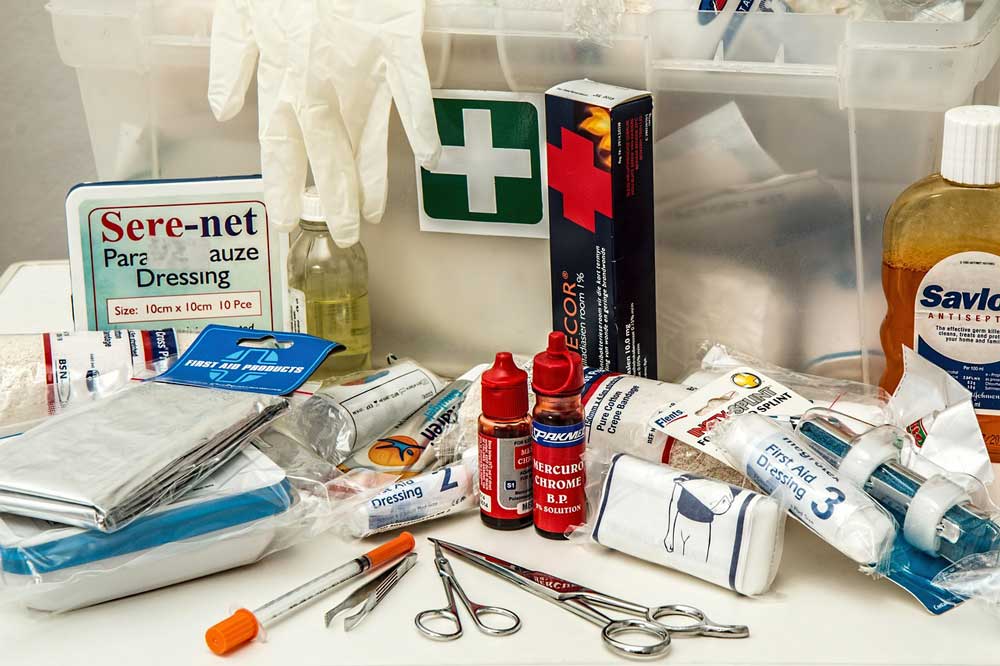
A farmer should have sterile gauze pads, adhesive bandages, medical tape, antiseptic suitable for wound care, disposable gloves and clean scissors.
Why are these so important?
Because cuts are among the most common farm injuries, a machete, hoe, pruning tool, harvesting knife, wire, metal sheet or piece of farm machinery can easily break the skin.
Imagine harvesting cassava and accidentally cutting your hand with a cutlass. You don’t want to start searching through a cupboard for an old piece of cloth.
You need to be able to stop the bleeding and protect the wound immediately.
A simple approach: put on disposable gloves if available, apply firm pressure with sterile gauze or a clean dressing to control bleeding, and cover the wound once the bleeding is controlled.
Do not use dirty rags, leaves, soil, ash or animal manure on an open wound. These are common traditional practices in some farming communities, but they can introduce infection.
Another mistake is keeping only small adhesive plasters in the first-aid box. Plasters are useful for tiny cuts, but they are not enough for a farm where workers handle sharp tools and machinery.
For a commercial farm, keep larger dressings available and have enough supplies for several workers.
And remember: heavy bleeding, deep wounds, wounds caused by dirty or rusty objects, severe animal bites, or wounds that may involve tendons, nerves or bones require medical attention.
First aid is not a replacement for a hospital.
Related articles:
Healthy Farmer, Healthy Farm: 12 Farm Health and Safety Practices Every Farmer Must Know
6 Ways Lack of Sleep Affects Farm Productivity
- Eye-Wash and Eye Protection Supplies
Farmers sometimes remember gloves and boots but forget the eyes.
That can be a costly mistake.
Dust, crop debris, chemical splashes, flying particles from machinery and even animal feed can get into the eye.
If you are spraying pesticides, this becomes even more important. A chemical splash into the eye is not something to experiment with using home remedies.
A farm should have a suitable eye-wash solution or clean running water immediately available where chemicals or dusty operations are being handled.
If a chemical gets into the eye, follow the product label’s emergency instructions and flush the eye thoroughly with clean running water. Do not rub the eye.
For farms that regularly use pesticides, herbicides, fertilizers, disinfectants or other chemicals, an emergency water source should be close to the chemical-mixing and spraying area.
This is one area where prevention is even better than first aid.
Wear appropriate eye protection when spraying chemicals, grinding metal, cutting wood, operating machinery or carrying out other activities where particles can enter the eyes.
One practical lesson here is this: don’t keep your first-aid kit locked inside an office when the chemical store is far away. Emergency water and appropriate protective equipment should be accessible where the risk occurs.
Related articles:
10 Farmer Energy Foods to Keep You Strong During Long Days on the Farm
10 Costly Broiler Farming Mistakes That Keep Farmers Poor (And How to Avoid Every One of Them)
-
Gloves and Basic Personal Protective Equipment should always be in a farm first aid kit
Some people may wonder why gloves and protective equipment are being included among first-aid essentials.
The reason is simple: preventing an injury is often better than treating one.
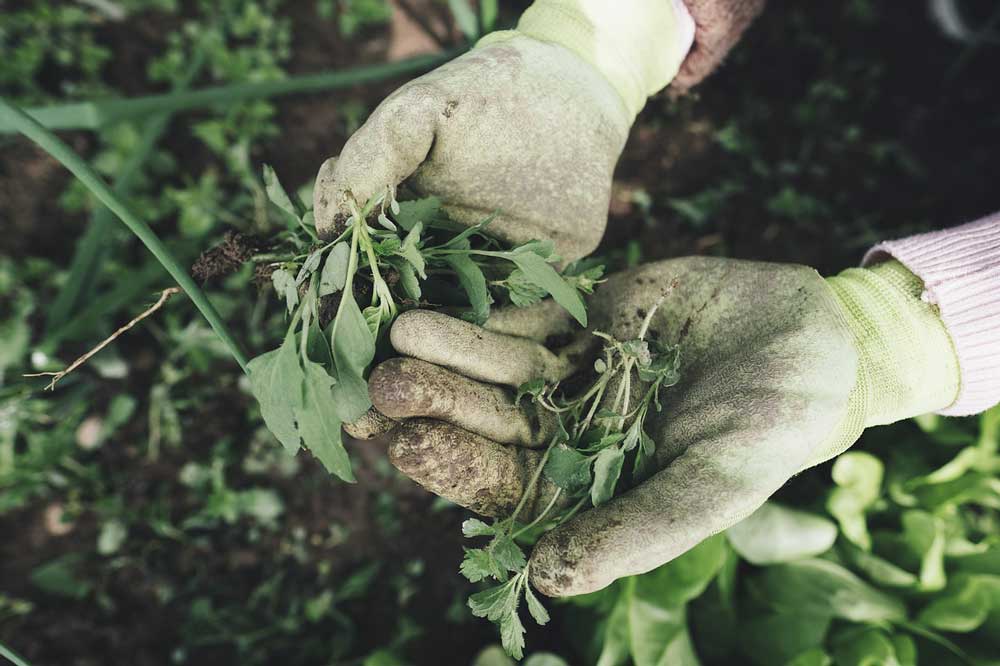
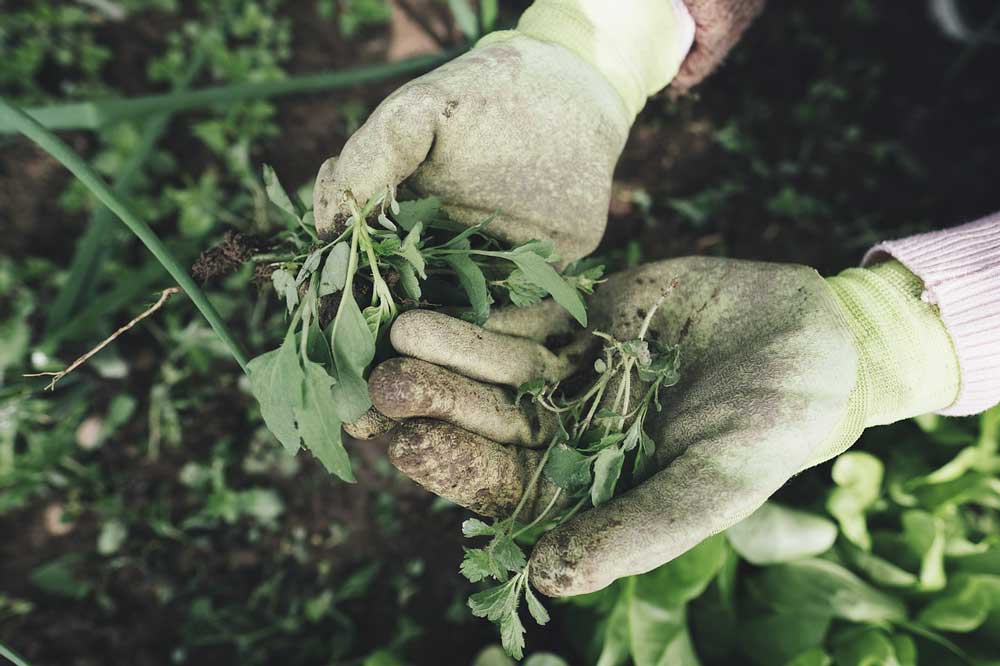
A good farm should have disposable medical gloves for treating wounds, as well as appropriate work gloves for activities such as harvesting, handling thorny plants, working with rough materials and some livestock operations.
Depending on the farm, other protective equipment may include safety goggles, boots, protective clothing, hearing protection and suitable respirators.
For example, a farmer spraying pesticides should not depend on the same pair of gloves used for handling firewood or feeding animals. Chemical exposure requires protective equipment appropriate for the product being used.
Another common mistake is thinking that wearing a nose mask automatically makes pesticide spraying safe. It doesn’t.
Different agricultural chemicals have different hazards, and the product label should determine what protective equipment is required.
Farm owners should also provide appropriate PPE for workers instead of assuming that everybody will bring their own.
And please don’t forget livestock.
A cow, bull, horse, goat or even a frightened sheep can injure a person. Working around animals requires proper handling practices, suitable footwear and, where necessary, additional protective equipment.
The best first aid is sometimes simply not putting yourself in the position to be injured.
Related articles:
Farmer Health Check: Why Regular Medical Check-ups Are as Important as Fertilising Your Crops
How Farmers Can Protect Their Kidneys During Hot Weather: A Practical Guide for Every Farmer
Mental Health in Farming: How to Cope with Stress, Crop Failure, and Financial Pressure
-
A Thermometer, Cold Pack and Simple Burn Care Supplies are also essentials in a farm first aid kit
Not every farm emergency involves a bleeding wound.
Farm workers can suffer heat-related problems, sprains, minor burns and other injuries.
A digital thermometer is a simple and inexpensive item that can be useful when someone becomes unwell.
A reusable cold pack can also be useful for minor bumps, strains and swelling. If you don’t have one, a clean cold compress can sometimes be used.
For minor burns, the immediate priority is to cool the affected area under cool running water. Avoid putting butter, engine oil, toothpaste, mud or other household substances on burns.
This is another area where farmers sometimes rely on old practices that can make treatment more difficult.
If a burn is large, deep, electrical, chemical, or involves the face, hands, feet, major joints or genitals, seek urgent medical care.
Heat is another serious consideration for farms, particularly in hot climates.
A worker spending several hours weeding under strong sunlight may become dizzy, weak, confused or develop a headache.
Don’t simply say, “Take a little rest and continue.”
Move the person to a cooler place, loosen unnecessary clothing, and provide appropriate fluids if the person is awake and able to drink. If there is confusion, fainting, seizure, severe weakness or suspected heat stroke, treat it as an emergency and seek medical help immediately.
Farm managers should also plan work around extreme heat where possible.
Starting heavy field work very late in the morning under intense sun is sometimes an unnecessary risk.
Related articles:
Healthy Farmer, Healthy Farm: 12 Farm Health and Safety Practices Every Farmer Must Know
Chemical Safety for Farmers: Practical Health Measures to Prevent Chemical-Related Illnesses
6 Health-Boosting Benefits of Farming You Need to Know
-
Emergency Information and a Farm First Aid Plan
This may be the most overlooked “item” on the farm.
You can have the best first-aid kit in the village, but if nobody knows where it is or what to do, its usefulness is limited.
Every farm should have a simple emergency plan.
Write down important emergency contacts, including the nearest clinic or hospital, ambulance or emergency service where available, farm manager, owner and other responsible personnel.
The location of the first-aid kit should be known to everyone working on the farm.
For larger farms, consider having designated workers trained in basic first aid.
You should also keep important information about agricultural chemicals used on the farm. Keep product labels and safety information accessible because medical personnel may need to know exactly what substance was involved in an exposure.
Don’t transfer chemicals into unlabelled bottles.
Imagine somebody accidentally drinks a liquid stored in an old soft-drink bottle because they think it is water. That is not just a farm mistake; it can become a life-threatening emergency.
Similarly, don’t allow children to have access to pesticides, veterinary medicines, fuel or other hazardous substances.
What Should a Basic Farm First Aid Kit Contain?
A practical kit can include:
- Sterile gauze and wound dressings
- Adhesive bandages
- Medical tape
- Disposable gloves
- Clean scissors
- Suitable antiseptic/wound-cleaning supplies
- Eye-wash or access to clean running water
- Digital thermometer
- Cold pack
- Burn-care dressing or supplies
- Tweezers for simple splinter removal
- Emergency contact information
- A basic first-aid instruction guide
The exact contents should depend on your farm activities.
A poultry farm may have different risks from a cattle farm. A crop farm using tractors and agrochemicals has different hazards from a vegetable farm using mostly hand tools.
Commercial farms should go further by carrying out a simple risk assessment and stocking first-aid supplies according to the number of workers and the risks involved.
Don’t Forget to Check the Farm First Aid Kit Periodically
One of the funniest things about emergency supplies is that they are often discovered only when somebody needs them.
You open the first-aid box and discover that the bandages finished six months ago, the antiseptic has expired, the gloves are missing and nobody knows who used the last dressing.
Don’t let that happen.
Check the kit regularly.
Replace used or expired items. Keep dressings dry and clean. Store medicines and other supplies according to their instructions, particularly in hot and humid environments.
For a farm in a very hot climate, storage conditions matter. A first-aid box sitting inside a hot metal container all day may not be the best place for heat-sensitive products.
It is also wise to have a smaller portable first-aid kit for tractors, farm vehicles or field operations, especially when workers are far from the main farm building.
Common Farm First Aid Mistakes to Avoid
There are a few mistakes worth mentioning.
First, don’t wait for an emergency before buying the farm first aid kit. That’s when you discover what you don’t have.
Second, don’t use contaminated materials on wounds. A dirty cloth may look harmless but can introduce harmful microorganisms.
Third, don’t treat every injury yourself. Severe bleeding, serious burns, fractures, eye injuries, poisoning, serious animal bites, unconsciousness, breathing difficulties and other major emergencies require professional medical care.
Fourth, don’t forget prevention. First aid should work together with safe machinery operation, proper PPE, good livestock handling, chemical safety and worker training.
And finally, don’t assume that because you have been farming for 20 years, accidents cannot happen to you.
Experience reduces some risks, but it doesn’t make anybody accident-proof.
Conclusion
A farm first-aid kit may look like a small investment, but when an accident happens, having the right supplies within reach can make a big difference while professional help is being arranged.
You don’t need to spend a fortune. Start with the basics, keep them clean and accessible, inspect the kit regularly, train workers in basic first aid, and make sure everyone knows where it is.
Most importantly, build a farm culture where safety is treated as part of good farming—not something we remember only after somebody gets injured.
What is the most common farm injury you have experienced or seen on your farm, and what Farm First Aid item proved most useful?
Share your experience with other farmers.