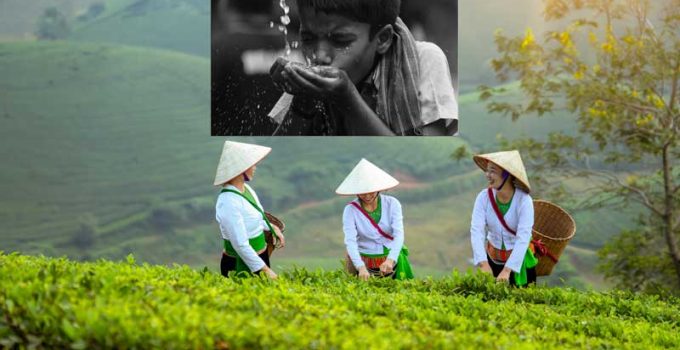
Working under the Sun: Dehydration and Heat Stress in farmers, 10 Simple Ways Farmers Can Protect Themselves.
Farming is one of the most important professions in the world. Farmers produce the food that feeds families, communities, and entire nations.
But while farmers spend a lot of time caring for their crops and animals, many forget to take care of the most important asset on the farm, themselves.
Whether you are a rural farmer cultivating maize, a homestead farmer tending vegetables behind your house, a livestock farmer raising goats and poultry, or a commercial farmer managing hundreds of hectares, your health is your greatest investment.
Unfortunately, many farmers spend long hours under the hot sun. During planting, weeding, spraying, harvesting, and livestock management, farmers are often exposed to extreme heat for many hours every day.
This exposure can lead to heat stress, dehydration, exhaustion, reduced productivity, and even life-threatening emergencies.
The good news is that these problems can be prevented.
In this article, we will discuss dehydration and heat stress in farmers and 10 practical ways farmers can protect themselves from it, while continuing to work safely and productively.
What Is Heat Stress?
Heat stress occurs when the body becomes too hot and cannot cool itself properly.
Normally, the body cools itself by sweating. However, when temperatures become very high or when a person loses too much water, the body struggles to regulate its temperature.
This can lead to serious health problems.
Common Signs of Heat Stress
- Excessive sweating
- Headache
- Dizziness
- Weakness
- Fatigue
- Muscle cramps
- Fast heartbeat
- Nausea
- Confusion
Ignoring these warning signs can be dangerous.
Simple Diagram: How Heat Stress Happens
HOT SUN
↓
Excessive Sweating
↓
Loss of Water
↓
Dehydration
↓
Heat Stress
↓
Poor Health & Reduced Productivity
-
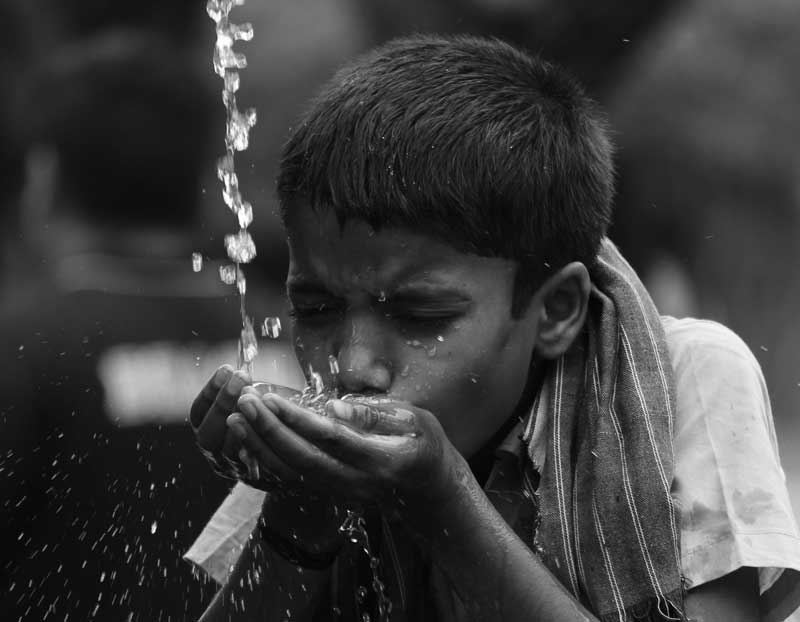
Always Drinking Water can prevent dehydration and heat stress in farmers before Feeling Thirsty
Many farmers wait until they are extremely thirsty before drinking water.
This is a mistake.
By the time you feel very thirsty, your body may already be dehydrated.
Better Practice
Drink small amounts of water regularly throughout the day.
Keep water close to your work area whenever possible.
Example
A maize farmer weeding under the sun should take water breaks every 20–30 minutes rather than waiting several hours.
Think of your body like a crop.
Just as crops need regular watering, your body needs regular hydration.
Related article:
Chemical Safety for Farmers: Practical Health Measures to Prevent Chemical-Related Illnesses
7 Practical Ways Farmers Can Reduce Stress without Leaving the Farm
Healthy Farmer, Healthy Farm: 12 Farm Health and Safety Practices Every Farmer Must Know
-
To prevent dehydration and heat stress in farmers, farmers should Start Farm Work Early in the Morning
The hottest period of the day is usually between 12 noon and 3 p.m.
This is when the risk of heat stress is highest.
Smart Farmers Do This
- Start work early.
- Complete heavy tasks before midday.
- Use afternoon hours for lighter activities.
Example
Activities such as land clearing, digging, fencing, and carrying feed can often be completed during the cooler morning hours.
This simple adjustment can greatly reduce dehydration and heat stress in farmers.
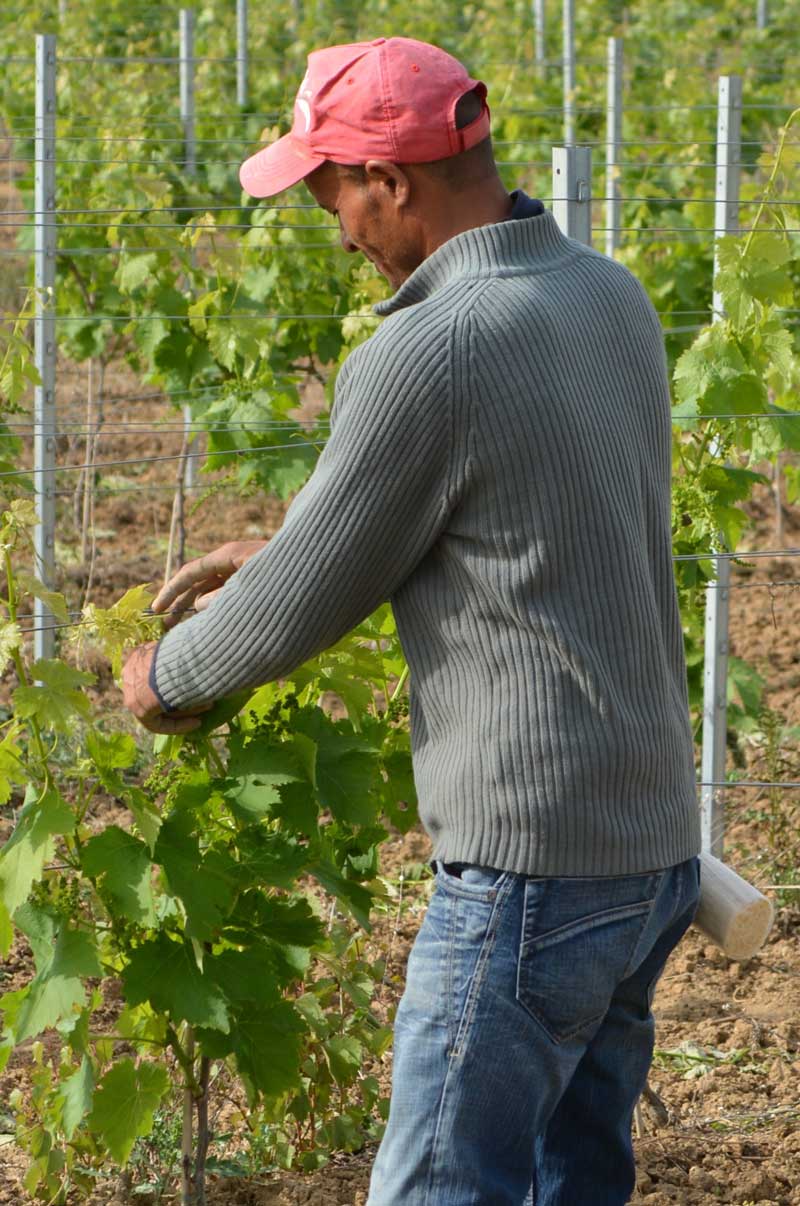
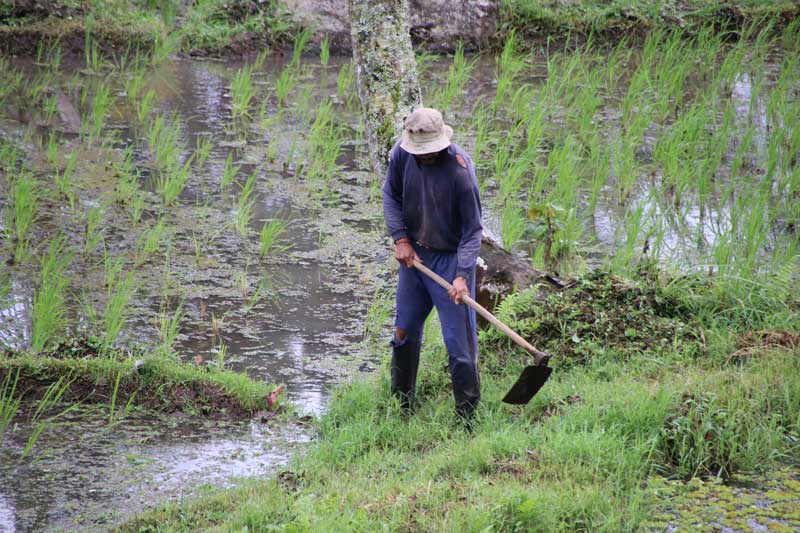
farmers should do the tedious work first early in the money
-
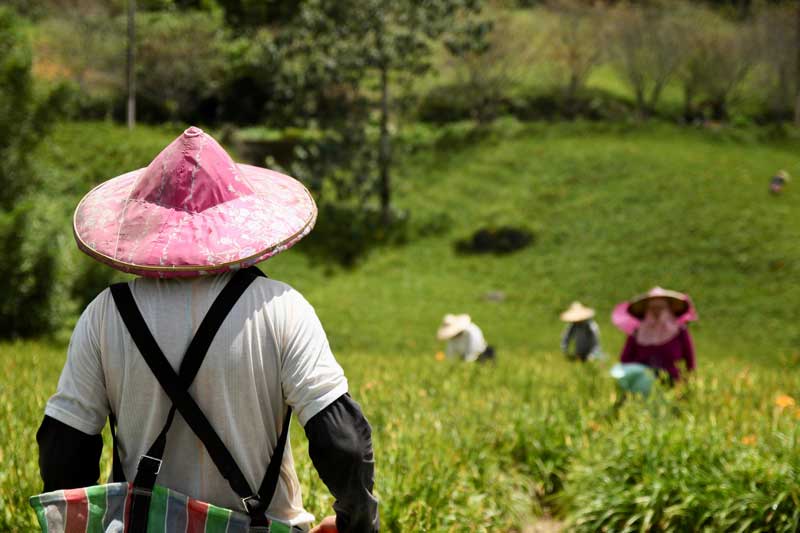
Wearing appropriate clothing is one of the best ways to prevent dehydration and heat stress in farmers
The clothes you wear can either help or worsen heat stress.
Wear
✓ Light-coloured clothing
✓ Loose-fitting clothing
✓ Long-sleeved shirts
✓ Wide-brim hats
✓ Comfortable footwear
Avoid
✗ Heavy clothing
✗ Dark-coloured clothing
✗ Tight clothing
Many farmers think wearing less clothing is always better.
However, proper clothing protects the skin from direct sunlight while allowing airflow, invariably preventing dehydration and heat stress in farmers.
Related articles:
Your Body Is Your First Farm Tool: 6 Health Habits Every Farmer Must Adopt After 40
-
Taking regular rest breaks helps in preventing dehydration and heat stress in farmers
Even machines need time to cool down.
Your body is no different.
Continuous work under extreme heat increases the risk of exhaustion.
Rest Under Shade
Take short breaks under:
- Trees
- Farm shelters
- Verandas
- Temporary shade structures
Even 10 to 15 minutes of rest can help the body recover.
Remember:
Working nonstop may actually reduce productivity because tired farmers work more slowly and make more mistakes.
- Eat Foods That Support Hydration
Water is important, but food also plays a role.
Certain foods help replace fluids and nutrients lost through sweating.
Good Choices
- Watermelon
- Orange
- Cucumber
- Coconut water
- Vegetables
- Fruits
Avoid Excessive
- Alcohol
- Highly sugary drinks
- Excessive caffeine
Healthy eating supports energy and hydration.
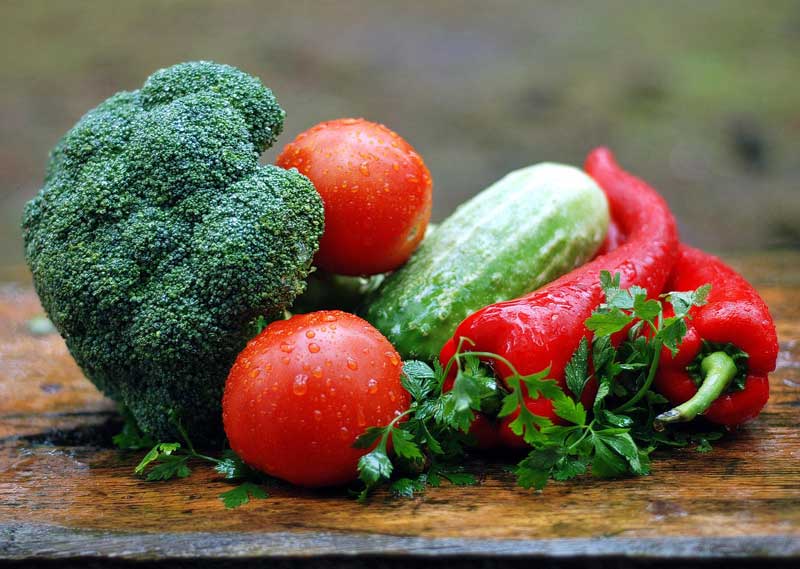
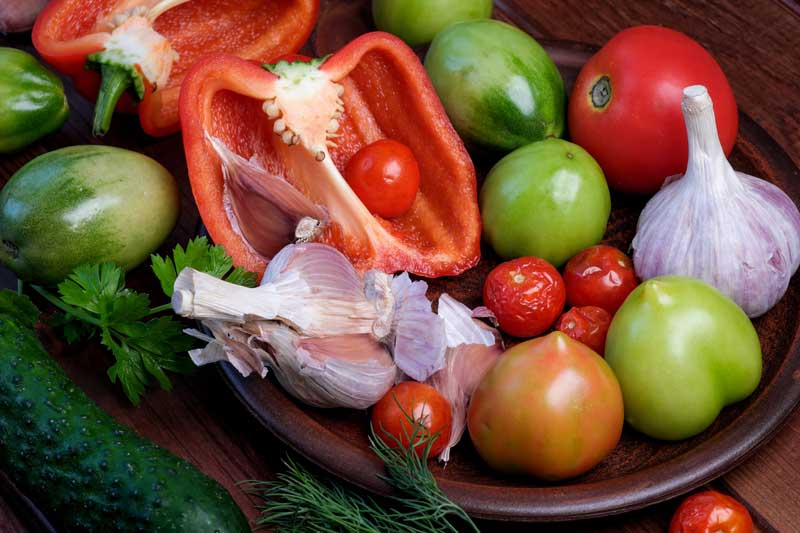
Eating healthy will make a lot more difference
Related articles:
8 Shocking Animal-Related Farm Injuries you’re Not Expecting, and How to Stay Safe
How You Can Stop Bleeding Wounds before Help Come’s
-
Recognise the Early Signs of Dehydration and Heat Stress in Farmers
Many serious health emergencies begin with small warning signs.
Farmers should learn to recognise these signs early.
Warning Signs
- Dry mouth
- Dark urine
- Dizziness
- Headache
- Extreme thirst
- Fatigue
When these symptoms appear:
STOP
REST
DRINK WATER
COOL DOWN
Acting early can prevent serious complications.
Related article:
Maize vs. Sorghum in Poultry Feed: Which One Truly Gives You Faster Growth and Bigger Profits?
3 Vital Stages in Maize Production That Could Lead To Colossal Loss If Left Unsupervised
9 Smart Survival Strategies Farmers Are Using to Stay Profitable
-
One of the Best Ways to Prevent Dehydration and Heat Stress in Farmers Is the Use of Shade Whenever Possible
Shade is one of the simplest and cheapest forms of protection.
Examples
- Rest under trees.
- Install simple farm shelters.
- Use umbrellas during field inspections.
- Build shaded livestock work areas.
Commercial farms often provide shaded rest stations for workers because they understand the productivity benefits.
Even small-scale farmers can create simple resting points using local materials.
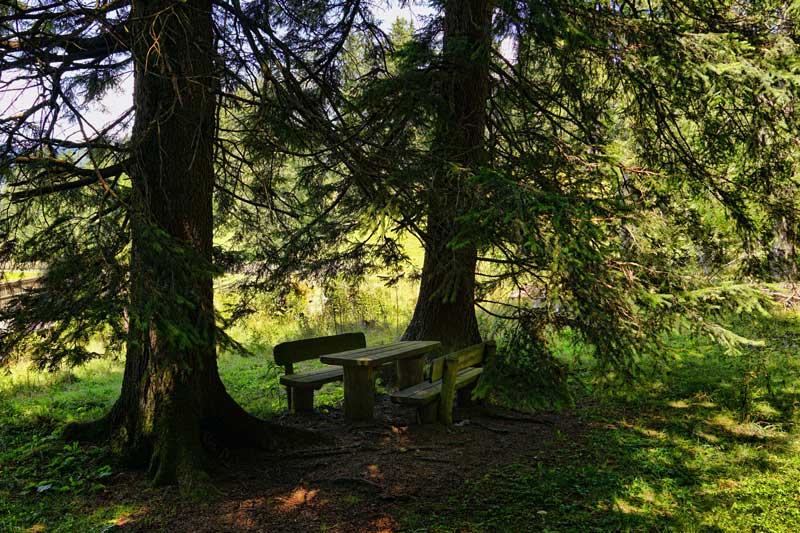
Providing good shade around the farm area will help in the prevention of dehydration and heat stress in farmers
- Work as a Team
Heat-related illnesses become more dangerous when farmers work completely alone.
Having another person nearby can save lives.
Why It Matters
A fellow worker may notice signs you miss, such as:
- Confusion
- Staggering
- Weakness
- Excessive fatigue
If someone becomes seriously ill, immediate assistance can be provided.
This is especially important for:
- Remote farms
- Large grazing areas
- Isolated crop fields
Related article:
7 Reasons Why its Important Farming Your Maize to Feed Your Poultry Birds
Farming Is Not Fast Money: But Here Is the Truth about Making Money through Farming
Farming with Little Rain? Discover 5 Proven Ways to Grow Crops in Drought-Prone Areas
- Replace Lost Salts and Minerals
Sweating removes more than water.
It also removes important minerals called electrolytes.
These minerals help muscles and nerves function properly.
Signs of Mineral Loss
- Muscle cramps
- Weakness
- Fatigue
Sources
- Fruits
- Vegetables
- Oral rehydration solutions
- Lightly salted meals
Maintaining these minerals helps the body perform efficiently during hot weather.
- Another Good Way to Prevent Dehydration and Heat Stress in Farmers Is Simply By Knowing When To Stop Working as a Famer
Many farmers are hardworking people.
Sometimes they push themselves too far.
Unfortunately, heat stress does not reward bravery.
It can become life-threatening.
Stop Working Immediately If You Experience:
- Severe dizziness
- Confusion
- Fainting
- Difficulty breathing
- Severe headache
- Lack of sweating despite extreme heat
These may indicate a serious medical emergency.
Seek medical attention immediately.
No harvest is worth risking your life.
Understanding Heat Stroke: A Farmer’s Emergency
Heat stroke is one of the most serious heat-related illnesses.
It occurs when the body’s temperature rises dangerously high.
Symptoms
- Very high body temperature
- Confusion
- Loss of consciousness
- Rapid heartbeat
- Hot skin
Heat stroke requires immediate medical attention.
Emergency Diagram
Extreme Heat
↓
Dehydration
↓
Heat Stress
↓
Heat Exhaustion
↓
Heat Stroke
↓
Medical Emergency
Why Healthy Farmers Are More Productive
Many farmers focus on:
- Fertilizers
- Improved seeds
- Machinery
- Livestock
These are important.
But none of them can replace a healthy farmer.
A healthy farmer:
Works more efficiently
Makes better decisions
Has more energy
Experiences fewer sick days
Achieves better farm productivity
The health of the farmer directly affects the health of the farm.
The Economic Cost of Ignoring Your Health
Heat stress doesn’t only affect health.
It also affects profits.
When farmers become sick:
- Farm work slows down.
- Labour costs increase.
- Productivity drops.
- Medical expenses rise.
- Harvests may suffer.
Protecting your health is therefore an investment, not an expense.
The Farmer’s Daily Heat Safety Checklist
Before Leaving for the Farm:
- Carry enough drinking water
- Wear suitable clothing
- Wear a hat
- Eat a healthy meal
- Inform someone where you will be working
During Farm Work:
- Drink water regularly
- Take breaks
- Rest under the shade
- Monitor for warning signs
- Avoid excessive exposure during peak heat
After Farm Work:
- Rehydrate
- Eat nutritious food
- Rest adequately
- Prepare for the next day’s activities
Conclusion
Farmers work tirelessly to feed the world, but they must never forget to protect themselves while doing so.
Dehydration and Heat stress in farmers are serious challenges faced by farmers every year, especially during hot seasons and periods of intense field activity.
Fortunately, simple habits such as drinking water regularly, wearing proper clothing, resting under shade, eating hydrating foods, and recognising early warning signs can greatly reduce these risks.
Whether you are a rural farmer, a backyard gardener, a livestock keeper, or a large-scale commercial producer, your health remains your most valuable farm asset.
Remember this simple truth:
Healthy Farmer = Healthy Farm = Better Harvests = Better Income
Take care of your body today so that you can continue farming successfully for many years to come.