How Free-Range Noiler Farmers Can Cut Feed Costs Without Sacrificing Growth
If you have ever raised chickens commercially, you already know one painful truth: feed can quietly eat up your profit.
You buy chicks, prepare the pen, vaccinate them, provide water and spend time caring for them. Then you start buying bags of feed again and again.
Before long, you look at your records and discover that a large part of the money coming into the farm is going straight back into feeding the birds.
This is where free-range Noiler farming can become interesting.
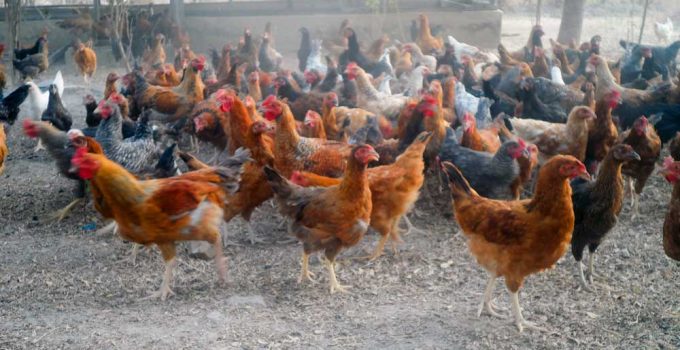
Noilers are known for being hardy, active birds that can perform well under different management systems. When properly managed, allowing them access to an outdoor area can give them the opportunity to supplement their diet by picking insects, grasses, seeds and other naturally available materials.
But let me make one thing clear from the beginning.
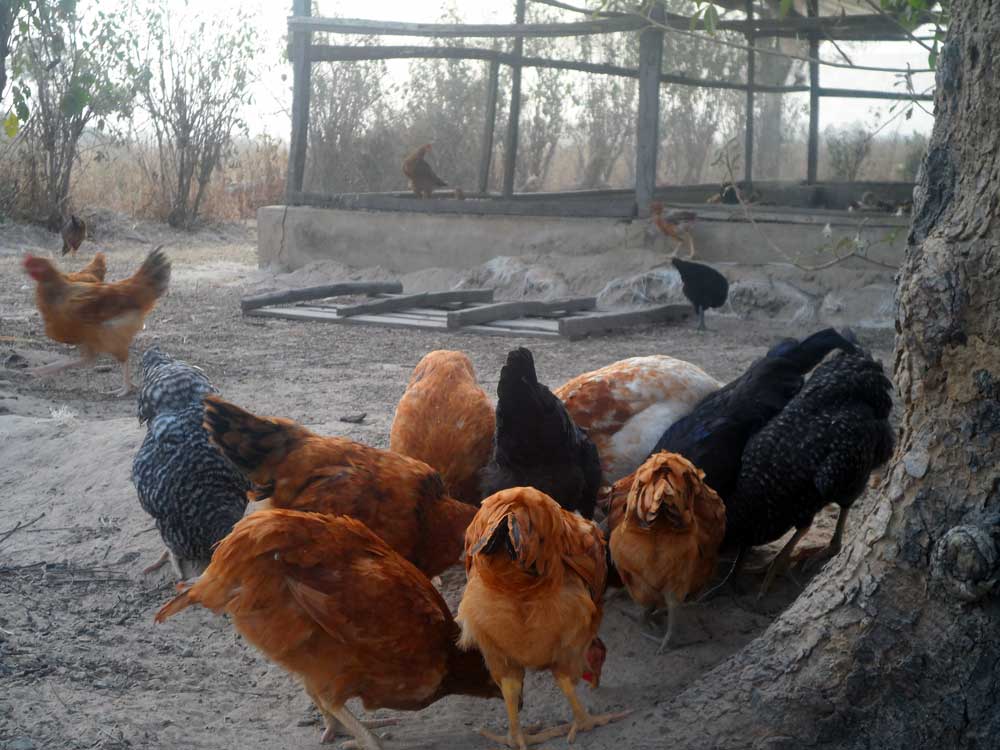
Free range does not mean free feeding.
A farmer who simply opens the pen and stops giving adequate feed because the birds are scavenging may eventually discover that cheap feeding has become expensive through slow growth, poor body condition, disease problems or delayed maturity.
The goal is not to stop feeding your Noilers.
The goal is to reduce unnecessary feed expenses while still supplying the nutrients the birds need for growth, health and production.
That is where good management comes in.
Related articles:
5 Reasons Why Free-Range Noilers Thrive: A Complete Farmer’s Guide
7 Best-Known Noiler Secrets That Will Make You a Profitable Poultry Farmer
10 Simple Ways That Make Noiler Farming Easier and Profitable These Days
Understand what your Noilers actually need
Before trying to reduce feed costs, understand what you are trying to save money on.
Chickens need energy, protein, vitamins, minerals, amino acids and water. The exact requirement changes according to age, body size, production stage, genetics and management system.
A young growing Noiler cannot be treated like a mature bird simply because both birds can eat maize.
For example, maize can provide useful energy, but maize alone is not a balanced poultry diet. If you feed plenty of maize while the birds receive inadequate protein and minerals, they may look satisfied but fail to grow as expected.
This is one of the mistakes I see farmers make when trying to reduce feeding costs.
They remove commercial feed and replace it with whatever is cheapest.
That is not feed-cost reduction.
That is nutrient reduction.
And the birds eventually pay the price.
Let the free-range system supplement the feed
One of the biggest advantages of free-range management is that birds can find additional feed resources.
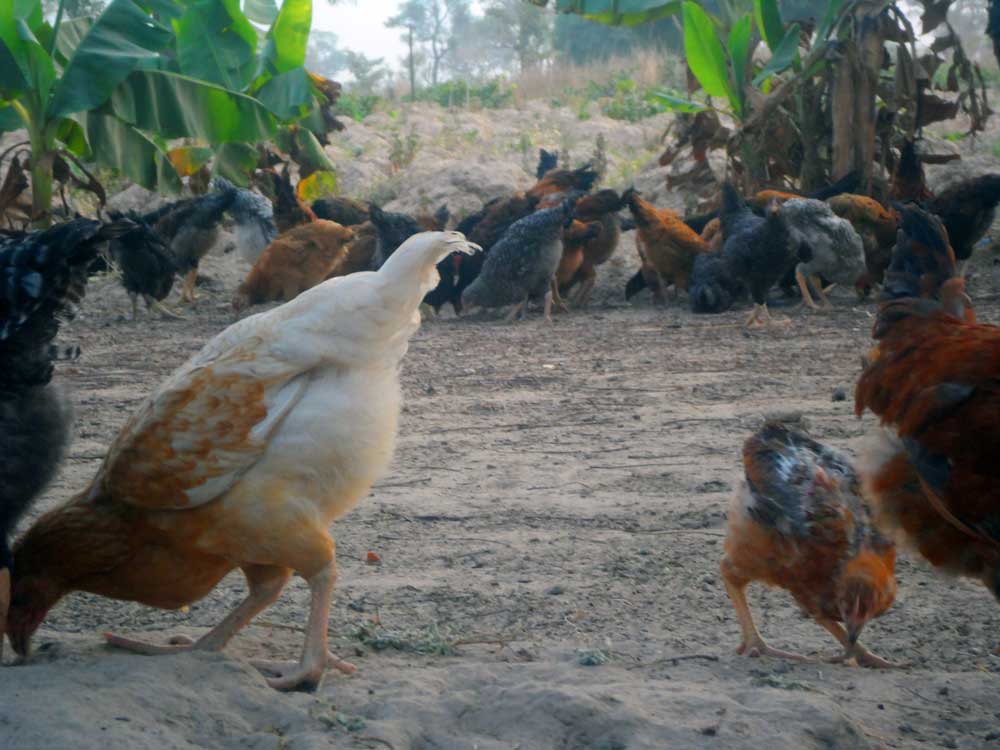
Depending on your location and environment, Noilers may pick insects, termites, grass seeds, young leaves and other edible materials while moving around.
This can be useful, but the amount and nutritional value of what they find will vary greatly.
A farm in the rainy season with plenty of vegetation and insects is very different from a farm during the dry season when the ground is bare.
So don’t build your entire feeding programme around what the birds might find outside.
Instead, think of scavenging as a supplement to a planned feeding programme.
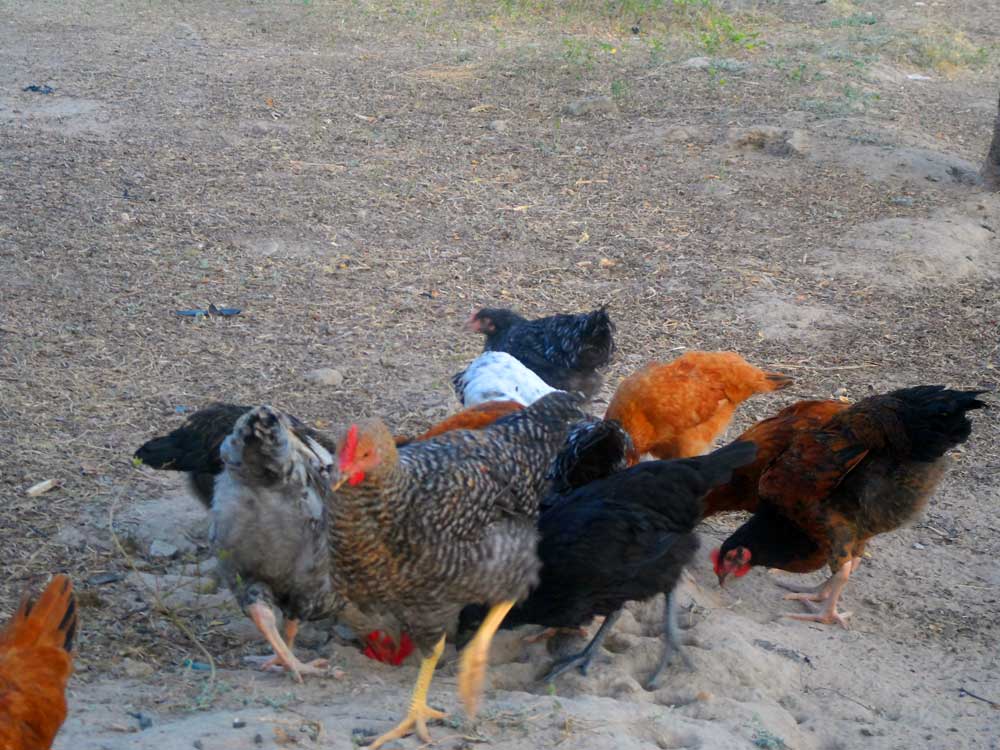
For example, you can provide adequate formulated feed while allowing the birds controlled access to a safe outdoor area for part of the day.
This can help them exercise and make use of natural resources without leaving their nutrition entirely to chance.
Use locally available feed ingredients intelligently
This is where Nigerian farmers have an advantage.
We have many agricultural by-products that can potentially be useful in poultry feeding when properly selected, processed and included at appropriate levels.
Depending on location and availability, farmers may have access to ingredients such as maize, wheat offal, rice bran, sorghum, millet, groundnut cake, soybean products and other suitable feed materials.
Some farmers also have access to farm by-products that would otherwise be wasted.
But there is a big difference between available and suitable.
A cheap ingredient is not automatically a good poultry ingredient.
For instance, mouldy maize is not a bargain. It can expose birds to mycotoxins and create serious health and performance problems.
The same applies to spoiled kitchen waste, contaminated grains or feed ingredients stored in damp conditions.
If an ingredient is cheap because nobody wants it, ask yourself why.
Related articles:
Noiler Farming In Nigeria, the New Game Changer
6 Important Lessons I Learned About Raising Noiler Chickens
Protein is one area you should not neglect
When farmers are trying to reduce feed costs, protein is often one of the first things they cut.
That can be a costly mistake.
Growing birds need adequate protein and essential amino acids to build muscle and develop properly.
A farmer might say, “My birds are eating plenty of maize and wheat offal.”
But the better question is:
Are they getting enough usable protein?
Depending on local prices and availability, farmers can explore suitable protein sources such as soybean meal, groundnut cake and other professionally recommended poultry protein ingredients.
However, inclusion levels matter.
You should not simply mix ingredients according to guesswork and assume the birds will receive everything they need.
If you are preparing your own feed, a poultry nutritionist or experienced feed formulator can help you calculate a balanced ration using ingredients available in your area.
That small investment in proper formulation can save you money in the long run.
Don’t waste the feed you already bought
This sounds simple, but it is one of the easiest ways to reduce Noiler feed costs.
Walk around your farm after feeding.
Is feed scattered all over the floor?
Are birds stepping inside the feeders?
Are rats eating more feed than the chickens?
Are the feeders too full?
Are chicks or younger birds unable to reach the feed properly?
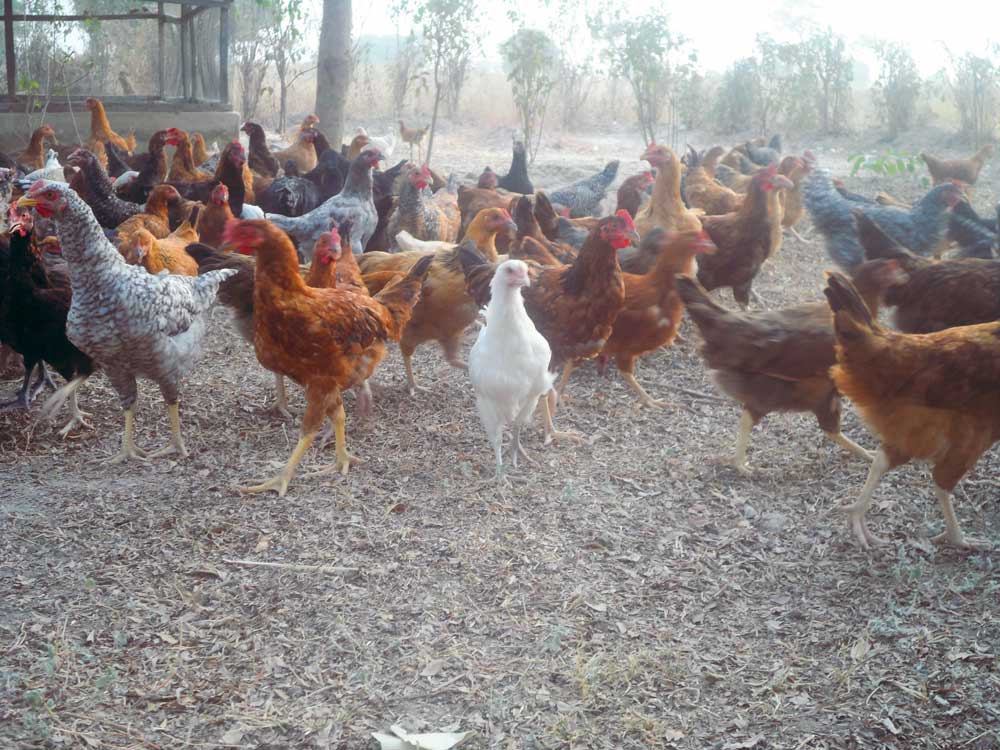
Feed wastage can quietly become a major expense.
I have seen farmers fill feeders almost to the top because they believe the birds should always have plenty available. The birds scratch, throw feed around and eat only what they want.
Instead, feeders should be managed so that birds have adequate access while unnecessary spillage is minimised.
The design and height of the feeder should also match the age and size of the birds.
Sometimes the cheapest feed-saving strategy is simply better management of the feed you are already buying.
Related articles:
6 Important Lessons I Learned About Raising Noiler Chickens
How to Incubate and Hatch Your Noiler Chicks At Home.
Clean water is part of feed management
Farmers sometimes focus so much on feed that they forget water.
That is a mistake.
Water is essential for digestion, metabolism, temperature regulation and overall performance. Birds exposed to heat stress may drink considerably more water, while poor water access can affect feed intake and performance.
This becomes particularly important in hot parts of Nigeria.
Make sure the birds have regular access to clean, cool drinking water. Wash drinkers regularly and protect them from contamination with litter, faeces and mud.
A bird that is struggling because of poor water management cannot be expected to convert feed efficiently.
Take advantage of your farm’s agricultural resources
This is where mixed farming can become useful.
Imagine a farmer producing maize, soybeans and poultry.
Instead of thinking about these activities as completely separate businesses, look at the possible connections.
Some suitable crop residues and by-products may have value as livestock feed or feed ingredients, while poultry manure can contribute nutrients to crop production when properly managed.
A farmer growing maize may also have access to maize bran or other usable by-products.
A farmer growing soybeans may have access to soybean processing opportunities.
The exact possibilities depend on what is grown, processed and available locally.
The important thing is to look at your farm as a system, rather than several unrelated activities.
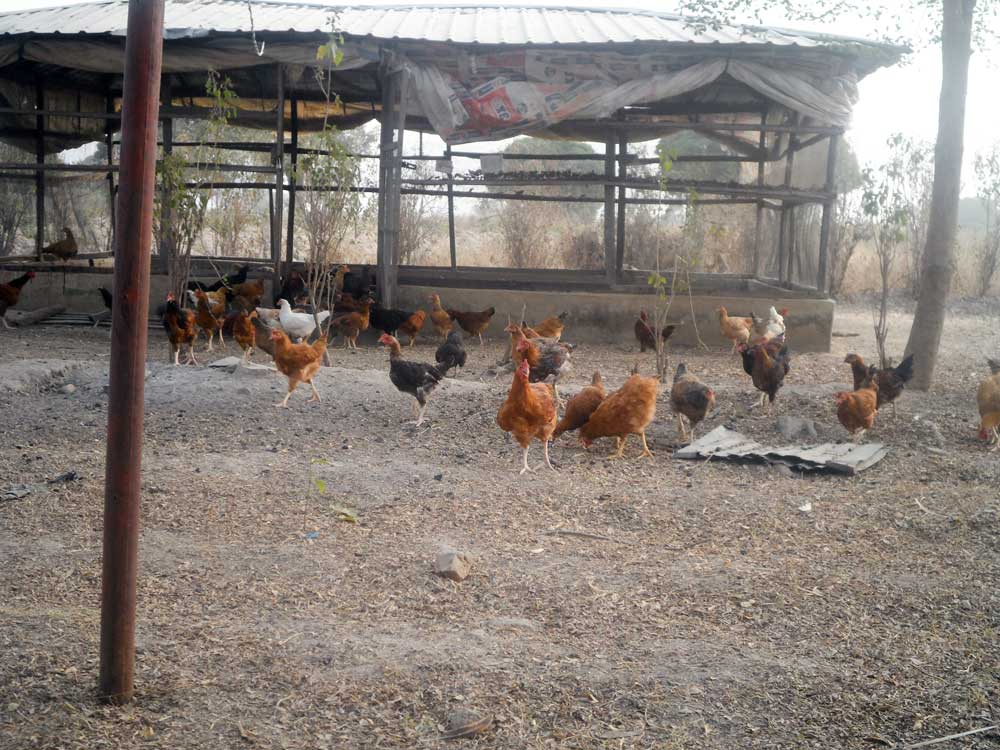
Don’t allow unrestricted scavenging
Free range sounds wonderful until the birds start disappearing.
Predators, theft, poisonous plants, contaminated areas, roads and neighbouring farms can all create problems.
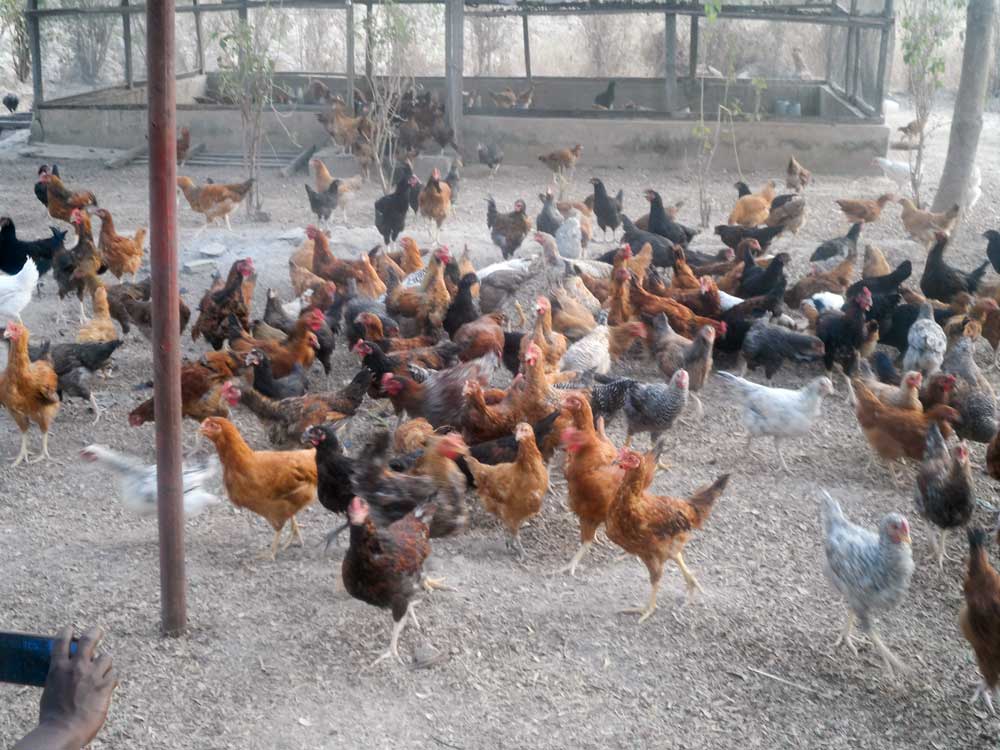
A controlled free-range system is often more practical than simply opening the gate and allowing birds to wander everywhere.
Use fencing where possible.
Provide shade.
Keep dangerous materials away.
Avoid areas recently treated with pesticides or herbicides.
And remember that chickens are natural explorers. If there is a hole in your fence, they will probably find it before you do.
Related articles:
4 Unique Ways You Can Achieve Uniform Body Weight and Growth in Chicken
How to Successfully Brood Noiler Chicks
Broilers Heat, And Heavy Losses: 5 Painful Lessons That Changed How I Raise Broilers Forever
Seasonal management matters
A feeding strategy that works during the rainy season may not work equally well during the dry season.
During the rainy season, vegetation, insects and other natural resources may be more abundant. During the dry season, these resources may reduce considerably.
This means your dependence on supplementary feed may increase during certain periods.
Weather also affects feed intake.
During very hot conditions, birds may reduce feed consumption and increase water consumption. Heat stress can therefore affect growth and performance.
Providing shade, good ventilation, clean water and suitable stocking density becomes particularly important.
A farmer should therefore adjust management according to the season rather than expecting the same strategy to work throughout the year.
Be careful with kitchen and household scraps
Many small-scale farmers use food scraps to supplement poultry feed.
Some materials may be useful, but this should be done carefully.
Do not feed mouldy, rotten, heavily salted or contaminated food to your birds.
Also, household scraps should not replace a nutritionally balanced poultry ration.
If you are using scraps, think of them as an additional resource rather than the foundation of the diet.
And keep hygiene in mind. Feeding contaminated materials can introduce disease to your flock.
Don’t chase cheap feed at the expense of growth
Here is something every farmer should remember:
The cheapest kilogram of feed is not necessarily the cheapest kilogram of weight gain.
Suppose Farmer A spends less money per bird on feed, but the birds take much longer to reach the desired market size.
Farmer B spends slightly more on quality feed but gets better growth and reaches market weight sooner.
Looking only at the price of the feed can make Farmer A appear to be doing better.
But the real question is:
How much did each farmer spend to produce a healthy, marketable bird?
That is why farmers should keep simple records.
Record the number of birds, quantity of feed purchased, mortality, medication costs, selling price and approximate market weight.
Even a simple notebook can reveal where your money is going.
A practical approach for a small Nigerian Noiler farm
Let’s imagine you have 100 Noilers.
Instead of buying feed blindly, start by determining the birds’ age and feeding requirements.
Provide appropriate feed for their stage, reduce wastage through good feeder management, and allow controlled access to a safe free-range area.
Then examine what useful feed resources are available around your farm.
Perhaps maize is produced locally. Maybe wheat offal or rice bran is affordable in your area. Perhaps soybean meal or groundnut cake is available from a nearby processor.
Compare prices, but also consider nutritional value, availability and quality.
If you intend to formulate your own feed, get the ration properly calculated rather than mixing ingredients based on someone’s Facebook comment or a neighbour’s recipe.
And don’t forget the hidden costs: transport, spoilage, storage losses and rejected ingredients.
Sometimes buying a slightly more expensive ingredient from a reliable source is cheaper than buying a poor-quality ingredient that causes problems.
What farmers commonly get wrong
One common mistake is assuming that because Noilers are hardy, they don’t require good nutrition.
Hardiness does not mean immunity to poor feeding.
Another mistake is giving birds unlimited access to low-quality materials while reducing proper feed too aggressively.
Some farmers also wait until the birds look thin before increasing feed. By then, growth may already have been affected.
Another common problem is overcrowding.
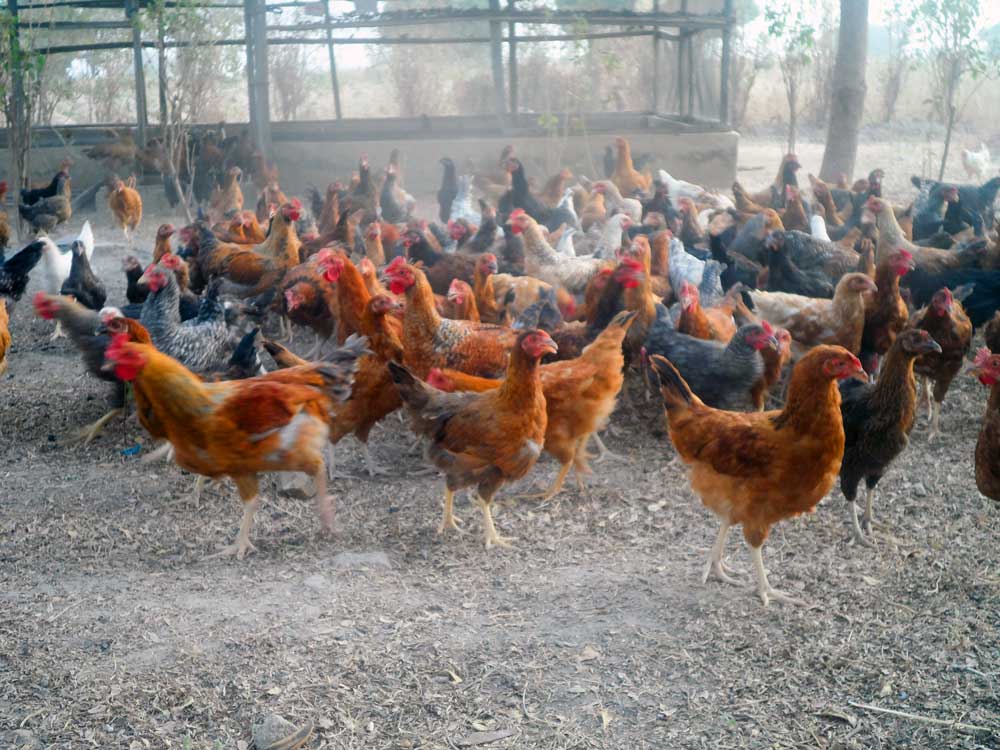
When too many birds are kept in a small space, competition for feed and water increases, disease risk can rise and the supposed benefits of free-range management disappear.
Good nutrition works together with good housing, disease prevention, genetics, hygiene and proper management.
You cannot solve every farm problem with cheaper feed.
The goal is efficient feeding, not simply less feeding
This is perhaps the most important lesson.
Your objective should not be to make your Noilers eat as little as possible.
Your objective should be to make every kilogram of feed work harder.
Give the birds the nutrients they need.
Prevent wastage.
Use safe local resources where appropriate.
Encourage controlled scavenging.
Maintain clean water.
Protect the flock from disease and heat stress.
Keep records.
And review your feeding costs regularly.
If one ingredient becomes too expensive, investigate alternatives. If an ingredient becomes unavailable, don’t suddenly replace it with something nutritionally unsuitable.
Farming requires observation.
What works for a farmer in Kano may not work the same way for someone in Niger State, Enugu or Kenya. Feed prices, climate, available ingredients, breed, market demand and management systems all influence the final result.
In Conclusion
Free-range Noiler farming can help small and medium-scale farmers make better use of available resources, but it should not be confused with abandoning proper feeding.
Cut waste before you cut nutrition.
Use local resources intelligently, keep your birds healthy, provide good-quality water, manage scavenging carefully and monitor the cost of producing each marketable bird.
At the end of the day, the farmer who spends the least on feed is not necessarily the farmer making the most profit. The real target is healthy birds, efficient feed use and a good return on every naira invested.
What has worked for you in reducing feed costs when raising Noilers—local ingredients, controlled free range, better feeder management, or something else? Share your experience with other farmers.