Why More Nigerian Farmers Are Switching from Maize to Soybeans: Rising Costs, Growing Demand and New Profit Opportunities
Something Is Changing in Nigerian Agriculture
Imagine a farmer who cultivated five hectares of maize last season. He spent a considerable amount of money on land preparation, seeds, fertilizer, herbicides, labour and harvesting.
After months of hard work, he finally harvested his maize and took it to the market, hoping to make a reasonable profit.
Unfortunately, the market price was not as attractive as he expected. He also had to worry about storage, weevils, moisture and the cost of keeping his produce until prices improved.
Now, imagine another farmer who cultivated soybeans on a similar piece of land. After harvesting and properly drying his produce, he packed the grains into bags and stored them, knowing that the crop had a growing market among food processors, vegetable oil manufacturers and livestock feed producers.
Does this mean soybean farming is automatically more profitable than maize farming? Not necessarily.
However, it helps explain why more farmers in Nigeria and other parts of Africa are beginning to take a serious interest in soybean cultivation.
The conversation around soybean farming is becoming more important, especially as farmers struggle with rising production costs, changing market conditions and the need to make agriculture financially rewarding.
So, what exactly is driving this growing interest in soybeans?
Let’s look at the reasons.
- The Rising Cost of Fertilizer Is Making Maize Farming More Expensive
One of the biggest challenges facing maize farmers in Nigeria is the increasing cost of farm inputs, particularly fertilizer.
Maize is a nutrient-demanding crop. For farmers who want good yields, proper soil fertility management is extremely important.
Nitrogen, phosphorus and potassium all play important roles in maize development. Nitrogen, in particular, is needed for healthy leaf development, stem growth and grain formation.
Unfortunately, many small-scale farmers depend heavily on purchased NPK fertilizer and urea to achieve good maize yields.
When fertilizer prices increase, production costs rise.
Consider a farmer cultivating three hectares of maize. Apart from buying fertilizer, he has to pay for land preparation, seeds, herbicides, planting, weeding, fertilizer application and harvesting.
When all these expenses are added together, the amount invested can become quite substantial.
Soybeans offer a different opportunity.
Unlike maize, soybeans are legumes. They have a special relationship with beneficial soil bacteria called Bradyrhizobium, which form nodules on their roots and help convert atmospheric nitrogen into a form the plant can use.
This process is called biological nitrogen fixation.
Does this mean soybeans do not need fertilizer?
Absolutely not!
Soybeans still require good soil fertility, especially adequate phosphorus, potassium, sulphur and other nutrients depending on the soil condition.
Farmers should not assume that because soybeans are legumes, they can grow successfully on exhausted land without proper nutrient management.
The advantage is that soybeans can obtain part of their nitrogen requirement through biological fixation when the right bacteria, suitable soil conditions and effective nodulation are present.
Farmers can also reduce unnecessary fertilizer expenditure by conducting soil tests, using appropriate soybean inoculants and applying recommended fertilizer rates.
This makes soybeans attractive to farmers looking for ways to manage input costs.
Related articles:
Maize and Soybeans Master plan: How to Outsmart Pests, Weather, and Market Fluctuations This Season
Cashing In With Soybeans Farming, Why You Need To Re-Visit It.
Why It Is Important You Re-Visit Soybeans Farming
- Government Maize Importation and Unpredictable Market Prices
Another issue influencing farmers’ decisions is uncertainty in the maize market.
Maize is one of Nigeria’s most important food and industrial crops. It is used for human consumption, poultry feed, livestock feed and several food manufacturing activities.
However, maize farmers sometimes face a frustrating situation: production costs remain high, but selling prices do not always reflect the money invested in cultivation.
Government decisions on food imports, import policies and the availability of imported agricultural commodities can influence local market expectations and prices.
When imported maize or other competing supplies enter the market in significant quantities, local farmers may face additional price pressure, depending on the timing, volume and prevailing market conditions.
The problem is not simply importation itself. It is the uncertainty farmers face when they cannot predict what their produce will sell for at harvest.
Imagine investing heavily in maize production only to discover that market prices have dropped when everybody is harvesting.
That can be discouraging.
This is one reason some farmers are exploring soybeans as another commercial crop.
Soybeans have their own price fluctuations, and farmers should not assume that the market will always favour them. However, their multiple industrial uses provide different market channels beyond direct human consumption.
A farmer who understands these markets may have more opportunities to sell to different categories of buyers.
-
The Growing Demand for Soybean Oil
One major reason soybean farming is gaining attention is the demand for soybean oil.
Soybeans are among the most important oilseed crops in the world.
The grains contain approximately 18–20% oil and around 36–40% protein, although actual composition varies with variety and growing conditions.
This makes soybeans valuable to vegetable oil processors.
Through industrial processing, soybean oil is extracted and refined for use in cooking and food manufacturing.
Soybean oil is used in:
- Household cooking oil production.
- Commercial food processing.
- Margarine and shortening production.
- Bakery and confectionery products.
- Other industrial applications.
As populations grow and food processing expands, the demand for edible vegetable oils creates opportunities for soybean producers.
This is important because farmers are not simply growing a crop for household consumption. They are producing raw materials for industries that require a continuous supply.
For Nigerian farmers, this represents an opportunity to participate in a growing agricultural value chain.
Related articles:
#Affordable Goat Feeds: 7 Secrets to Help Goats Gain Weight and Improve Farm Profit
Before You Spray: Why Regular Maize Pest Scouting Is One of the Best Investments on Your Farm
3 Vital Stages in Maize Production That Could Lead To Colossal Loss If Left Unsupervised
-
Soybean Meal Is Becoming Increasingly Important in Livestock Feed Production
This is perhaps one of the most interesting reasons soybean farming deserves serious attention.
Anyone involved in poultry, piggery, fish farming or commercial livestock production understands the importance of protein in animal feed.
Protein is needed for muscle development, growth, tissue repair, feather development, egg production and several other body functions.
One of the most valuable ingredients used in commercial livestock feed production is soybean meal.
What is soybean meal?
Soybean meal is the protein-rich material remaining after much of the oil has been extracted from soybeans.
It is widely used in poultry, pig and fish feeds because it provides good-quality protein and a useful amino acid profile.
Depending on the processing method and product quality, properly processed soybean meal commonly contains approximately 44–48% crude protein.
This makes it an important ingredient for feed mills.
Think about the number of poultry farmers in Nigeria producing broilers, layers and other chickens.
Think about commercial pig farmers, fish farmers and livestock feed manufacturers.
All these businesses need protein-rich feed ingredients.
As these industries expand, the demand for quality soybean meal creates opportunities for soybean growers and processors.
For example, a feed mill producing thousands of bags of poultry feed every month needs a dependable supply of protein ingredients.
Soybean processors need raw soybeans to manufacture this product.
This means soybean farmers can benefit from demand created by an entirely different agricultural sector.
It is a good example of how crop farming and livestock farming depend on each other.
However, farmers should remember that soybean meal is not the same as whole soybean grains. Raw soybeans contain antinutritional factors, including trypsin inhibitors, and require appropriate heat processing before being used as a major feed ingredient.
Related articles:
3 Vital Stages in Maize Production That Could Lead To Colossal Loss If Left Unsupervised
A Beginner’s Guide to Cowpea Farming: From Seed to Harvest in Tropical Regions
-
Soybeans Are Becoming More Valuable in Human Food Production
Beyond vegetable oil and livestock feed, soybeans have an important place in human nutrition.
Many people know soybeans mainly as an ingredient for animal feed, but the crop has several food applications.
Soybeans can be processed into:
- Soya milk.
- Tofu (soya bean cake).
- Soy flour.
- Soybean snacks.
- Soybean yoghurt alternatives.
- Textured vegetable protein.
- Other fortified food products.
In many Nigerian communities, soya milk and locally prepared soybean snacks are already familiar products.
Tofu is also becoming increasingly recognised as a plant-based protein food.
Soybeans are particularly valuable because of their protein content and useful nutritional composition.
They contain essential amino acids, unsaturated fats, dietary fibre, vitamins and minerals.
This makes them attractive to food processors looking for affordable plant-based protein sources.
As more consumers become interested in nutritious foods and alternative protein products, soybean processing presents additional business opportunities.
A farmer who sells raw soybeans is participating in the first stage of this business. Another entrepreneur may purchase those grains, process them and sell finished products at a higher value.
This is how agricultural value chains create employment and income opportunities.
- Soybeans Are Relatively Easy to Preserve When Properly Dried
Storage is another important consideration for farmers.
One problem with maize is that poor drying and storage can expose the grains to insects, mould and aflatoxin contamination.
Maize that is harvested with high moisture content and stored without adequate drying can deteriorate quickly.
Soybeans also require proper drying and storage, but their preservation can be relatively straightforward when handled correctly.
The most important thing is to ensure that the grains are sufficiently dry before storage.
For long-term storage, farmers should generally aim for approximately 12–13% moisture content or lower, depending on storage conditions and applicable storage recommendations.
Practical soybean storage tips
- Dry the grains properly.
After threshing, spread soybeans on a clean tarpaulin or suitable drying surface. Avoid drying directly on bare soil because dirt, stones and other contaminants can mix with the grains.
- Remove foreign materials.
Separate leaves, broken stems, stones and other unwanted materials before bagging.
- Use clean, dry bags.
Never store soybeans in bags that are wet, mouldy or contaminated with chemicals.
- Keep the store dry.
A good storage structure should protect the grains from rain, roof leakage and moisture from the floor.
- Protect against storage insects.
Inspect stored grains regularly. Use appropriate, approved grain-protection methods and follow label instructions. Do not use agricultural pesticides carelessly or mix chemicals directly with food grains.
The major lesson is simple: proper drying and storage allow farmers to preserve quality and avoid unnecessary post-harvest losses.
It also gives farmers more flexibility when deciding when to sell.
However, storage does not guarantee a higher selling price. Farmers must consider storage costs, possible losses and market trends before deciding to hold their produce.
Related articles:
You Don’t Need to Be Rich to Start Goat Farming: 5 Lies Keeping Aspiring Goat Farmers From Starting
20 Hacks for Successful Goat Farming: Practical Tips Every Farmer Should Know
Mental Health in Farming: How to Cope with Stress, Crop Failure, and Financial Pressure
- Soybeans Are Becoming an Attractive Cash Crop
For many small- and medium-scale farmers, farming is not just about producing food for the family.
It is also about generating income.
Farmers want crops that can help them pay school fees, support their households, reinvest in farming and meet other financial responsibilities.
Soybeans are increasingly attracting attention because of their commercial value.
Unlike some crops that depend mainly on direct human consumption, soybeans serve several industries.
These include:
- Vegetable oil manufacturers.
- Livestock feed mills.
- Food processing companies.
- Soybean meal producers.
- Local food processors and traders.
This diversity of uses makes soybeans an interesting commercial crop.
In soybean-producing areas of Nigeria, including parts of Niger, Kaduna, Benue, Nasarawa and Plateau States, farmers have opportunities to sell to grain merchants, aggregators and processors.
However, the actual profitability depends on production costs, variety, yield, market access, grain quality and selling price.
A farmer should never choose soybeans simply because somebody reported making a large profit from one harvest.
The right approach is to calculate expected expenses and identify potential buyers before planting.
- Soybeans Can Help Improve Soil Fertility in Crop Rotation
Another benefit that farmers sometimes overlook is the contribution of soybeans to a good crop rotation system.
Continuous maize cultivation on the same piece of land, especially without adequate nutrient replacement, can gradually reduce soil fertility.
Introducing soybeans into the rotation can help diversify the cropping system and contribute nitrogen to the soil through biological nitrogen fixation.
For example, a farmer may cultivate maize in one season and soybeans in the following season.
When soybean roots and crop residues are properly managed, some of the nitrogen fixed by the crop can contribute to the next crop.
This can benefit subsequent maize production.
However, there is an important point to understand.
Not all the nitrogen fixed by soybeans remains in the soil. A significant portion is removed when soybean grains are harvested.
Therefore, farmers should not expect soybean cultivation to replace all fertilizer requirements for the next maize crop.
Good crop rotation should also consider soil fertility, pest management, weed control and the nutritional needs of each crop.
The benefit is not only about nitrogen. Rotating crops can help break certain pest, disease and weed cycles associated with continuous cultivation of the same crop.
- Why Nigerian Farmers Should Not Rush into Soybean Farming Without Preparation
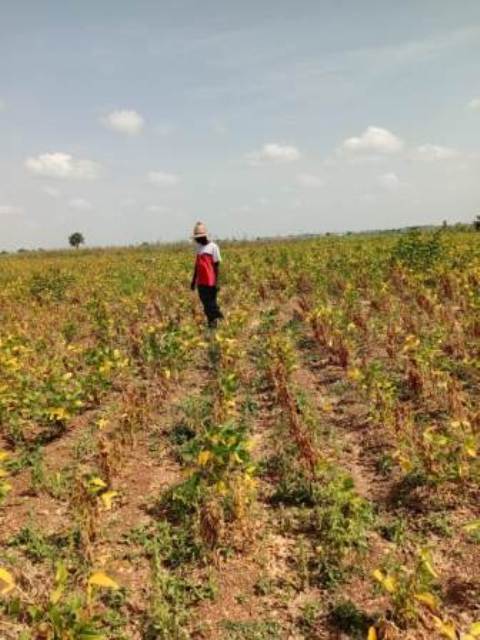
Although soybeans offer several opportunities, the crop is not without challenges.
Farmers who want to switch from maize to soybeans should understand the production requirements.
Choose the right variety
Not every soybean variety performs equally well in every location.
Farmers should obtain certified seeds of varieties recommended for their agroecological zone.
In Nigeria, varieties such as TGx 1448-2E and other improved TGx lines are used in soybean production.
However, farmers should confirm suitability, maturity period and seed availability with agricultural extension officers or recognised seed suppliers.
Plant at the right time
Soybeans depend on adequate moisture for germination, establishment and reproductive development.
Planting should be timed according to local rainfall patterns and the maturity period of the selected variety.
Late planting can expose the crop to moisture stress during flowering and pod filling.
Pay attention to spacing and plant population
Correct spacing helps plants receive adequate sunlight, nutrients and air circulation.
Farmers should follow the recommended spacing for their variety and production system rather than planting too densely.
Overcrowding can encourage competition and make weed and disease management more difficult.
Control weeds early
Weeds compete with soybean plants for water, nutrients and sunlight.
The early stages of soybean growth are particularly important.
Farmers should maintain a relatively weed-free field during crop establishment.
Depending on the field size and available resources, this can be achieved through timely manual weeding or properly selected herbicides.
Always use herbicides registered for the intended crop and follow the label instructions.
Harvest at the right time
Waiting too long after maturity can lead to pod shattering, especially when dry weather and strong winds affect the field.
Harvesting too early can result in grains with excessive moisture.
Farmers should monitor pod maturity and harvest when most pods have turned brown and the grains are mature.
Timely harvesting reduces avoidable field losses.
- Common Mistakes Soybean Farmers Should Avoid
Here are some mistakes that can reduce the success of soybean production.
Mistake 1: Planting recycled seeds without checking quality.
Old, poorly stored seeds may have low germination rates. Always check seed quality and use certified planting materials where possible.
Mistake 2: Assuming soybeans do not need fertilizer.
Legumes still need essential nutrients. Biological nitrogen fixation does not replace every soil nutrient requirement.
Mistake 3: Planting without considering the market.
Before planting several hectares, identify potential buyers, processors or aggregators. A good harvest without a reliable market can become a financial problem.
Mistake 4: Ignoring inoculation.
Where effective soybean-nodulating bacteria are absent or insufficient in the soil, appropriate inoculation can improve nodulation and nitrogen fixation.
Farmers should use a suitable soybean inoculant, observe storage instructions and apply it correctly.
Mistake 5: Storing wet soybeans.
This can encourage mould growth, heating and deterioration. Proper drying is essential.
Mistake 6: Cultivating the entire farm with soybeans without testing the business.
Farmers who are new to the crop should consider starting with a manageable portion of their land. They can learn the production requirements, evaluate the market and expand when the results justify it.
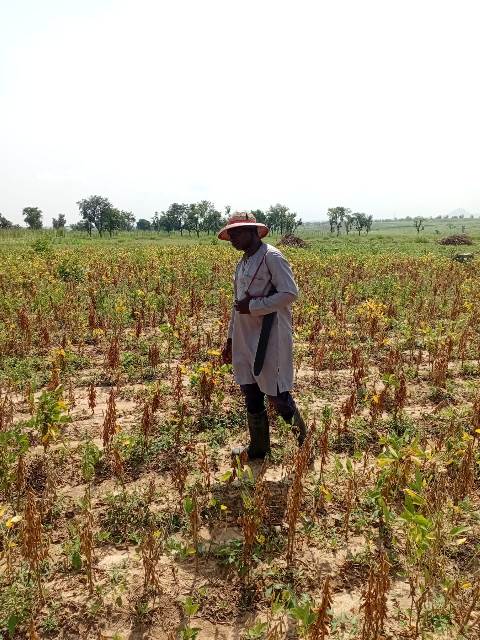
- Should Farmers Abandon Maize Completely for Soybeans?
My answer is no.
Maize remains an important crop in Nigeria. It is used for human food, livestock feed, industrial processing and many other purposes.
Soybeans also have their own production challenges, market fluctuations and input requirements.
The smartest approach for many farmers may be diversification rather than completely abandoning one crop for another.
For instance, a farmer with five hectares may decide to cultivate three hectares of maize and two hectares of soybeans.
Another farmer may use a maize-soybean rotation system, depending on land availability, rainfall, labour, market demand and production costs.
This approach can spread market risks and create different income opportunities.
It also allows farmers to learn soybean production without putting their entire farming investment into an unfamiliar crop.
Before making a decision, compare the expected cost of production, likely yield, available buyers, prevailing market prices and transportation expenses for both crops.
Remember, the crop that gives the highest revenue is not necessarily the crop that gives the highest profit.
What matters is what remains after all production and marketing expenses have been deducted.
Conclusion
The Future of Soybean Farming in Nigeria Is Worth Paying Attention To
The growing interest in soybean farming is not happening without a reason.
Rising fertilizer costs, uncertainty in the maize market, increasing demand for vegetable oil, the importance of soybean meal in livestock feed production and the expansion of soybean-based food products are all creating opportunities for farmers.
Soybeans are no longer just another legume cultivated for household consumption. They are an important industrial and commercial crop connecting crop farmers, livestock producers, food processors and manufacturing businesses.
For Nigerian farmers, this presents an opportunity to rethink their cropping decisions and explore new sources of agricultural income.
But opportunity must go hand in hand with proper planning.
Do not plant soybeans simply because other farmers are planting them. Understand your soil, choose the right variety, manage weeds, harvest at the right time, dry your grains properly and identify your market before investing heavily.
Most importantly, do not ignore maize. Both crops have important roles in Nigerian agriculture.
The future belongs to farmers who understand their markets, manage production costs and make decisions based on practical knowledge rather than excitement.
A good farmer does not just ask, “Which crop can I produce?” A smart farmer also asks, “Who will buy what I produce, how much will production cost me, and what will remain as profit?”
Let’s hear from farmers!
Are you currently cultivating soybeans, maize or both?
What has your experience been with the cost of production, market prices and profitability?
Do you think soybean farming will become a more attractive business than maize farming for Nigerian farmers in the coming years?
Share your experience in the comment section. Your contribution may help another farmer make a better farming decision.
If you found this article useful, share it with other farmers, especially those planning their next planting season. Let’s keep learning and growing together.