

Your Body Is Your First Farm Tool: 6 Health Habits Every Farmer Must Adopt After 40
Farming is a serious business that can drain you physically, mentally and financially. But most critically, your mental and physical health matters because you need to be alive and healthy before anything else.
If you’ve spent years working the land, raising animals, and pushing through long days under the sun, you already know one hard truth: farming is not for the weak. It demands strength, stamina, and resilience.
But here’s something many farmers overlook: your body is your most important farm tool.
After 40, things begin to change. You may not notice it immediately, but the body doesn’t recover as fast, strength gradually reduces, and small health issues can quietly grow into serious problems.
The same way you maintain your tractor, your poultry house, or your livestock, you must now intentionally maintain your body.
Let’s talk about 6 practical health habits that can help you stay strong, active, and productive on your farm for many more years.

-
Health Habits Every Farmer Must Adopt: You should Start Your Day with Gentle Body Activation (Not Sudden Hard Labor)
Many farmers wake up and go straight into heavy work, lifting feed bags, bending, carrying, or chasing animals. This is one of the biggest mistakes after 40.
Your body now needs warming up, just like an engine.
What you should do as a farmer:
Spend just 5–10 minutes every morning doing simple movements:
- Stretch your arms, legs, and back
- Rotate your neck and shoulders
- Take a short walk around the farm before starting work
Why it matters:
This reduces:
- Muscle pull
- Joint pain
- Sudden fatigue
Real-life example:
A poultry farmer who started stretching daily noticed his constant waist pain had reduced within two weeks. He didn’t stop working; he just prepared his body better.
Related article:
Chemical Safety for Farmers: Practical Health Measures to Prevent Chemical-Related Illnesses
7 Practical Ways Farmers Can Reduce Stress without Leaving the Farm
Importance and Benefit of Massage Therapy
-
Health Habits Every Farmer must adopt, especially after 40 Years of Age, involves Drinking Water Like it’s Feed for Your Body
Many farmers underestimate water. They work for hours under the sun and only drink when they feel very thirsty.
That’s dangerous.
After 40, dehydration can lead to:
- Fatigue
- Dizziness
- Kidney problems
- Joint stiffness
Practical habit:
- Start your day with 1–2 cups of water
- Carry a bottle around your farm
- Drink small amounts every 30–60 minutes
Simple trick you can use:
If your urine is dark yellow, your body is already crying for water.
What some farmers do wrong:
Some farmers mistake dehydration for “tiredness” and take energy drinks or alcohol. That only worsens the problem.
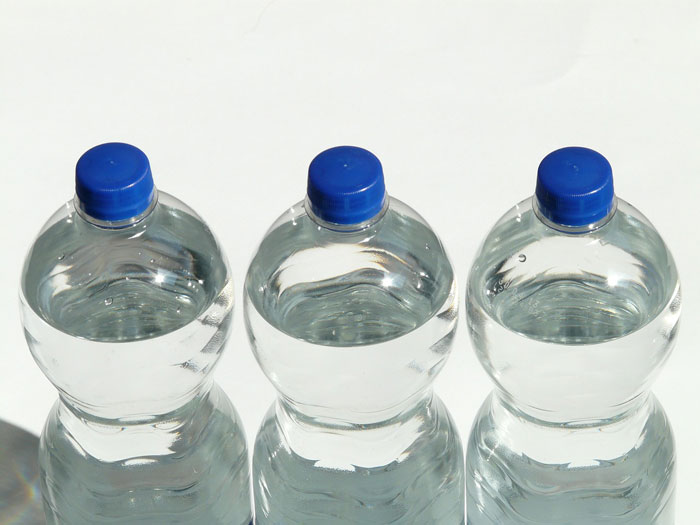
Water is critical for survival and good health

-
Every farmer should eat to Sustain Strength, Not Just to Fill Stomach. It’s a very important Health Habits Every Farmer Must Adopt
Let’s be honest, many farmers eat whatever is available:
- Leftover food
- Heavy carbs only (garri, fufu, rice)
- Little or no fruits and vegetables
- Eat a balanced diet
After 40, your body needs quality nutrition, not just quantity.
What your meals should include:
- Proteins: eggs, beans, fish, chicken (for muscle repair)
- Vegetables: ugu, spinach, okra (for vitamins)
- Healthy carbs: yams, rice, maize (for energy)
- Fruits: banana, orange, pawpaw (for immunity)
Simple adjustment:
Instead of eating only garri in the afternoon, add:
- Groundnuts
- Milk
- Or a piece of fruit
Why this matters:
Good food helps you:
- Maintain strength
- Heal faster
- Avoid frequent illness
Related article:
Life-Saving Tips on How to Prevent Shock In Case Of a Serious Health Emergency
How You Can Stop Bleeding Wounds before Help Come’s
Gunshots and Stab Wound, Helpful Tips on How to Manage and Prevent It.

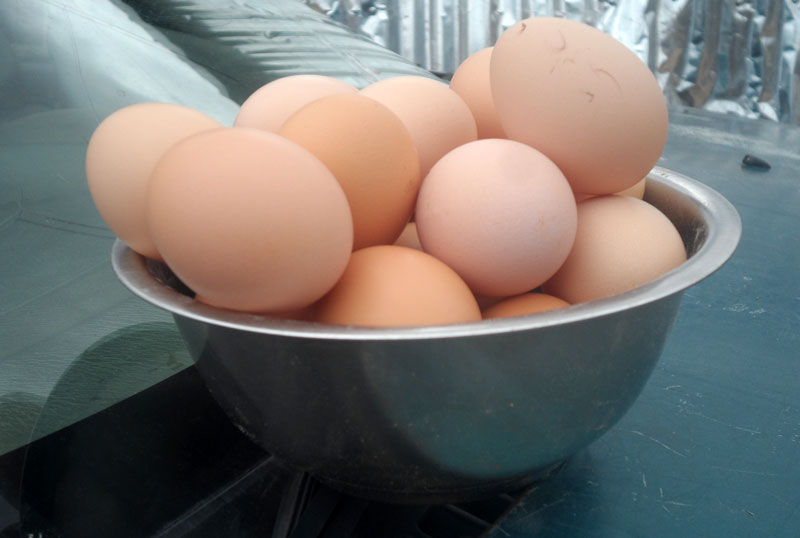
Eating healthy
-
Respecting Rest, knowing that Your Body Is Not a Machine is a very important Health Habits Every Farmer Must Adopt
This one is tough for hardworking farmers.
There’s always something to do:
- Feeding animals
- Checking crops
- Fixing fences
- Going to market
But ignoring rest is costly.
After 40, lack of rest can cause:
- Chronic fatigue
- High blood pressure
- Weak immunity
Practical habit:
- Sleep at least 6–7 hours daily
- Take short breaks during the day (even 10–15 minutes)
- Avoid working late into the night unnecessarily
Real-life insight:
A livestock farmer noticed he was always getting sick. After adjusting his sleep and resting properly, his productivity improved, even though he worked fewer hours.
Working longer doesn’t always mean working better.
Related article:
How to Farm Smart, Not Hard: To Avoid Burnout in Farming with 7 Simple Daily Habits That Protect Your Energy and Strength
Healthy Skin: 8 Ways You Can Maintain a Youthful, Glowing Skin
6 Health-Boosting Benefits of Farming You Need to Know

-
Protect Your Body during Farm Work is a serious and critical Health Habits Every Farmer must adopt after 40 years
Farming exposes you to:
- Dust
- Chemicals
- Animal waste
- Sharp tools
When you’re younger, your body tolerates these better. After 40, the effects accumulate.
Simple protective habits:
- Wear boots to avoid injuries and infections
- Use hand gloves when handling chemicals or waste
- Cover your nose when dealing with dust or poultry litter
- Use a hat under hot sun
Why this matters:
These small habits prevent:
- Respiratory issues
- Skin infections
- Long-term health damage
Simple practical example:
A poultry farmer, constantly exposed to ammonia smell without protection, later developed breathing problems. A simple face mask could have reduced that risk.
Related article:
High Blood Pressure: 10 Simple Ways you can Effectively Lower it
8 Natural Ways You Can Lower Your Blood Sugar.
-
A critical Health Habits Every Farmer must adopt after 40 involves constantly checking Your Health before It Forces You To
Many farmers avoid hospitals unless the situation becomes serious.
That’s risky, especially after 40.
Some conditions show no early symptoms, such as:
- High blood pressure
- Diabetes
- Kidney issues
What you should do:
- Check your blood pressure at least once every 2–3 months
- Do basic medical tests once or twice a year
- Pay attention to warning signs:
- Constant tiredness
- Frequent urination
- Headaches
- Body pains that don’t go away
Hard truth every farmer should take seriously:
It’s cheaper to prevent a problem than to treat it.
Learn to Work Smarter, Not Just Harder
As you grow older, your strength should shift from muscle to common sense and strategy.
Examples:
- Use wheelbarrows instead of carrying loads on your head
- Install automated drinkers and feeders that reduce stress and make your work easier
- Delegate heavy tasks when possible to younger folks
- Mechanise most of your farm work as much as you can
Why it matters:
You conserve energy and reduce wear and tear on your body.
Summarily
Your Farm Needs You Alive, Healthy and Strong
Think about this for a moment…
Your crops depend on you.
Your animals depend on you.
Your family depends on you.
If your body breaks down, everything else suffers.
Taking care of your health is not laziness.
It is a smart farming investment.
Start small:
- Drink more water
- Rest better
- Eat smarter
- Move wisely
Over time, these habits will keep you:
- Stronger
- Healthier
- More productive
And most importantly…
“Able to enjoy the fruits of your hard work”.


