The Farm Wealth Formula: How Smart Farmers Turn Animal Waste into Bigger Harvests and Bigger Profits
Imagine throwing money away every single day without realising it. Sounds impossible, right? Yet, many farmers do exactly that whenever they treat animal waste as a useless by-product instead of a valuable farm resource.
The droppings from your chickens, goats, rabbits, sheep, pigs, and cattle are not just waste. They are a hidden source of wealth sitting right inside your farm.
Smart farmers understand this secret. They know that animal waste (manure) can improve soil fertility, increase crop yields, reduce fertiliser costs, and even generate extra income.
In today’s world, where the prices of chemical fertilisers keep increasing, turning animal waste into wealth is no longer an option; it is becoming a necessity.
Let’s explore how you can transform what many people call “waste” into bigger harvests and bigger profits.
Why Animal Waste Is Actually Farm Gold
Every day, your animals eat feed and convert a large portion of those nutrients into manure and urine. These wastes contain valuable nutrients such as:
- Nitrogen (N) – promotes leafy growth.
- Phosphorus (P) – helps root development and flowering.
- Potassium (K) – improves fruiting and strengthens plants.
- Organic matter – improves soil structure and water retention.
Instead of spending huge amounts of money buying fertilisers, smart farmers recycle these nutrients back into their fields.
Think of it this way: your livestock and crops can work together as one profitable system.
Your crops feed your animals, and your animals feed your crops.
That is the real farm wealth formula.
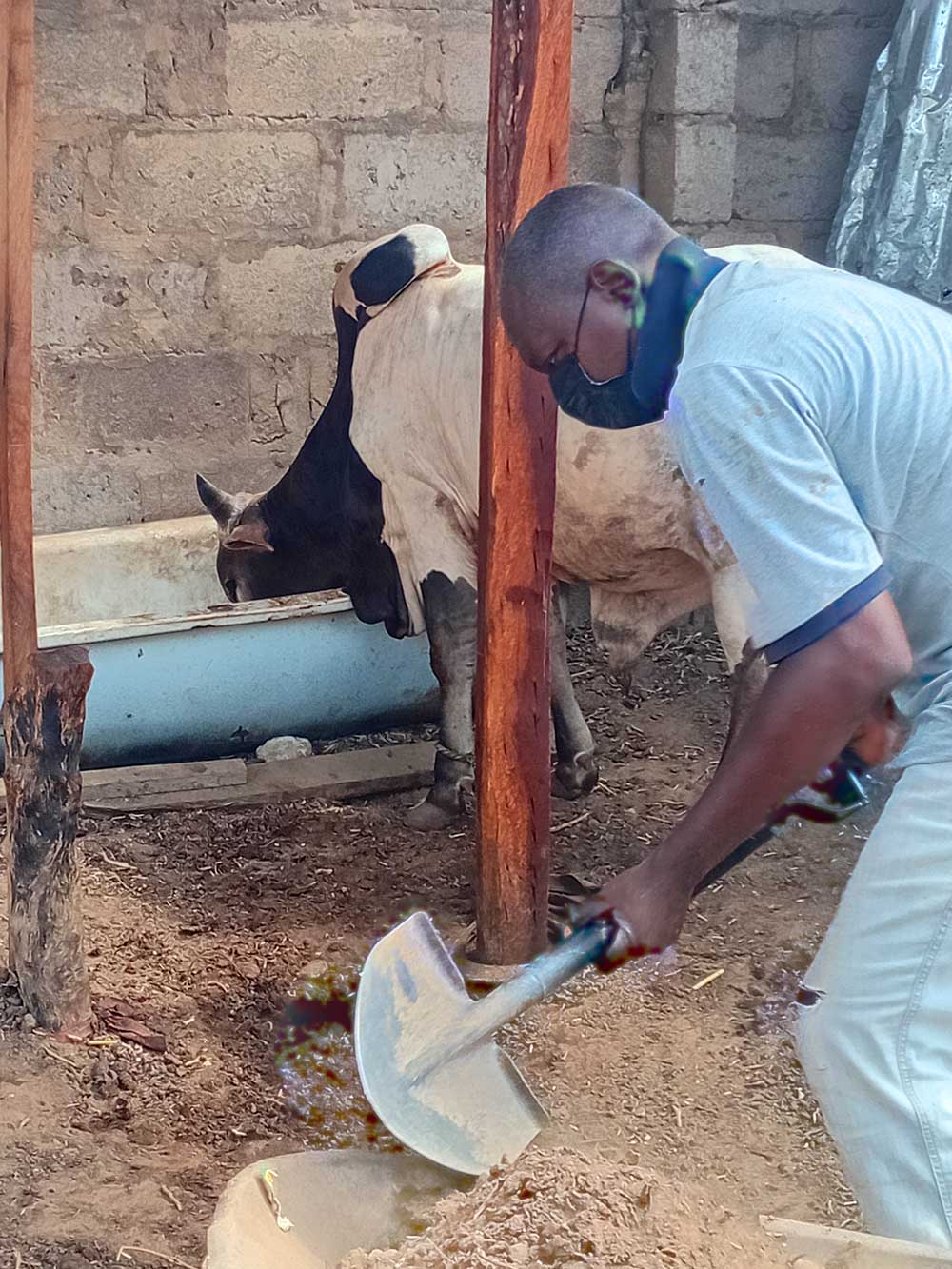
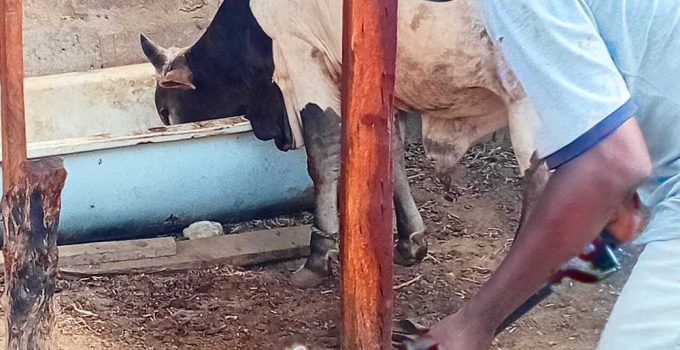
clearing animal waste from the cow
The Hidden Cost of Wasting Animal Manure
Many farmers allow manure to pile up carelessly behind animal houses or wash it away during cleaning. Unfortunately, this leads to several losses:
- Loss of Valuable Nutrients
When animal waste (manure) is exposed to the sun and rain, important nutrients evaporate or get washed away.
- Environmental Pollution
Improper disposal can pollute nearby streams and create bad odours.
- Increased Production Costs
Farmers who waste manure often spend more money buying fertilisers.
- Increased Pest Problems
Piles of unmanaged manure can attract flies and other pests.
In simple terms, wasting manure is like burning money.
Related article:
Enhancing Soil Fertility and Structure with Composted Manure
8 Economic Importance of Compost Manure to Local Farmers
How Animal Waste Improves Soil Fertility
One major reason successful farmers treasure manure is that it improves soil health.
Healthy soil is the foundation of profitable farming.
Animal waste (manure) helps by:
Improving Soil Structure
It makes heavy soils softer and sandy soils better at retaining moisture.
Increasing Water-Holding Capacity
Fields treated with organic manure can hold water longer, which is especially useful during dry periods.
Encouraging Beneficial Microorganisms
Healthy microorganisms break down nutrients and make them available to crops.
Reducing Soil Erosion
Organic matter improves soil stability and reduces nutrient loss.
Many farmers notice that crops grown on manured land stay greener and healthier even during stressful weather conditions.
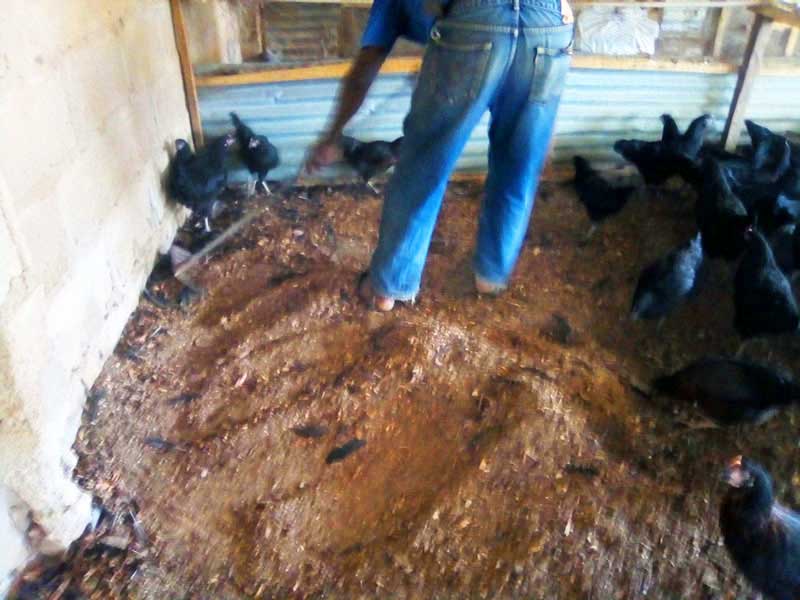
Different Animal Waste (Manures) and Their Benefits
Not all animal waste (manure) is the same. Each one has unique advantages.
Poultry Manure
Poultry droppings are rich in nitrogen and phosphorus.
Excellent for:
- Maize
- Vegetables
- Leafy crops
- Fruit trees
Because poultry manure is strong, it is often better to compost it before applying it.
Related article:
6 Simple Ways to Manage the Manure on Your Farm
Healthy Farmer, Healthy Farm: 12 Farm Health and Safety Practices Every Farmer Must Know
Rabbit Manure
Rabbit droppings are among the best organic fertilisers.
They:
- Release nutrients slowly.
- Improve soil structure.
- Can sometimes be applied directly to crops.
Many vegetable farmers love rabbit manure because it is gentle and highly nutritious.
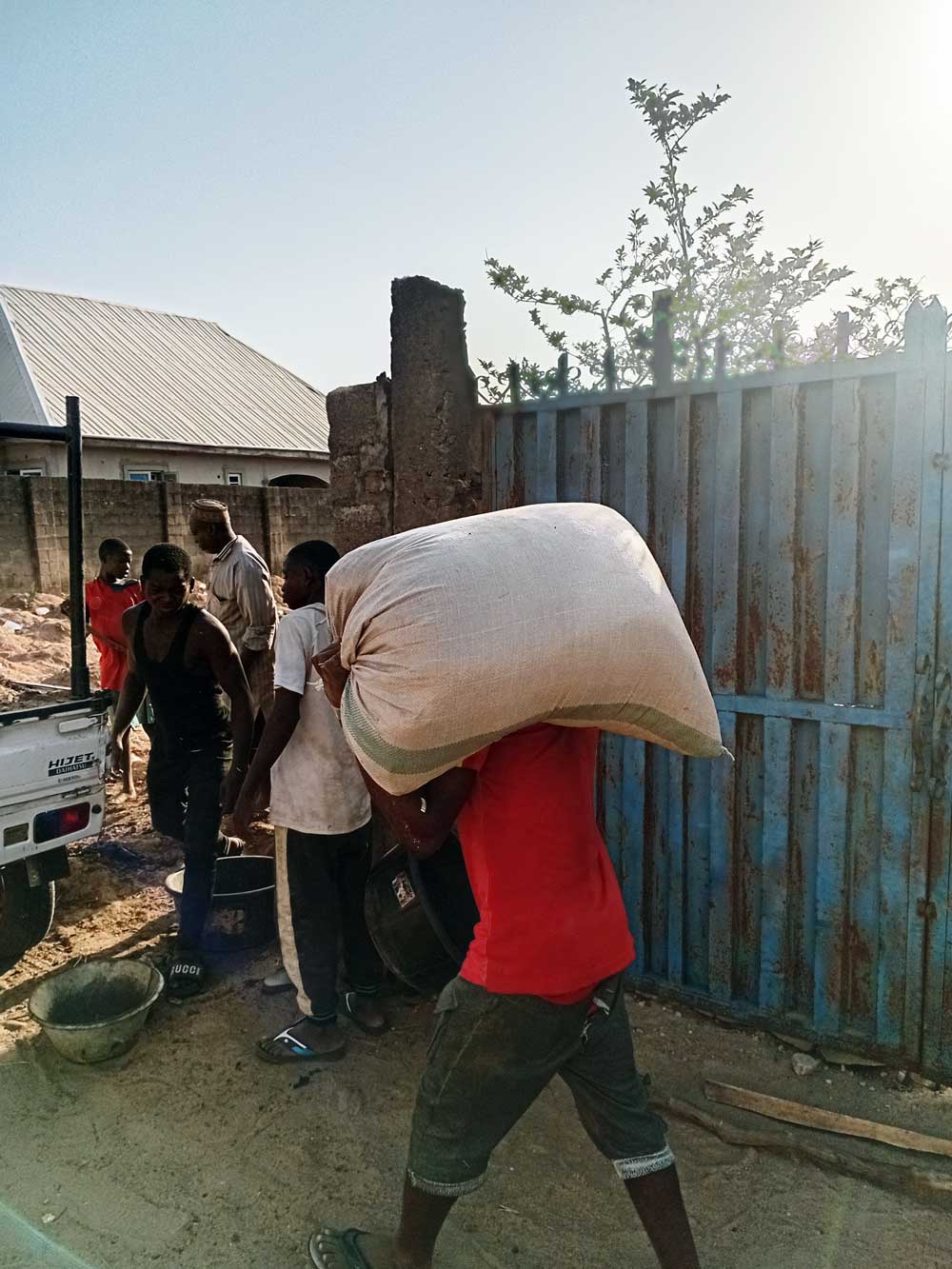
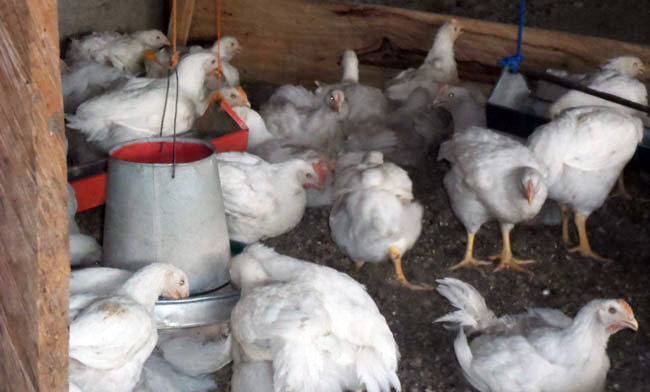
Animal waste: from a poultry farm
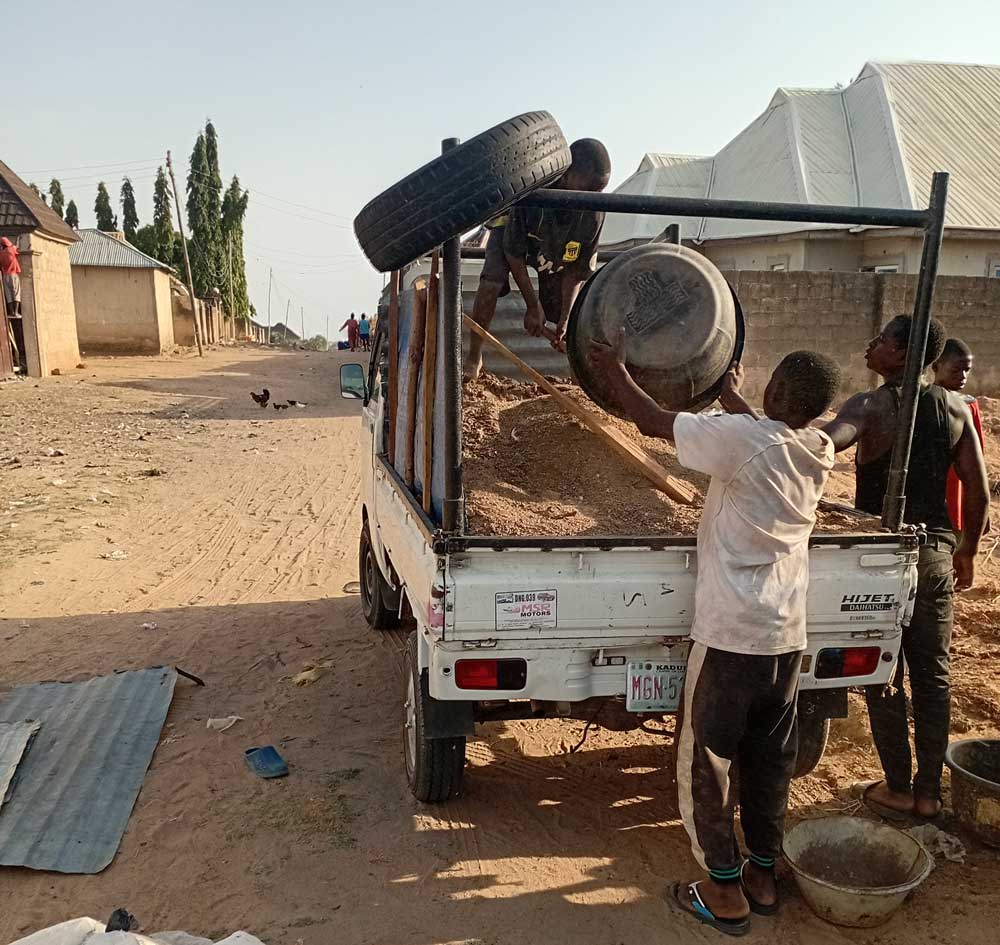
Cattle Manure
Cow dung improves soil organic matter significantly.
It is excellent for:
- Large farms
- Crop fields
- Orchard production
Goat and Sheep Manure
These manures are nutrient-rich and decompose quickly.
They are especially useful for vegetable production and fruit farming.
Related article:
Turning Your Home into a Profitable Backyard Rabbit Farm: A Step-by-Step Guide to Lasting Profit
Livestock Goldmine: 6 Smart Agribusiness Ideas Turning Animal Farming into a Job Creation Machine
10 Profitable Farm Businesses Young People Are Ignoring
Pig Manure
Pig manure contains good nutrient levels and can be used after proper composting.
Composting: Turning Animal Waste into Black Gold
One of the smartest ways to maximise animal waste is through composting.
Composting is simply the controlled decomposition of organic materials.
Instead of applying fresh manure immediately, composting offers several benefits:
- Reduces bad odour.
- Kills many harmful organisms.
- Reduces weed seeds.
- Makes nutrients more available.
- Produces a stable and easy-to-handle fertiliser.
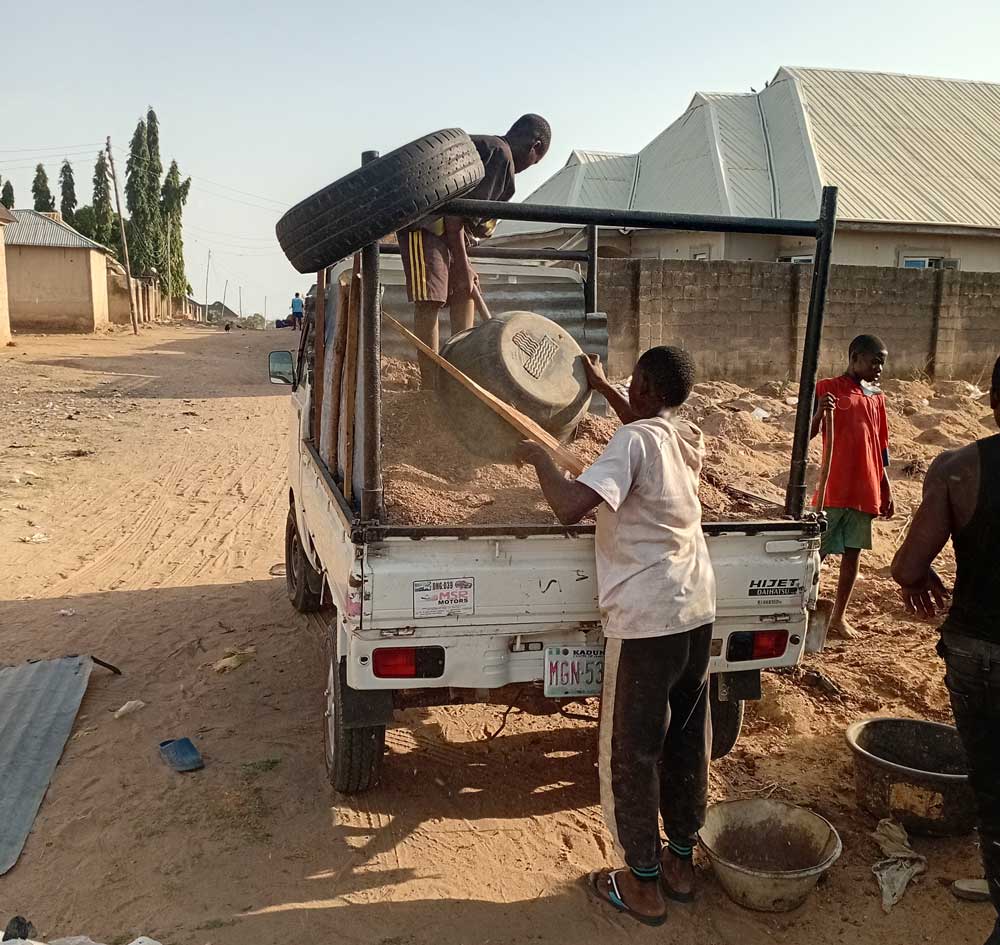
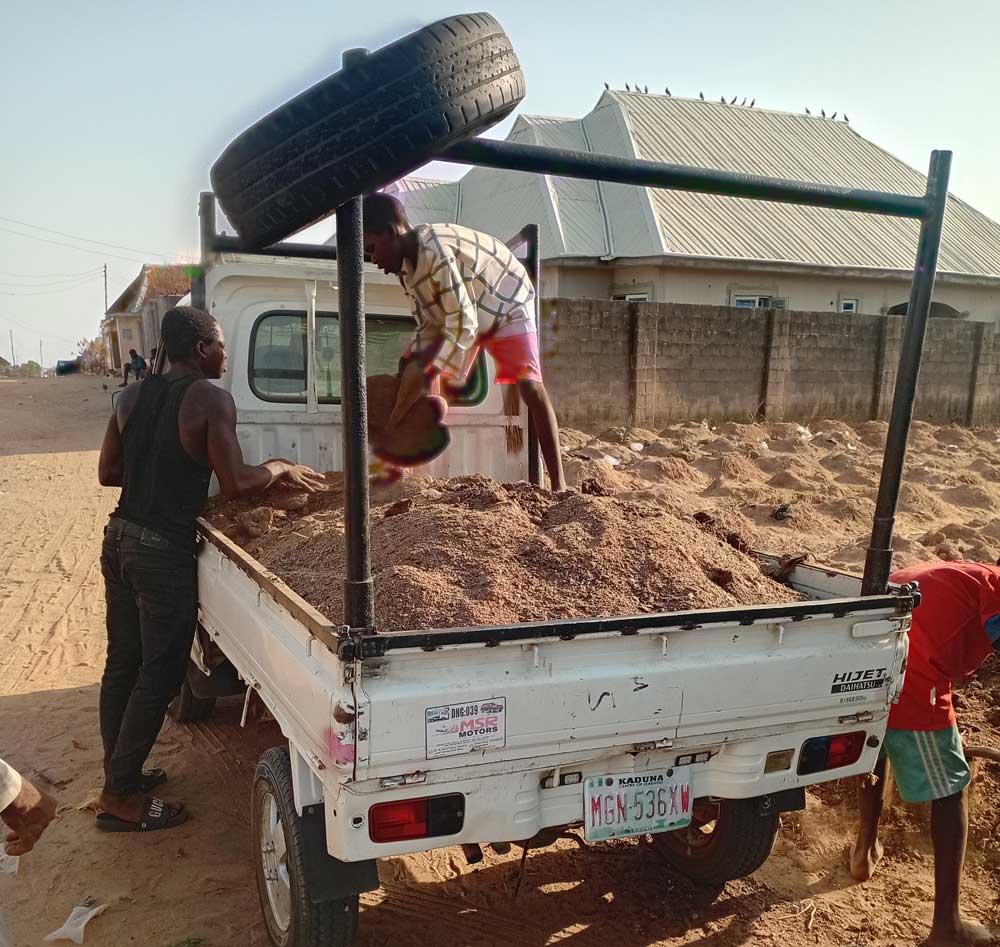
Simple Steps for Composting
Step 1: Select a Site
Choose a shaded location that is not easily flooded.
Step 2: Gather Materials
You can combine:
- Animal manure
- Dry grass
- Crop residues
- Kitchen waste
- Leaves
Step 3: Build the Pile
Arrange the materials in layers.
Step 4: Add Moisture
The pile should be moist but not waterlogged.
Step 5: Turn the Pile
Turn it every few weeks to allow air circulation.
After several weeks or months, depending on conditions, you will have dark, crumbly compost that smells like fresh soil.
That compost is farm wealth in your hands.
Related article:
A Practical Step-by-Step Guide to Profitable Cow Fattening Business in Just 3–6 Months
How to Start Cow Fattening Business: Using What Your Farm Already Produces To Feed Your Cows
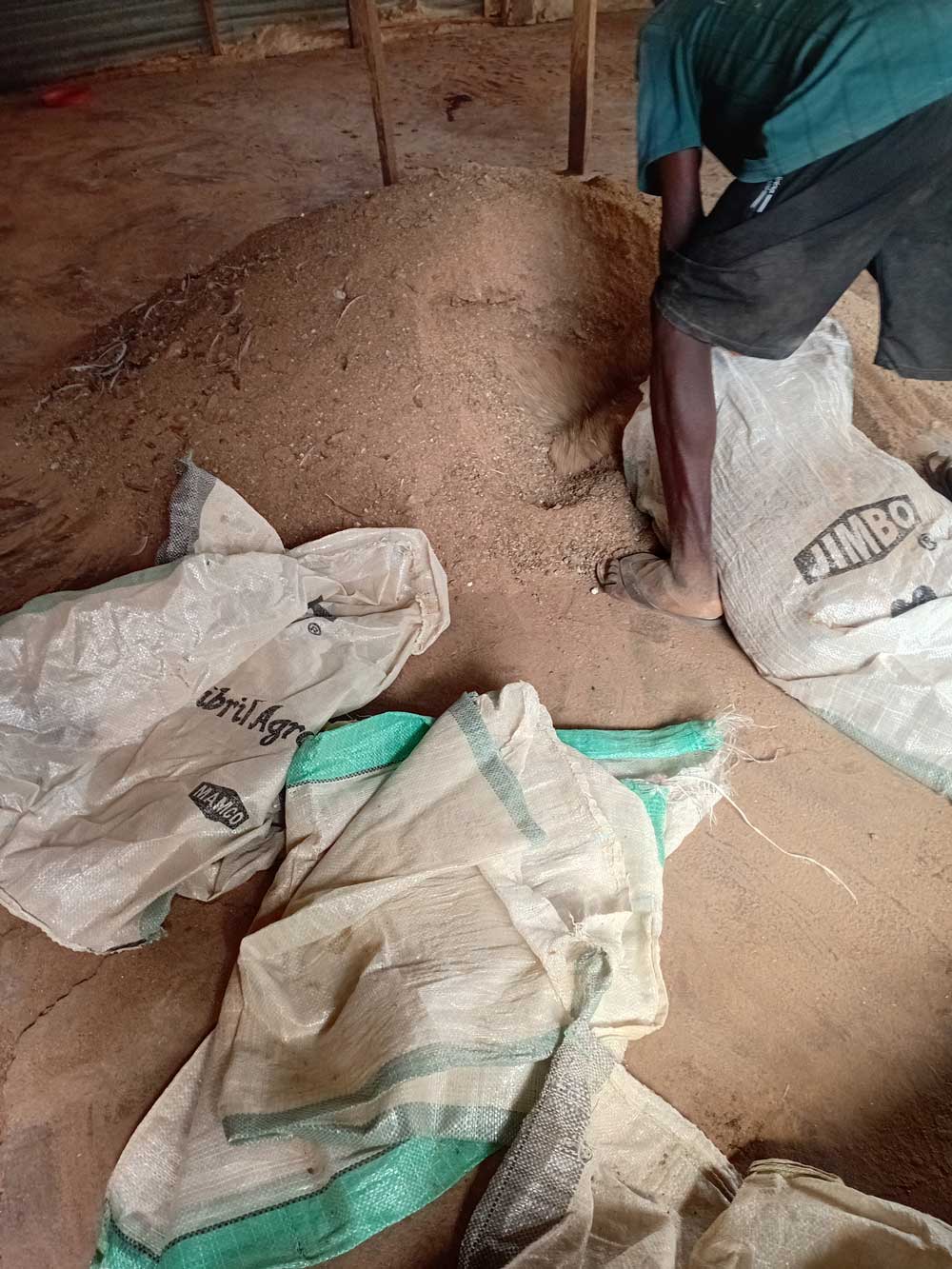
Bigger Harvests through Organic Matter
Many farmers focus only on fertilisers and forget that soil needs organic matter too.
Organic matter acts like a sponge and a nutrient bank.
Fields rich in organic matter often experience:
- Better germination.
- Stronger root systems.
- Reduced drought stress.
- Higher crop yields.
- Better nutrient efficiency.
Some farmers who consistently apply animal waste (manure) report noticeable improvements in yield after several seasons.
The secret is consistency.
The soil becomes healthier year after year.
Save Money on Fertiliser Costs
One of the biggest expenses in crop production is fertiliser.
Prices continue to rise, and this affects farm profitability.
By using animal waste (manure) effectively, farmers can:
- Reduce dependence on expensive fertilisers.
- Improve fertiliser efficiency.
- Lower overall production costs.
Even if you still use chemical fertilisers, combining them with organic manure often gives better long-term results than using chemicals alone.
This approach is known as Integrated Soil Fertility Management, and many successful farmers practice it.
Related article:
5 Solid Ways You Can Feed Your Goats and Maintain Good Health throughout Their Rearing Period
Why Some Farmers Get It Wrong In Goat Farming
Animal Waste (manure) Can Become Another Source of Income
Here is something many farmers overlook.
You do not necessarily have to use all your manure yourself.
You can also sell it.
There is increasing demand for organic manure from:
- Vegetable growers
- Urban gardeners
- Fruit farmers
- Organic farming enthusiasts
Many poultry and rabbit farmers earn extra income simply by packaging and selling their manure.
What some people consider waste can become another product from your farm.
That is smart farming.
Producing Biogas from Animal Waste
Large commercial farms can go even further.
Animal waste can be converted into biogas.
Biogas can be used for:
- Cooking
- Heating water
- Generating electricity
The leftover slurry from biogas production is still an excellent organic fertiliser.
This means one resource gives you two products:
- Energy.
- Fertilizer.
That is maximising profit from every aspect of the farm.
Reducing Environmental Problems
Proper manure management also protects the environment.
Poorly managed waste can lead to:
- Water pollution.
- Offensive odours.
- Disease spread.
- Increased flies and pests.
Proper composting and storage help farmers maintain cleaner and healthier farms.
A clean farm often means healthier animals and better productivity.
Related article:
From Backyard Plant to Poultry Medicine: 5 Amazing Benefits of Aloe Vera to Poultry Chickens
5 ways you can use to stop your broiler chickens from dying at 4 weeks
Building a Circular Farming System
The most profitable farms often operate like a cycle.
Nothing goes to waste.
For example:
Crop residues feed animals.
Animals produce manure.
Manure fertilises crops.
Crops grow better and produce more residues.
The cycle continues.
This system reduces costs and increases efficiency.
Many successful integrated farms around the world operate using this principle.
Common Mistakes Farmers Make with Animal Waste (Manure)
Applying Fresh Manure Excessively
Too much fresh manure can damage crops.
Leaving Manure Exposed
Sun and rain reduce nutrient content.
Applying at the Wrong Time
Applying manure long before planting may result in nutrient losses.
Ignoring Storage Methods
Proper storage preserves nutrient value.
Failing to Compost
Composting often improves the quality and safety of manure.
Avoiding these mistakes can significantly increase the benefits you get from your animal waste.
Practical Tips for Farmers
Here are some simple ways to get started:
Start Small
Even a few bags of compost can improve your soil.
Keep Records
Compare yields before and after manure application.
Store Manure Properly
Protect it from direct sunlight and heavy rain.
Combine Organic and Chemical Fertilisers
This often produces better long-term results.
View Manure as an Asset
The moment you stop seeing manure as waste, your farming system changes completely.
The Real Farm Wealth Formula
The most successful farmers understand one important truth:
Profits are not made only by producing more.
Profits are also made by using resources wisely.
Animal waste is one of the most underutilised resources on many farms today.
Whether you keep chickens, rabbits, goats, sheep, pigs, or cattle, your animals are producing valuable fertiliser every single day.
The question is:
Are you throwing that wealth away, or are you putting it back into your soil and your bank account?
Every bag of manure properly managed can contribute to:
- Healthier soil.
- Bigger harvests.
- Lower input costs.
- Additional income.
- Greater farm sustainability.
Conclusion
The next time you clean your animal house, do not see waste.
See opportunity.
See fertile soil.
See higher crop yields.
See reduced fertiliser bills.
See another stream of income.
Smart farmers know that every resource on the farm has value, and animal waste (manure) is one of the greatest hidden treasures a farmer can possess.
The farm wealth formula is simple:
“Healthy animals produce valuable manure, valuable manure builds healthy soil, healthy soil produces bigger harvests, and bigger harvests lead to bigger profits”.
That is how real farmers turn animal waste into farm wealth.