5 Ways You Can Protect Your Eyes While Farming
Farming gives us plenty to look at: healthy maize standing tall, soybean fields filling out, animals growing well, and that satisfying sight of a good harvest coming closer. But while we are busy watching the farm, how often do we stop to think about protecting the eyes that help us see it?
The truth is that farmers expose their eyes to many hazards during a normal workday. Dust from dry soil, chaff from threshing, smoke from burning vegetation, strong sunlight, chemical splashes, flying particles from machines, and even tiny insects can cause eye problems.
And sometimes, it is not one big accident that causes trouble. It can be years of working in dusty and sunny conditions without proper protection.
I have seen farmers do a very careful job protecting their crops from pests while leaving their own eyes completely exposed when spraying chemicals or operating machinery. That is one mistake we should take seriously.
Here are five practical ways farmers can protect their eyes while working on the farm.
- Wear Proper Protective Eyewear When Spraying Chemicals
Let us start with one of the biggest risks: agricultural chemicals.
When mixing or spraying herbicides, insecticides, fungicides and other farm chemicals, many farmers remember gloves, but the eyes are sometimes forgotten.
That is risky.
A chemical splash into the eye can cause anything from temporary irritation to a serious eye injury, depending on the chemical and the amount involved.
Imagine mixing an herbicide on a windy afternoon. You open the container, measure the chemical and suddenly a small splash lands near your face. You may not even notice immediately. Or perhaps the spray nozzle becomes blocked, and you remove it without thinking, only for the trapped pressure to release liquid towards your face.
These things happen on real farms.
Wear chemical-resistant goggles or suitable safety glasses when mixing and spraying pesticides. Ordinary reading glasses or sunglasses are not a replacement for proper protective eyewear.
Also, avoid putting your face close to the chemical container when measuring or pouring.
Another common mistake is spraying against the wind. Apart from exposing your eyes, this can put the chemical on your skin and clothing and increase the chance of inhaling the spray.
If the wind changes direction or becomes too strong, postpone the spraying. The crop will still be there tomorrow.
And if a chemical gets into your eye, do not start experimenting with home remedies. Immediately rinse the eye with plenty of clean running water for at least 15 minutes, unless the product label specifically gives different first-aid instructions, and seek medical attention, taking the product label or container with you.
The label is not decoration. It can contain important first-aid information.
Related articles:
10 Safe Farm Lifting Techniques to Prevent Injuries on the Farm
5 Farm First Aid Essentials Every Farmer Should Have
6 Ways Lack of Sleep Affects Farm Productivity
-
Farm Eye Protection Involves Protecting Your Eyes From Dust, Chaff and Flying Particles
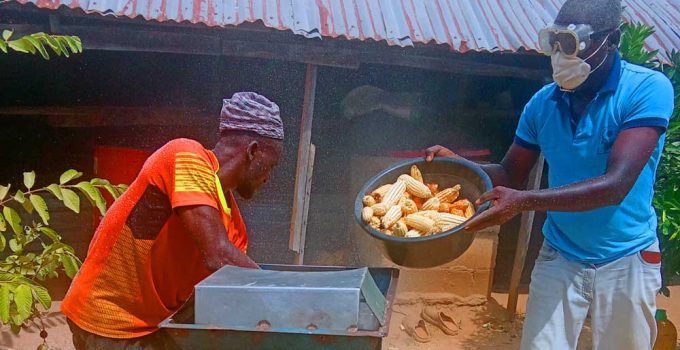
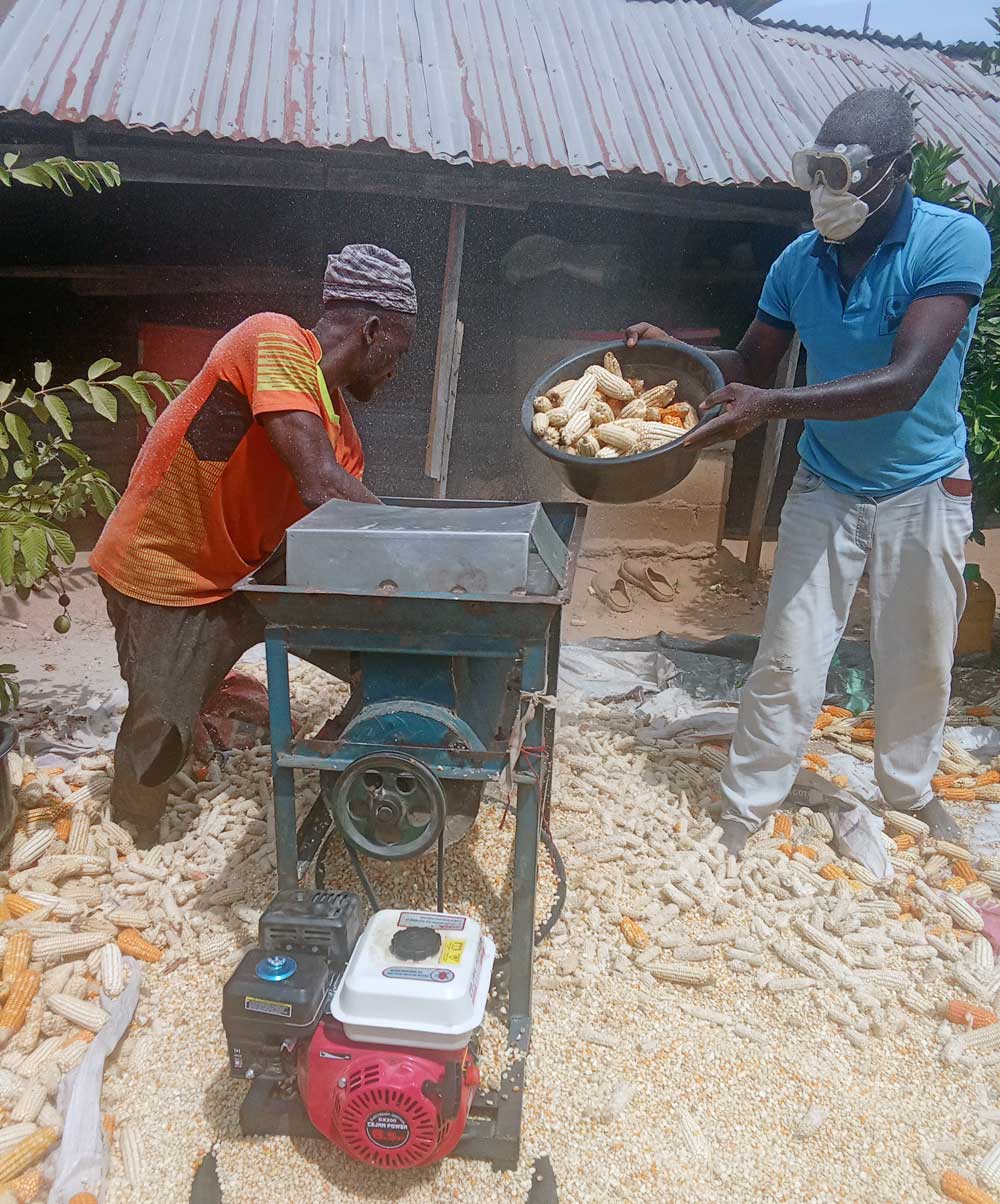
If you have ever harvested, threshed or processed grain, you already know how much dust a farm can produce.
Threshing soybean, maize or rice can send fine particles into the air. Clearing a dry field can produce clouds of dust. Even walking behind a tractor on a dry farm road can leave you breathing and blinking through dust.
The problem is that farmers often become used to it.
You may say, “It is only dust; it will enter and come out.”
Yes, sometimes it will. But repeated exposure can irritate the eyes, especially when dust contains plant particles, soil particles or other contaminants.
The solution does not have to be expensive.
A good pair of protective safety glasses with side protection can make a significant difference during dusty farm operations.
If you are threshing soybeans, for example, consider wearing eye protection before starting the machine rather than waiting until dust becomes unbearable.
And when working with machinery, don’t stand unnecessarily close to areas where grain, chaff or debris is being thrown out.
This is especially important for workers on commercial farms. One person operating the machine may understand the danger, while someone standing nearby may not.
Good farm management includes protecting the people working around the machine, not only the person operating it.
-
Take Sun Exposure Seriously
Farmers spend more time outdoors than many other workers, and that means plenty of exposure to sunlight.
You may leave home early in the morning and remain in the field until afternoon. During planting, weeding, spraying, harvesting or livestock work, there may be little shade available.
The eyes also need protection from excessive sunlight.
One simple measure is to wear a wide-brimmed hat or cap. A good hat does more than protect your head. It can reduce direct sunlight reaching your eyes.
Sunglasses can also help, particularly when working under strong sunlight. But don’t just buy the darkest pair you can find from a roadside seller and assume it provides adequate protection.
Look for sunglasses that provide UV protection, preferably UV400 or clearly labelled protection against both UVA and UVB radiation.
This becomes particularly useful when working around reflective surfaces such as water, light-coloured soil or certain farm structures.
For example, a farmer working around irrigation ponds or rice fields may experience strong glare from the water. Good sunglasses can make outdoor work more comfortable.
But remember: dark lenses alone do not guarantee UV protection.
A very dark pair without proper UV protection is not necessarily safer for your eyes.
And if you normally wear prescription glasses, consider prescription sunglasses or other suitable UV-protective options rather than simply wearing two pairs of glasses.
Related articles:
Farmer Heat Stress: Signs, Prevention, and First Aid
Common Snake and Insect Bites on Farms and What to Do Immediately
10 Farmer Energy Foods to Keep You Strong During Long Days on the Farm
- Farm Eye Protection also involves you Been Careful When Working With Machinery, Tools and Animals
Farm machinery has made farming easier, but it has also introduced new hazards.
A brush cutter can throw stones and pieces of vegetation. A grinding machine can produce flying particles. Chainsaws, welding equipment, milling machines and other equipment can create serious eye hazards.
Even simple farm tools can cause problems.
A dry stick can snap unexpectedly. A branch can hit the face. A piece of wire can spring back. A frightened goat or cow can suddenly move its head.
One of the mistakes farmers make is thinking that because they have used a particular tool for years without an accident, it is safe to use without protection.
That is not how accidents work.
Use safety glasses or goggles appropriate for the particular job.
If you are grinding or cutting metal, use proper impact-rated eye protection. If you are welding, use the correct welding helmet or filter suitable for the welding process.
Do not look directly at welding arcs simply because you want to see what another worker is doing.
And when operating machinery, make sure guards are in place where required.
For livestock farmers, remember that animals can also injure the eyes. A cow shaking its head, a ram charging, or a chicken suddenly flying towards the face may sound harmless until it actually happens.
Give animals enough space, especially when handling stressed, aggressive or unfamiliar animals.

-
Keep Your Hands, Face and Farm Environment Clean
This one sounds simple, but it is extremely important.
Farmers touch many things during the day: soil, manure, feed, pesticides, plants, machinery, fuel containers, animal equipment and tools.
Then comes the temptation to rub an itchy eye with the same dirty hand.
That is an easy way to introduce dirt and microorganisms into the eye.
Make handwashing part of your normal farm routine, especially before touching your face or eating.
If clean running water is not immediately available in the field, keep a simple container of clean water and soap at your work area.
Also, avoid using dirty clothes, handkerchiefs or shared towels to wipe your eyes.
If something enters your eye, don’t immediately start rubbing it aggressively. Rubbing can make a small particle scratch the surface of the eye.
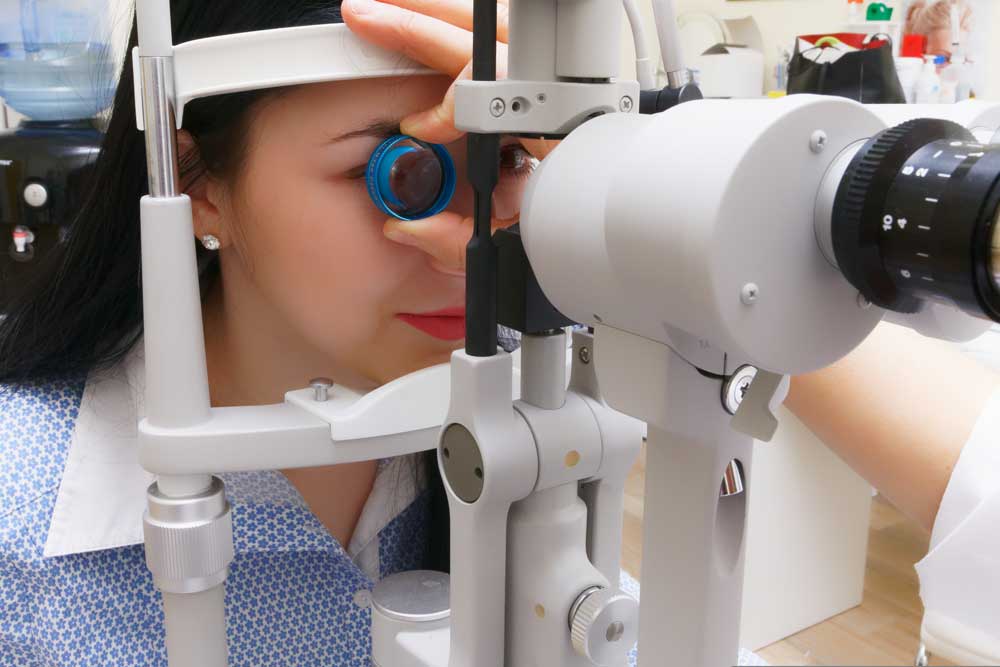
Instead, wash your hands first and gently rinse the eye with clean water. If the object does not come out, or you develop significant pain, blurred vision, persistent redness or sensitivity to light, get medical attention.
And there is another important point: don’t ignore persistent eye symptoms.
Farmers are hardworking people, and sometimes we have the habit of saying, “Let me finish this work first.”
But your eyes are not spare parts.
If your vision suddenly becomes blurred, you experience severe eye pain, see flashes or many new floaters, have a chemical injury, or suffer an injury from a flying object, seek urgent medical care.
Do not continue working simply because the farm job is waiting.
Related articles:
Healthy Farmer, Healthy Farm: 12 Farm Health and Safety Practices Every Farmer Must Know
A Few Affordable Farm Habits That Make a Difference
You don’t need to turn your farm into a hospital to improve eye safety.
Start with a few practical habits.
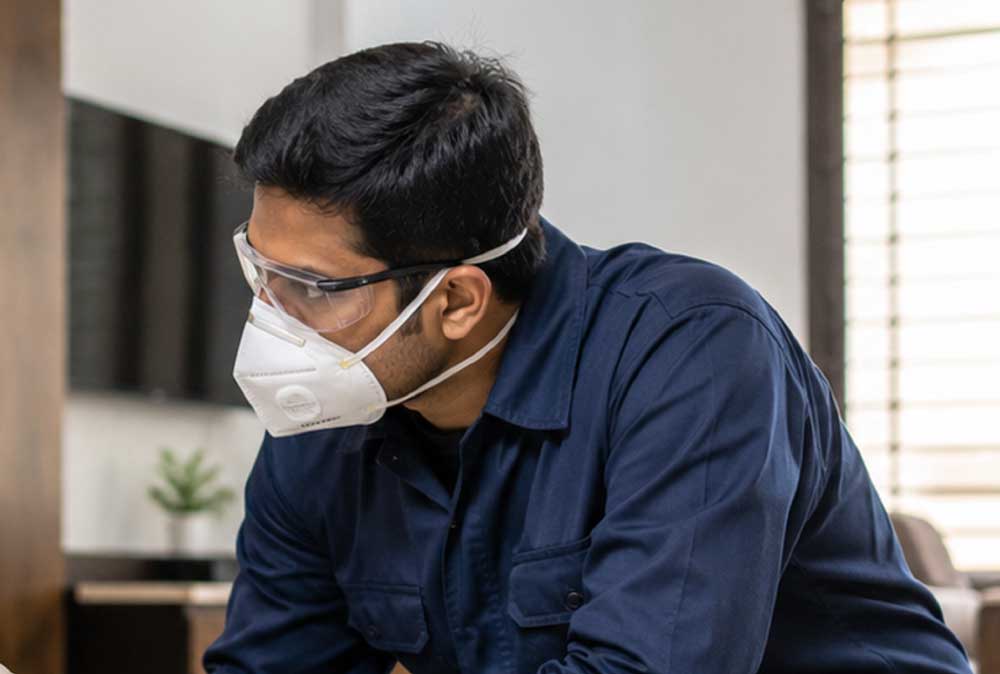
Keep one good pair of safety glasses in your farm toolbox. If several people work on the farm, provide appropriate eye protection for them too.
Keep chemical goggles specifically for spraying and chemical handling.
Store protective eyewear somewhere clean and dry. Don’t throw it into the same dirty corner where you keep used gloves, oily tools and pesticide containers.
Replace scratched or badly damaged safety glasses. Scratched lenses can make it harder to see clearly and may become a nuisance that encourages you to remove them.
And don’t forget the children.
If children visit the farm, keep them away from chemical mixing areas, machinery and other activities that can send particles flying. A farm can be a wonderful place for children to learn, but some farm operations are simply not safe for them to participate in.
Don’t Wait for an Eye Problem Before Taking Action
One thing I have learned from farming is that prevention is usually cheaper than correction.
We protect maize against fall armyworm before the damage becomes severe. We vaccinate livestock before disease enters the herd. We maintain machines before they break down in the middle of important work.
Eye protection should be treated the same way.
You don’t have to wait until your eyes become painful before buying protective glasses.
Whether you are a smallholder farmer cultivating two hectares, a medium-scale farmer managing several workers, or a commercial farmer operating large machinery, the principle is the same: protect the person doing the farming.
Because what is the value of producing a good harvest if the farmer’s health is being sacrificed in the process?
Conclusion
Your eyes work from sunrise to sunset on the farm. Protect them from chemicals, dust, flying particles, excessive sunlight and preventable injuries.
A good pair of safety glasses, proper chemical goggles, a wide-brimmed hat, clean hands and safer working habits may look like small things, but small precautions can prevent big problems.
Farmers, what has been your biggest eye challenge on the farm: dust, sunlight, chemical spray, or something else? Share your experience in the comments.