The Feed Battle Every Farmer Faces: 7 Hidden Truths about Factory-Made vs. Home-Made Poultry Feed
Feed is the heartbeat of your poultry business; it accounts for over 70% cost of production.
It determines your birds’ growth rate, egg production, health, and profit margin. But every serious farmer, whether raising 50 or 50,000 birds, eventually faces one burning question:
Should I keep buying factory-made feed or start mixing my own at home?
This question sparks endless debates across farms and online forums. Some farmers swear by factory feeds for their reliability and ease.
While others insist home-made feeds cut costs and give them total control and good results.
But what’s the real truth behind both options?
Let’s uncover 7 hidden truths every medium to commercial poultry farmer must know before deciding which feed method truly fuels profit and performance.
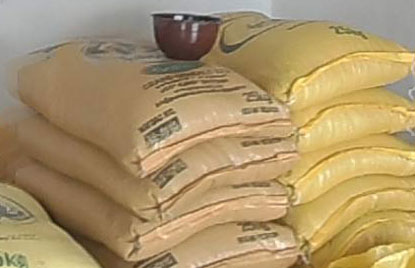
commercially formulated poultry feeds
The Hidden Truth about Factory-Made vs. Home-Made Poultry Feed #1: Convenience comes at a Price, It Means You Are Paying an Extra 20% more.
Factory-made feeds are like instant noodles: easy, consistent, and fast to prepare. You simply open a bag, pour it into the feeders, and relax knowing your birds are eating a balanced formula.
For busy farms, that’s gold. It saves time, labour, and stress.
But here’s the twist: that convenience isn’t free. You’re also paying for branding, packaging, transportation, and the manufacturer’s profit margin.
The stack truth: Factory feeds often cost 10–25% more per kg than mixing your own.
Advantages of factory-made poultry feed: Saves time, ensures consistent quality, and less management hassle.
Disadvantage of factory-made poultry feed: More expensive and less flexible for adjusting nutrition.
So while factory feeds keep your operation smooth, they can quietly shrink your profit margins, especially when feed costs take up 60–70% of your total expenses.
Related article:
7 Reasons Why You Should Use Commercially Formulated Poultry Feeds
7 Reasons Why its Important Farming Your Maize to Feed Your Poultry Birds
13 Important Tips for Good Feed and Water Management in Poultry Farming
The Hidden Truth about Factory-Made vs. Home-Made Poultry Feed #2: Control vs. Dependence Who Really Decides What Your Birds Eat?
With home-made feed, you’re in charge. You decide what goes in how much maize, soybean meal, fishmeal, or premix to use. You can even tweak your formula for seasons or stress periods.
For example:
- In rainy seasons, increase energy ingredients like maize.
- During dry heat, adjust protein and add electrolytes.
That’s full control, something you’ll never get from a bag of commercial feed.
But that control comes with responsibility. If your formula is wrong, your birds will show it in slow growth, weak eggshells, or reduced laying rates.
Advantage of home-made poultry feed: You have total control over nutrition and ingredients.
Disadvantage of home-made poultry feed: Requires feed formulation knowledge and precision.
The big question is: Do you trust your feed knowledge more than a manufacturer’s nutritionist?
Related article:
The 3 Best Daily Feeding Rabbits Habits to Boost Rabbit Growth, Immunity, and Reproduction
Vaccine Failure in Poultry, 7 Killer Mistakes Farmers Make and How to Fix Them
5 Shocking Ways Your Poultry Birds Spread Farm-Wrecking Diseases
The Hidden Truth about Factory-Made vs. Home-Made Poultry Feed #3: Cost Savings Aren’t Always What They Seem
Many farmers rush into home-mixing, thinking they’ll instantly save half their feed cost. But it’s not that simple.
Yes, buying ingredients in bulk can cut expenses. But if you’re feeding less than 2,000 birds, your savings might be wiped out by:
- Transport costs
- Storage losses
- Spoilage or ingredient theft by humans, other chewing, destructive insects and rodents
Meanwhile, factory producers buy raw materials in tons, giving them powerful discounts and better ingredient quality.
Home-Made Poultry Feed Advantage: Can save money if done on a large scale with efficiency.
Home-Made Poultry Feed Disadvantage: Hidden costs from transport, spoilage, and time.
Home-mixing becomes truly profitable only when you scale up and buy raw materials smartly, ideally during harvest seasons when prices drop.

Related article:
7 Key Benefits of Charcoal to Poultry Farming
8 Proven Ways On How to Start and Maintain A Poultry Farm
13 Best Ways to Disinfect, Clean Poultry Houses.
The Hidden Truth about Factory-Made vs. Home-Made Poultry Feed #4: Quality Control Is the Game-Changer
Quality is everything in poultry feed. Even a small mistake moldy maize, poor mixing, or expired premix can ruin bird performance.
In factory-made feeds, ingredients are usually lab-tested, heat-treated, and uniformly mixed, ensuring consistency in every bag.
But with home-mixing, you are the quality control department yourself. You must check every batch for:
- Moisture content
- Mold growth
- Proper mixing uniformity
- Nutrient balance
A small error could lead to poor weight gain, soft-shelled eggs, or even mortality.
And in most cases if you don’t have a good mixer it becomes a problem because poor or uneven mixing of poultry feed result to poor nutrient absorption and utilization by the poultry birds.
Factory Poultry Feed Advantage: Professionally tested and nutritionally consistent as a result of other serious competitor,s i.e other poultry feed manufacturers.
Factory Poultry Feed Disadvantage: Quality varies between brands; some may still cut corners. You have to always be on the lookout for the best poultry with good reviews from other season poultry farmers around.
So, if you choose to mix at home, invest in discipline and testing, not guesswork.
Related article:
6 Ways Your Environment Can Affect Your Broilers’ Behaviour and Performance
8 Ways You Can Easily Sell Your Broilers during the Christmas Festive Period

The Hidden Truth about Factory-Made vs. Home-Made Poultry Feed #5: Equipment and Expertise Matter More Than You Think
Home feed production isn’t just throwing grains into a drum. It requires the right tools and technical know-how.
Essential equipment includes:
- A grinder or hammer mill for fine particle size
- A feed mixer for uniform blending
- Digital scales for accurate ingredient measurement
- Dry storage areas to prevent mould, rodents and pests
Without these, your feed won’t be balanced. One bird eats all the maize dust while another gets the protein lumps.
Home-made poultry feed. Advantage: Long-term cost savings once the system is set and you’ve mastered your skills.
Home-made poultry feed: Disadvantage: High initial investment in tools and training.
If you’re serious about home-mixing of your poultry feed, hire or consult a qualified animal nutritionist. It’s cheaper than losing a flock to poor feed balance.
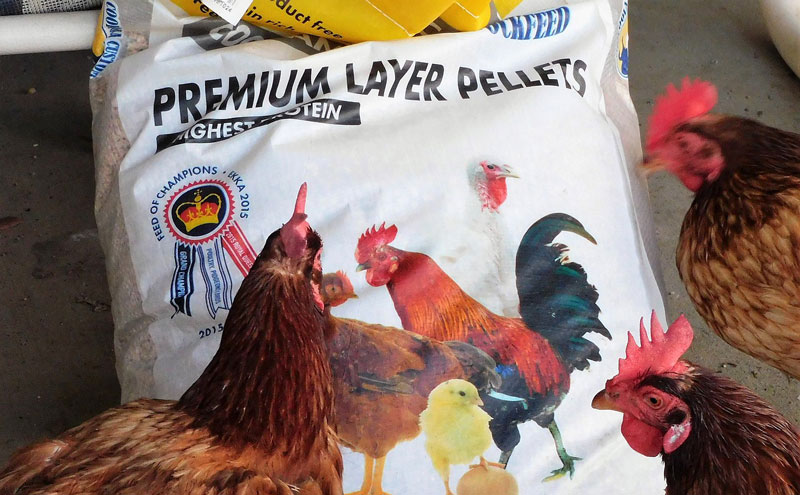
A well formulated poultry feeds
Related article:
How to Feed Your Noiler Chickens For Maximum Profits
How to Successfully Brood Noiler Chicks
5 Simple, All-Natural Tricks to Keep Your Farm-Fresh Eggs Last Longer
The Hidden Truth about Factory-Made vs. Home-Made Poultry Feed #6: Regulatory and Safety Standards Are Often Overlooked
Commercial feed companies must meet strict Nutrient and Safety Standards set by states before their feeds hit the market. Each bag often lists crude protein, calcium, and other guaranteed values.
When you mix feed at home, there’s no external check. You become the regulator.
If your maize has aflatoxins which is very dangerous to your birds, or your ingredients are stored poorly, your birds may develop chronic diseases or poor productivity without you realizing it.
Factory-made Poultry Feed Advantage: Subject to government quality control and regulations.
Home-made Disadvantage: Risk of contamination and nutrient imbalance if you are careless during production.
Poultry Feed Hygiene Checklist for Home Mixers:
- Keep raw materials dry and well-ventilated away from rain, dampness, pests and rodents.
- Disinfect grinders and mixers weekly.
- Label each batch clearly.
- Monitor feed performance through egg yield or growth rate.
Remember, good feed hygiene equals healthy birds and healthy profits.
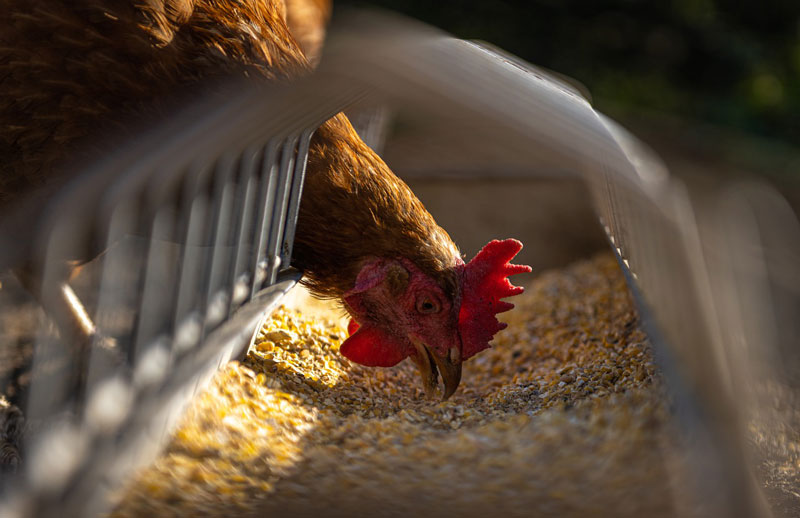
Chickens should be fed mycotoxin-free feeds
The Hidden Truth about Factory-Made vs. Home-Made Poultry Feed #7: The Smartest Farmers Use Both Strategically to their advantage and profits
Here’s the golden secret of many successful poultry farmers:
They use both factory-made and home-mixed feeds strategically.
For example:
- Use factory feed during brooding (first 2–3 weeks) to ensure complete nutrition.
- Switch to home-mixed feed in grow-out or production phases when birds are stronger and feed quantity increases. Probably when the birds have built up some resistance to some common poultry diseases.
Some also blend both (50:50 ratio), balancing cost with consistency.
Balanced Advantage: Flexibility, savings, and steady performance.
Balanced Disadvantage: Requires constant monitoring and adjustment.
This “hybrid feeding model” gives you the best of both world’s factory precision and home-made control.
So, Which Should You Choose? The table is here before you.
Here’s a quick comparison to guide your decision
| Factor | Factory-Made Feed | Home-Made Feed |
| Convenience | Very high | Requires effort and making sacrifices |
| Cost per kg | Higher due to other hidden costs of production | Lower (with scale) |
| Nutrient Control | Limited | Full control |
| Quality Consistency | Reliable (from a reputable poultry feed manufacturer with good reviews from other poultry farmers) | Variable |
| Equipment Needed | Minimal | High |
| Technical Skill | Low | High |
| Profit Margin | Moderate | Potentially higher |
If you’re a commercial farmer with skilled workers, equipment, and access to bulk ingredients, home-mixing or hybrid feeding could save you millions yearly.
But if you’re still scaling up, or lack formulation expertise, it’s wiser to stick with trusted factory brands until your system matures; that is my candid advice.
5 Profit-Boosting Feed Tips for Every Poultry Farmer
- Track Feed Conversion Ratio (FCR):
Know how many kg of feed give 1 kg of meat or a dozen eggs. The lower the ratio, the better your efficiency. - Buy Smart:
Purchase grains during harvest season when prices are lowest, and store safely away from dampness, pests and rodents. - Avoid Overfeeding:
Birds eat based on energy needs, not sympathy. Excess feed = wasted profit. - Test Feed Occasionally:
Send samples for lab analysis every few months to confirm nutrient values. - Train Your Staff:
Proper feeding schedules and hygiene practices can make or break your production results.
Conclusion
Feed Smart, Earn Big
At the end of the day, the “feed battle” isn’t about choosing sides, it’s about applying common-sense choosing strategy.
Factory feeds bring reliability, ease, and time savings.
Home-mixed feeds offer control, flexibility, and cost advantage.
But the smartest farmers blend both, adjusting as market prices, bird performance, and feed availability change.
So before you open your next bag or start grinding maize, pause and ask yourself:
“Am I feeding my birds out of convenience… or out of strategy?”
Because in poultry farming, the smarter you feed, the fatter your profits grow.