
10 Farmer Energy Foods to Keep You Strong During Long Days on the Farm
Let me ask you a simple question.
What did you eat this morning before going to the farm?
Was it a proper meal or just a cup of tea and bread because you were already late?
Many farmers are guilty of this. You wake up early, rush to the farm, and tell yourself, “I will eat when I come back.”
But before you know it, you have spent four or five hours under the sun.
You have weeded a portion of land, carried fertiliser, fed the animals, repaired something in the farm, walked from one end of the field to another and probably argued with a goat that has decided your crops belong to it!
Then suddenly, your body starts saying, “My friend, where is my food?”
Farming is physical work. Whether you are cultivating maize, harvesting vegetables, feeding cattle, keeping rabbits or working on a poultry farm, your body needs enough food and water to keep going.
The good thing is that you don’t need expensive imported foods or fancy supplements.
Many of the foods that can help support your strength and energy are ordinary foods we already eat in Nigeria.
So let’s look at 10 of them.
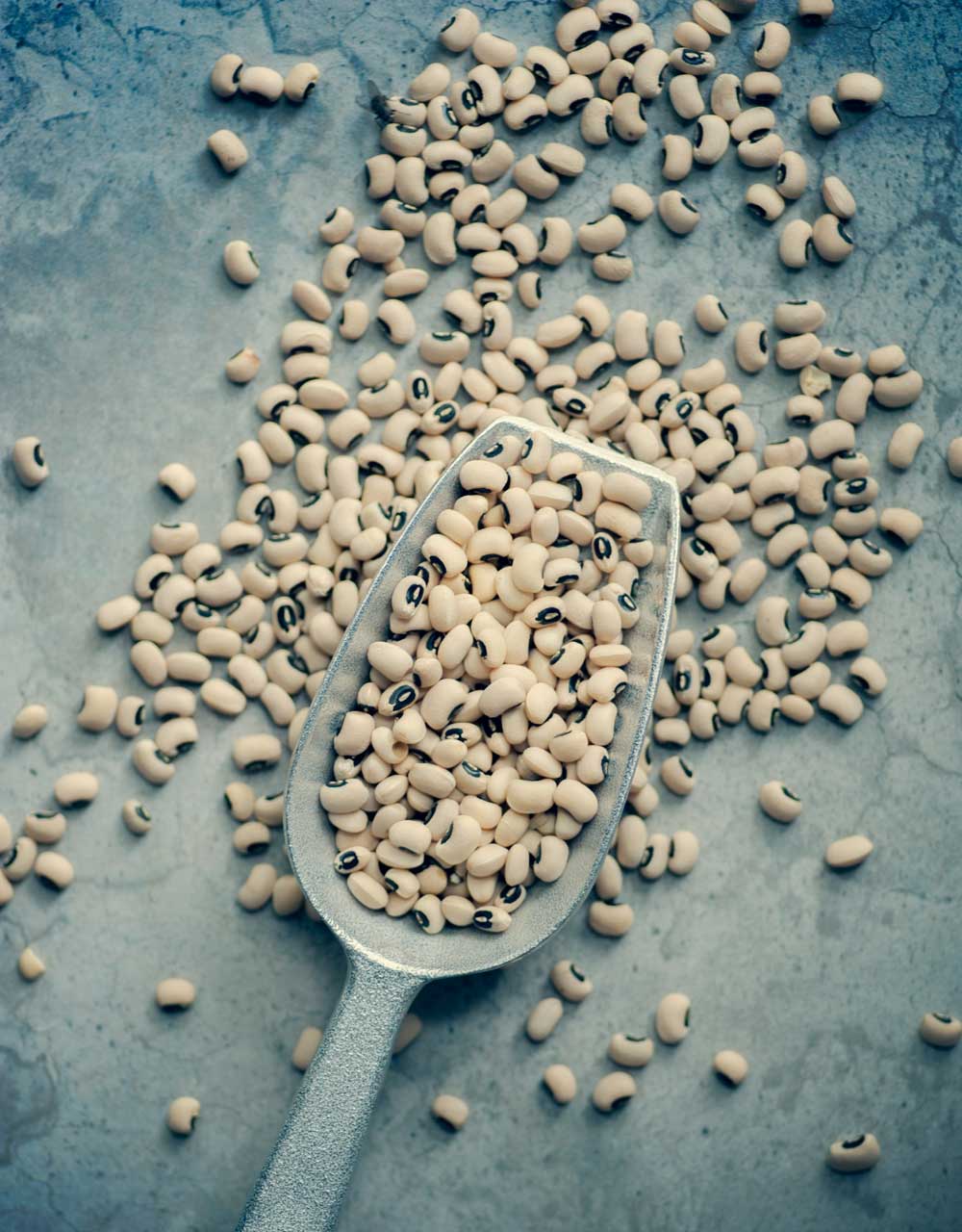
1. Beans
If you are looking for an affordable food that can fit well into a farmer’s diet, don’t ignore beans.
Beans provide protein, carbohydrates, fibre and several vitamins and minerals. Protein is especially important because your muscles are doing plenty of work when you are lifting, bending, walking, digging and carrying things around the farm.
And beans can be prepared in different ways.
You can eat beans porridge, boiled beans, moi moi or akara. You can also combine beans with plantain, rice or other staple foods.
For a farmer watching food expenses, beans can be a very practical choice.
A plate of beans and plantain, for example, can give you a much more satisfying meal than surviving on biscuits and sugary drinks throughout the day.
And if you grow beans yourself, even better.
You are producing both food and income from the same farm.
Related articles:
Chemical Safety for Farmers: Practical Health Measures to Prevent Chemical-Related Illnesses
10 Costly Broiler Farming Mistakes That Keep Farmers Poor (And How to Avoid Every One of Them)
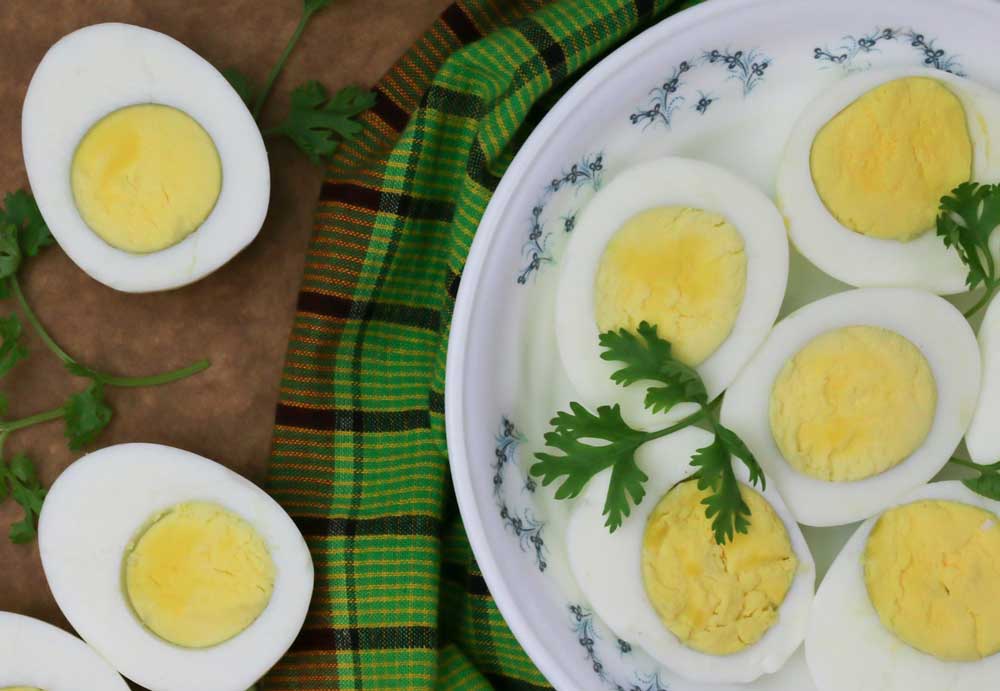
2. Eggs
Eggs are another food I would not take for granted.
They are a good source of protein and provide several important nutrients.
You don’t need to eat a mountain of eggs. Adding one or two eggs to breakfast can make a simple meal more filling.
Think about something like boiled yam and eggs before heading to the farm.
Compare that with leaving home after drinking only sweet tea.
Which farmer do you think will be complaining about hunger first?
If you keep chickens, eggs can be even more convenient. Your poultry birds are not only helping you make money; they can also contribute to what your family eats.
That is one of the small advantages of farming that we sometimes forget.
3. Sweet Potatoes
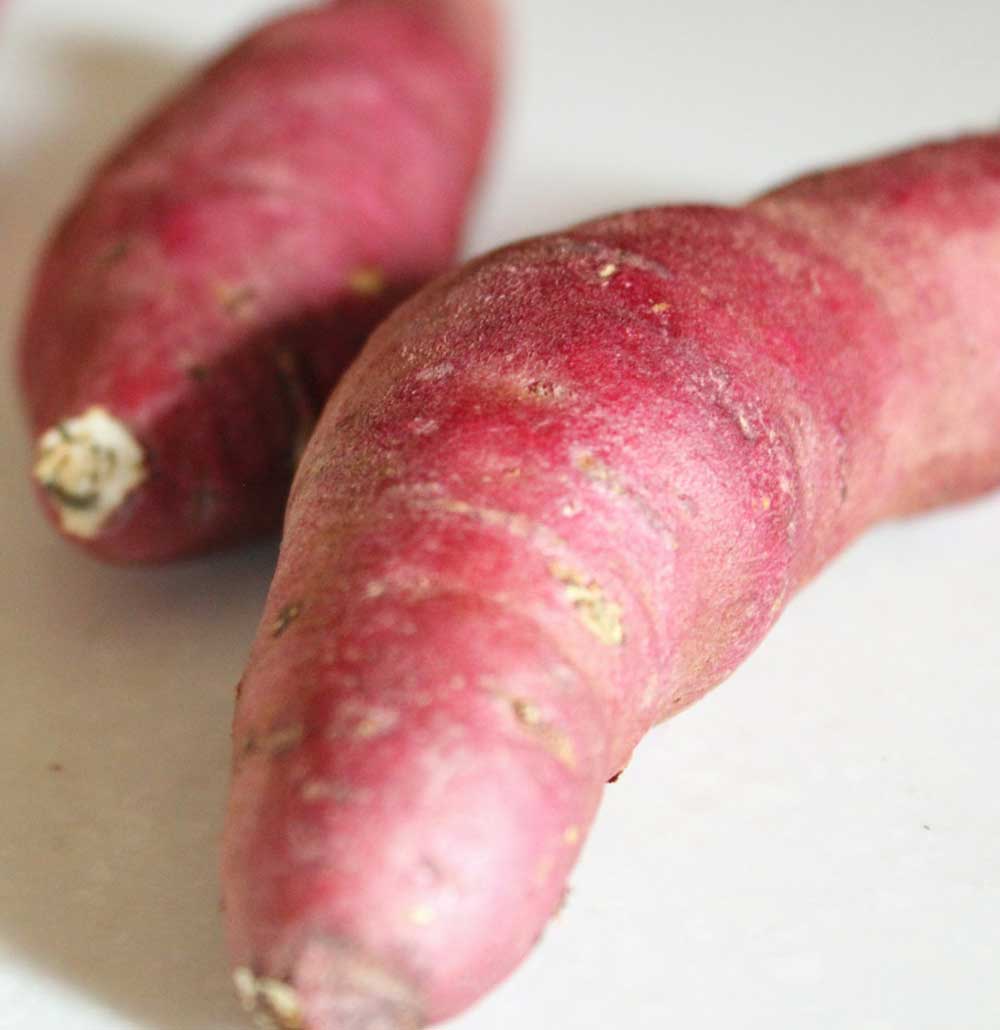
Sweet potatoes are another good option for farmers because they provide carbohydrates, which the body uses for energy.
They are also relatively easy to prepare.
You can boil them, roast them or prepare them in different local ways.
Orange-fleshed sweet potatoes are particularly useful because they contain beta-carotene, which the body can convert to vitamin A.
And here is something farmers will appreciate: you can grow sweet potatoes yourself.
If you have suitable land and the variety performs well in your area, part of your harvest can go to the market while some stays at home for the family.
Just watch how you prepare them.
There is a difference between boiled or roasted sweet potato and turning everything into a heavily fried meal.
Sometimes, simple is better.
Related Articles:
Mental Health in Farming: How to Cope with Stress, Crop Failure, and Financial Pressure
Healthy Farmer, Healthy Farm: 12 Farm Health and Safety Practices Every Farmer Must Know
Your Body Is Your First Farm Tool: 6 Health Habits Every Farmer Must Adopt After 40
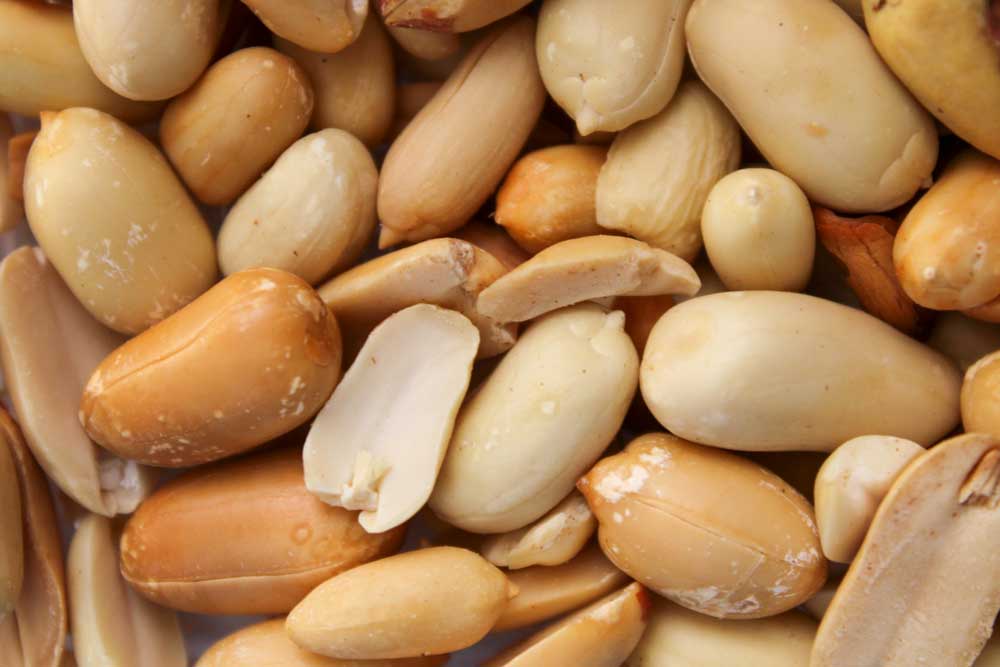
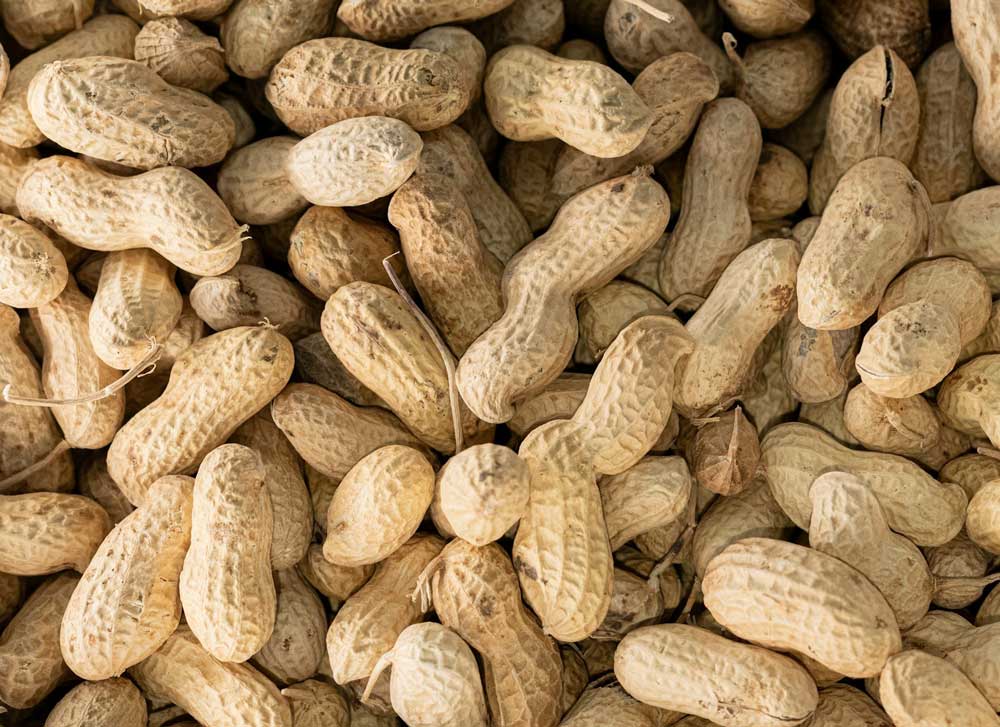
4. Groundnuts
Groundnuts may be small, but they pack quite a bit into a small package.
They contain protein, healthy fats and plenty of energy.
For farmers, they can also make a convenient snack.
Suppose you are going to the farm for several hours. Instead of depending entirely on biscuits, sweets or soft drinks when hunger comes, you can carry a small quantity of roasted or boiled groundnuts.
You can even combine them with a banana.
That’s a simple farm snack that doesn’t require a plate, spoon or much preparation.
But don’t forget that groundnuts are also quite high in calories, so you don’t need to eat half a bowl at once.
A reasonable portion is enough.
5. Bananas
Bananas are one of the easiest fruits for a farmer to carry around.
Put two in your farm bag and you’re good to go.
They provide carbohydrates and potassium and can be useful when you need something quick to eat during a busy day.
Imagine you are harvesting, weeding or attending to livestock and you realise you are getting hungry.
You may not have the time to leave everything and go home.
That banana can come in handy.
This is why I like foods that are not only nutritious but also practical.
Farm life is not always convenient. Sometimes you need food you can eat while sitting under a tree for five minutes before getting back to work.
Related articles:
Working under the Sun: Dehydration and Heat Stress in farmers, 10 Simple Ways Farmers Can Protect Themselves.
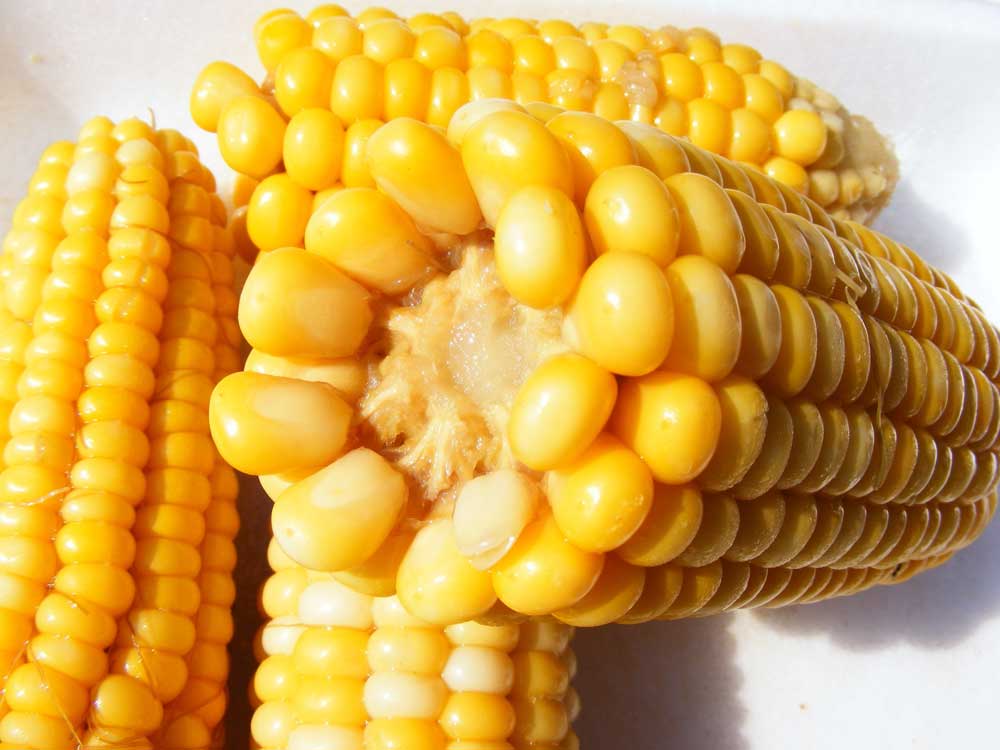
6. Maize
Maize is already part of everyday life for many Nigerian and African farmers.
Whether you eat it as boiled maize, roasted maize or use it to prepare pap and other foods, it can provide carbohydrates that the body uses for energy.
But there is something important to remember.
Don’t look at one food in isolation. Look at the whole meal.
For example, pap can be filling, but adding eggs, groundnuts, beans or milk can make the meal more balanced.
The same thing applies to maize.
You don’t have to abandon your traditional foods because somebody on the internet has introduced a new “superfood.”
Sometimes the food growing in your own community is already useful.
The key is how you combine your foods and how much you eat.
7. Green Leafy Vegetables
Now this one should be easy for many farmers.
Some of us have vegetables growing almost everywhere around the house, yet we are buying expensive vegetables from the market!
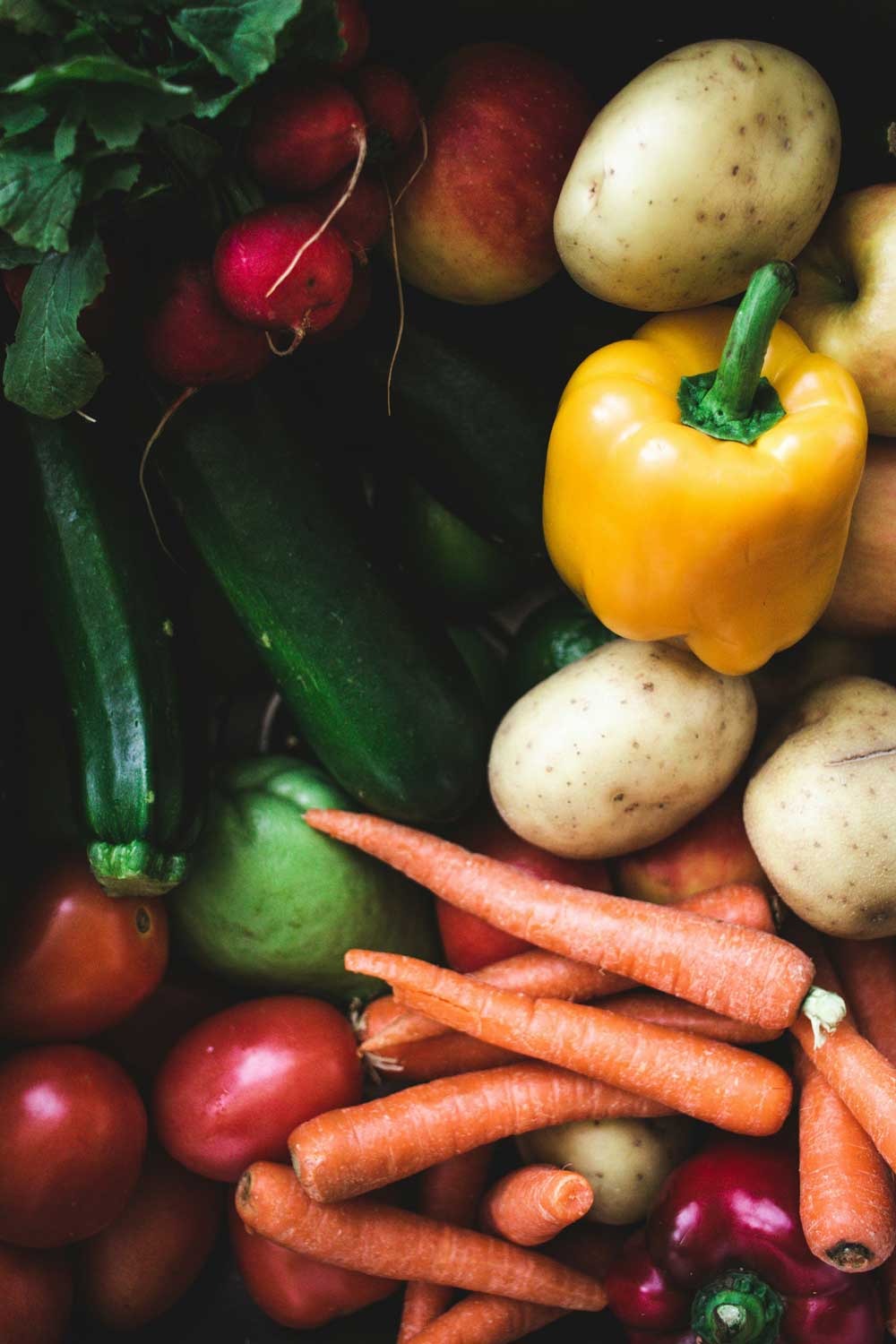
Depending on what grows well in your area, you can eat vegetables such as amaranth, spinach, pumpkin leaves, bitter leaf and other locally available leafy vegetables.
They provide vitamins, minerals and fibre.
Vegetables may not give you the same immediate energy as yam, maize or sweet potatoes, but they are still an important part of a healthy diet.
And here’s another idea.
If you have a small piece of land around your house, why not grow a small vegetable garden?
You don’t need a large farm.
A backyard garden can provide fresh vegetables for the family and reduce how often you have to buy them.
Related articles:
How to Keep Your Goat Healthy Throughout the Rainy Season
5 Reasons Why Some Goat Farmers Succeed and Make Profit Fast, While Others Keep Struggling
5 Brutal Reasons Broiler Farmers Struggle to Make Profit (And How you can Fix Them)
8. Fish
Fish is another good food to include in your meals.
It provides protein, and some types of fish, especially oily fish such as sardines and mackerel, also provide beneficial fats.
You don’t have to buy the most expensive fish in the market.
Depending on where you live, smaller locally available fish can also contribute valuable nutrients to your diet.
This is one reason I always encourage farmers to eat a variety of foods when they can.
Don’t let your diet become only rice every day, or only yam every day.
Mix things up.
Today it could be beans and plantain.
Tomorrow, yam and fish.
Another day, rice with vegetables and eggs.
It doesn’t have to be complicated.
9. Yam
Yam is another familiar food that can provide the carbohydrates needed to fuel physical activity.
And for farmers who work hard all day, carbohydrates are not something to fear.
Your body needs energy.
The issue is balance and portion size.
Boiled yam with eggs, vegetables or fish can make a good meal.
But if you eat a very large quantity of yam together with a very oily meal, you may end up feeling too heavy and sleepy.
Remember, the aim is to have enough energy to work, not to eat until you need somebody to roll you back to the farm!
So enjoy your yam, but keep the meal balanced.
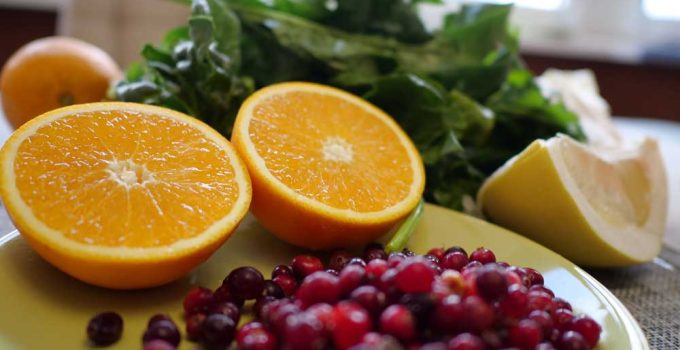
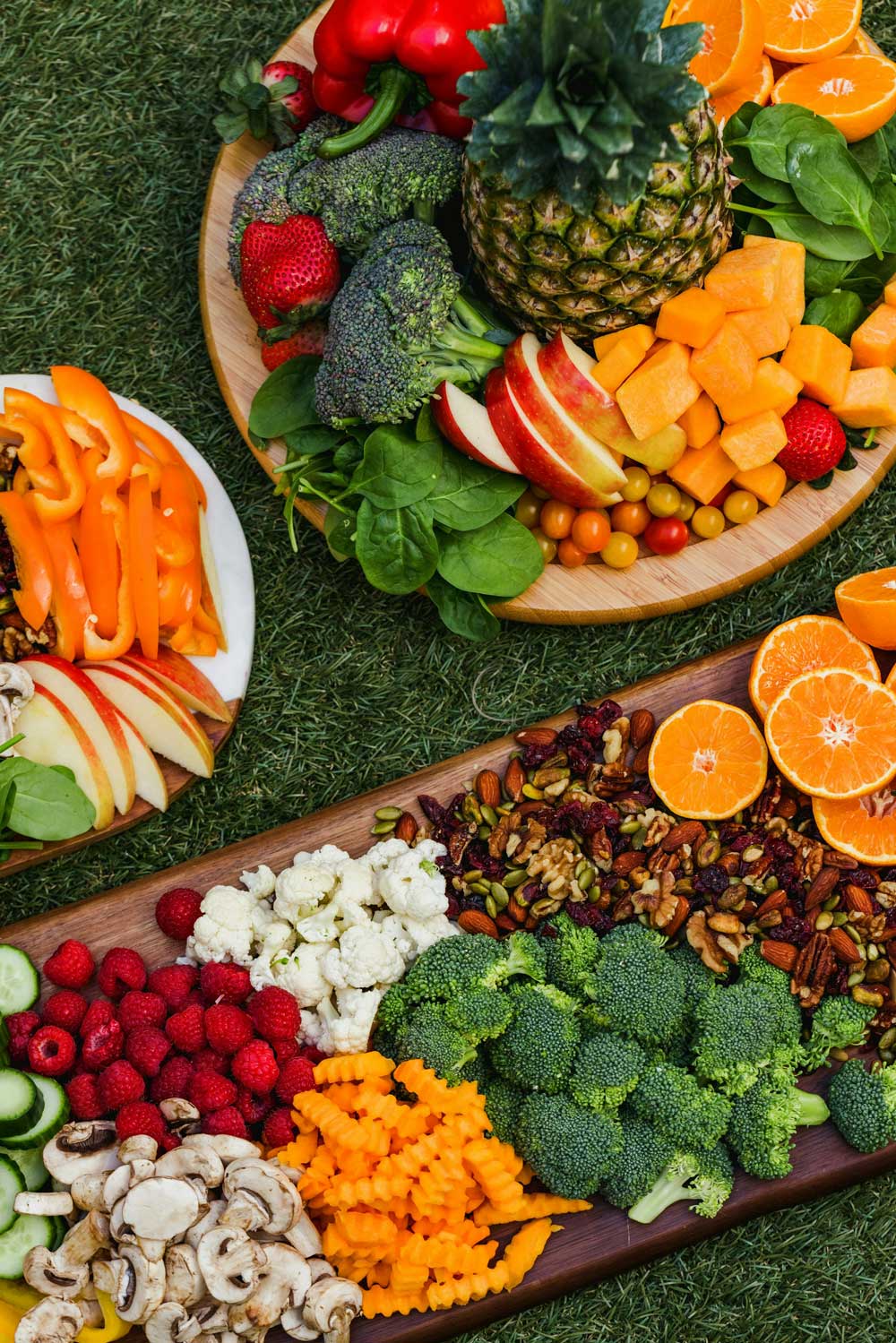
10. Fruits
Farmers should also make room for fruits.
Depending on what is available and affordable in your area, this could include oranges, pawpaw, watermelon, pineapple, mangoes and bananas.
Fruits provide vitamins, minerals, fibre and water.
They can also make a good snack during the day.
And if you grow fruit trees, you already have another advantage.
That orange tree sitting behind the house may be doing more work for your family than you realise.
Don’t underestimate the value of producing some of your own food.
It can save money and make fresh food easier to access.
Don’t Forget Water
Now, let’s talk about something farmers sometimes take for granted: water.
If you are working under the hot sun, especially during the dry season, you can lose plenty of fluid through sweating.
By the time you become extremely thirsty, you may already be getting dehydrated.
So carry drinking water with you when you go to the farm.
Don’t wait until you are completely exhausted before drinking.
And please don’t make soft drinks and energy drinks your main source of hydration.
Water should remain your main drink.
How much water you need will depend on things like the weather, how hard you are working, how much you sweat and your individual health.
The important thing is to stay adequately hydrated.
What About Energy Drinks?
Let’s be honest.
When you are tired after working for several hours, an energy drink can look very attractive.
You take one and suddenly feel more awake.
But there is a difference between getting a temporary boost and actually giving your body proper nourishment.
Many energy drinks contain significant amounts of caffeine and sugar. They should not be used as a replacement for proper meals, water and adequate rest.
If you find yourself depending on energy drinks every day just to get through farm work, take a step back and look at the bigger picture.
Are you eating properly?
Are you drinking enough water?
Are you sleeping enough?
Are you working too many hours without breaks?
Sometimes the problem is not that you need another energy drink. Your body may simply be asking for food and rest.
What Should You Eat Before Going to the Farm?
You don’t need a complicated breakfast.
Something as simple as:
Boiled yam + egg + vegetables
or
Beans + plantain
or
Pap + egg + groundnuts
Can give you a much better start than leaving home with an empty stomach.
If you work very early and cannot eat a large meal, eat something light before leaving and carry a snack with you.
A banana and some groundnuts can be useful.
The idea is simple: don’t wait until your body is completely finished before you remember food.
What About Farmers Who Are Trying to Lose Weight?
This is another area where farmers sometimes get confused.
Because you work hard physically does not mean you can eat unlimited quantities of everything.
You still need balance.
If your meals are regularly very large and contain lots of fried foods, sugary drinks and fatty foods, physical work alone may not cancel everything out.
Try to include vegetables, fruits, protein-rich foods and reasonable portions of staple foods.
And remember that everybody is different.
A farmer doing heavy manual labour all day may need more energy than someone spending most of the day sitting down.
Your age, body size, workload and health also matter.
Don’t Forget Recovery
One mistake I see in hard-working people is thinking only about how to get enough strength to finish today’s work.
Your body also needs time and nutrients to recover.
That’s why foods containing protein, such as beans, eggs and fish, are useful. Your body also needs carbohydrates for energy and a good mixture of fruits and vegetables.
You don’t need to eat all ten foods every day.
That is not the point.
The point is to eat a variety of foods regularly.
One day you may eat beans and plantain.
Another day it may be yam and fish.
Another day, maize, vegetables and eggs.
Keep things simple and practical.
You Don’t Have to Spend a Fortune
Now, I know what some farmers may be thinking:
“All this sounds good, but have you seen the price of food in the market?”
Fair question.
Eating well does not mean buying expensive imported foods.
Start with what is available and affordable around you.
Can you grow vegetables around the house?
Can you plant sweet potatoes?
Do you produce maize?
Do you keep chickens that can provide eggs?
Can you buy beans or groundnuts when they are cheaper and store them properly?
This is where farming can give you an advantage.
A farm should not only produce things for sale.
Where possible, it should also help feed the household.
If you produce vegetables, eggs, maize, beans or fruits, you are reducing some of the pressure on your food budget.
That is something worth thinking about.
Farming Is Hard Work, So Look After Yourself
We farmers are very good at looking after our animals and crops.
We check whether the chickens are eating.
We worry when a cow refuses to drink.
We inspect our crops for pests.
We check the weather before spraying.
But sometimes we forget to check ourselves.
You can eat well and still overwork your body.
Take breaks when necessary, especially during very hot weather.
Drink enough water.
Protect yourself from excessive sun exposure.
Wear suitable footwear and protective clothing.
And if you repeatedly experience unusual weakness, dizziness, fainting, chest pain, difficulty breathing or other worrying symptoms, don’t simply say, “It is because of farm work.”
Get checked by a qualified health professional.
Sometimes the body is trying to tell us something important.
In Conclusion
Farmers spend their lives producing food for other people.
We plant food.
We harvest food.
We feed animals that eventually become food.
We sell food.
But while doing all that, we should not forget to eat properly.
Beans, eggs, sweet potatoes, groundnuts, bananas, maize, vegetables, fish, yam and fruits are simple foods that can help make up a balanced diet and support an active lifestyle.
You don’t need a complicated diet.
You don’t need to chase every new food trend on social media.
Start with the foods you already know. Combine them properly. Drink enough water. Get enough rest. And pay attention to how your body feels.
Because if the farmer is not healthy enough to work, who will take care of the farm?
My advice is simple: feed the farm, but don’t forget to feed the farmer too.
Now I want to hear from you.
Which food gives you the most strength when you are working on the farm, and what do you normally eat before a long day of farm work? Share your experience in the comments.


