10 Common Farmer Health Problems and How to Prevent Them: A Practical Guide to Staying Healthy on the Farm
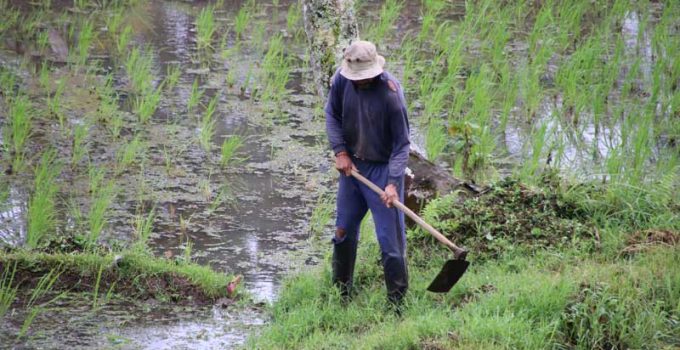
Farming is one of the most important occupations in the world, but it is also physically demanding. Every day, farmers work under the sun, lift heavy loads, operate machines, handle chemicals, walk through fields and spend long hours caring for crops and livestock.
Unfortunately, many farmers pay more attention to the health of their crops and animals than to their own health.
A farmer may quickly notice when a cow stops eating or when maize develops a disease, but may ignore his own persistent back pain, frequent headaches, breathing difficulties or exhaustion.
This needs to change.
Good farming requires a healthy farmer. When your health suffers, your ability to work, make good decisions and manage your farm can also suffer.
In this article, we will discuss 10 common farmer health problems, their causes, warning signs and practical ways to prevent them.
-
Back Pain: One of the Most Common Farmer Health Problems
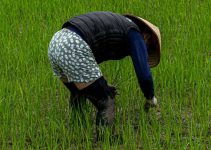
Back pain is extremely common among farmers because farming involves bending, lifting, carrying, digging and working in awkward positions.
Carrying bags of fertilizer, feed or grain, lifting farm equipment, carrying water and repeatedly bending during planting or harvesting can put considerable strain on the back.
The problem can become worse when a farmer tries to lift a heavy object alone.
How to prevent back pain
Use proper lifting techniques. Bend your knees rather than bending your waist when lifting heavy objects, and keep the load close to your body.
Where possible, use wheelbarrows, carts or other equipment to move heavy materials.
Avoid staying in one position for many hours. Take short breaks, stretch gently and change your working position.
Farmers should also take persistent or severe back pain seriously. Pain that continues, becomes worse or is associated with weakness, numbness or problems controlling urine or stool should receive medical attention promptly.

Related articles:
Chemical Safety for Farmers: Practical Health Measures to Prevent Chemical-Related Illnesses
How Farmers Can Protect Their Kidneys During Hot Weather: A Practical Guide for Every Farmer
- Heat Exhaustion
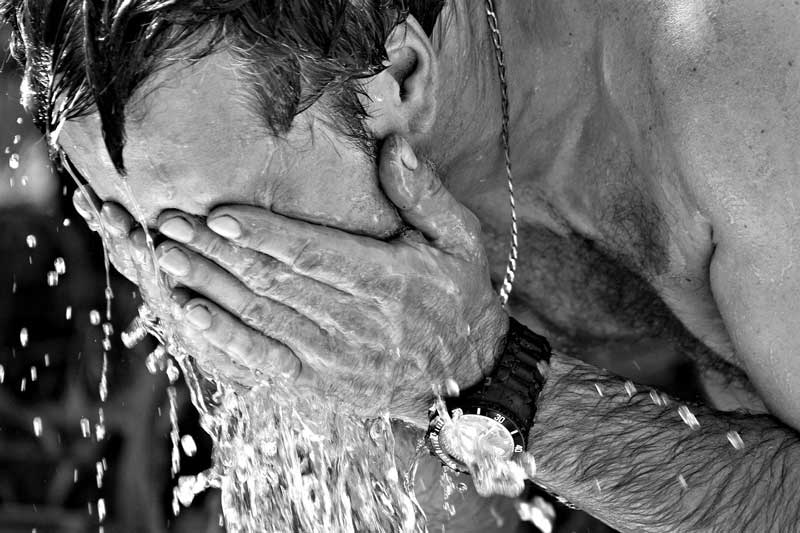
Working under the hot tropical sun can expose farmers to excessive heat, particularly during the hottest part of the day.
Heat exhaustion occurs when the body loses too much water and salt through sweating.
Warning signs can include:
If heat exhaustion progresses to heat stroke, it can become a medical emergency.
How to prevent heat-related illness
Drink water regularly instead of waiting until you become extremely thirsty.
Where possible, schedule heavy farm work for cooler parts of the day, such as early morning or late afternoon.
Wear lightweight, breathable clothing and use a hat or other suitable protection from direct sunlight.
Take regular rest breaks in a shaded or cool area.
If someone becomes confused, collapses, has a seizure or develops very hot skin and altered consciousness, seek emergency medical care immediately.
Related articles:
Farmer Health Check: Why Regular Medical Check-ups Are as Important as Fertilising Your Crops
The Farm Wealth Formula: How Smart Farmers Turn Animal Waste into Bigger Harvests and Bigger Profits
9 Smart Survival Strategies Farmers Are Using to Stay Profitable
- Dehydration
Dehydration is closely related to heat exhaustion but can occur even when the weather does not feel extremely hot.
Farmers lose water through sweating, especially during strenuous work.
Signs of dehydration can include:
- Strong thirst
- Dry mouth
- Dark yellow urine
- Headache
- Dizziness
- Weakness
- Reduced urination
How to prevent dehydration
Carry drinking water to the farm rather than depending on finding water when you become thirsty.
Drink regularly throughout the working day.
During prolonged, heavy sweating, especially in very hot conditions, fluids containing electrolytes may sometimes be useful.
However, avoid relying heavily on sugary drinks or alcohol for hydration.
Remember: water is one of the farmer’s most important farm tools—even though it is not kept in the toolbox.
- Snake Bites
Farmers work in environments where snakes may be present, particularly in tall grass, bushy areas, wood piles, holes and places where rodents are common.
Walking through fields without proper footwear can increase the risk of snake bites.
How to prevent snake bites
Wear boots or strong protective footwear when working in areas where snakes may be present.
Avoid putting your hands into holes, piles of vegetation or dark spaces without first checking them carefully.
Keep the farm surroundings reasonably clear of unnecessary bush, rubbish and materials that provide hiding places for snakes and rodents.
If a snake bite occurs, keep the victim calm and as still as possible and seek urgent medical care.
Do not cut the wound, suck out venom, apply chemicals or attempt to kill and handle the snake.
Snakebite treatment is a medical emergency; get professional help as quickly as possible.
Related articles:
Depression Ten (10) Natural Ways You Can Treat It.
Mental Health in Farming: How to Cope with Stress, Crop Failure, and Financial Pressure
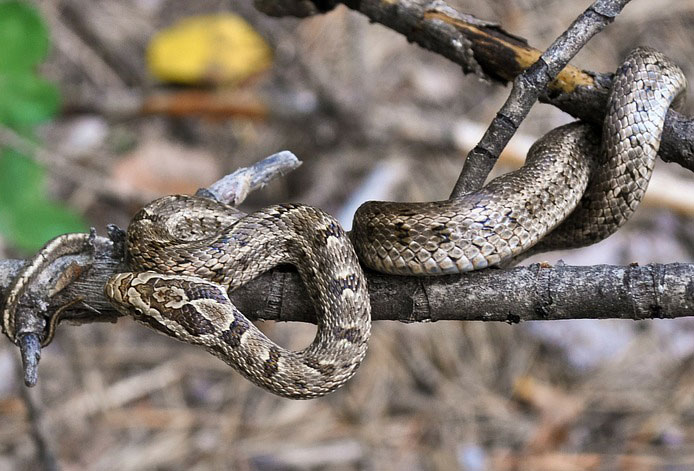
venomous-snake
- Pesticide Poisoning
Pesticides can be valuable tools for controlling weeds, insects and diseases, but improper handling can expose farmers to serious health risks.
Farmers can be exposed through the skin, eyes or by breathing pesticide droplets or vapour. Accidental swallowing can also occur when chemicals are stored or handled improperly.
Symptoms depend on the chemical involved but may include headache, dizziness, nausea, vomiting, excessive sweating, breathing difficulties, confusion or weakness.
How to prevent pesticide poisoning
Always read and follow the product label.
Use the recommended protective equipment, which may include gloves, protective clothing, eye protection and suitable respiratory protection depending on the product.
Never eat, drink or smoke while mixing or spraying pesticides.
Do not use food or drink containers to store pesticides.
Keep chemicals away from children, food, animal feed and water sources.
After spraying, wash exposed skin and clothing appropriately.
Also observe the product’s re-entry and pre-harvest instructions.
If poisoning is suspected, seek medical help and take the pesticide container or label along if it can be done safely. This can help health professionals identify the chemical involved.
- Hearing Loss From Farm Machinery
Tractors, generators, grinding machines, milling machines, water pumps, feed mixers and other farm equipment can produce loud noise.
Repeated exposure to loud noise can gradually damage hearing.
The dangerous part is that hearing loss may develop slowly. A farmer may not notice the problem until considerable damage has occurred.
How to protect your hearing
Use appropriate hearing protection when operating noisy machinery.
Avoid standing unnecessarily close to loud equipment.
Maintain machines properly because poorly maintained equipment may produce excessive noise.
If you frequently experience ringing or buzzing in your ears after working around machinery, consider it a warning sign and get your hearing checked.
Protecting your hearing today can prevent serious hearing problems later in life.
Related articles:
Your Body Is Your First Farm Tool: 6 Health Habits Every Farmer Must Adopt After 40
Back Pain Causes, And How to Prevent It
Healthy Farmer, Healthy Farm: 12 Farm Health and Safety Practices Every Farmer Must Know
- Skin Diseases and Irritation
Farmers’ skin comes into contact with soil, plants, fertilizers, pesticides, animal waste, mud, dust and other substances.
Repeated exposure can cause irritation, rashes, fungal infections and other skin problems.
Constantly wet hands and feet can also contribute to certain skin conditions.
How to prevent skin problems
Wear suitable gloves when handling chemicals, manure or irritating substances.
Wash your hands and exposed skin after farm work.
Change out of wet or contaminated clothing.
Keep small cuts and wounds clean and protected.
Do not ignore persistent rashes, sores, swelling or itching, especially if the condition is spreading or becoming infected.
- Eye Injuries
The eyes are particularly vulnerable during farming activities.
Dust, soil, plant material, chemical splashes, flying particles from machines and pieces of metal or wood can cause eye injuries.
Pesticide splashes can be especially dangerous.
How to protect your eyes
Wear appropriate safety goggles or protective eyewear when spraying chemicals, grinding, cutting, drilling or performing tasks that can produce flying particles.
Avoid rubbing an eye after it has been exposed to chemicals or foreign material.
If a chemical enters the eye, immediately follow the product’s first-aid instructions and flush the eye with clean running water as directed, while seeking medical attention.
Never underestimate an eye injury. A small-looking injury can sometimes cause serious damage.

- Respiratory Problems
Farmers are regularly exposed to dust, smoke, mould, animal waste, pesticides and other airborne particles.
Poultry farmers, livestock farmers, grain handlers and workers involved in milling or feed preparation can experience significant exposure to dust.
Repeated exposure can contribute to coughing, wheezing, irritation and other respiratory problems.
How to protect your lungs
Improve ventilation in animal houses and enclosed work areas.
Reduce unnecessary dust whenever possible.
Use suitable respiratory protection when working in dusty or chemically contaminated environments.
Avoid burning agricultural waste unnecessarily and avoid breathing smoke directly.
Farmers who develop persistent coughing, wheezing, chest tightness or shortness of breath should seek medical evaluation rather than simply assuming it is “farm dust.”
Related articles:
Home Cow Fattening: How to Prevent Bacterial Infections, Dampness, and Keep Stall-Fed Cattle Healthy
7 Best-Known Noiler Secrets That Will Make You a Profitable Poultry Farmer
- Stress and Depression
Perhaps one of the most overlooked farmer health problems is mental and emotional stress.
Farming comes with uncertainty.
A farmer can plant a crop and experience drought, excessive rainfall, pests or disease. Livestock can die. Feed prices can rise suddenly. Market prices can collapse. Loans and other financial pressures can also become overwhelming.
After putting months of effort and money into a farm, losing a harvest or livestock can be emotionally painful.
Farmers sometimes keep these feelings to themselves because they believe they must always appear strong.
But stress is not a sign of weakness.
How to protect your mental health
Talk to someone you trust when farm problems become overwhelming.
Stay connected with family, friends and other farmers.
Get enough rest and avoid working continuously without breaks.
Separate farm problems into smaller, manageable tasks instead of trying to solve everything at once.
Keep realistic financial and production records so that decisions are based on numbers rather than fear.
If persistent sadness, hopelessness, loss of interest, severe anxiety, sleep problems or thoughts of self-harm develop, seek professional help promptly.
Prevention Is Better Than Treatment
Farmers often understand this principle very well when it comes to livestock.
You vaccinate chickens before disease strikes.
You control weeds before they take over the farm.
You treat animals before a small problem becomes a major outbreak.
The same principle should apply to your own health.
Don’t wait until your body breaks down before you start taking care of it.
Wear protective equipment.
Drink enough water.
Take breaks.
Use machinery safely.
Handle pesticides responsibly.
Protect your eyes, skin, lungs and ears.
Pay attention to persistent pain.
And don’t ignore your mental health.
CONCLUSION
Farming is hard work, but suffering unnecessarily should not be considered part of the job.
The health of the farmer is one of the most important assets on any farm.
Whether you operate a small family farm, a medium-sized commercial farm or a large agricultural business, preventing farmer health problems can help you remain productive and continue doing what you love.
Your farm needs healthy crops.
Your livestock needs healthy management.
But most importantly, your farm needs a healthy farmer.
So while you are planning your next planting season, livestock batch or harvest, remember to include one more thing in your farm plan:
Take care of yourself.
Because a healthy farmer is not only better able to work—he or she is better prepared to build a sustainable and profitable farm for many years to come.